First Things First: You Can Still Eat Rice
Let’s get the big worry out of the way right now: if you’ve been diagnosed with diabetes, you do not have to say goodbye to rice forever. That’s a myth that has made way too many people miserable at dinner tables around the world. Rice is a staple food for billions of people, and giving it up completely isn’t realistic—or even necessary.
The truth is that managing diabetes is less about banning specific foods and more about how you eat them, how much you eat, and what you eat them with. Your food choices matter a lot, but they matter in terms of strategy, not deprivation. Think of rice as something you manage rather than something you mourn.
That said, rice is a carbohydrate, and carbohydrates are exactly the kind of food that raises blood glucose. So before you scoop another big bowl, let’s talk about what’s actually happening in your body—and how to keep it from working against you.
Why Rice Sends Your Blood Sugar on a Rollercoaster
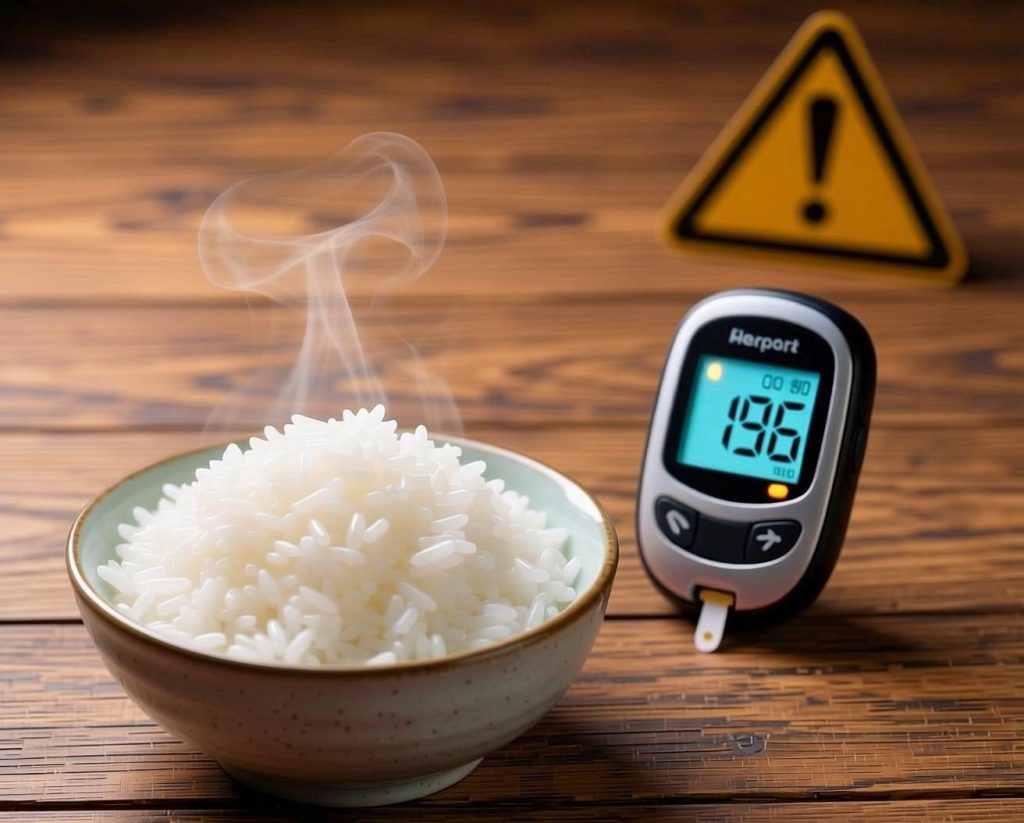
Rice—especially white rice—is mostly starch. When you eat it, your digestive system breaks that starch down into glucose very quickly. That glucose rushes into your bloodstream, and if your body isn’t great at moving it into your cells (which is basically the definition of diabetes), you end up with a blood sugar spike.
And what does a spike feel like? Sometimes nothing at all, which is the scary part. Other times you feel tired, foggy, or extra thirsty a couple of hours after eating. Over time, repeated spikes can wear on your blood vessels, your nerves, and your energy levels. Understanding how your body handles sugar is the first step toward eating rice without the chaos.
The good news? You have more control over that spike than you might think. The type of rice you choose, how you cook it, how much you serve yourself, and what sits next to it on your plate can all flatten that rollercoaster dramatically.
White, Brown, or Wild? Picking a Smarter Rice
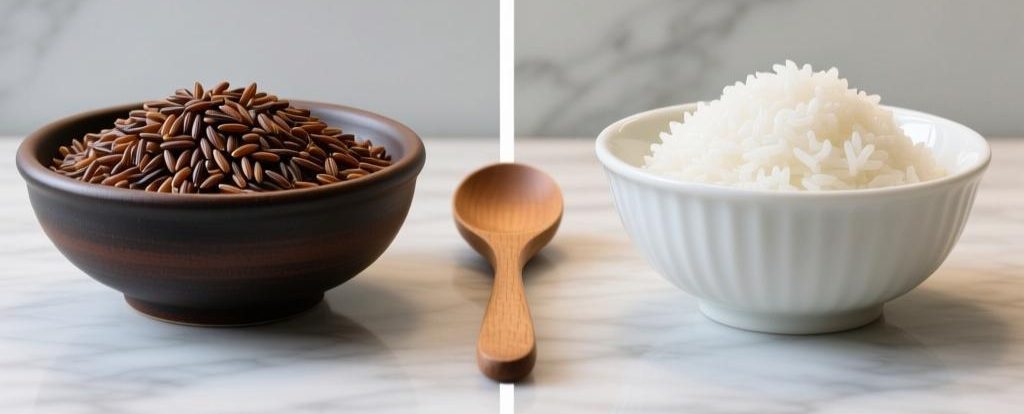
Not all rice behaves the same way in your body. Here’s a quick, honest comparison:
| Type of Rice | What It Is | Impact on Blood Sugar | Smart Tip |
|---|---|---|---|
| White rice | Polished, bran and germ removed | Digests fast, biggest glucose bump | Keep portions small; cool it before eating |
| Brown rice | Whole grain, bran intact | Slower digestion, gentler rise | Great everyday default |
| Wild rice | Technically a grass seed | Lower carb, high fiber | Excellent “rice” swap |
| Basmati (any color) | Long grain, aromatic | Tends to digest slower than short grain | A better white-rice choice |
| Parboiled/converted | Partially cooked in the husk | More resistant starch, gentler spike | Sneaky-good pantry pick |
| Cauliflower rice | Not rice at all | Negligible effect on glucose | Mix it 50/50 with real rice |
Notice the pattern: the closer the rice is to its natural state, the friendlier it usually is to your blood sugar. Whole grains keep their fiber, and fiber acts like a traffic cop—slowing glucose down so it arrives in your bloodstream in a manageable stream instead of a flood. If you want more ideas for adding fiber to your meals, the same principle applies here: fiber first, always.
And here’s a fun trick most people have never heard of: cooling your rice changes it. When cooked rice cools in the fridge overnight, some of its starch turns into “resistant starch,” which your body digests more slowly. Reheat it the next day and a good chunk of that benefit sticks around. Same rice, gentler impact. It’s not magic, but it’s close.
Portion Size
Nobody loves hearing “watch your portions,” but with rice, portion size is genuinely half the battle. A typical restaurant serving of rice can be two to three times what a sensible portion looks like. That’s the equivalent of eating three slices of bread and wondering why your numbers climbed.
- Start with half a cup cooked (about the size of a tennis ball or a cupped handful) as your baseline.
- Fill half your plate with non-starchy vegetables—broccoli, peppers, greens, cabbage—so rice physically has less room.
- Use a smaller bowl. Seriously. It sounds silly, but it works.
- Measure a few times, then eyeball it. Your eyes adapt faster than you’d expect.
If you’re someone who struggles with hunger between meals after cutting back on rice, don’t just white-knuckle it. Adding protein and volume-rich foods will keep you full, and there are plenty of power foods that make smaller rice portions feel like a complete meal instead of a punishment.
What You Eat WITH Your Rice Matters More Than You Think
This might be the single most underrated tip in diabetic eating: rice rarely spikes blood sugar on its own the way it does when eaten solo. Pair it wisely and the glucose arrival slows down substantially.
- Protein first. Chicken, fish, tofu, eggs, lentils—protein slows stomach emptying, which slows glucose absorption.
- Fat is your friend (in moderation). A little olive oil, avocado, or nuts blunts the spike further.
- Veggies add bulk and fiber, literally diluting the carb load of each bite.
- Acid helps too. A squeeze of lemon or a splash of vinegar on your rice isn’t just flavor—it mildly slows starch digestion.
Beans deserve a special shout-out here. There’s real evidence behind the question of whether beans can lower blood sugar, and mixing beans into your rice dishes—think red beans and rice, rice and lentils, Cuban-style black beans—is one of the tastiest blood-sugar strategies ever invented. You’re cutting the rice per bite, adding fiber and protein, and keeping every bit of the flavor.
One more order-of-operations tip: eat your veggies and protein before your rice, not after. Meal sequencing sounds fancy, but it just means “sandwich the carbs.” Studies show that eating vegetables and protein first, carbs last, produces noticeably flatter glucose curves. Easy to try tonight.
Timing: When You Eat Rice Is Almost as Important as How Much
Ever notice your after-dinner numbers are worse than your after-lunch numbers? There’s a reason. Evening insulin sensitivity tends to dip, and heavy carbs before bed can set you up for a rough night and a groggy morning. If rice is on the menu, consider making it your lunchtime star rather than your bedtime companion.
That said, don’t skip dinner carbs entirely if your routine needs them—balance beats extremes. And if evenings are unavoidable, small habits help.
Things like simple bedtime habits such as a short walk after eating can meaningfully blunt a post-dinner rice spike. Ten to fifteen minutes of strolling is all it takes to give your muscles a chance to pull glucose out of your blood without extra insulin.
Also worth knowing: what “normal” even looks like. Check out what a normal blood sugar after a meal should look like, so you’re judging your rice experiments against real targets instead of guesswork.
Building a Rice-Friendly Plate
Theory is nice. Dinner is nicer. Here’s what a blood-sugar-friendlier rice meal actually looks like in practice:
- Bibimbap-style bowl: half the usual rice, topped with sautéed spinach, mushrooms, carrots, and a fried egg. The egg and veggies carry the meal; the rice is the accent.
- Beans and rice night: half-cup of brown rice, a generous scoop of black beans with peppers and onions, avocado on top.
- Stir-fry smart: load the wok with cabbage, snap peas, and chicken, then serve over a modest scoop of basmati instead of a mountain of jasmine.
- 50/50 blend: mix cauliflower rice with regular rice half and half. Your brain sees rice. Your glucose meter sees half the carbs.
- Leftover hack: cook rice, chill overnight, then reheat with a little olive oil and serve alongside salmon and roasted broccoli.
If you like the idea of upgrading your meals without feeling deprived, the same philosophy applies beyond rice. Swapping one component of your day—say, your breakfast—often produces visible changes in both weight and glucose within weeks.
The Stuff Sitting Next to Your Rice
Here’s a trap a lot of people fall into: they fixate on the rice and completely ignore the sugary drink, the sweet sauce, or the “healthy” fruit juice next to it. Liquid sugar hits your bloodstream even faster than white rice does. If rice is on your plate, water, unsweetened tea, or sparkling water should be in your glass.
If you’ve been wondering about diet soda versus regular soda, the short version is that the diet version spares you the immediate glucose hit—but plain water is still the gold standard.
Sweet cravings deserve their own honesty check, too. You don’t have to live a dessert-free life; you just have to be strategic. There are genuinely good options among desserts for people with diabetes, and even fruits that are gentle on blood sugar when you want something sweet after a rice-based meal. Choose one carb “star” per meal. If rice is the star tonight, the dessert can wait—or be berries.
Don’t Forget the Rest of Your Diabetes Toolkit
Rice strategy works best when it’s part of a bigger picture. A few things worth keeping on your radar:
- Movement: even light activity after meals helps, and there are plenty of simple tricks that compound over time.
- Medication: if you’re on medication and constantly exhausted, it’s worth a conversation with your doctor—sometimes your diabetes meds themselves are the culprit, and adjustments are possible.
- Going too low: while we focus a lot on highs, dangerously low readings are no joke. Learn how to spot low blood sugar, especially if you’ve recently changed your eating patterns.
- Supplements: some people ask whether supplements can help with glucose control. Some have modest evidence; none replace diet, movement, or medication. Always loop in your doctor first.
- Budget: healthy eating doesn’t have to bankrupt you. Beans, brown rice in bulk, and frozen veggies are cheap, and there are easy ways to trim diabetes-related costs without sacrificing nutrition.
And a word for caregivers: if you’re helping an older parent or spouse navigate all this, small changes work better than overhauls. There are even fun activities designed for seniors with diabetes that keep blood sugar management from feeling like a chore.
When Rice Isn’t the Right Choice
Let’s be real with each other: sometimes rice just isn’t worth it. If your recent readings have been running stubbornly high, if you’re working toward significant weight loss, or if a single rice meal consistently blows past your targets, it might be time to lean harder on alternatives—at least temporarily.
Options like cauliflower rice, shredded cabbage “rice,” quinoa, bulgur, lentils, or even diced sweet potato can fill the same role on your plate. Some of them, like sweet potatoes, bring extra fiber and nutrients to the table while still scratching that starchy comfort-food itch.
This isn’t failure. It’s flexibility. The goal isn’t a perfect relationship with rice; it’s a sustainable relationship with food overall. If you ever feel like your eating has gotten tangled up with stress or guilt, remember that food should be enjoyed—there are low-stress ways to eat well that don’t require perfection, just consistency.
Your Rice Game Plan, in One Place
Before the FAQs, here’s the whole article boiled down to a checklist you can stick on the fridge:
- ✅ Default to brown, basmati, parboiled, or wild rice over short-grain white.
- ✅ Keep portions around half a cup cooked; fill half the plate with veggies.
- ✅ Always pair rice with protein, fiber, and a little healthy fat.
- ✅ Eat veggies and protein first, rice last.
- ✅ Cook, chill overnight, reheat—resistant starch for the win.
- ✅ Take a 10–15 minute walk after rice-heavy meals.
- ✅ Skip sugary drinks alongside rice; watch the sauces too.
- ✅ Test your blood sugar 1–2 hours after new rice strategies to learn what YOUR body does.
- ✅ Consider a 50/50 cauliflower-rice blend when you want more volume for fewer carbs.
FAQs
Can I eat white rice at all if I have diabetes?
Yes, in moderation and with the strategies above—smaller portions, protein pairing, veggie loading, and post-meal movement. White rice isn’t poison; it’s just the least forgiving option, so treat it accordingly.
Is brown rice really that much better than white rice?
It’s meaningfully better—more fiber, slower digestion, more nutrients—but it’s still a carb, so portion size still matters. Think of brown rice as a better tool, not a free pass.
Does rinsing or soaking rice lower its carbs?
Rinsing removes surface starch, which can slightly reduce stickiness, but it doesn’t meaningfully change the carb content. Cooling cooked rice does help by creating resistant starch—that’s the trick worth keeping.
How much rice can I eat in a day?
There’s no universal number—it depends on your medication, activity level, and overall carb budget. Many people do well with half a cup to one cup of cooked rice spread across the day. Your glucose meter is the best judge; test and adjust.
Should I check my blood sugar after eating rice?
Absolutely, especially when trying something new. Check about 1–2 hours after your first bite. You’ll quickly learn which rice types, portions, and pairings work best for your body—which is far more useful than any generic advice.
What’s the best low-carb substitute that still feels like rice?
Cauliflower rice is the champion—it sautés beautifully and takes on any flavor. Shredded cabbage and diced hearts of palm are great backups. Blending them with real rice 50/50 is a crowd-pleasing middle ground.