If you or someone you love has been diagnosed with type 2 diabetes, one of the first questions that usually comes up is: “What medication will I start with?” For most people, the answer is metformin. It has been around for decades, it is affordable, and it remains the go-to first-line drug that doctors reach for when managing type 2 diabetes.
But why is metformin so trusted? How does it actually work? And what else do you need to know about blood sugar, lifestyle, and long-term health? Let’s break it all down in plain, friendly language.

Why Metformin Is the First Choice for Most People
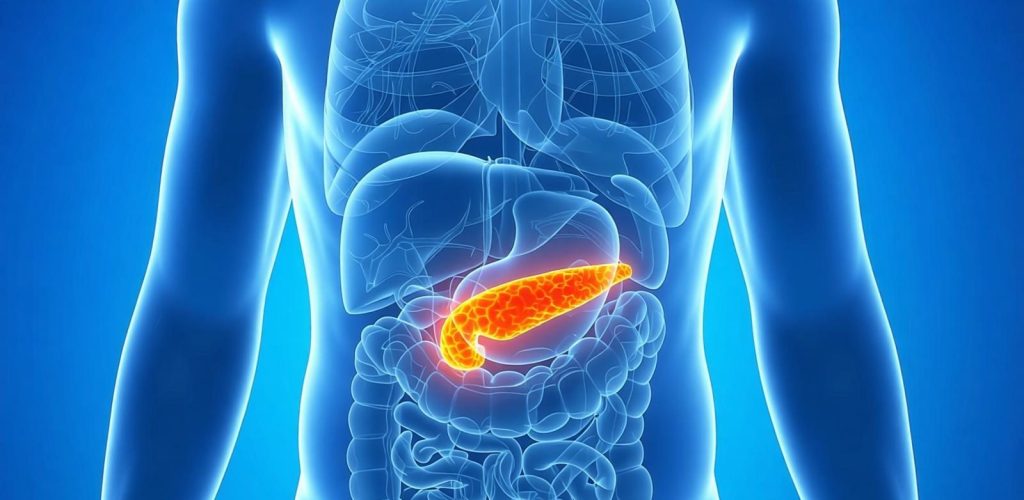
Metformin has earned its reputation for several solid reasons. First, it works. It lowers blood sugar by reducing the amount of glucose your liver produces and helping your body respond better to insulin.
Second, it does not usually cause weight gain—in fact, many people lose a little weight on it. Third, it is inexpensive and has been studied in thousands of patients over many years, so doctors know its safety profile well.
- Lowers blood sugar without forcing the pancreas to work overtime
- Low risk of causing dangerous low blood sugar (hypoglycemia) when used alone
- Affordable and available as a generic
- May support heart health and improve insulin sensitivity
- Often recommended alongside diet and exercise changes
Major diabetes guidelines around the world, including those from the American Diabetes Association, recommend metformin as the starting medication for most adults with type 2 diabetes, especially when it is paired with healthy lifestyle changes like better eating habits and regular movement. If you want to understand how your body handles sugar in the first place, this guide on blood sugar explains it beautifully.
How Metformin Works Inside Your Body
Metformin belongs to a class of drugs called biguanides. Rather than pushing your pancreas to release more insulin, it works quietly in the background. It tells your liver, “Hey, you don’t need to dump all that extra sugar into the blood,” and it makes your muscles more sensitive to insulin so they can pull glucose out of the bloodstream more efficiently.
Think of it like fixing a leaky faucet instead of just mopping the floor. Metformin addresses one of the root problems in type 2 diabetes—insulin resistance—rather than only treating the symptom of high blood sugar. That is a big part of why doctors trust it so much.
What to Expect When You Start Metformin
Most people start on a low dose, often 500 mg once or twice a day, and the dose is gradually increased over several weeks. This slow approach helps your stomach adjust. The most common side effects are digestive—bloating, gas, loose stools, or mild nausea—especially in the first couple of weeks.
| Aspect | What You Should Know |
|---|---|
| Typical starting dose | 500 mg once or twice daily with meals |
| Common side effects | Nausea, diarrhea, stomach upset (usually temporary) |
| Tips to reduce side effects | Take with food, start low, go slow, ask about extended-release |
| Who should avoid it | People with severe kidney disease or certain liver problems |
| Long-term use | Generally safe; your doctor will monitor kidney function |
One practical tip: taking metformin with meals and asking your doctor about the extended-release version can dramatically reduce stomach issues. A small percentage of people cannot tolerate it at all, and in that case, your doctor will discuss alternatives.
Metformin Alone Is Not Enough: Lifestyle Still Leads
Here is something every nutrition professional will tell you: medication works best when it rides alongside good habits. No pill can out-run a poor diet and a completely sedentary lifestyle. The great news is that food choices and movement can meaningfully improve how well metformin works for you.
Eat to Keep Your Blood Sugar Steady
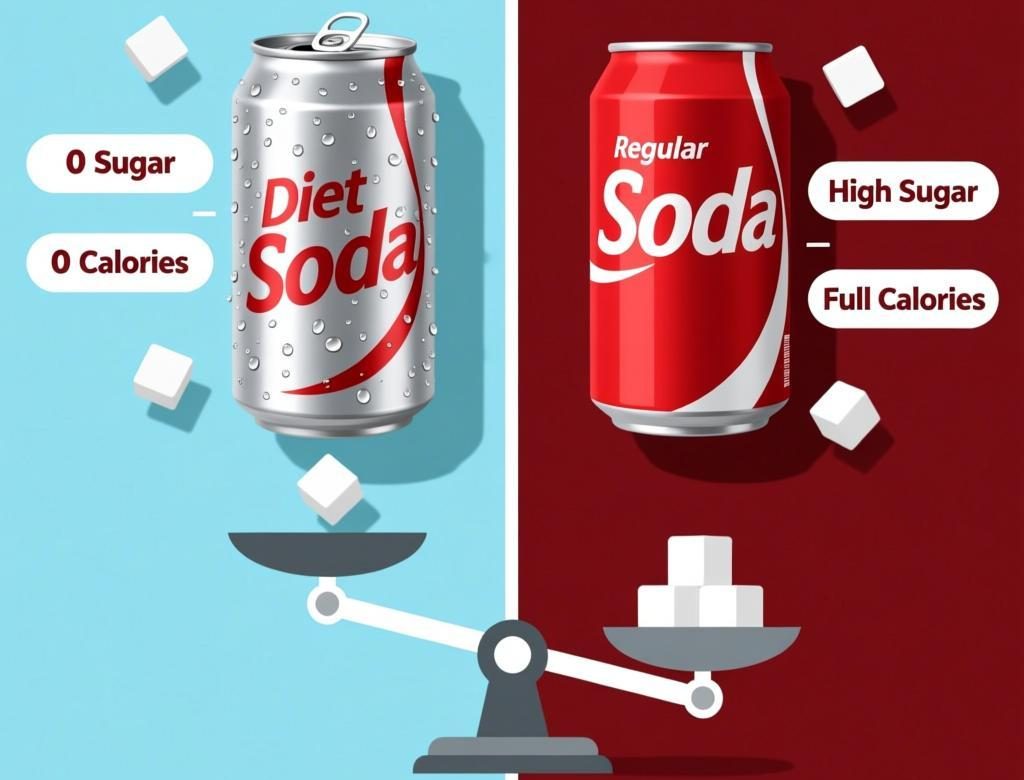
The foundation of diabetes-friendly eating is keeping blood sugar from spiking and crashing. Focus on fiber-rich vegetables, lean proteins, healthy fats, and slow-digesting carbohydrates. Skipping refined carbs and sugary drinks makes a noticeable difference.
Some simple swaps can help: this article on breakfast shows how changing your morning meal can lower both weight and blood sugar. If you have a sweet tooth, you do not have to give up desserts entirely—here are desserts that people with diabetes can actually enjoy.
Move Your Body Regularly
Exercise makes your muscles more sensitive to insulin—basically doing the same job metformin does, naturally. You do not need to run marathons. Walking after meals, cycling, swimming, or even dancing in your living room all count. Aim for about 150 minutes of moderate activity per week, spread across most days.
Manage Your Weight
Even losing 5–10% of your body weight can improve blood sugar control significantly. If weight loss feels overwhelming, start small. Learning about calorie deficit basics, adding more fiber to your plate, and building sustainable habits matter far more than crash diets.
Why Blood Sugar Control Matters So Much
High blood sugar quietly damages blood vessels and nerves over time. Left unmanaged, it raises the risk of heart disease, kidney problems, vision loss, and nerve damage.
There is also a connection many people do not know about: diabetes significantly increases the risk of erectile dysfunction in men, because high glucose harms the small blood vessels and nerves involved in erections. You can read more about diabetes-related erectile dysfunction and how glycemic control and A1C levels relate to sexual health.
This is why doctors are so committed to getting blood sugar under control early—and why metformin remains the trusted first step.
Everyday Habits That Support Your Medication
- Check your blood sugar as directed. Knowing your numbers helps you and your doctor fine-tune treatment.
- Build smart bedtime habits. Sleep affects insulin sensitivity; here are bedtime habits that help keep glucose steady overnight.
- Learn to spot low blood sugar. Feeling shaky and dizzy can signal hypoglycemia—know the warning signs of low blood sugar and how to respond quickly.
- Tame blood sugar spikes. Simple tricks like eating vegetables first, walking after meals, and pairing carbs with protein can blunt glucose spikes—these simple strategies are easy to apply daily.
- Eating well matters more than you think. Food choices really do drive outcomes; read why food choices matter for diabetes management.
When Metformin Is Not Enough: Other Options
Some people need more than metformin over time. Depending on your health profile, your doctor may add or switch to other medications, including newer drugs like GLP-1 receptor agonists (such as semaglutide), SGLT2 inhibitors, or insulin.
Some of these newer medications also support weight loss and heart health. If weight is part of your diabetes picture, these resources on prescription weight management options and medication plus lifestyle changes explain how the combination approach works.
Your treatment plan should be personal. Factors like your kidney function, heart health, weight goals, budget, and how your body responds all influence what your doctor recommends.
Understanding Prediabetes: Your Chance to Act Early
If your blood sugar is elevated but not yet in the diabetes range, you may have prediabetes. This is actually good news in disguise—prediabetes is often reversible with diet, exercise, and weight management.
Metformin is sometimes prescribed for prediabetes too, especially for higher-risk individuals. Learn exactly what to eat and what to skip in this guide on prediabetes, plus how certain fruits can actually support healthy blood sugar.
Diabetes Affects Whole-Body Health
Managing diabetes is not just about one number on a lab report. Elevated blood sugar affects your heart, kidneys, nerves, and even your energy and mood. Many people with diabetes also deal with high blood pressure and high cholesterol, so a comprehensive approach matters.
Regular check-ups, monitoring your A1C, and caring for your overall wellness all play a role. For a complete beginner-friendly overview, start with this article on why diabetes happens and how to manage it.
And if your blood sugar is already in a decent range, keep it that way with these simple tricks that fit easily into everyday life.
Frequently Asked Questions (FAQs)
1. Is metformin safe for long-term use?
Yes, for most people. Metformin has been used for over 60 years and has a strong safety record. Your doctor will check your kidney function periodically, since metformin is cleared through the kidneys and is not suitable for people with severely reduced kidney function.
2. Will metformin make me lose weight?
Some people do lose a modest amount of weight, and most do not gain weight on it—one reason doctors favor it over older drugs like certain sulfonylureas. However, metformin is not a weight-loss drug; combining it with healthy eating and activity is what drives real results.
3. What if metformin upsets my stomach?
Take it with food, start at a low dose, and ask about the extended-release formulation. Most digestive side effects fade within a few weeks. If they persist, your doctor can adjust your plan.
4. Can I stop metformin if my blood sugar improves?
Never stop without talking to your doctor first. Improved blood sugar may reflect the medication working, not that diabetes has disappeared. Some people who lose significant weight and improve their lifestyle can reduce or discontinue medication under medical supervision.
5. Does metformin cause low blood sugar?
Not usually when taken alone. Unlike insulin or sulfonylureas, metformin rarely causes hypoglycemia on its own. Risk increases if you combine it with other glucose-lowering drugs, skip meals, or exercise intensely.
6. Are there natural alternatives to metformin?
Some supplements, like berberine, have shown blood-sugar-lowering effects in studies, and certain foods support glucose control. But nothing replaces proven medical treatment. Always talk to your doctor before adding supplements, and focus first on the fundamentals: diet, exercise, sleep, and stress management.
7. Can diabetes affect my sex life?
Yes, it can. Poorly controlled blood sugar damages nerves and blood vessels, which can contribute to erectile dysfunction and reduced libido. The good news: better glycemic control often improves sexual health. Managing diabetes well is an investment in your whole body—including your intimate life.
8. How quickly does metformin lower blood sugar?
You may see some improvement within days, but the full effect usually takes several weeks as your dose is adjusted. Your A1C (a three-month average of blood sugar) will show the bigger picture at your follow-up visits.
Final Thoughts
Metformin remains the first drug doctors trust most for managing type 2 diabetes because it is effective, safe, affordable, and backed by decades of evidence. But the real magic happens when medication and lifestyle work together.
Eat well, move daily, sleep enough, manage stress, and stay on top of your check-ups. Diabetes is a condition you can live well with—especially when you and your healthcare team build a plan that fits your real life.
Always consult your doctor or a registered dietitian before making changes to your medication, diet, or exercise routine. This article is for educational purposes and does not replace personalized medical advice.