What Actually Happens When You Eat Something Sweet?
Let’s paint a picture. You bite into a donut, and within minutes, the sugar from that donut rushes into your bloodstream like cars merging onto a highway. Your body, being the smart machine it is, notices the traffic building up and sends in a helper called insulin.
Insulin’s job is basically to knock on the doors of your cells and say, “Hey, there’s fuel here — come and get it!” Some of that sugar gets burned for energy right away, some gets stored in your muscles and liver for later, and whatever’s left over can end up stored as fat.
When everything is working smoothly, this whole dance happens quietly in the background, and you barely notice a thing. Your blood sugar goes up gently after eating, insulin does its job, and your levels come back down to a nice, steady range within a couple of hours.
That’s what we mean when we talk about “balance” — not some complicated science experiment, just your body doing its thing without drama.
Why the Sugar Rollercoaster Makes You Feel So Awful
You know that feeling when you eat a big bowl of sugary cereal at 8 a.m. and by 9:30 you’re ready to face-plant into your keyboard? That’s the sugar rollercoaster in action.
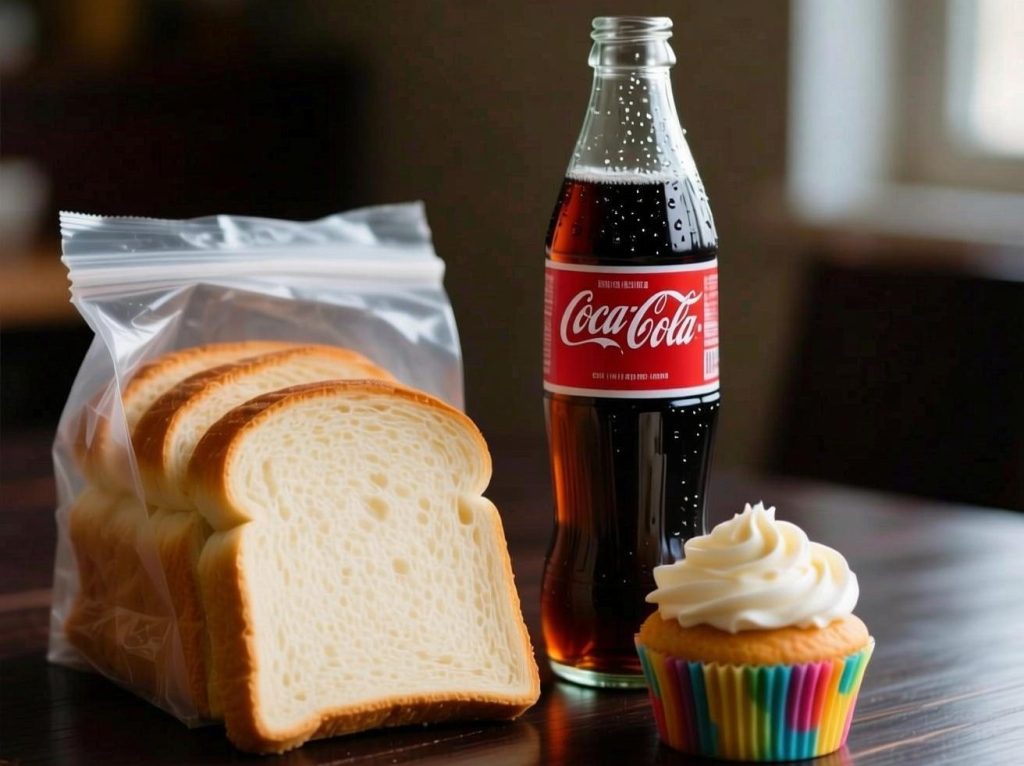
When you eat something super sugary or refined — think white bread, soda, candy, pastries — your blood sugar spikes fast and high. Your body panics a little and releases a big wave of insulin to deal with it. But sometimes it releases too much, and your blood sugar crashes below where it started.
That crash is what triggers the shakiness, irritability, brain fog, and the desperate craving for another sugary snack. And here’s the catch: that second snack starts the whole cycle all over again.
You spend the entire day bouncing between “wired” and “exhausted,” and your energy, mood, and focus pay the price. Breaking that cycle is what keeping your blood sugar in balance is really all about.
Signs Your Blood Sugar Might Be Out of Whack
Your body is pretty good at sending you little warning signals — you just have to know what to look for. None of these signs on their own means something is definitely wrong, but if a few of them sound familiar, your daily sugar habits are probably worth a second look:
- You get shaky, cranky, or “hangry” between meals
- You feel exhausted an hour or two after eating, especially after carb-heavy meals
- You crave sweets or caffeine regularly, especially in the afternoon
- You find it really hard to pass up dessert, even after a full meal
- You get hits of brain fog where thinking clearly feels like wading through mud
- You’ve noticed extra weight settling around your belly
- You feel thirsty all the time or need to pee more often than usual
Easy Food Swaps That Smooth Out the Ride
Good news: you don’t need a strict diet or a chemistry degree to keep your blood sugar steadier. Small tweaks to how you eat can make a surprising difference, often within days. The trick is to slow down how quickly sugar hits your bloodstream — because a gentle rise is easy for your body to handle, while a sharp spike is what causes all the trouble.
Start with pairing. Eating naked carbs — say, a plain bagel or a glass of orange juice on an empty stomach — is like pouring gas on a fire. But pair those same carbs with protein, fat, or fiber, and everything slows down. Have your toast with eggs, your fruit with a handful of nuts, your pasta with chicken and veggies. Same food, much gentler ride.
Fiber is your secret weapon here. Foods rich in fiber — vegetables, beans, whole grains, berries, nuts — act like a speed bump for sugar absorption. Swapping white rice for brown, white bread for whole grain, and sugary cereals for oats are classic moves that work because they give your body more time to process the sugar instead of drowning in it all at once.
And don’t skip meals. It sounds counterintuitive, but running on empty all day and then eating a huge dinner often leads to bigger swings than eating regular, balanced meals. Grazing sensibly — breakfast, lunch, dinner, maybe a smart snack — keeps the highway traffic moving smoothly instead of turning it into rush hour gridlock.
A Simple Day of Balanced Eating
Want a concrete example of what a blood-sugar-friendly day looks like? Here’s a simple template. You don’t need to follow it exactly — just notice the pattern: every meal pairs carbs with protein, fat, or fiber, and nothing is overly sweet or refined.
| Meal | Example | Why It Works |
|---|---|---|
| Breakfast | Oatmeal with nuts, cinnamon, and berries | Fiber and protein slow down sugar absorption |
| Morning snack | Greek yogurt or a boiled egg | Protein keeps cravings away until lunch |
| Lunch | Grilled chicken salad with olive oil and quinoa | Veggies, protein, and healthy fats team up |
| Afternoon snack | Apple slices with peanut butter | Fat and fiber soften the fruit’s natural sugar |
| Dinner | Salmon, roasted sweet potato, and green beans | Balanced plate with no sugar spike at night |
| Optional treat | A couple of squares of dark chocolate after dinner | Satisfies the sweet tooth without a rollercoaster |
Move Your Body — Even a Little Goes a Long Way
Here’s a fun fact: your muscles are like sponges for sugar. When you move, they soak up glucose from your bloodstream for fuel — sometimes even without needing much insulin at all.
That means a simple walk after meals is genuinely one of the most underrated tricks for keeping blood sugar steady. Ten to fifteen minutes of strolling after lunch or dinner can noticeably flatten the spike that would otherwise follow.
You don’t need to become a gym rat. Consistency beats intensity here. A daily walk, taking the stairs, gardening, dancing in your kitchen while dinner cooks — it all counts. If you can add some strength training a couple of times a week, even better, because more muscle means more places for sugar to go instead of hanging around in your blood.

Don’t Sleep on… Well, Sleep (and Stress)
This one surprises people. You can eat perfectly all day, but if you’re chronically sleep-deprived, your blood sugar can still be a mess. Even a few nights of poor sleep can make your body less responsive to insulin and crank up cravings for junk food the next day. It’s like your hormones throw a party and forget to invite the responsible ones.
Stress works in a similar sneaky way. When you’re stressed, your body releases cortisol, which tells your liver to dump extra sugar into your blood — leftover fight-or-flight wiring from ancient times.
The problem is your boss or traffic jam doesn’t require sprinting away, so that sugar just sits there. Finding whatever helps you unwind — walking, deep breathing, laughing with friends, cutting back on late-night scrolling — quietly helps your blood sugar too.
Common Mistakes That Backfire
Even people with the best intentions trip up on a few classic traps. One big one: swapping regular soda for juice. Fruit juice might sound healthy, but a big glass can contain as much sugar as a cola, with most of the fiber stripped away. Eating the whole fruit instead gives you the same sweetness packaged with fiber that slows everything down.
Another trap is going completely carb-free overnight. Extreme approaches usually backfire — they’re hard to sustain, they can leave you drained and grumpy, and the rebound often leads right back to old habits. Balance, not perfection, is the goal.
And watch out for “sneaky” sugars hiding in foods marketed as healthy: flavored yogurts, granola bars, bottled smoothies, and sauces like ketchup can carry surprising amounts. Reading labels for a week is honestly an eye-opening exercise — once you see it, you can’t unsee it.
Frequently Asked Questions
How long does it take to improve blood sugar balance?
Faster than most people expect. If you start pairing carbs with protein, walking after meals, and cutting back on sugary drinks, many people notice steadier energy and fewer cravings within one to two weeks.
Deeper changes in how your body responds to insulin build over weeks to months of consistent habits — but the day-to-day payoff comes quickly, and that’s what keeps you motivated.
Do I have to give up sugar completely?
Nope, and honestly, trying to usually backfires. The goal is balance, not banishment. Having dessert now and then — ideally after a balanced meal rather than on an empty stomach — is a totally reasonable part of life. What matters most is your everyday pattern, not the occasional birthday cake. Think of it like budgeting: a fun splurge is fine when your everyday spending is sensible.
Are natural sugars like honey and maple syrup better for blood sugar?
Not really, no. Your body processes honey, maple syrup, agave, and white sugar in very similar ways — they all cause a fairly quick rise in blood sugar. While honey and maple syrup contain trace nutrients, the amounts are too small to matter much. If you enjoy them, use them the same way you’d use regular sugar: moderately, and ideally alongside foods that slow things down.
Can drinking water really help with blood sugar?
Yes, in a few helpful ways. Staying hydrated helps your kidneys flush out excess sugar through urine, and even mild dehydration can make blood sugar readings creep upward. Water is also the perfect swap for sugary drinks — one of the single biggest sugar-cutting moves most people can make. If plain water bores you, try sparkling water with a squeeze of lemon or lime.
When should I actually talk to a doctor?
If you’re experiencing frequent extreme symptoms — constant thirst, lots of bathroom trips, unexplained weight loss, blurry vision, or numbness in your hands or feet — don’t just tweak your diet; book an appointment.
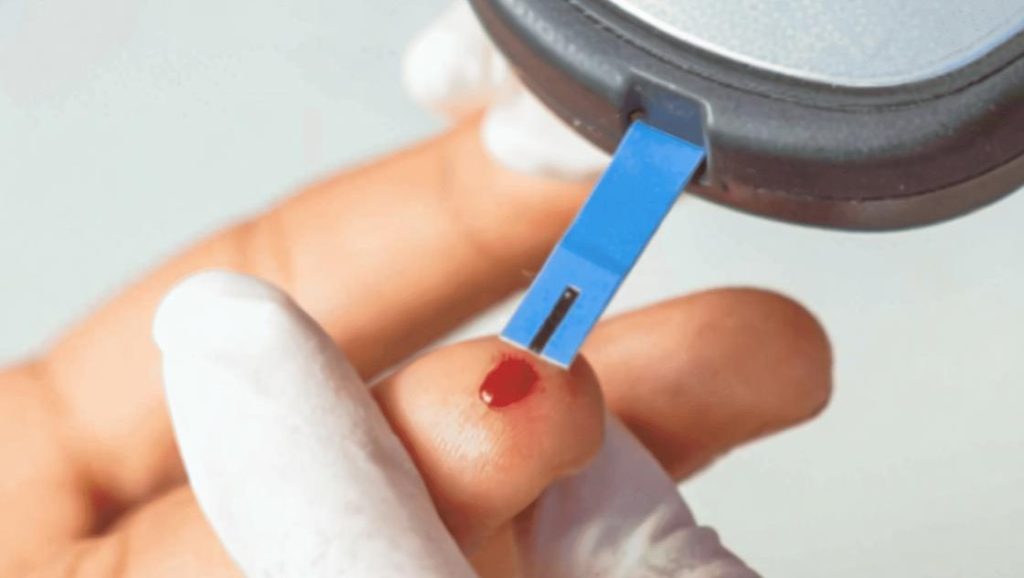
These can be signs of blood sugar levels that need medical attention. A simple blood test can tell you exactly where you stand, and catching things early makes everything easier. And of course, if you have a condition like diabetes, work with your healthcare team before making big changes.
At the end of the day, keeping your blood sugar in balance isn’t about willpower or perfection — it’s about working with your body instead of against it. Pair your carbs, move a little after meals, sleep enough, manage stress, and stay hydrated. Do that most days, and your energy, mood, and long-term health will quietly thank you.