Let’s be honest—snacking usually gets blamed for busted diets. But here’s the twist: the right snack can actually be your secret weapon for dropping pounds. When that snack is packed with protein, it keeps hunger quiet, protects your muscle while you’re losing fat, and stops you from raiding the vending machine at 3 p.m.
Dietitians consistently point to protein-rich options like Greek yogurt as their top pick for weight loss precisely because they keep you fuller between meals. So grab a fork (or a spoon), and let’s dig into snacks that taste great and work with your goals—not against them.
Why Protein Snacks Actually Work for Weight Loss?
Protein isn’t magic, but it’s close. Here’s the simple version: when you eat protein, your body uses more energy to digest it than it does for carbs or fat—something researchers call the thermic effect of food. Protein also slows down digestion, so your stomach doesn’t send those “feed me now!” signals an hour after you eat.
The research backs this up in a big way. In one study, participants on a lower-protein diet (10% of calories) ended up eating 12% more energy over just four days—and a whopping 70% of that extra intake came from snacking.
When protein was bumped up to 15%, that runaway snacking dropped dramatically. Translation: if you find yourself grazing all afternoon, a protein deficit might be the real culprit.
There’s another layer too. When you’re in a calorie deficit, your body sometimes breaks down muscle for fuel. Higher protein intake helps preserve that muscle, which keeps your metabolism humming and makes sure the weight you lose is actually fat, not hard-earned muscle.
How Much Protein Do You Really Need?
Most experts suggest that people aiming to lose weight target somewhere between 1.2 and 2.0 grams of protein per kilogram of body weight each day. For a 150-pound (68 kg) person, that’s roughly 82–136 grams spread across the day. And here’s where snacks shine: they’re the easiest way to hit that number without stuffing yourself at three big meals.
A solid protein snack should deliver somewhere in the range of 10–20 grams. Less than that, and you’ll be hungry again before your next meal. More than that, and you’re basically eating a second lunch.
10 Yummy Protein Snacks Worth Grabbing
Here’s a quick rundown of snacks that hit the sweet spot of taste, protein, and calorie-friendliness. The “protein efficiency” column tells you how much protein you get per 100 calories—the higher, the better for weight loss.
| Snack | Protein | Approx. Calories | Why It Works |
|---|---|---|---|
| Plain nonfat Greek yogurt (6 oz) | 17–18 g | 100 | Dietitians’ #1 pick—creamy, filling, super versatile |
| Hard-boiled eggs (2) | 12 g | 140 | Portable, cheap, and packed with choline |
| Beef or turkey jerky (1 oz) | 9–11 g | 80–100 | Chewy, savory, travels well—watch the sodium |
| Cottage cheese (½ cup) + berries | 14 g | 120 | Slow-digesting casein keeps you full for hours |
| Roasted edamame (¼ cup) | 13 g | 130 | Crunchy, plant-based, high in fiber too |
| Turkey roll-ups (3 slices + cheese) | 15 g | 150 | Satisfies savory cravings without the bread |
| Roasted chickpeas (⅓ cup) | 6 g | 120 | Crunchy swap for chips, with fiber bonus |
| String cheese + apple slices | 7 g | 160 | Sweet-salty combo with protein and fiber |
| Tuna pouch (1) with whole-grain crackers | 17 g | 180 | Lean protein plus omega-3s |
| Protein smoothie (whey + banana + milk) | 25 g | 220 | Great post-workout or as a mini-meal |
Easy Homemade Protein Snack Ideas
If you like a little prep on Sundays, these DIY options save money and let you control every ingredient:
- Overnight protein oats: Mix oats, milk, a scoop of protein powder, and chia seeds. Refrigerate overnight and top with berries.
- Egg muffin cups: Whisk eggs with spinach, peppers, and a sprinkle of feta, then bake. Each mini muffin packs 8–12 grams of protein.
- No-bake peanut butter protein balls: Oats, protein powder, natural peanut butter, and a touch of honey. Roll, chill, done.
- Tuna salad lettuce cups: Swap mayo-heavy versions for Greek yogurt and scoop into crisp lettuce leaves.
- Spiced roasted chickpeas: Toss canned chickpeas with olive oil, smoked paprika, and garlic powder; roast at 400°F for 25 minutes.
- Cottage cheese dip: Blend cottage cheese with herbs and use it with cucumber slices or carrot sticks.
How to Read the Label Like a Pro?
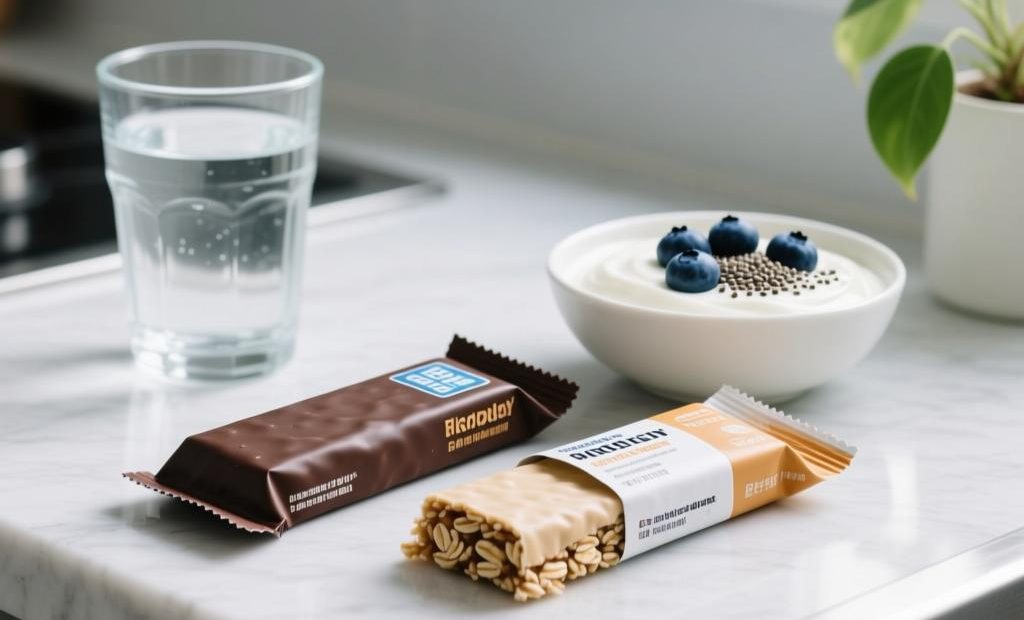
Not every “protein” snack earns the label. The aisle is full of bars and bites dressed up in health halo packaging that hide more sugar than a candy bar. Here’s the quick checklist registered dietitians actually use:
- Protein first: Aim for at least 10 grams per serving. If the bar has 5 grams and 15 grams of sugar, it’s a dessert with good marketing.
- Watch added sugar: Keep it under 6–8 grams per serving. Ingredients like “cane syrup,” “brown rice syrup,” and “evaporated cane juice” are all just sugar in disguise.
- Check the calorie-per-protein ratio: A great snack gives you roughly 10 grams of protein per 150 calories or better.
- Look for fiber, too: Protein plus fiber is the ultimate fullness combo—fiber slows digestion even further.
- Shorter ingredient lists win: If you can’t pronounce half of it, your body probably doesn’t want it either.
When Should You Snack?
Timing matters more than most people realize. The sweet spots are usually mid-morning (between breakfast and lunch) and the late-afternoon window between 3 and 5 p.m.—when willpower dips and vending machines start calling your name. A protein snack here prevents the ravenous, eat-everything-in-sight dinner that undoes your whole day.
Post-workout is another smart window. Within an hour or so after exercise, protein helps repair muscle tissue and keeps recovery on track. If you’re not hungry for a full meal, a Greek yogurt or a protein shake covers you nicely.
One caveat: snacking isn’t required. If you’re practicing intermittent fasting or you simply aren’t hungry between meals, forcing a snack adds unnecessary calories. Listen to your body rather than the clock.
Common Protein Snack Mistakes to Sidestep
Even with the best intentions, a few traps catch almost everyone:
- Treating “healthy” snacks as unlimited: Nuts, granola, and trail mix are nutritious, but 400 calories of almonds is still 400 calories. Portion them out instead of eating from the bag.
- Choosing flavored yogurts: Some fruit-on-the-bottom varieties contain 20+ grams of sugar. Buy plain and add your own fruit and a drizzle of honey.
- Over-relying on protein bars: They’re convenient, but many are calorie-dense and barely more filling than a cookie. Save them for travel days.
- Ignoring liquid calories: Smoothies can sneak past 400 calories fast. Build them around protein powder and unsweetened milk rather than juice.
- Forgetting the big picture: A snack can’t out-run an unbalanced diet. Think of protein snacks as one tool in the kit, not the whole toolbox.
Frequently Asked Questions
1. Can protein snacks really help me lose weight, or is that hype?
They genuinely help—but as a support, not a shortcut. Research shows higher-protein eating patterns reduce overall calorie intake by curbing hunger and preserving muscle during fat loss. Snacks fill the gaps so you don’t arrive at meals starving.
2. What’s the single best protein snack for weight loss?
Dietitians repeatedly land on plain, nonfat Greek yogurt. A 6-ounce container delivers around 18 grams of protein for about 100 calories, and you can dress it up with berries, nuts, or cinnamon. It’s cheap, versatile, and hard to beat.
3. How much protein should a snack have?
Aim for 10–20 grams per snack. Below 10 grams, you’re likely to get hungry again quickly; above 20–25 grams, your body can’t use much more of it in one sitting, and you’re just adding calories.
4. Are protein bars a good choice?
Some are, many aren’t. Flip the package and check two numbers: protein (10+ grams is good) and added sugar (under 6–8 grams is better). Bars with long ingredient lists full of syrups and sugar alcohols are often glorified candy.
5. Can I snack on protein foods at night without gaining weight?
Yes—total daily calories matter more than the clock. A small, slow-digesting option like cottage cheese or a hard-boiled egg in the evening can even help with overnight fullness and muscle recovery. Just keep the portion modest so you’re not adding a fourth meal.
The Bottom Line
Protein snacks earn their reputation when they do three things: taste good, keep you full, and fit into your calorie target without sugar bombs hiding inside.
Whether you reach for a container of Greek yogurt, roll up some turkey slices, or batch-prep egg muffins on Sunday, the goal is the same—steady energy, fewer cravings, and a body that’s burning fat instead of muscle.
Pick two or three snacks from the list above that genuinely sound tasty to you, keep them within arm’s reach, and let the small wins stack up week after week.