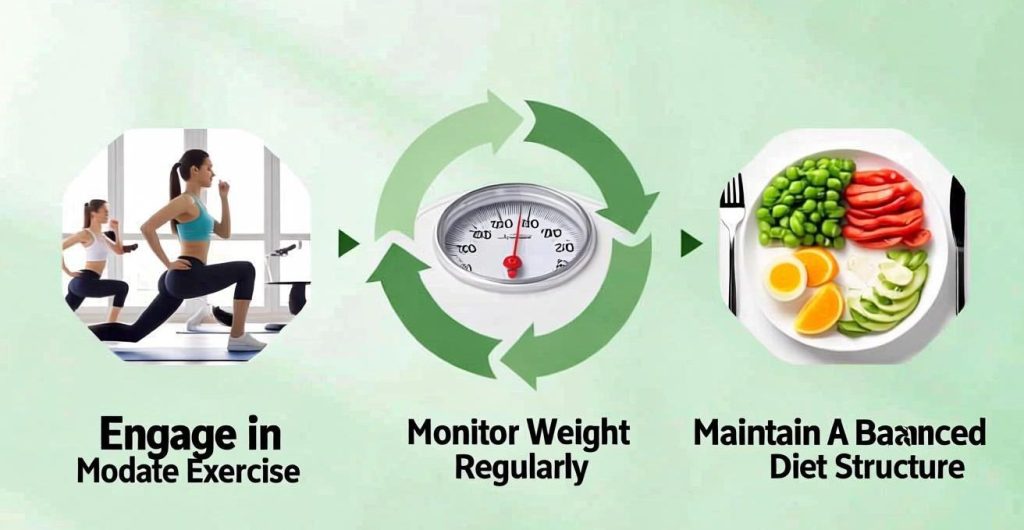

Midlife, particularly the perimenopausal and postmenopausal years for women, and the analogous androgen decline in men, isn’t simply about a cessation of reproductive function.
It’s a profound systemic shift driven by hormonal fluctuations. Estrogen, progesterone, and testosterone begin to decline. This decline isn’t linear; it’s often characterized by erratic surges and dips, especially in perimenopause, contributing to the frustrating experience of weight gain, particularly around the abdomen.
From a purely metabolic standpoint, declining estrogen impacts insulin sensitivity. Cells become less responsive to insulin, meaning more insulin is required to shuttle glucose from the bloodstream into cells for energy. This can lead to insulin resistance, a precursor to type 2 diabetes.
For men experiencing age-related testosterone decline, the effects are similar, though often less dramatic and occurring later in life. Reduced muscle mass (sarcopenia) is a key consequence, further decreasing metabolic rate. Lower testosterone can also contribute to increased fat storage, particularly in the abdominal region, and increase the risk of metabolic syndrome.
The Patient’s Perspective
As a physician, I frequently encounter patients feeling dismissed or unheard when they discuss midlife weight gain. They’re often told to “eat less and exercise more,” advice that, while not wrong, is often profoundly unhelpful and ignores the underlying physiological changes.
For many, it feels like they are trying harder than ever, yet still gaining weight. This can lead to frustration, low self-esteem, and even depression.
The impact extends beyond physical health. Many patients describe a loss of identity as their bodies change. They may feel less energetic, less confident, and less desirable.
The societal pressure to maintain a youthful appearance only exacerbates these feelings. It’s crucial to acknowledge the emotional toll these changes take and to approach weight management with empathy and understanding. It’s not just about the weight; it’s about restoring a sense of control, vitality, and wellbeing.
Many patients also express confusion about conflicting information. Diet fads come and go, each promising a quick fix. The constant barrage of contradictory advice can be overwhelming and discouraging. Patients need clear, evidence-based guidance tailored to their individual needs and circumstances.
The Nutritional Scientist’s View
From a nutritional science perspective, midlife weight management requires a shift in diet, not simply a restriction of calories. Focusing solely on calorie counting ignores the importance of macronutrient composition and micronutrient density.
A diet rich in protein is crucial to preserve muscle mass, boost satiety, and support metabolic function. Aiming for 1.2-1.5 grams of protein per kilogram of body weight is a reasonable starting point.
Complex carbohydrates, such as whole grains, fruits, and vegetables, should form the foundation of the diet. These provide sustained energy, fiber for gut health, and essential vitamins and minerals.
Simple carbohydrates and processed foods should be limited, as they contribute to insulin spikes and inflammation. Healthy fats, including omega-3 fatty acids, are also vital for hormone production, brain health, and reducing inflammation. Think avocados, nuts, seeds, and oily fish.
Gut health plays a surprisingly significant role. The gut microbiome influences nutrient absorption, inflammation, and even hormone regulation. A diet rich in fiber and fermented foods (yogurt, kefir, sauerkraut) can promote a healthy gut microbiome. Addressing any underlying gut issues, such as leaky gut syndrome, may also be beneficial.
Timing of meals can also be important. Intermittent fasting, when implemented correctly and under medical supervision, can improve insulin sensitivity and promote weight loss. However, it’s not suitable for everyone, and it’s crucial to listen to your body’s signals.
Moving with Intention
Exercise is a cornerstone of midlife wellbeing, but the type of exercise matters. Cardiovascular exercise is important for heart health and burning calories, but it’s not enough.
Resistance training is absolutely essential for preserving and building muscle mass, which is crucial for maintaining metabolic rate and improving insulin sensitivity. Aim for at least two to three resistance training sessions per week, targeting all major muscle groups.
High-Intensity Interval Training (HIIT) can be particularly effective, as it boosts metabolism and improves cardiovascular fitness in a short amount of time.
However, it’s important to start slowly and gradually increase intensity. Low-impact activities, such as walking, swimming, or yoga, are also beneficial, particularly for those with joint pain or other limitations.
Beyond structured exercise, incorporating more movement into daily life is crucial. Taking the stairs instead of the elevator, walking during lunch breaks, and engaging in active hobbies can all contribute to increased calorie expenditure and improved health. The key is to find activities that you enjoy and can sustain long-term.
It’s also important to acknowledge that exercise can be affected by hormonal changes. Fatigue, joint pain, and decreased motivation are common symptoms. Listening to your body, modifying workouts as needed, and prioritizing recovery are essential.
Medical Intervention and the Timing of Consideration
While lifestyle modifications form the bedrock of managing midlife metabolic shift, there are instances where medical intervention becomes necessary or beneficial. Determining the right timing is crucial – proactive assessment is preferable to reactive treatment. This isn’t about immediately jumping to medication; it’s about identifying individuals who may benefit from targeted support.
When to Seek Medical Guidance
A comprehensive assessment should ideally occur before significant metabolic changes manifest, ideally in the late 30s/early 40s for women and 40s/early 50s for men. This baseline evaluation should include:
- Hormonal Panel: For women, assessing FSH, estradiol, progesterone, and potentially testosterone. For men, total and free testosterone, SHBG, and estradiol. These provide a snapshot of hormonal status.
- Metabolic Panel: Includes fasting glucose, HbA1c (a measure of long-term blood sugar control), lipid profile (cholesterol, triglycerides), and thyroid function tests.
- Body Composition Analysis: DEXA scan or bioelectrical impedance analysis (BIA) to assess muscle mass, fat mass, and visceral fat.
- Cardiovascular Risk Assessment: Blood pressure, family history of heart disease, and assessment of other risk factors.
Repeat assessments every 1-2 years allow for tracking changes and early intervention.
Pharmacological Options: Tailoring Treatment
Pharmacological interventions should be considered adjuncts to lifestyle changes, not replacements. The decision to prescribe medication should be individualized, based on the patient’s specific needs and risks.
- Hormone Therapy (HT): For women experiencing moderate to severe menopausal symptoms and who are suitable candidates (based on risk assessment), HT can help alleviate symptoms and potentially improve metabolic parameters. However, HT isn’t without risks, and a thorough discussion of benefits and risks is essential. Bioidentical hormone therapy is a complex area and should be approached with caution, guided by a knowledgeable physician.
- Metformin: Originally a diabetes medication, metformin can improve insulin sensitivity and may aid in weight management, particularly in individuals with insulin resistance or prediabetes. It’s often used off-label for this purpose, and careful monitoring for side effects (gastrointestinal issues) is necessary.
- GLP-1 Receptor Agonists: These medications (e.g., semaglutide, liraglutide) were initially developed for type 2 diabetes but are now widely used for weight loss. They work by increasing insulin release, suppressing appetite, and slowing gastric emptying. They are powerful tools, but carry potential side effects and are generally reserved for individuals with a BMI of 30 or higher, or a BMI of 27 with co-morbidities.
- Testosterone Replacement Therapy (TRT): For men with documented low testosterone levels and associated symptoms (fatigue, decreased libido, muscle loss), TRT may improve muscle mass, energy levels, and metabolic function. Careful monitoring is crucial to assess for potential side effects (prostate enlargement, increased red blood cell count) and to ensure appropriate testosterone levels.
- Thyroid Hormone Replacement: If hypothyroidism is diagnosed (even subclinical), thyroid hormone replacement can restore metabolic function and aid in weight management.
Surgical Options
Bariatric surgery (weight loss surgery) is generally reserved for individuals with severe obesity (BMI of 40 or higher, or 35 with significant co-morbidities) who have failed to achieve adequate weight loss through lifestyle modifications and pharmacological interventions. It’s a major undertaking with significant risks and requires careful patient selection and long-term follow-up.
While conventional medicine plays a vital role, an integrative approach can address the root causes of metabolic dysfunction and support overall wellbeing. This may include exploring complementary therapies, such as acupuncture, herbal medicine, and nutritional supplements.
Certain supplements may be beneficial for supporting hormonal balance and improving metabolic function. Magnesium, vitamin D, and omega-3 fatty acids are often deficient in midlife individuals. Specific herbs, such as black cohosh and dong quai, may help alleviate menopausal symptoms, but their use should be guided by a qualified healthcare professional.
Sleep is another critical factor often overlooked. Poor sleep disrupts hormone regulation, increases stress, and impairs cognitive function. Prioritizing sleep hygiene, such as maintaining a regular sleep schedule, creating a relaxing bedtime routine, and optimizing the sleep environment, is essential.
Mind-body practices, such as yoga, tai chi, and meditation, can reduce stress, improve sleep, and enhance overall wellbeing. These practices promote a sense of calm and connection, helping patients navigate the challenges of midlife with greater ease.
Misconceptions About Weight Gain During Menopause
Menopause is often unfairly blamed as the sole cause of weight gain, leading to frustration and ineffective strategies. While hormonal changes do play a role, several misconceptions contribute to a misunderstanding of the process and hinder successful management. Debunking these myths is vital for empowering women to take control of their health.
Myth 1: Menopause Automatically Causes Significant Weight Gain
This is perhaps the most pervasive misconception. While the average woman may gain 5-15 pounds during and after menopause, it’s not an inevitable or dramatic shift for everyone. The perceived weight gain is often a combination of factors, including age-related muscle loss, decreased metabolism, and lifestyle changes, rather than menopause itself. Some women experience minimal weight gain, while others experience more significant changes. Attributing it solely to menopause absolves individuals of personal responsibility for lifestyle choices.
Myth 2: A Slowing Metabolism is Unavoidable and Irreversible
Metabolism does naturally decline with age, partly due to muscle mass loss (sarcopenia). However, this decline isn’t a steep drop-off. Muscle tissue is metabolically active, meaning it burns calories even at rest. Building and maintaining muscle mass through strength training can significantly counteract this age-related decline. Lifestyle factors, like consistent physical activity and adequate protein intake, also play a crucial role in maintaining a healthy metabolism.
Myth 3: Hormone Replacement Therapy (HRT) is a Magic Bullet for Weight Loss
HRT can alleviate many menopausal symptoms, and may have a modest impact on body composition by preserving muscle mass and potentially reducing abdominal fat. However, it’s not a weight loss solution. HRT doesn’t automatically melt away pounds. It’s most effective when combined with healthy lifestyle habits. Furthermore, HRT carries its own risks, and its use should be carefully considered and individualized.
Myth 4: Weight Gain is Just Part of Getting Older and Nothing Can Be Done
This defeatist attitude is damaging. While physiological changes occur with age, maintaining a healthy weight and body composition is possible at any age. It requires consistent effort, but it’s not impossible. Focusing on what can be controlled – diet, exercise, sleep, stress management – is far more productive than accepting weight gain as inevitable.
Myth 5: All Calories Are Created Equal
This is a common misconception, especially concerning menopause. While calorie balance is essential for weight management, the source of those calories matters. A diet rich in processed foods, sugary drinks, and unhealthy fats will have a different impact on metabolism and body composition than a diet rich in whole foods, lean protein, and healthy fats. Nutrient density is key – prioritizing foods that provide maximum nutritional value with fewer calories.
Myth 6: Cardio is the Best (and Only) Exercise for Weight Loss
Cardiovascular exercise is beneficial for overall health, but it’s not the complete solution. Strength training is crucial for preserving and building muscle mass, which boosts metabolism and helps prevent age-related muscle loss. A combination of both cardio and strength training is the most effective approach for weight management and overall fitness.
Myth 7: Stress and Lack of Sleep Don’t Significantly Impact Weight
Chronic stress and insufficient sleep can wreak havoc on hormones that regulate appetite and metabolism. Cortisol, the stress hormone, can promote fat storage, particularly in the abdominal area. Lack of sleep disrupts ghrelin and leptin, hormones that regulate hunger and satiety, leading to increased cravings and overeating. Prioritizing stress management techniques (yoga, meditation, mindfulness) and getting adequate sleep are essential for maintaining a healthy weight.
Ultimately, understanding the complex interplay of hormonal changes, lifestyle factors, and individual metabolism is key to navigating weight management during and after menopause. Addressing these misconceptions empowers women to make informed choices and proactively prioritize their health and wellbeing.
A Personalized Plan
There is no one-size-fits-all solution to midlife metabolic shift. A successful approach requires a personalized plan that addresses each individual’s unique needs, circumstances, and goals. This plan should encompass all the elements discussed above: a balanced diet, regular exercise, emotional support, and integrative therapies.
As a physician, my role is to partner with my patients, providing guidance, support, and accountability. We work together to identify their challenges, set realistic goals, and develop a plan that fits their lifestyle. Regular monitoring and adjustments are essential to ensure continued progress.
Ultimately, the goal isn’t just to lose weight, but to regain control of your health and wellbeing. It’s about embracing this new chapter of life with vitality, confidence, and joy. It’s about understanding that midlife isn’t a decline, but a transformation—an opportunity to prioritize self-care and live your best life.