The quest for effortless weight loss is a perennial human endeavor. Diet fads come and go, exercise programs are abandoned, and increasingly, people seek simpler solutions.
Weight loss patches, promising to deliver slimming ingredients directly through the skin, have recently gained traction online and in retail settings.
The appeal is undeniable: minimal effort, potentially significant results. But how much of this is genuine efficacy, and how much is marketing hyperbole?
This article will delve into the science, the patient experience, the marketing strategies, and the regulatory landscape surrounding these patches, aiming to provide a comprehensive and balanced perspective.
The Science: Transdermal Delivery and the Challenge of Weight Loss
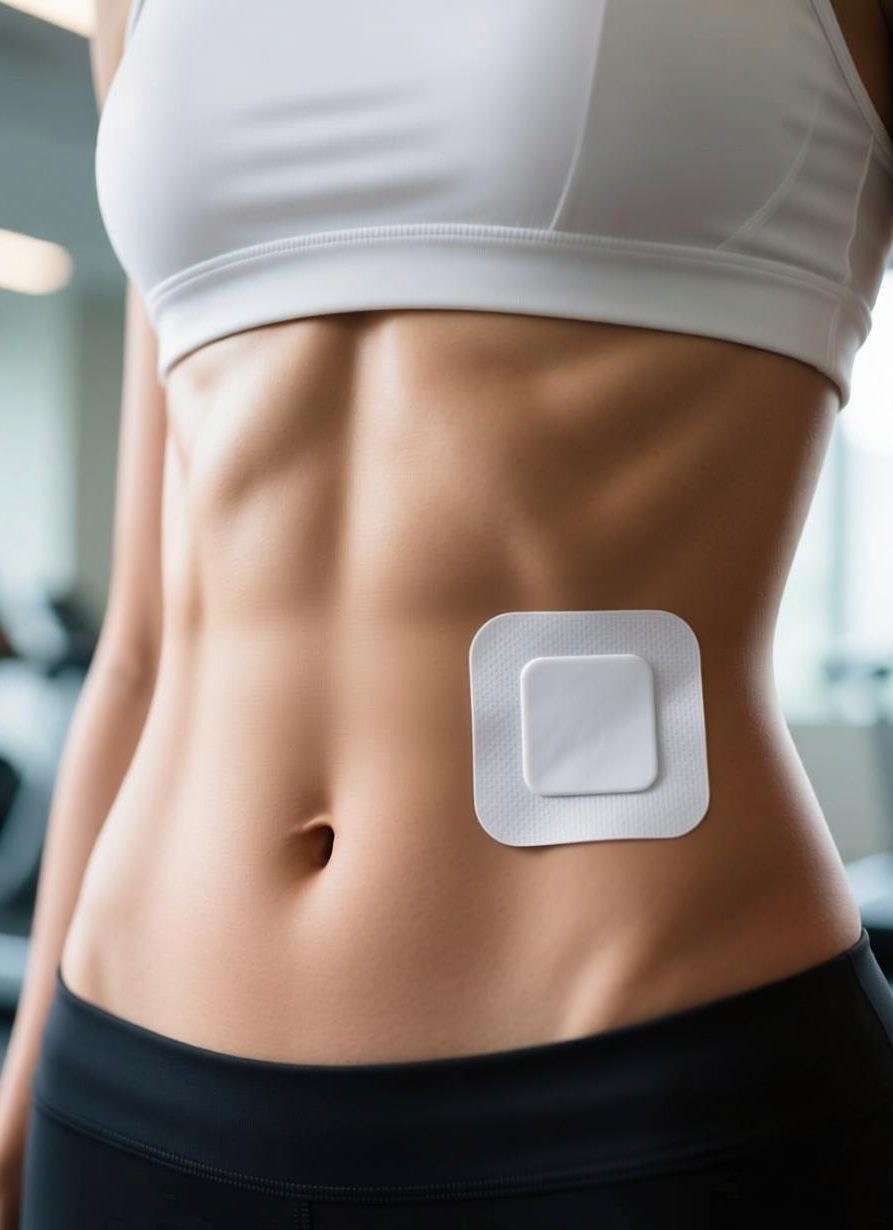
To understand the potential of weight loss patches, we need to grasp the principle of transdermal delivery. Transdermal drug delivery systems (TDDS) – like nicotine patches or hormone patches – involve delivering medication through the skin directly into the bloodstream, bypassing the digestive system.
This can offer advantages like consistent drug levels and reduced first-pass metabolism. The skin’s outermost layer, the stratum corneum, presents a significant barrier, primarily composed of lipids.
The ability of a substance to penetrate this layer depends heavily on its molecular size, lipophilicity (fat solubility), and the formulation of the patch itself.
However, achieving effective weight loss through transdermal delivery is exceptionally challenging. Most substances purported to aid weight loss, such as caffeine, L-carnitine, forskolin, or garcinia cambogia extract, are relatively large molecules or have poor lipid solubility.
While some research explores novel delivery methods (e.g., using penetration enhancers, nanotechnology), the penetration of these compounds through intact skin remains a significant hurdle.
The Role of Penetration Enhancers: Many patches claim to use penetration enhancers to facilitate absorption. These substances alter the skin’s structure temporarily, creating pathways for drug delivery. While some penetration enhancers are well-established (like propylene glycol), others are less studied and their long-term effects on skin health are not always fully understood. Their efficacy in facilitating the delivery of weight loss ingredients is also often questionable.
Ingredients Commonly Found in Weight Loss Patches: What Does the Research Say?
Let’s examine some of the most frequently advertised ingredients and their purported weight loss mechanisms, alongside the current scientific evidence:
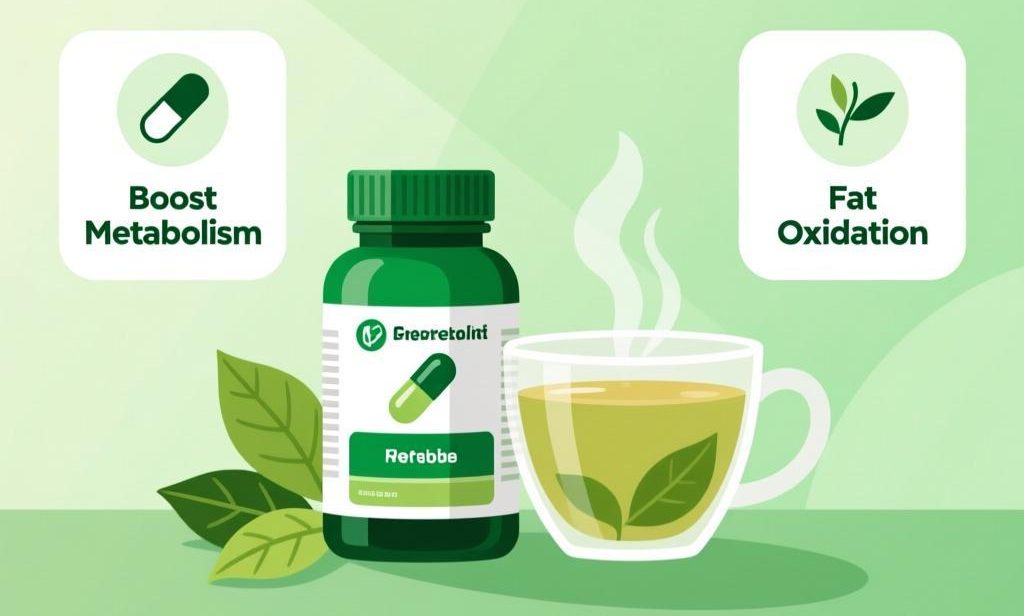
- Caffeine: A stimulant that may temporarily increase metabolism and fat oxidation. While caffeine can have these effects when ingested, transdermal delivery of sufficient caffeine to achieve the same impact is uncertain due to skin barrier limitations.
- L-Carnitine: An amino acid derivative involved in fatty acid transport to the mitochondria for energy production. Some studies suggest oral supplementation may aid fat metabolism, but the transdermal route has yielded inconsistent results.
- Forskolin: An extract from a plant (Coleus forskohlii) believed to activate adenylate cyclase, potentially increasing cAMP levels and promoting fat breakdown. Evidence for its effectiveness, whether oral or transdermal, is limited and often based on preliminary studies.
- Garcinia Cambogia Extract (Hydroxycitric Acid – HCA): Purported to block fat production and suppress appetite. Oral HCA has shown mixed results in clinical trials; transdermal delivery is unlikely to produce comparable effects.
- Green Tea Extract: Contains catechins with antioxidant and potentially metabolism-boosting properties. Again, oral consumption is more effective than likely transdermal absorption.
A Critical Note on Research Quality: It’s crucial to acknowledge that much of the available research on these ingredients is either preliminary, performed in vitro (in test tubes or cell cultures), or conducted using poorly controlled clinical trials. High-quality, randomized, double-blind, placebo-controlled trials specifically evaluating the efficacy of weight loss patches are notably lacking.
The Patient Experience: Anecdotes vs. Reality
Online testimonials often paint a rosy picture of weight loss patches. Users report feeling more energetic, experiencing reduced cravings, and seeing a noticeable drop in weight. However, these anecdotes are prone to several biases:
- Placebo Effect: The belief that a treatment will work can, in itself, produce a measurable effect.
- Confirmation Bias: Individuals are more likely to notice and remember events that confirm their beliefs (e.g., a slight weight loss attributed to the patch, while ignoring factors like dietary changes).
- Hawthorne Effect: The tendency to modify behavior when one knows they are being observed (even subtly, as in using a product).
- Marketing Influence: Positive reviews may be incentivized or fabricated.
Furthermore, many patients report side effects, albeit often mild, such as skin irritation, redness, or itching at the patch application site. Allergic reactions are also possible.
The Marketing Perspective: Leveraging Hope and Uncertainty
The marketing of weight loss patches follows a familiar pattern. They capitalize on the desire for quick, easy solutions, often employing:
- Emotional Appeal: Imagery and language focus on body image issues and the frustration of traditional weight loss methods.
- Misleading Claims: While avoiding overtly false statements, marketing materials often overemphasize limited research findings and downplay the challenges of transdermal delivery. Terms like “supports healthy metabolism” or “aids in fat burning” are deliberately vague.
- Celebrity Endorsements (often without scientific backing): Leveraging the influence of personalities to promote trust and desirability.
- Subscription Models: Creating a recurring revenue stream by locking customers into automatic refills.
The ambiguity surrounding regulations (discussed below) allows marketers to operate with considerable latitude.
Regulatory Landscape: A Grey Area
The regulatory status of weight loss patches is complex and varies depending on the country. In the United States, the FDA (Food and Drug Administration) regulates them as dietary supplements or cosmetics, rather than drugs. This distinction has significant implications:
- Dietary Supplements: Are subject to less stringent requirements than drugs. Manufacturers are not required to obtain FDA approval before selling their products. The FDA’s role is primarily reactive—to take action after a product is found to be unsafe or mislabeled.
- Cosmetics: Are also subject to minimal FDA oversight. Claims of structural or functional effects (e.g., “weight loss”) are generally not permitted without substantiation.
This regulatory gap allows manufacturers to market weight loss patches with limited scientific evidence supporting their claims. Labeling requirements are often lax, and there is limited enforcement to ensure product quality or safety. In other countries, regulations may be stricter, but enforcement can still be a challenge.
Ethical Considerations for Healthcare Professionals
The increasing popularity of weight loss patches presents healthcare professionals with a unique set of ethical challenges. Our responsibility extends beyond simply addressing patient concerns; it encompasses providing accurate information, fostering realistic expectations, and guiding patients toward safe and effective weight management strategies. This section explores these considerations in detail.
1. Informed Consent and Transparency
The cornerstone of ethical practice is informed consent. When patients inquire about weight loss patches, it’s crucial to provide comprehensive and unbiased information, including:
- Limited Evidence: Clearly state that the scientific evidence supporting the efficacy of most weight loss patches is weak or lacking. Emphasize that claimed benefits are often not substantiated by rigorous clinical trials.
- Mechanism of Action: Explain the theoretical mechanism by which patches are supposed to work, and then explicitly address the significant challenges posed by the skin’s barrier function regarding ingredient absorption.
- Potential Risks & Side Effects: Detail potential side effects, including skin irritation, allergic reactions, and the possibility of interactions with other medications. Acknowledge that individual responses can vary.
- Alternative Options: Present evidence-based alternatives to weight loss patches, such as dietary modifications, regular physical activity, behavioral therapy, and, when appropriate, medication prescribed by a physician.
- Lack of Regulatory Oversight: Inform patients about the limited FDA oversight of these products and the potential for misleading marketing claims.
2. Avoiding Endorsement and Misleading Statements
It is unethical to endorse or implicitly endorse products lacking robust scientific support. Healthcare professionals should refrain from:
- Recommending specific brands: Avoiding explicit recommendations for particular weight loss patch brands.
- Making promises of unrealistic results: Refraining from statements that suggest patches can lead to rapid or significant weight loss without a comprehensive lifestyle change.
- Discounting patient testimonials: While acknowledging patient experiences, clearly explain that anecdotal evidence is not a substitute for scientific data. Address the potential for the placebo effect and other biases in such testimonials.
3. Addressing Patient Vulnerability
Patients seeking weight loss solutions are often experiencing body image concerns, emotional distress, or underlying health issues. It’s vital to approach these situations with empathy and sensitivity, recognizing that:
- Emotional Factors: Addressing potential emotional and psychological factors contributing to weight concerns and offering referrals to mental health professionals when appropriate.
- Underlying Medical Conditions: Investigating underlying medical conditions that may contribute to weight gain or hinder weight loss efforts.
- Exploitation: Being mindful of vulnerable populations who may be particularly susceptible to misleading marketing tactics and ensuring patients are not being exploited.
Navigating the ethical complexities surrounding weight loss patches requires a commitment to evidence-based practice, patient-centered care, and professional integrity.
By prioritizing patient well-being and providing accurate information, healthcare professionals can play a vital role in guiding patients toward sustainable and healthy weight management strategies while protecting them from potentially ineffective and misleading products.
Weight Loss Patches FAQs
General Questions
What are weight loss patches?
Weight loss patches are adhesive patches applied to the skin that claim to deliver weight loss ingredients directly into the bloodstream. They are marketed as a convenient alternative to oral supplements or traditional weight loss methods.
How do they supposedly work?
Manufacturers claim that the patches bypass the digestive system, allowing for more direct absorption of ingredients like caffeine, L-carnitine, or forskolin. The theory is that this leads to enhanced metabolism, fat burning, or appetite suppression.
Are weight loss patches FDA approved?
No. In the United States, most weight loss patches are regulated as dietary supplements or cosmetics and do not require FDA approval before being marketed. This means they haven’t undergone the same rigorous testing as prescription drugs.
Are they safe?
While generally considered low-risk, potential side effects can occur, including skin irritation, redness, itching, or allergic reactions at the application site. Interactions with medications are also possible. Always consult with a doctor before using any new product, especially if you have existing health conditions or are taking other medications.
Efficacy & Ingredients
Do weight loss patches actually work?
Based on current scientific evidence, the effectiveness of weight loss patches is questionable. Most ingredients have limited or mixed results when taken orally, and the skin’s barrier properties make transdermal delivery challenging. Robust, peer-reviewed clinical trials specifically evaluating the efficacy of weight loss patches are largely lacking.
What ingredients are typically found in weight loss patches?
Common ingredients include caffeine, L-carnitine, forskolin, garcinia cambogia extract (HCA), green tea extract, and raspberry ketones. The effectiveness of each ingredient varies, and the degree to which they are absorbed through the skin is a significant concern.
Do penetration enhancers really help?
Penetration enhancers are intended to improve ingredient absorption, but their efficacy can vary. Some are well-established, while others have limited research. Their long-term effects on skin health are also not always fully understood.
If they don’t work, why do some people claim they do?
Several factors can contribute to perceived effectiveness, including the placebo effect, confirmation bias (noticing and remembering positive results while ignoring negative ones), and the Hawthorne effect (altering behavior due to being observed). Lifestyle changes, even minor ones, can also contribute to weight loss and be mistakenly attributed to the patch.
Usage & Practical Considerations
How do I use a weight loss patch?
Instructions typically involve cleaning the skin, applying the patch to a specific area (often the upper arm or abdomen), and leaving it on for a set period (usually 8-12 hours). It’s important to follow the product’s instructions carefully.
Can I use more than one patch at a time?
No. Using multiple patches simultaneously is generally not recommended and may increase the risk of side effects. Always adhere to the manufacturer’s instructions.
Are there any contraindications (reasons not to use them)?
Individuals with skin sensitivities, allergies to adhesives, pregnant or breastfeeding women, and those with underlying medical conditions (e.g., thyroid problems, heart disease) should avoid using weight loss patches without consulting a doctor.
How long before I see results (if any)?
Due to the questionable efficacy of most weight loss patches, it’s unlikely to see significant results. Any perceived changes are more likely due to factors mentioned above rather than the patch itself.
Legal & Regulatory
What recourse do I have if a weight loss patch doesn’t work or causes side effects?
If you experience adverse effects, discontinue use and consult a healthcare professional. You can also file a complaint with the Federal Trade Commission (FTC) or the Better Business Bureau if you believe a company is making false or misleading claims.
Can I sue a company for false advertising?
Yes, it is possible to pursue legal action against companies making unsubstantiated claims. However, it can be costly and time-consuming.
Weight loss patches are not a substitute for a healthy diet and regular exercise. If you are concerned about your weight, consult with a healthcare professional for personalized advice and evidence-based strategies.
Conclusion: A Realistic Perspective
The allure of effortless weight loss is strong, and weight loss patches capitalize on this desire. However, based on current scientific evidence and a realistic understanding of transdermal delivery, these patches are unlikely to produce significant or sustainable weight loss.
The marketing often outpaces the science, and patients should approach these products with caution and a healthy dose of skepticism. A focus on evidence-based lifestyle modifications remains the cornerstone of effective and lasting weight management.
Healthcare professionals should proactively educate patients about the limitations of weight loss patches and guide them towards safer and more reliable strategies for achieving their health goals.