Understanding the Foundation: Omega-3 Fatty Acids
Omega-3 fatty acids are a group of polyunsaturated fats vital for numerous physiological functions. They’re classified primarily into three categories: Alpha-Linolenic Acid (ALA), Eicosapentaenoic Acid (EPA), and Docosahexaenoic Acid (DHA).
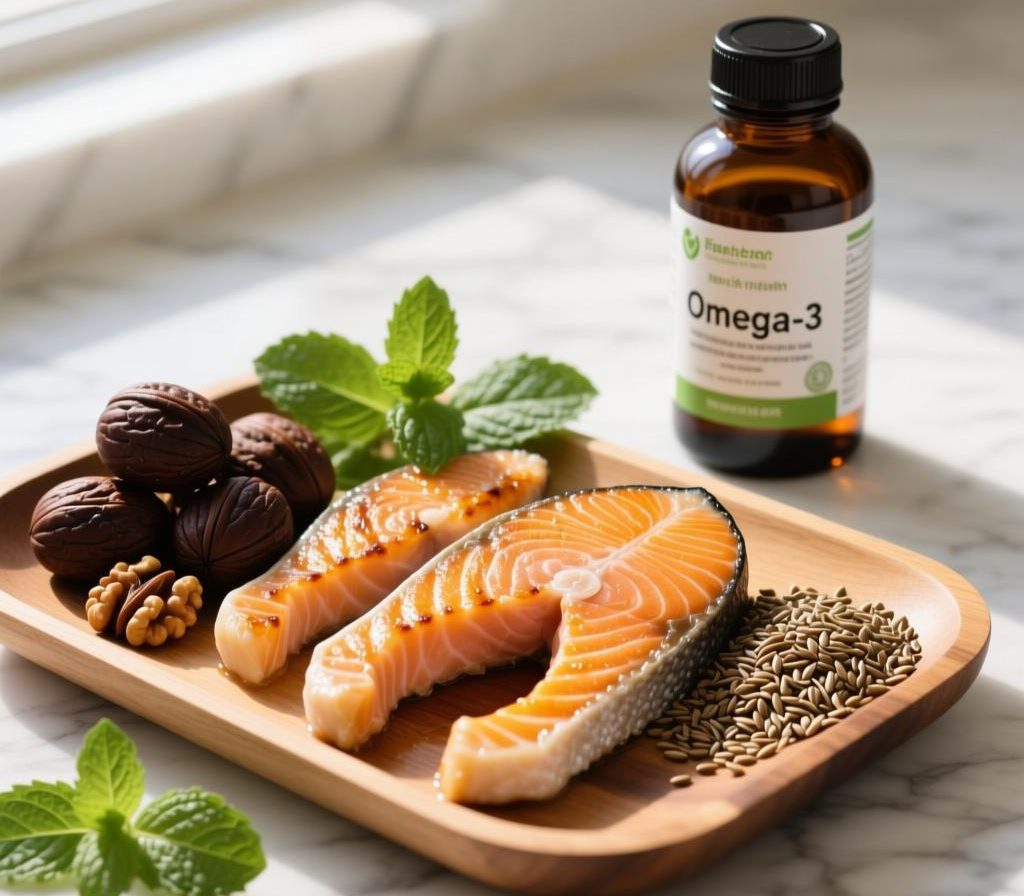
ALA is predominantly found in plant-based sources like flaxseeds, chia seeds, and walnuts. EPA and DHA are largely derived from marine sources, particularly fatty fish like salmon, mackerel, and tuna.
While the body can convert ALA into EPA and DHA, the conversion rate is inefficient, often less than 10% for EPA and even lower for DHA. Therefore, direct consumption of EPA and DHA through supplements or fish is often preferred, especially for individuals needing higher doses.
The Male Sexual Response: A Complex Interplay
Erectile function isn’t solely a vascular issue. It’s a complex neurological and hormonal process. The male sexual response involves: 1) Psychological stimulation triggering nerve signals; 2) Vascular changes leading to vasodilation in the penis; 3) Smooth muscle relaxation in the corpora cavernosa; 4) Hormonal influences primarily from testosterone and nitric oxide.
Any disruption in these areas can contribute to erectile dysfunction (ED). ED can be categorized as organic (physical, often vascular or hormonal) or psychogenic (emotional, psychological). Frequently, it’s a combination of both.
Omega-3s and Vascular Health: The Core Connection
The link between omega-3s and male sexual function stems primarily from their well-established benefits for cardiovascular health. ED is often a manifestation of underlying vascular disease – impaired blood flow. Omega-3s, particularly EPA and DHA, exert several beneficial effects on the endothelium, the inner lining of blood vessels:
- Improved Endothelial Function: Omega-3s enhance nitric oxide (NO) production. NO is a crucial vasodilator, relaxing blood vessels and promoting blood flow. Impaired NO production is a significant factor in ED.
- Reduced Inflammation: Chronic inflammation damages the endothelium and contributes to vascular dysfunction. Omega-3s are potent anti-inflammatory agents.
- Reduced Triglycerides: High triglyceride levels can negatively impact endothelial function. Omega-3s demonstrably lower triglyceride levels.
- Improved Cholesterol Profile: While the impact on LDL (“bad”) cholesterol is complex and sometimes minor, omega-3s generally improve the overall lipid profile.
Evidence: What Does the Research Say?
While research specifically focusing on omega-3s and ED is still emerging, several studies and meta-analyses suggest a positive correlation. Several key findings:
- Observational Studies: Studies examining dietary habits have shown that men who consume higher amounts of fish (rich in EPA and DHA) have a lower incidence of ED.
- Clinical Trials (Limited, but Promising): Some smaller clinical trials have reported improvements in erectile rigidity and overall sexual function in men taking omega-3 supplements, particularly those with underlying cardiovascular risk factors. However, these trials often have limitations, such as small sample sizes and inconsistent methodologies.
- Indirect Evidence: The positive effects of omega-3s on cardiovascular risk factors (blood pressure, cholesterol, inflammation) indirectly support their potential to improve erectile function in men with vascular-related ED.
It’s crucial to acknowledge that current evidence isn’t definitive. Further large-scale, randomized controlled trials are needed to firmly establish the efficacy of omega-3 supplementation for ED treatment. The impact likely depends on the severity of ED, underlying health conditions, and individual response.
Beyond Vascular Effects: Exploring Other Potential Mechanisms
While vascular improvements are the primary hypothesized mechanism, other potential benefits of omega-3s related to sexual function are being explored:
- Hormonal Influence: Some research suggests that omega-3s may influence testosterone levels, though the effect is complex and not consistently observed. Maintaining healthy testosterone levels is crucial for libido and erectile function.
- Antioxidant Activity: Omega-3s possess antioxidant properties, protecting cells from damage caused by free radicals. Oxidative stress contributes to endothelial dysfunction and can impact sperm quality.
- Inflammation and Prostate Health: Chronic inflammation is linked to prostate health issues. Omega-3s may help mitigate inflammation and potentially offer some protective benefits (though more research is needed).
Where to Buy and Dosage Considerations
Omega-3 supplements are widely available, but quality varies significantly. Here’s a breakdown of common sources and dosage recommendations:
- Fish Oil Supplements: These are the most common source of EPA and DHA. Look for reputable brands that have been third-party tested for purity and potency (to ensure accurate EPA and DHA content and absence of contaminants like mercury).
- Krill Oil Supplements: Krill oil contains EPA and DHA in phospholipid form, which some proponents believe improves absorption. It also contains astaxanthin, an antioxidant. Krill oil is typically more expensive than fish oil.
- Algae Oil Supplements: A vegan alternative providing DHA. Some algae oils also contain EPA.
- Dosage: There’s no universally agreed-upon dosage for ED. However, most experts recommend at least 2-3 grams of combined EPA and DHA daily for cardiovascular health benefits. Higher doses (3-4 grams or more) may be considered under the guidance of a healthcare professional for specific conditions.
Are There Any Alternatives?
Several alternatives to omega-3 supplementation exist, focusing on dietary modifications and other supplements:
- Increase Fish Consumption: Aim for 2-3 servings of fatty fish per week.
- ALA-Rich Foods: Consume flaxseeds, chia seeds, walnuts, and hemp seeds. Remember the limited conversion rate to EPA and DHA.
- L-Arginine: An amino acid that acts as a precursor to nitric oxide.
- Pycnogenol: A plant extract that may improve endothelial function and increase NO production.
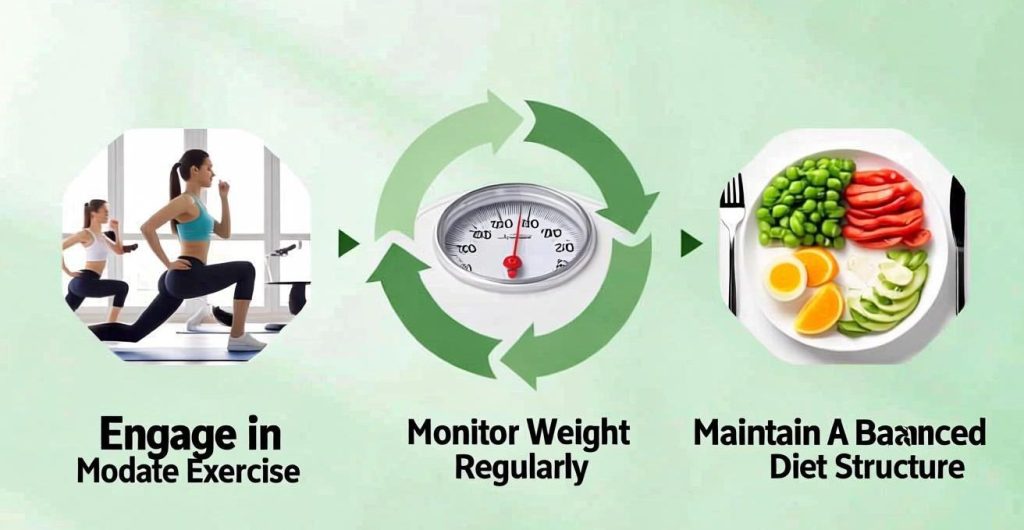
- Lifestyle Modifications: Healthy diet, regular exercise, weight management, and smoking cessation are crucial for overall cardiovascular health and sexual function.
Potential Side Effects and Interactions
Omega-3 supplements are generally considered safe, but potential side effects include:
- Fishy Aftertaste: Can often be minimized by taking supplements with meals or choosing enteric-coated capsules.
- Gastrointestinal Upset: Nausea, indigestion, or diarrhea.
- Blood Thinning: Omega-3s can have a mild blood-thinning effect. Individuals taking anticoagulants (blood thinners) should consult their doctor before taking omega-3 supplements.
- Drug Interactions: Omega-3s may interact with certain medications, including antiplatelet drugs and some antidepressants.
Comparative Table: Omega-3 Supplement Options
| Supplement Type | Advantages | Disadvantages | Cost | Sustainability Considerations |
|---|---|---|---|---|
| Fish Oil | Widely available, relatively inexpensive, good source of EPA and DHA | Potential for contamination (mercury, PCBs), fishy aftertaste, sustainability concerns regarding overfishing | $ | Moderate (depends on sourcing) |
| Krill Oil | EPA and DHA in phospholipid form (potentially better absorption), contains astaxanthin | More expensive than fish oil, potential sustainability concerns regarding krill harvesting | $$ | Moderate to High |
| Algae Oil | Vegan-friendly, sustainable source of DHA, no risk of fish contamination | May contain less EPA than fish oil, can be more expensive | $$ | High |
| Flaxseed Oil | Vegan-friendly, inexpensive | Poor conversion of ALA to EPA and DHA, requires high doses for minimal effect | $ | High |
($ = Inexpensive, $$ = Moderate, $$$ = Expensive)
Future Directions & Conclusion
The connection between omega-3 fatty acids and male sexual function, particularly in the context of erectile health, is a promising area of research. While existing evidence is encouraging, larger and more rigorous clinical trials are needed to fully elucidate the role of omega-3s in preventing and managing ED.
The emphasis should be on maintaining a holistic approach – a healthy lifestyle including a balanced diet, regular exercise, and appropriate supplementation under professional guidance – to support overall sexual health and well-being. Men experiencing ED should consult with a healthcare professional to determine the underlying cause and receive appropriate treatment.