Premature ejaculation (PE) is a common sexual health concern affecting millions of men worldwide. Defined as the inability to delay ejaculation beyond one minute of vaginal penetration, PE can significantly impact a man’s self-esteem, relationships, and overall quality of life.
While the condition may stem from biological, psychological, or environmental factors, its management often requires a multifaceted approach. Traditional treatments, such as selective serotonin reuptake inhibitors (SSRIs) and topical anesthetics, have proven effective for many, but they are not without side effects.
As a result, there has been growing interest in natural interventions, including dietary modifications, to address PE holistically.
This article explores the role of nutrition in combating premature ejaculation, emphasizing how specific foods can enhance sexual health by addressing underlying physiological and psychological contributors. By understanding the science behind these power foods, men can take proactive steps toward improving their sexual performance and overall well-being.
Nutritional Foundations for Sexual Health
Sexual health is deeply intertwined with overall bodily function, and nutrition plays a critical role in maintaining hormonal balance, nerve sensitivity, and vascular health—all of which are essential for optimal sexual performance.
The male reproductive system relies on a complex interplay of hormones, including testosterone, which regulates libido and erectile function, and neurotransmitters like serotonin, which influence ejaculation timing. Nutritional deficiencies or imbalances can disrupt these processes, contributing to premature ejaculation.
For instance, low levels of zinc, a mineral crucial for testosterone production, have been linked to reduced libido and impaired sexual function. Similarly, deficiencies in magnesium, which supports nerve function and muscle relaxation, may exacerbate ejaculation difficulties. By prioritizing nutrient-dense foods, men can address these imbalances and support long-term sexual health.
The gut microbiome also plays a pivotal role in sexual health, as it influences hormone regulation and immune function. A diet rich in fiber, probiotics, and anti-inflammatory foods can promote a healthy gut environment, which in turn supports hormonal equilibrium.
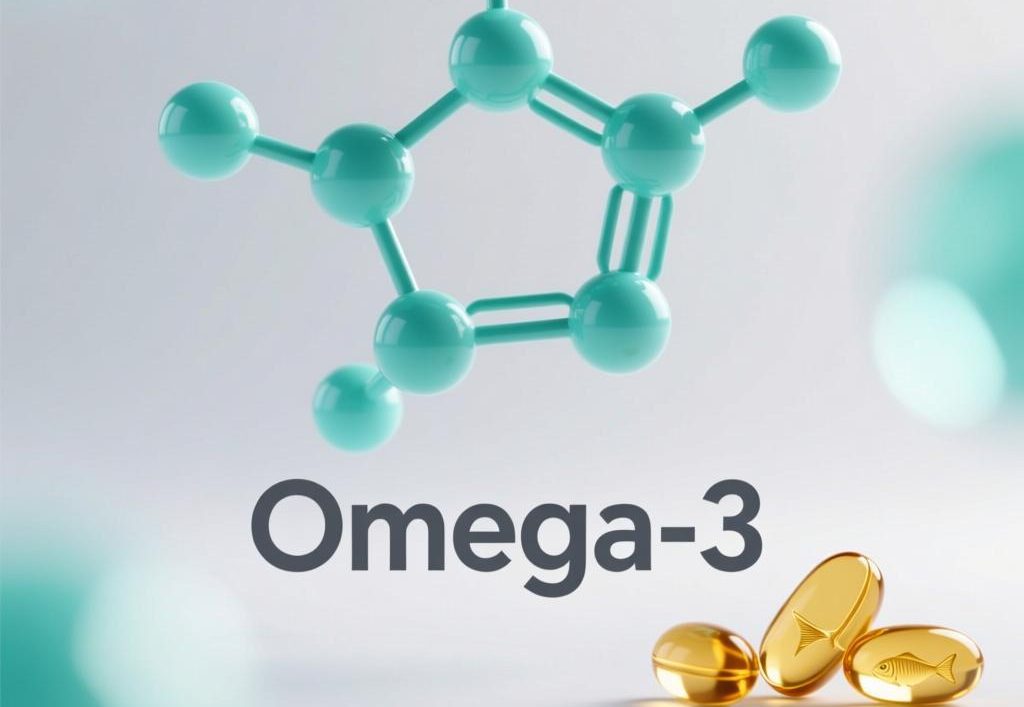
For example, fermented foods like yogurt and kimchi contain beneficial bacteria that aid in digestion and nutrient absorption, indirectly enhancing sexual vitality. Additionally, omega-3 fatty acids, found in fatty fish and flaxseeds, reduce inflammation and improve blood flow, both of which are vital for achieving and maintaining erections.
By integrating these nutrients into daily meals, men can create a foundation for improved sexual function and resilience against premature ejaculation.
Power Foods for Enhancing Sexual Performance
Certain foods are particularly effective in combating premature ejaculation due to their unique nutrient profiles and physiological benefits. One such food is watermelon, which contains high levels of L-citrulline, an amino acid that promotes nitric oxide production.
Nitric oxide is a key molecule in vasodilation, enhancing blood flow to the genital area and improving erectile function. Studies have shown that men who consume watermelon regularly report increased sexual stamina and delayed ejaculation, making it a valuable addition to a sexual health-focused diet.
Another powerhouse food is avocado, rich in healthy monounsaturated fats, potassium, and B vitamins. These nutrients support cardiovascular health, which is essential for maintaining strong erections and prolonging sexual activity.
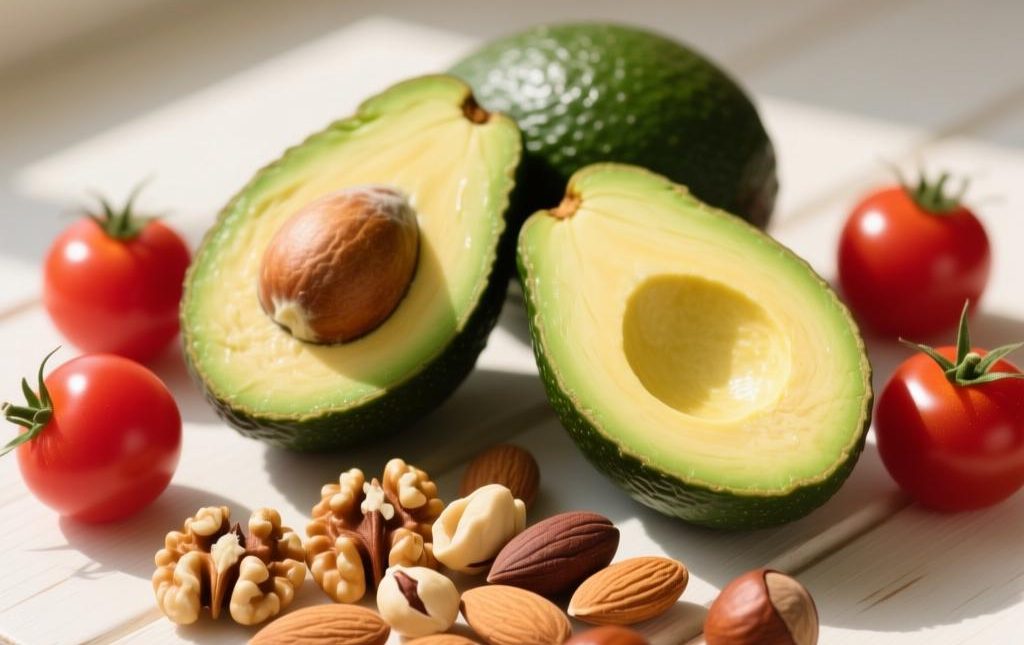
Avocados also contain antioxidants like glutathione, which combat oxidative stress and protect reproductive cells from damage. Incorporating avocados into meals or snacks can provide sustained energy and enhance overall sexual vitality.
Tomatoes are another excellent choice, thanks to their high concentration of lycopene, a potent antioxidant. Lycopene has been shown to improve sperm quality and increase testosterone levels, both of which are critical for sexual health.
Additionally, tomatoes contain vitamin C and potassium, which support nerve function and muscle relaxation, further aiding in the management of premature ejaculation.
Nuts and seeds, such as almonds, walnuts, and pumpkin seeds, are packed with zinc, magnesium, and omega-3 fatty acids. Zinc is particularly important for testosterone production and sperm health, while magnesium supports nerve function and reduces anxiety—common contributors to PE. Regular consumption of these nutrient-dense foods can help regulate hormonal balance and improve sexual performance.
Psychological and Emotional Factors in Premature Ejaculation
While nutritional interventions can address physiological aspects of premature ejaculation, psychological and emotional factors often play a significant role. Stress, anxiety, and performance pressure are common triggers for PE, as they heighten arousal and reduce control over ejaculation timing.
The mind-body connection is particularly evident in sexual health, where emotional well-being directly influences physiological responses. For instance, chronic stress can elevate cortisol levels, which may disrupt testosterone production and impair sexual function. Similarly, anxiety about sexual performance can create a cycle of tension and premature ejaculation, exacerbating the condition.
Diet can mitigate these psychological effects by supporting brain health and emotional stability. Foods rich in omega-3 fatty acids, such as fatty fish and flaxseeds, have been shown to reduce inflammation and improve mood, which can alleviate anxiety-related sexual dysfunction.
Similarly, complex carbohydrates found in whole grains and legumes provide a steady release of glucose, helping to stabilize blood sugar levels and reduce mood swings. Magnesium-rich foods like spinach and dark chocolate also promote relaxation and reduce stress, further supporting sexual confidence. By addressing both physical and emotional contributors to PE, men can achieve a more balanced approach to sexual health.
Lifestyle Habits That Support Sexual Health
In addition to dietary choices, lifestyle habits significantly impact sexual health and the management of premature ejaculation. Regular physical activity, for example, enhances cardiovascular fitness, which is essential for maintaining strong erections and prolonged sexual activity.
Exercise also reduces stress and improves mood, both of which can indirectly support sexual performance. Activities like aerobic exercise, strength training, and yoga are particularly beneficial, as they promote blood circulation, hormone regulation, and mental well-being.
Sleep is another critical factor, as poor sleep disrupts hormone production and increases cortisol levels, which can impair sexual function. Aim for 7-9 hours of quality sleep each night to support testosterone levels and overall vitality.
Hydration also plays a role, as dehydration can lead to fatigue and reduced sexual stamina. Incorporating these lifestyle adjustments alongside a nutrient-rich diet can create a holistic approach to combating premature ejaculation.
Herbal and Traditional Remedies for Sexual Health
Throughout history, various cultures have developed herbal remedies and traditional practices to address sexual health concerns, including premature ejaculation. These remedies often focus on balancing hormones, improving circulation, and reducing anxiety.
For example, ashwagandha, an Ayurvedic herb, is known for its adaptogenic properties, which help the body manage stress and enhance sexual function. Studies suggest that ashwagandha may increase testosterone levels and improve sperm quality, making it a valuable supplement for men experiencing PE.
Ginseng, another traditional remedy, has been used for centuries to boost energy, reduce fatigue, and enhance sexual performance. Research indicates that ginseng can improve erectile function and increase libido by regulating neurotransmitters and improving blood flow. Similarly, maca root, a Peruvian plant, is believed to enhance stamina and reduce the effects of stress, making it a popular choice for men seeking to improve sexual health.
Other herbal options include ginkgo biloba, which improves blood circulation, and muira puama, a Brazilian herb traditionally used to enhance libido and sexual endurance. While these remedies can be effective, it is important to consult with a healthcare provider before incorporating them into a treatment plan, as they may interact with medications or have side effects.
Scientific Research and Clinical Evidence
The efficacy of dietary interventions for premature ejaculation is supported by a growing body of scientific research. A 2021 study published in the Journal of Sexual Medicine found that men who consumed a diet rich in antioxidants, such as those found in fruits and vegetables, experienced significant improvements in sexual function and delayed ejaculation.
Another study from 2019 highlighted the role of zinc and magnesium in testosterone production, suggesting that supplementation with these minerals could enhance sexual performance in men with low levels.
Clinical trials have also demonstrated the benefits of specific foods. For instance, a 2020 study on the effects of watermelon on erectile function found that participants who consumed watermelon extract showed increased nitric oxide levels and improved sexual stamina.
Similarly, research on omega-3 fatty acids has shown that they can reduce inflammation and improve vascular health, both of which are critical for sexual function. While these findings are promising, it is important to note that individual responses to dietary changes may vary, and a personalized approach is often necessary.
Holistic Approaches to Male Sexual Wellness
A holistic approach to male sexual wellness recognizes the interconnectedness of physical, emotional, and lifestyle factors. This integrative model emphasizes the importance of addressing all aspects of health to achieve sustainable improvements in sexual function. For example, combining a nutrient-rich diet with stress-reduction techniques like meditation or mindfulness can create a synergistic effect, enhancing both physiological and psychological well-being.
Practices such as Yoga and mindfulness meditation have been shown to reduce anxiety and improve focus, which can help men gain better control over ejaculation. These practices also promote relaxation and enhance body awareness, which are essential for achieving sexual satisfaction.
Additionally, Ayurvedic principles, such as balancing the doshas (Vata, Pitta, Kapha), can guide dietary and lifestyle choices to optimize sexual health. For instance, individuals with a Vata imbalance may benefit from warming foods and regular routines to stabilize energy levels and reduce premature ejaculation.
Prevention and Long-Term Management
Preventing premature ejaculation requires a proactive approach that incorporates dietary, lifestyle, and psychological strategies. Long-term management involves consistent efforts to maintain hormonal balance, reduce stress, and support overall health. This includes adopting a diet rich in nutrient-dense foods, engaging in regular physical activity, and practicing stress-management techniques.
Education and awareness also play a crucial role in prevention. Men should be informed about the factors that contribute to PE and the importance of early intervention. Regular check-ups with healthcare providers can help identify underlying conditions, such as hormonal imbalances or psychological disorders, that may contribute to the condition. By prioritizing preventive care and making sustainable lifestyle changes, men can reduce the risk of PE and maintain long-term sexual health.
Conclusion: Integrating Nutrition and Lifestyle for Lasting Results
Combating premature ejaculation requires a comprehensive strategy that addresses both physiological and psychological factors. While medical treatments and supplements can provide relief, integrating a nutrient-rich diet with healthy lifestyle choices offers a natural and sustainable approach to improving sexual health.
By prioritizing foods that support hormonal balance, nerve function, and vascular health, men can enhance their sexual performance and overall well-being. Additionally, addressing stress, practicing mindfulness, and adopting holistic practices like yoga and Ayurveda can further support long-term sexual vitality. With consistent effort and a focus on holistic wellness, men can take control of their sexual health and achieve lasting results.