What Exactly Is the Keto Diet Anyway?
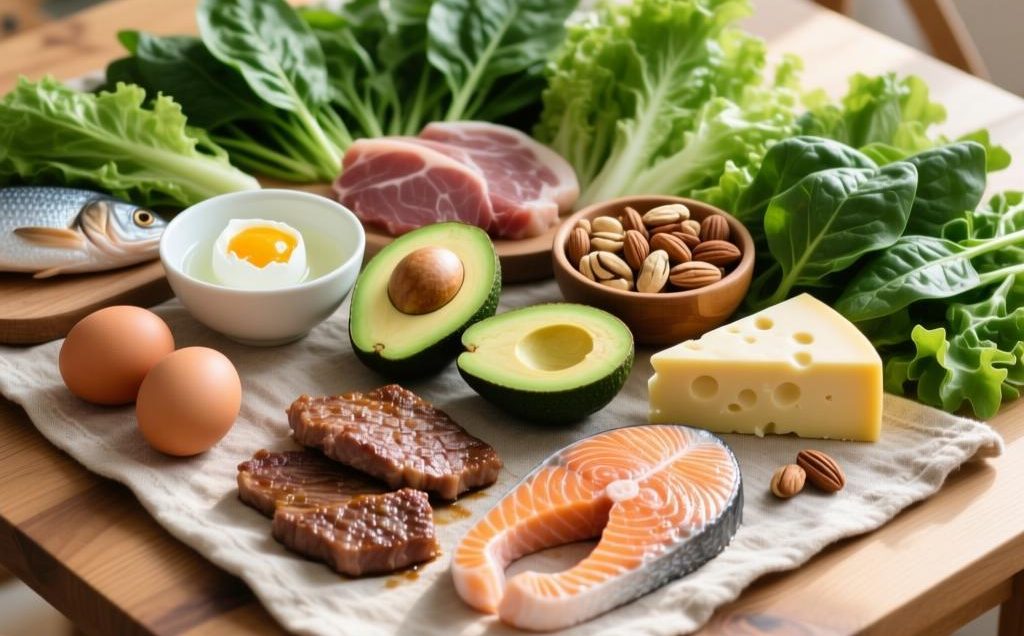
The ketogenic diet—most people just call it keto—is a way of eating that’s very low in carbs, moderate in protein, and high in fat. Instead of loading up your plate with bread, pasta, and sugary snacks, you fill it with things like eggs, avocado, meat, fish, cheese, nuts, and lots of leafy greens.
Why would anyone give up pizza and bagels? Here’s the basic idea: your body normally runs on glucose, which comes mostly from carbohydrates. When you dramatically cut carbs—usually to under about 50 grams a day—your body runs out of its favorite fuel and has to improvise.
It switches to burning fat instead, producing little fuel molecules called ketones. That metabolic switch is called ketosis, and it’s the whole point of the keto diet.
Originally, keto was developed nearly a century ago to help children with epilepsy reduce seizures. Somewhere along the way, people noticed something interesting: the diet also seemed to help with weight loss, and it took off from there. Today, it’s one of the most popular eating approaches in the world, loved by some, questioned by others, and misunderstood by plenty.
How Does Keto Actually Work in Your Body?
Think of your body like a hybrid car. Most of the time, it runs on glucose—the cheap, easy fuel made from carbs. When glucose isn’t available, the engine switches over to a backup power source: fat. Your liver breaks down fat into ketones, and your brain, muscles, and organs happily use them for energy.
Getting into ketosis usually takes two to four days of consistently eating very few carbs. Once you’re there, many people report feeling surprisingly good—steady energy, fewer cravings, and less of that afternoon crash that comes with blood sugar roller coasters.
There’s also a practical reason keto often leads to weight loss: fat and protein are genuinely filling. When you’re not fighting hunger pangs all day, it’s easier to eat less without feeling miserable. Plus, your body becomes more efficient at tapping into its own fat stores when it needs energy.
- Day 1–3: Your body uses up its stored carbs (glycogen).
- Day 3–4: The liver starts making ketones from fat.
- Day 4 and beyond: You’re officially in ketosis and running on fat.
The Friendly Keto Food List
Good news: keto isn’t about starving yourself or eating weird diet food. It’s really about simple swaps—trading the carbs for satisfying, real foods. Here’s a handy cheat sheet to keep in your back pocket.
| Foods to Enjoy | Foods to Limit or Avoid |
|---|---|
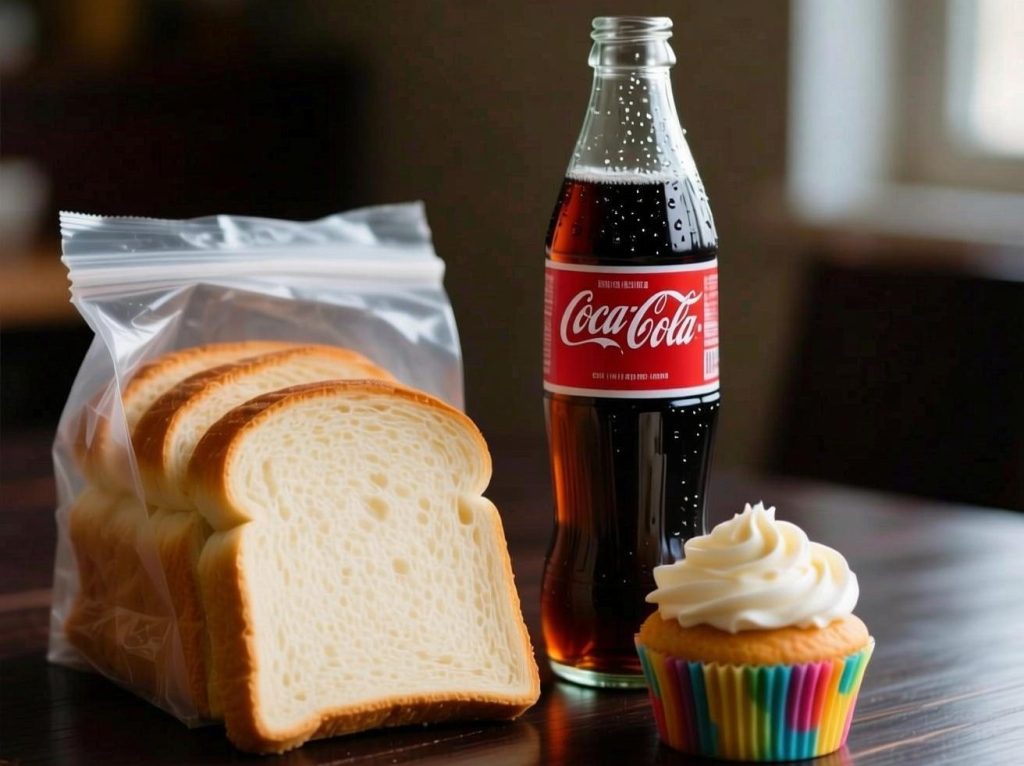
| Meat, poultry, and fish (including fatty fish like salmon) | Bread, pasta, rice, and cereal |
| Eggs cooked any way you like | Sugar, candy, and desserts |
| Cheese, butter, and cream | Most fruits (especially bananas and grapes) |
| Avocados and olives | Starchy veggies like potatoes and corn |
| Leafy greens, broccoli, cauliflower, zucchini | Beans and lentils |
| Nuts and seeds (almonds, walnuts, chia) | Sugary drinks, juice, and beer |
| Healthy oils (olive oil, avocado oil, coconut oil) | Low-fat “diet” products loaded with hidden sugar |
Notice anything? The “eat” list is full of foods most people actually enjoy. The trick is learning to love vegetables and not being afraid of healthy fats—yes, even butter. That old fear of fat has kept a lot of people nervous, but on keto, fat is your friend and your fuel.
What a Day of Keto Eating Might Look Like
Sometimes the easiest way to understand a diet is to see it in action. Here’s a simple, no-fuss example of a day on keto—nothing fancy, no hard-to-find ingredients.
- Breakfast: Scrambled eggs with spinach and cheese, cooked in butter, with half an avocado on the side.
- Lunch: A big salad with grilled chicken, olive oil dressing, cheese, and a sprinkle of nuts.
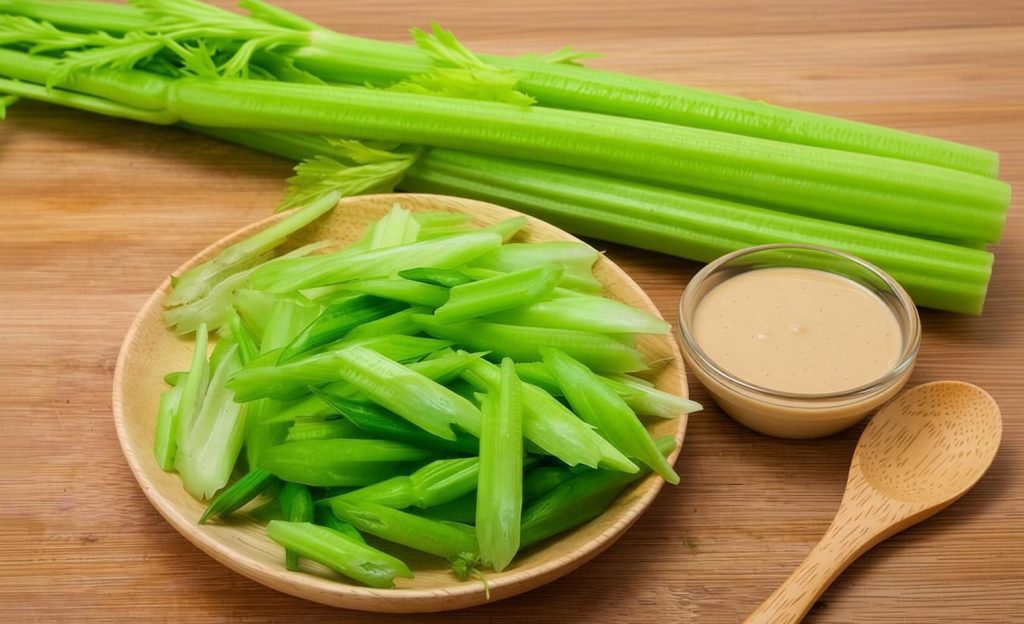
- Snack: A handful of almonds or a few slices of cheese—maybe celery with peanut butter if you’re feeling snacky.
- Dinner: Baked salmon with roasted broccoli and a small side salad with creamy dressing.
- Treat: A square of dark chocolate (85% or higher) or berries with whipped cream.
Doesn’t sound like deprivation, does it? That’s the secret sauce of keto for many people—it feels more like a satisfying way of eating than a punishment diet. You’re not counting every calorie or chewing on rice cakes; you’re eating real food that keeps you full.
What to Expect in Week One
Let’s be honest with each other: the first week or two of keto can be rough. As your body adjusts to burning fat instead of carbs, you might feel tired, headachy, irritable, or a little foggy. People affectionately call this the “keto flu,” and while it’s not fun, it’s usually short-lived—a few days to a week for most people.
The biggest culprit is usually losing water and electrolytes. When you cut carbs, your body flushes out fluid fast, and it takes sodium, potassium, and magnesium along with it. So the fix is pretty simple:
- Drink plenty of water—more than you think you need.
- Add a little extra salt to your food or sip on broth.
- Eat potassium-rich keto foods like avocados and leafy greens.
- Don’t slash calories dramatically at the same time—eat enough fat to stay energized.
- Take it easy on intense workouts for the first week or so.
Get through that adjustment window, and many people say they’ve never felt better—clear-headed, energized, and free from constant cravings. But knowing the bumpy part exists upfront makes it a lot easier to push through.
Sneaky Mistakes That Can Knock You Out of Ketosis
Keto is simple in theory, but real life has a way of sneaking carbs onto your plate. Here are the most common trip-ups that stall people’s progress:
- Eating “hidden” carbs: Sauces, dressings, flavored yogurts, and packaged snacks often hide surprising amounts of sugar. Become a label-reader.
- Too much protein: Keto is moderate protein, not all-you-can-eat steak. Eating way too much protein can slow your results.
- Grazing on nuts: Nuts are keto-friendly, but they’re easy to overeat. A small handful is a snack; the whole bag is a meal.
- Skipping vegetables: Yes, keto is low-carb, but non-starchy veggies should still fill a good chunk of your plate for fiber and nutrients.
- Cheat weekend syndrome: A full weekend of carb-loading can undo a week of progress and make the keto flu come back. Occasional flexing is a personal choice, but be aware of the tradeoff.
- Forgetting electrolytes: This is the number one reason people feel terrible on keto. Salt your food and stay hydrated.
Benefits People Actually Experience on Keto
So why do millions of people stick with this way of eating? Beyond the headliner of weight loss, there’s a long list of changes people report:
For starters, appetite control is a big one. When your blood sugar stops spiking and crashing, those ravenous “I could eat an entire cake right now” moments tend to quiet down. Many keto eaters say they can go hours between meals without feeling hangry—which makes eating less feel almost effortless.
Steady energy is another favorite benefit. Without the sugar highs and lows, lots of people describe a smoother, more even kind of energy through the day. Some also notice better focus and mental clarity once they’re fat-adapted, since the brain runs well on ketones.
Beyond how you feel, research has linked keto and very-low-carb diets to improvements in blood sugar control, triglycerides, and HDL (the “good” cholesterol). For people with type 2 diabetes, the effect on blood sugar can be especially meaningful—though anyone on diabetes medication should absolutely talk to a doctor first, because dosages may need adjusting quickly.
Who Should Skip Keto
Keto isn’t for everyone, and pretending otherwise wouldn’t be fair. Some people thrive on it; others do better with a more moderate approach. A few groups should be especially careful:
- People with type 1 diabetes, because of the risk of dangerous blood sugar shifts.
- Anyone with a history of kidney, liver, or pancreatic problems.
- People with certain rare metabolic disorders.
- Women who are pregnant or breastfeeding, unless guided by a healthcare provider.
- Anyone with a history of eating disorders, since strict food rules can be triggering.
- People taking medications for diabetes or blood pressure—meds may need adjusting as your body changes.
If you fall into any of these camps, that doesn’t mean you’re stuck—just loop in your doctor or a registered dietitian before making big changes. And honestly, even if you’re perfectly healthy, a quick check-in with a professional is never a bad idea before starting any new diet.
How Long Until You See Results?
Ah, the question everyone asks. Here’s a realistic, no-hype timeline of what many people experience:
| Timeframe | What You Might Notice |
|---|---|
| Week 1 | Quick drop on the scale—mostly water weight. Possible keto flu symptoms. |
| Weeks 2–4 | Energy levels rebound, cravings fade, and clothes start feeling looser. |
| Months 2–3 | Steadier fat loss, better appetite control, and more stable moods. |
| Beyond 3 months | Results depend on consistency. This is where keto becomes a lifestyle, not a sprint. |
A word of encouragement: don’t panic if the scale zigzags. Weight naturally fluctuates day to day because of water, hormones, and digestion. Trends matter more than single data points. Take progress photos, notice how your clothes fit, and pay attention to how you feel—those often tell a better story than the number staring up at you each morning.
Keto Myths That Deserve to Be Debunked
“Keto means eating bacon at every meal.” Not at all. Sure, bacon fits, but a well-done keto diet emphasizes vegetables, quality proteins, and healthy fats like olive oil and avocados. It’s not a processed-meat free-for-all.
“Ketosis is dangerous.” Nutritional ketosis is different from ketoacidosis, which is a serious medical emergency that mainly affects people with type 1 diabetes. For most healthy people, dietary ketosis is a normal, safe metabolic state.
“You can never eat carbs again.” Some people follow strict keto long-term; others use it as a tool and transition to a more relaxed low-carb style later. There’s room for personal preference here.
“All that fat will clog your arteries.” The research on this is more nuanced than old headlines suggested. Keto typically improves triglycerides and HDL cholesterol for many people, though individual responses vary—worth checking your own numbers with a doctor after a few months.
“Keto is just a fad.” It’s been used in medicine for about a hundred years, particularly for epilepsy. Whatever your opinion on it as a weight-loss approach, it’s no flash-in-the-pan trend.
Frequently Asked Questions
How many carbs can I really eat on keto?
Most people aim for 20 to 50 grams of net carbs per day. Net carbs are total carbs minus fiber, so fiber-rich veggies are your best friend. Some very active people can go slightly higher and still stay in ketosis, but starting on the lower end makes the switch clearer.
Can I eat fruit on keto?
Yes—in moderation. Berries like strawberries, raspberries, and blackberries are relatively low in carbs and fit nicely into a keto day. Bananas, apples, grapes, and tropical fruits are too sugary for most keto budgets. Think of berries as your fruity treat.
Do I have to count calories on keto?
Not necessarily. Many people lose weight on keto simply because they’re naturally less hungry. That said, calories still matter overall—if you eat enormous amounts of food, weight loss will stall no matter how few carbs you eat. Start by eating when hungry and stopping when satisfied; adjust from there.
Is keto safe for the long term?
Research on long-term keto is still growing, but many people follow it for years without problems. The key is doing it well: plenty of vegetables, adequate protein, enough electrolytes, and regular checkups. If you feel great and your bloodwork looks good, that’s a solid sign it’s working for you.
What if I stop losing weight on keto?
Plateaus happen to everyone. First, check the sneaky-carb culprits and portion creep. Then look at sleep and stress—both have a big effect on weight. Some people also try briefly tightening their eating window or bumping up movement. Be patient; plateaus usually break eventually.
Can I drink alcohol on keto?
Occasionally, yes. Dry wine and spirits mixed with zero-sugar mixers are the friendliest options. Beer and sweet cocktails are basically liquid carbs and will hit your keto budget hard. Moderation matters extra here, too—alcohol can affect you faster when you’re in ketosis.
Will I gain all the weight back if I quit keto?
If you return to old eating habits, some regain is likely with any diet—that’s not a keto flaw, it’s a habits thing. The smartest move is transitioning gradually to a sustainable low-carb style you can maintain for life rather than swinging back to how you ate before.
The Bottom Line
Keto isn’t magic, and it isn’t misery—it’s a tool. For the right person, it can make weight loss feel more manageable, quiet cravings, steady your energy, and even improve certain health markers. For others, a more moderate low-carb approach works just as well with less rigidity.
If you’re curious, give it a fair trial: commit to a few consistent weeks, hydrate, replenish electrolytes, and keep your plate full of real, satisfying food. Pay attention to how your body responds—not just the scale, but your energy, sleep, and hunger. And if you have any health conditions or take medications, chat with your doctor first.
Whatever you decide, the best diet is always the one you can actually live with. Keto works wonderfully for millions of people. The only way to know if you’re one of them is to try it thoughtfully and let your own results speak for themselves.