
If you’ve been having trouble in the bedroom lately, your mind probably jumps to stress, tiredness, or getting older. But here’s something most men never consider: that number from your blood test could be part of the problem. High cholesterol is usually thought of as a “heart thing,” yet the same arteries that feed your heart also feed your erections.
In fact, erection problems are often the first warning sign that your blood vessels aren’t as healthy as they should be. So before you shrug it off or quietly blame yourself, let’s talk about what’s really going on downstairs — and what you can actually do about it.
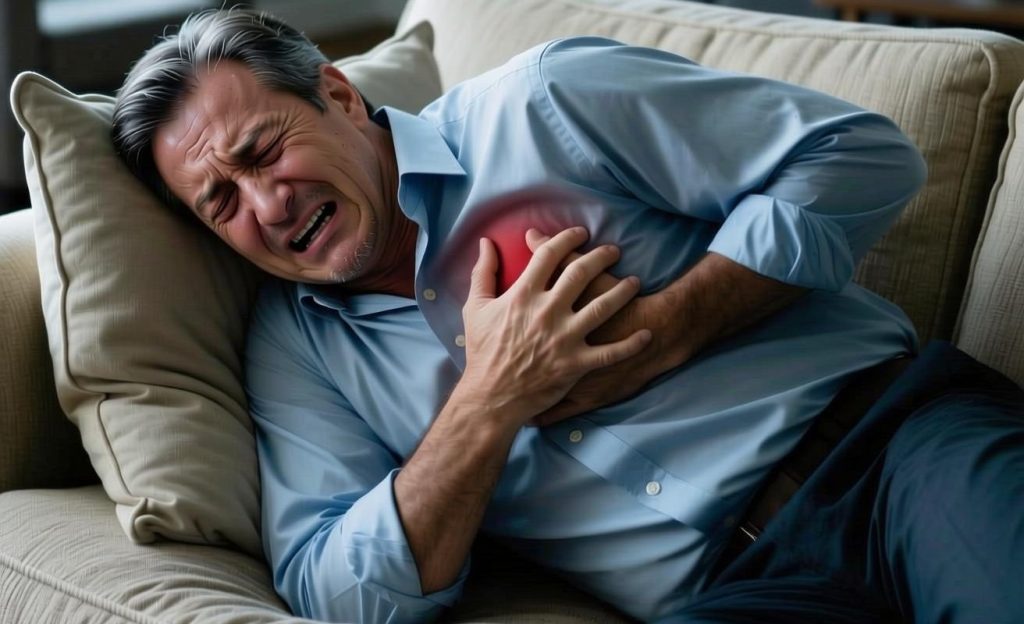
What Cholesterol Actually Does in Your Body
Cholesterol isn’t the villain it’s made out to be. Your body actually needs it to build cells, make hormones (including testosterone), and produce vitamin D. The trouble starts when there’s too much of the wrong kind floating around in your blood.
Think of your bloodstream as a delivery highway. LDL cholesterol — the “bad” kind — is like cargo that gets dumped along the roadside. Over time, this debris sticks to artery walls, hardens, and narrows the passages where blood needs to flow.
HDL cholesterol — the “good” kind — works like a cleanup crew, hauling that debris back to the liver where it can be processed and removed.
When LDL levels stay high for years, arteries become stiff and clogged, a condition doctors call atherosclerosis. And here’s the part that matters for your sex life: the arteries supplying blood to the penis are much smaller than the ones feeding your heart. That means they can show signs of trouble earlier — sometimes years before a heart attack or stroke ever enters the picture.
The Surprising Link Between Your Arteries and Your Erections
An erection is, at its core, a plumbing event. When you’re aroused, your brain sends signals that relax the blood vessels and smooth muscle in the penis, allowing it to fill with blood — roughly eight times its normal amount. For that to work smoothly, you need healthy, flexible arteries that can widen on demand.
Narrowed, cholesterol-damaged arteries simply can’t deliver. It’s like trying to water a garden through a kinked hose: some water gets through, but there isn’t enough pressure to do the job.
On top of that, cholesterol buildup damages the inner lining of blood vessels, which reduces the production of nitric oxide — the molecule responsible for telling those vessels to relax and open up. Less nitric oxide means less blood flow, and less blood flow means weaker, less reliable erections.
This connection is strong enough that many cardiologists now view erectile dysfunction as an early warning light on the dashboard — a sign that blood vessels elsewhere, including the heart, may be in trouble too.
Studies suggest that men with erectile dysfunction often develop heart problems three to five years down the road. So in a strange way, erection difficulties might actually be doing you a favor by waving a red flag early.
Signs Your Cholesterol Might Be Working Against You
High cholesterol is famously silent. You can’t feel it, and there’s no ache or obvious symptom to alert you. But when it starts interfering with erections, there are usually patterns worth paying attention to:
- Erections that are less firm than they used to be, or fade quickly during intimacy
- Morning erections becoming rare — a drop in nighttime or early-morning activity often points to a blood flow issue rather than a desire issue
- Needing more stimulation than before to get and keep an erection
- Inconsistent performance — things work sometimes but not others, with no obvious reason why
- Getting winded easily or having leg pain when walking, which can suggest broader circulation problems
If several of these sound familiar, it’s worth getting your cholesterol checked rather than guessing. A simple blood test will tell you where you stand.
Good vs. Bad Cholesterol
Not all cholesterol numbers mean the same thing. Here’s a simple breakdown of what your blood test results are telling you:
| Type | What It Does | Ideal Range |
|---|---|---|
| Total cholesterol | The overall amount in your blood | Below 200 mg/dL |
| LDL (“bad”) | Builds up on artery walls and narrows blood vessels | Below 100 mg/dL |
| HDL (“good”) | Removes excess cholesterol and carries it to the liver | Above 40 mg/dL (higher is better) |
| Triglycerides | Another blood fat that raises heart and vessel risk | Below 150 mg/dL |
A quick note on the numbers: these are general targets, and the right goal for you may differ based on your age, family history, and overall health. Your doctor can help you interpret what your results mean for you personally.
Other Culprits That Often Tag Along
High cholesterol rarely acts alone. It tends to travel with a group of troublemakers that each take their own toll on erections:
- High blood pressure — pounds away at artery walls and makes them stiffer over time
- Diabetes and insulin resistance — damage both nerves and blood vessels, a double hit for sexual function
- Low testosterone — reduces libido and works against the whole erection process
- Smoking — tightens blood vessels instantly and speeds up artery damage
- Excess weight, especially around the belly — linked to lower testosterone, inflammation, and poor circulation
- Heavy alcohol use and poor sleep — both suppress testosterone and drain energy
The upside of this bad-news list? These factors share many of the same solutions. Fixing one often improves the others, and the changes you make for your erections are the same ones that protect your heart, brain, and longevity.
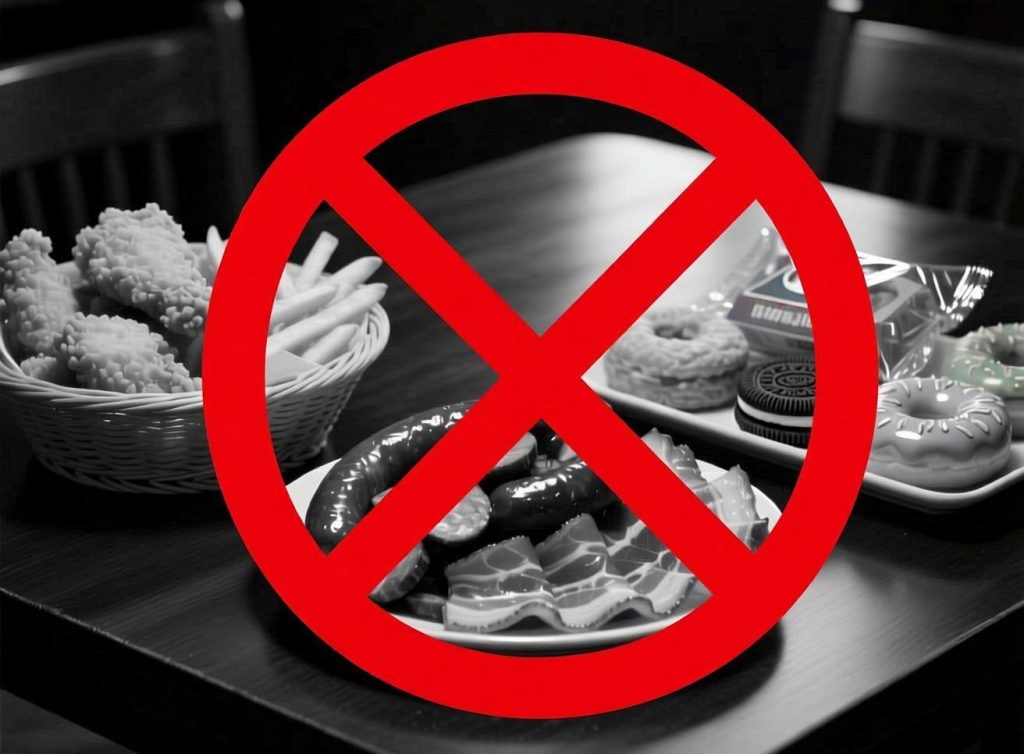
Foods That Help and Foods That Hurt
You don’t need a perfect diet to see a difference. Small, consistent swaps add up faster than you’d think. The foods below support healthier cholesterol and better blood flow:
- Oats and barley — rich in soluble fiber that mops up cholesterol before your body absorbs it
- Fatty fish like salmon, mackerel, and sardines — deliver omega-3s that support healthy blood vessels
- Nuts, especially walnuts and almonds — improve cholesterol numbers in study after study
- Beans and lentils — filling, cheap, and fiber powerhouses
- Olive oil — swap it in for butter when you cook
- Apples, berries, and citrus — natural sources of fiber and antioxidants
On the flip side, it helps to cut back on fried foods, fatty processed meats, packaged baked goods, and anything loaded with trans fats. These are the fastest ways to push LDL higher and gum up the arteries you’re trying to protect. You don’t have to give them up forever — just make them the occasional guest rather than the daily main.
Get Moving — Your Erections Will Thank You
Exercise might be the closest thing there is to a natural fix for cholesterol-related erection problems. Regular moderate activity raises HDL, lowers LDL and triglycerides, improves nitric oxide production, and boosts blood flow everywhere — including where it counts. Research has found that men who start exercising regularly often see meaningful improvement in erectile function within months.
You don’t need to train like an athlete. Aim for about 30 minutes of brisk walking, cycling, swimming, or anything that gets your heart pumping most days of the week.
Add in some strength training twice a week if you can, since muscle supports healthy hormone levels and metabolism. Even breaking it into three 10-minute walks counts. The best exercise is honestly the one you’ll keep doing, so pick something you don’t dread.
What About Medication? The Truth About Statins
Here’s a worry that stops a lot of men from treating high cholesterol: “Will cholesterol medication make things worse?” You may have heard stories blaming statins for erection problems.
The actual picture is more encouraging. Large reviews of the research have found that statins either have no meaningful effect on erections or modestly improve them — likely because healthier arteries mean better blood flow.
It’s also true that statins can nudge testosterone down slightly in some men, and if you do notice changes, that’s worth a conversation with your doctor rather than a reason to quit. Stopping cholesterol medication on your own is far riskier for both your heart and your sex life than staying on it.
If erection problems persist even after your cholesterol is under control, treatments like sildenafil (Viagra), tadalafil (Cialis), and similar medications are effective and widely used.
They improve blood flow to the penis and can be safely combined with cholesterol medication for most men — but always confirm with your doctor first, especially if you take nitrates for chest pain, since that combination can be dangerous.
When to See a Doctor About This
Erection problems happen to everyone once in a while, and an off night is nothing to worry about. But certain situations deserve a proper medical check:
- Erection trouble lasting more than a few weeks
- Complete loss of morning erections
- Erection problems alongside chest pain, shortness of breath, or leg pain when walking
- If you’re under 40 and problems are persistent
- Any sudden change after starting a new medication
Be honest with your doctor about what’s going on — they’ve heard it all before, and sexual symptoms give them genuinely useful clues about your cardiovascular health. Ask for a lipid panel, blood pressure check, blood sugar test, and possibly a testosterone level. That short list covers the most common hidden causes.
Small Changes Today, Better Nights Ahead
The connection between high cholesterol and erection problems can feel discouraging at first, but it’s actually one of the more fixable causes.
Unlike many things in health, this one responds well to everyday choices: a better breakfast, a daily walk, fewer cigarettes (ideally none), a bit of weight loss, and better sleep. Many men notice improvements in firmness and reliability within a few months of making these changes.
Treating your cholesterol isn’t just about your sex life, of course. It’s about being around — and being healthy — for the people and things you love for decades to come. The wonderful part is that these goals point in exactly the same direction. Every step you take toward better erections is a step toward a stronger heart and a longer, more energetic life.
Frequently Asked Questions
Can high cholesterol really cause erectile dysfunction?
Yes. Cholesterol buildup narrows and stiffens the arteries that supply blood to the penis, and it also reduces nitric oxide, the chemical that tells blood vessels to open up during arousal. Since these arteries are smaller than heart arteries, erection problems often show up before any heart symptoms do.
How long does it take to improve erections after lowering cholesterol?
It varies from person to person. With consistent changes to diet, exercise, and habits — or with medication — many men notice improvements within a few months. Arteries that took years to clog won’t clear overnight, but they respond faster than most people expect once you treat them well.
Do statins cause erectile dysfunction?
For most men, no. Major research reviews have found that statins don’t worsen erections and may slightly improve them by restoring healthier blood flow. If you notice changes after starting a statin, talk to your doctor — your dose or medication can be adjusted, and quitting on your own puts your heart at risk.
Can I fix this without medication?
Sometimes, yes. If your cholesterol is mildly elevated, lifestyle changes alone may bring it down: eating more soluble fiber and healthy fats, cutting fried and processed foods, exercising most days, losing excess weight, not smoking, and limiting alcohol. Your doctor can tell you whether lifestyle changes are enough or whether medication makes sense for your numbers.
Which foods are best for cholesterol and erections?
Oats, beans, nuts, fatty fish, olive oil, fruits, and vegetables are your best friends — they lower LDL and support blood vessel health. Watermelon, leafy greens, and beets may also give nitric oxide production a small natural boost.
Is erectile dysfunction always a sign of heart disease?
Not always, but it’s a warning sign worth taking seriously. Erections can also be affected by stress, anxiety, poor sleep, low testosterone, or medications. But because the penis and heart share the same blood supply, ongoing erection problems deserve a heart-health check — it could literally save your life.