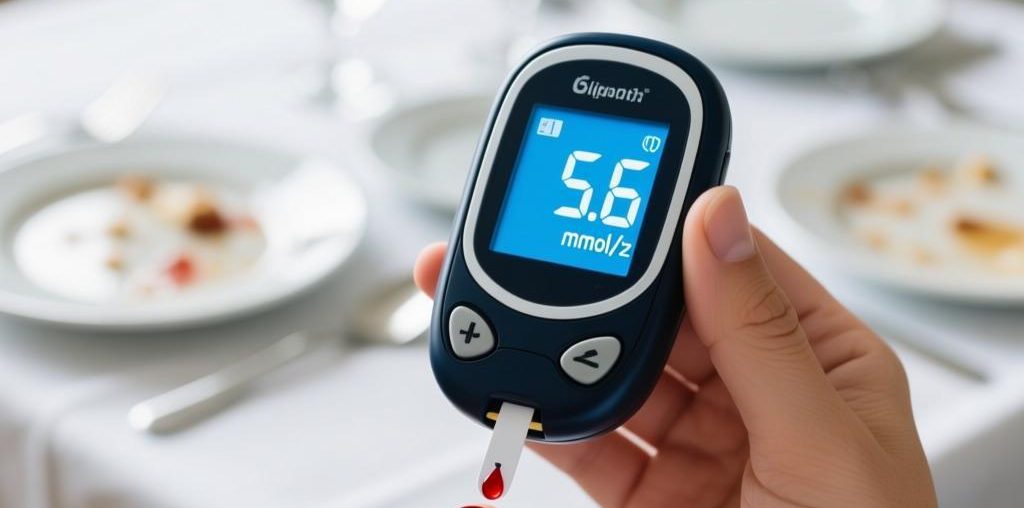

Why Diabetes Emptys Your Wallet?
Let’s be honest about something nobody enjoys talking about: diabetes is expensive. Between test strips, insulin or medications, doctor visits, and that seemingly endless shopping list of “diabetes-friendly” foods, the average person with diabetes spends more than twice as much on healthcare as someone without it.
That’s not a small gap — that’s a car payment, a family vacation, or a chunk of rent disappearing into your pancreas’s paperwork.
Here’s the good news, though. Most people are overpaying without realizing it. Not because they’re careless, but because nobody ever handed them the playbook.
Cutting diabetes costs isn’t about cutting corners on your health — it’s about knowing where the system has slack built in and quietly taking advantage of every bit of it. The five strategies below can realistically save you hundreds, sometimes thousands, of dollars a year without compromising your care one bit.
Way #1: Eating Well for Less
First, let’s kill a myth that’s costing you money every single week: eating with diabetes doesn’t require specialty products. Those “diabetic-friendly” cookies, bars, and shakes lining the shelves? They’re often more expensive and no better for your blood sugar than regular whole foods. Marketing did that, not nutrition science.
The cheapest foods in the store are coincidentally some of the best ones for blood sugar: dried beans, lentils, rolled oats, frozen vegetables, eggs, canned tuna, and in-season produce. A bag of lentils costs about two dollars and makes a week’s worth of fiber-rich, slow-carb meals. Meanwhile, one box of “keto” crackers costs five times more and does less for you.
- Shop the perimeter, then the bulk bins: Whole foods live on the store’s edges; marked-up processed stuff lives in the middle aisles.
- Go frozen without guilt: Frozen vegetables and berries are picked at peak ripeness and cost far less than fresh, with zero waste.
- Plan meals around sales, not cravings: Build your week’s menu from what’s on special, not the other way around.
- Buy store brands: Same nutrition label, typically 20-30% cheaper than name brands.
- Cook once, eat twice: Batch-cooking beans, grains, and proteins slashes both cost and the takeout temptation on tired nights.
| Common Swap | Price Difference | Blood Sugar Benefit |
|---|---|---|
| Dried beans vs. canned “premium” soups | Save ~$3 per meal | More fiber, less sodium |
| Frozen berries vs. fresh out-of-season | Save ~$4 per bag | Identical antioxidants |
| Rolled oats vs. branded cereal bars | Save ~$5 per week | Slower carbs, no added sugar |
| Whole chicken vs. pre-cut breasts | Save ~$4 per pound | Same protein, plus bones for soup |
Way #2: Slash Your Medication Costs
This is where the big money lives — and where the most dangerous money-saving mistake happens. Skipping or rationing medication to save cash is the one corner you should never cut. The good news? You usually don’t have to, because the pharmacy world has more hidden discounts than most people ever discover.
Start with generics. Most diabetes medications, including metformin and many others, have generic versions that cost a fraction of the brand-name price. Then look into pharmacy discount programs and prescription savings cards — big-box and grocery pharmacies often list common diabetes drugs for four dollars a month.
Insulin is trickier, but manufacturer savings cards, patient assistance programs, and newer capped-price programs have made it far more accessible than it was five years ago.
- Ask your doctor for the $4 list: Physicians can often prescribe a therapeutically equivalent option that’s on your pharmacy’s discount list.
- Buy 90-day supplies: Three-month refills typically knock 10-20% off the per-dose cost.
- Compare pharmacies: Prices for the same drug can vary wildly between pharmacies across the same street. Free comparison apps make this a two-minute job.
- Check patient assistance programs: Drug manufacturers offer steep discounts to qualifying income levels — millions qualify and never apply.
- Talk to your doctor about timing: Some regimens can be simplified or adjusted to cheaper equivalents with the same clinical result. That’s a conversation, never a DIY project.
Way #3: Prevention of Complications
Here’s the perspective that almost never gets discussed in money conversations: the most expensive diabetes isn’t today’s diabetes — it’s the future complications of poorly managed diabetes. Emergency room visits, kidney issues, vision problems, and foot complications can cost more in a single hospital stay than a decade of careful everyday management.
That means every dollar you spend on prevention is arguably the highest-return investment in your entire budget. And much of prevention is stunningly cheap or free: walking daily, keeping hydration handy, checking your feet, attending your annual eye exam, and staying on top of your A1C checks. Many of these screenings are fully covered by insurance precisely because insurers know prevention saves everyone money.
| Preventive Step | Typical Cost | What It Helps You Avoid |
|---|---|---|
| Daily 20-30 minute walk | Free | Higher medication doses over time |
| Annual dilated eye exam | Often $0 with insurance | Costly vision treatments later |
| Daily foot checks | Free, 60 seconds | Serious infections and complications |
| Regular A1C testing | Low or covered | Blind spots in your management plan |
| Flu and pneumonia vaccines | Usually covered | Hospital stays that derail everything |
Way #4: Tap Into Free and Low-Cost Resources You Already Pay For
You’d be amazed how much diabetes support is sitting there, already funded by your taxes, insurance premiums, or community organizations, going completely unused. The problem isn’t availability — it’s that nobody advertises this stuff loudly.
Start with insurance perks you may not know exist. Many plans cover diabetes education classes, nutritionist visits, and even gym memberships at zero cost to you, because keeping you healthy is cheaper for them than treating you later.
Then look outward: community health centers offer sliding-scale care based on income, local health departments run free screening events, and national diabetes organizations maintain databases of assistance programs, free education, and support groups.
- Call your insurer and ask one question: “What diabetes benefits am I not using?” You might unlock free supplies, education, or coaching on the spot.
- Find a Diabetes Self-Management Education program: These evidence-based courses, often free or covered, teach you to manage everything more efficiently.
- Use community health centers: They provide care on a sliding scale regardless of insurance status.
- Check your pharmacy’s free services: Many offer free blood pressure checks, medication reviews, and vaccine clinics.
- Look into telehealth: Virtual visits often cost less than in-office ones and save you travel time and money.
Way #5: Rethink Supplies and Testing
Not everyone needs to test blood sugar as frequently as everyone else. If you’re managing type 2 diabetes without insulin, for example, your doctor may agree that fewer test strips per month are perfectly appropriate — and strips are one of the most quietly expensive line items in a diabetes budget.
On the flip side, if you’re on insulin, you need reliable testing, and there are still ways to get it cheaper: store-brand meters use strips that cost half as much as name brands, with the same accuracy standards to meet.
The key phrase here is “right-sized, not rationed.” This is a conversation with your healthcare team, not a solo decision. Ask directly: “How many strips do I actually need given my treatment plan?”
Many people are surprised by the answer — sometimes it’s more than they’re using, sometimes far less. Either way, matching your supplies to your real clinical needs means every dollar works harder.
- Compare strip prices before choosing a meter: The meter is cheap; strips are the long-term cost. Buy the meter whose strips fit your budget.
- Buy strips in larger counts: 100-count boxes almost always beat 25-count boxes on per-strip price.
- Store supplies properly: Heat and moisture ruin strips and insulin, turning money into trash. A cool, dry cabinet protects your investment.
- Check expiration dates before bulk buying: Savings evaporate if half the box expires unused.

A Sample Month: Putting It All Together
Sometimes numbers make it real. Here’s what a realistic savings month can look like when you stack all five strategies — nothing extreme, just consistent small wins:
| Strategy in Action | Approximate Monthly Savings |
|---|---|
| Bean-and-oat-based meal planning with store brands | $120-180 |
| Switching one medication to generic/discount list | $30-75 |
| Right-sizing test strips with your doctor’s guidance | $20-50 |
| Using free preventive screenings and education | $50-100 in avoided costs |
| Walking instead of a paid gym you barely used | $40-60 |
That’s a potential $260 to $465 back in your pocket every month — over $3,000 a year — with zero sacrifice in the quality of your diabetes care. In many cases, the budget version of diabetes management is actually the healthier version, because it leans on whole foods, daily movement, and preventive habits rather than expensive shortcuts.
Frequently Asked Questions
Can I really manage diabetes well without spending a lot of money?
Absolutely. The foundations of good diabetes management — consistent meals built on affordable staples like beans, oats, and frozen vegetables, daily walking, taking medications as prescribed, and regular check-ups — cost very little.
The expensive parts (specialty products, brand-name everything, complications from neglect) are mostly avoidable. Millions of people manage diabetes excellently on modest budgets by focusing on what actually moves the needle.
Is it safe to switch to generic diabetes medications?
Yes. Generic medications must meet the same FDA standards for strength, quality, and absorption as their brand-name counterparts. The active ingredient is identical. That said, never switch anything on your own — involve your doctor or pharmacist so dosing and monitoring stay on track, especially with insulin, where different products aren’t always interchangeable.
What’s the single biggest money mistake people with diabetes make?
Rationing or skipping medication to save money. It feels like a short-term fix, but it’s the most expensive decision possible in the long run, because uncontrolled blood sugar leads to complications that cost dramatically more than the medication ever did.
If affording medication is a struggle, tell your doctor — there are almost always cheaper equivalents, assistance programs, or alternative regimens available.
Are “diabetic” foods worth the extra cost?
Almost never. These products are typically more expensive than regular options while offering no proven advantage — and some contain sugar alcohols that upset digestion or fat replacements that add calories.
Whole foods do the same job better and cheaper. Your money is far better spent on plain vegetables, legumes, lean proteins, and intact grains than on anything with “diabetic” printed on the package.
How can I afford diabetes care if I don’t have insurance?
Several paths exist. Community health centers charge on a sliding scale based on income. Manufacturer patient assistance programs provide free or discounted medications to those who qualify.
State and national diabetes organizations maintain directories of low-cost care, and some pharmacies offer $4 generic medication lists and low-cost clinics regardless of insurance. It takes a few phone calls, but affordable care without insurance is genuinely possible — don’t give up after one dead end.
The Bottom Line
Managing diabetes on a budget isn’t about doing less for your health — it’s about stopping the leaks. Shop the store’s edges instead of the “diabetic” aisle, demand the generic price, right-size your supplies with your doctor’s input, cash in the free resources you’ve already paid for, and remember that prevention is the best discount you’ll ever get.
Pick one strategy from this list, start this week, and watch how quickly small savings compound into real financial breathing room.