When most people think about managing blood sugar, they picture breakfast plates, lunch portions, and morning workouts. But what you do in the hour or two before bed matters just as much. Your body runs on a 24-hour clock, and at night it becomes naturally more resistant to insulin, which means evening choices can quietly push your morning numbers higher.
The good news? You don’t need a complicated routine or expensive gadgets. A few gentle, simple tricks repeated each night can help your body stay balanced while you sleep. Here are eight bedtime habits worth trying, explained in plain, everyday language.

1. Enjoy a Smart Little Bedtime Snack
Skipping food for hours before bed sounds like a good idea, but for many people—especially those taking insulin or certain diabetes medications—an empty stomach overnight can actually backfire.
Your liver keeps dumping stored sugar into your bloodstream while you sleep, and without a little food on board, you may wake up with numbers that are higher than expected. This is often called the dawn phenomenon, and it frustrates plenty of people who ate a “perfect” dinner.
The fix is a small, balanced snack about 30 to 60 minutes before bed. Think protein paired with slow carbs or healthy fat. Good options include:
- A tablespoon of peanut butter on a few whole-grain crackers
- A small cup of plain Greek yogurt with a sprinkle of cinnamon
- A hard-boiled egg and a few cherry tomatoes
- Half an apple with a slice of cheese
The protein and fat slow everything down, so sugar enters your bloodstream at a gentle trickle instead of a rush. If you love fruit at night, stick with reasonable portions of fruits that keep blood sugar happy, like berries, apples, and pears. And if you’re wondering how your body processes all of this in the first place, this friendly explainer on how your body handles sugar is worth a read.
2. Take a Short After-Dinner Stroll
You don’t need a gym membership or a fancy routine. A relaxed 10–15 minute walk after dinner—around your living room, down the hallway, or around the block if weather allows—gives your muscles a job to do: absorbing sugar from your bloodstream for energy. Working muscles act like little sponges, and they keep soaking up glucose for hours after you stop moving.
Studies consistently show that a brief post-meal walk blunts the natural blood sugar rise that follows dinner, which is often the largest meal of the day. That means you head into the night with a lower starting point, and your body has an easier time holding the line until morning.
If joint pain makes walking uncomfortable, gentle alternatives like chair marches, light stretching, or a few minutes of tidying up the kitchen work too. Movement is movement, and your body doesn’t care how fancy it looks.
3. Sip Smartly: Water or Herbal Tea, Not Sugary Drinks
What you drink at night can make or break your morning numbers. That evening soda, sweetened iced tea, or glass of juice delivers a fast hit of sugar right when your body is least equipped to handle it.
Plain water is always the safest bet, and staying hydrated actually helps your kidneys flush out excess sugar through urine. If plain water feels boring, try infusing it with lemon slices, cucumber, or a few mint leaves.
Herbal teas deserve a special mention. Caffeine-free options like chamomile, peppermint, and cinnamon tea are soothing rituals that signal to your body that it’s time to wind down. Some early research even suggests cinnamon may offer modest support for healthy glucose metabolism, though it’s no magic bullet.
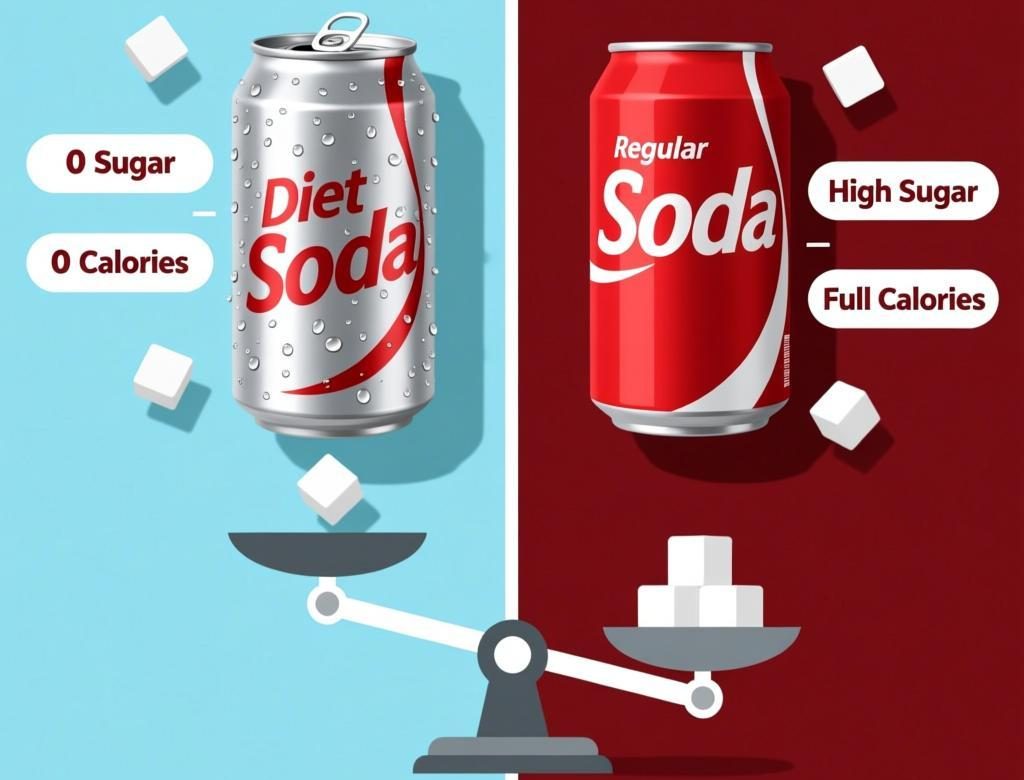
Curious about the soda debate? Here’s an honest comparison of diet soda versus regular soda and which one is easier on your blood sugar. Spoiler: neither is a health food, but they’re not equal either.
4. Brush Your Teeth Early to Shut Down Late-Night Snacking
This one sounds almost too simple, but it works surprisingly well. Brushing and flossing your teeth right after dinner creates a natural “kitchen’s closed” signal. Once your mouth feels minty and fresh, that bowl of ice cream or handful of chips suddenly loses its appeal—it’s a small mental speed bump that protects you from mindless grazing in front of the TV.
Late-night snacking is a sneaky problem because most evening snacks—chips, cookies, crackers, ice cream—are exactly the kinds of refined carbs that send blood sugar climbing right before a long stretch of inactivity. If you genuinely get hungry later in the evening, that’s your body asking for real fuel, not willpower.
Reach for protein-forward options like a small handful of nuts, which offer steady energy without the spike. Nuts, by the way, are one of the friendliest late-night foods around—satisfying, crunchy, and gentle on your glucose. And if you have a genuine sweet tooth that won’t quit, there are actually desserts you can enjoy with diabetes without wrecking your numbers.
5. Check Your Blood Sugar Before Bed
If you use a glucose meter or wear a continuous glucose monitor, the bedtime check is one of the most valuable data points of your entire day. It tells you where you’re starting the night, whether your dinner choices worked, and whether a small snack is a smart idea or unnecessary.
Over time, patterns emerge: maybe pasta nights always push you high, or maybe your numbers dip too low on days you exercised harder than usual.
Knowledge is genuinely powerful here. A number that’s a little high before bed is a chance to plan a better dinner tomorrow—not a reason for panic or shame. And if you sometimes feel off without knowing why, learning to recognize the signs of low blood sugar—shakiness, dizziness, sudden sweat, confusion—can literally be a lifesaver, especially overnight.
Keep a fast-acting sugar source like glucose tablets or juice boxes at your bedside, just in case. For reference, it also helps to know what’s normal after a meal so your bedtime numbers have context.
6. Wind Down and Let Go of the Day’s Stress
Here’s something most people never connect: stress and blood sugar are close roommates. When you’re anxious or wound up, your body releases cortisol and adrenaline—hormones that tell your liver to release stored sugar for an “emergency” that never actually comes. So lying in bed replaying tomorrow’s to-do list isn’t just unpleasant; it can actively raise your glucose while you toss and turn.
Building a 20–30 minute wind-down buffer before bed helps both your mind and your metabolism. Try:
- Five minutes of slow, deep breathing—inhale for four counts, exhale for six
- Gentle stretching or legs-up-the-wall pose
- Journaling three things that went well today
- Reading a physical book (not a screen) under dim light
- A warm shower or bath about an hour before bed
Poor sleep and blood sugar troubles feed each other in a frustrating loop: bad sleep worsens insulin resistance, and unstable glucose fragments your sleep. Breaking that cycle starts with treating rest as a genuine health tool. If racing thoughts keep you up, some people explore natural calming aids; here’s a balanced look at CBD and sleep, including the honest pros and cons.
7. Set a Consistent Sleep Schedule
Your body loves predictability. Going to bed and waking up at roughly the same time every day keeps your internal clock—the system that regulates hormones, digestion, and insulin sensitivity—running smoothly.
When you stay up until 2 a.m. on Saturday and sleep until noon on Sunday, your body experiences something a lot like jet lag without the vacation. Research consistently links both too little sleep (under six hours) and irregular sleep with worse glucose control and higher A1C levels over time.
Aim for seven to nine hours of quality sleep, and treat your bedtime like an important appointment. A boring, consistent routine—same time, same small rituals, same cool dark room—trains your brain to expect sleep, and your metabolism reaps the benefits.
One more thing worth mentioning: loud, chronic snoring with daytime exhaustion can be a sign of sleep apnea, a condition closely tied to insulin resistance. If that sounds familiar, talk to your doctor—there’s a real connection between sleep apnea and health that too many people ignore.

8. Skip the Nightcap and Late Heavy Desserts
A glass of wine or a cocktail in the evening might feel relaxing, but alcohol complicates your overnight blood sugar in two ways. First, sugary mixers and sweet wines add carbs right before bed.
Second—and this is the part most people don’t know—alcohol blocks your liver from releasing stored sugar, which raises the risk of your glucose dropping too low while you sleep, especially if you take insulin or certain medications. If you do drink, do it with food rather than on an empty stomach, and check your level before bed.
Heavy, sugary desserts late at night are a double problem: the sugar hits when you’re least active, and the fat delays digestion so the glucose rise stretches deep into the night. You don’t have to give up treats entirely—just enjoy them earlier in the day, after a meal, when your body can handle them better.
For a bigger picture of day-to-day choices, this guide on eating well with diabetes explains why food choices matter so much beyond any single meal. And since dinners set the stage for your whole night, this piece on what to eat and what to skip with prediabetes offers practical dinner-table guidance.
Your Nightly Routine at a Glance
Here’s a quick cheat sheet you can pin to your fridge or save on your phone:
| Time Before Bed | Habit | Why It Helps |
|---|---|---|
| 60–90 min | Short walk after dinner | Muscles soak up extra glucose |
| 60 min | Brush teeth, close the kitchen | Stops mindless late snacking |
| 45–60 min | Herbal tea and screens off | Signals rest, avoids blue light |
| 30 min | Light stretching or deep breathing | Lowers stress hormones that raise sugar |
| 15–30 min | Bedtime glucose check + small snack if needed | Protects against overnight highs and lows |
| Same time nightly | Lights out | Keeps hormones and insulin sensitivity steady |
Frequently Asked Questions
What is a good blood sugar level before bed?
For most people with diabetes, a bedtime target falls somewhere between roughly 100 and 140 mg/dL, but your personal goal depends on your medications, health history, and your doctor’s guidance.
The key is avoiding starting the night very high (which tends to stay high) or borderline low (which can dip dangerously overnight). Consistency matters more than any single perfect number.
Should I eat before bed if I’m not hungry?
If your bedtime glucose is in a healthy range and you’re not on medications that cause overnight lows, a snack usually isn’t necessary—don’t force it. The snack strategy matters most for people who run low overnight or wake up unexpectedly high due to the dawn phenomenon. Your meter, not your appetite, should make the call.
Can drinking water before bed lower blood sugar?
Water itself doesn’t actively lower glucose, but it does help your kidneys flush out excess sugar through urine, and it supports every part of your metabolism. It also keeps you from mistaking thirst for late-night hunger. Just don’t chug a liter right before lights out unless you enjoy 3 a.m. bathroom trips.
Do these habits work if I don’t have diabetes?
Absolutely. These habits are simply healthy rhythms that support stable energy, better sleep, and long-term metabolic health for anyone.
If your numbers have been creeping upward, steady evening habits are one of the least demanding ways to take action early. For a deeper understanding of the condition itself, this plain-language overview of diabetes and how to manage it is a solid starting point.
Are there supplements that help with overnight blood sugar?
Some compounds—cinnamon, magnesium, berberine, and apple cider vinegar among them—show modest promise in research, but none replace the basics of food, movement, and sleep. Quality also varies wildly in the supplement aisle.
If you’re curious, here’s an honest look at whether supplements help blood sugar—and always loop in your doctor before adding anything new, especially alongside medication.
How long before I see a difference in my morning numbers?
Many people notice steadier fasting glucose within one to two weeks of consistent evening habits, particularly the after-dinner walk and earlier kitchen closing. Bigger markers like A1C reflect roughly three months of patterns, so give your routine a full season before judging it. Small nightly actions, repeated, truly compound.
The Bottom Line
Your evenings are a hidden window of opportunity. A short walk, a sensible little snack, a closed kitchen, a calm mind, and a consistent lights-out time may sound almost boringly simple—but boring and reliable is exactly what your metabolism loves. You don’t need to adopt all eight habits tonight.
Pick one or two that feel easiest, do them for a week, check your morning numbers, and build from there. Steady nights lead to steadier mornings, and steadier mornings lead to a steadier, more energetic you.
If you want even more ideas, this collection of everyday tricks to keep blood sugar in check covers the full 24-hour picture, and for those who also want to prevent sudden surges during the day, these ways to prevent blood sugar spikes pair perfectly with your new nighttime routine. Sweet dreams—and steadier numbers—await.