
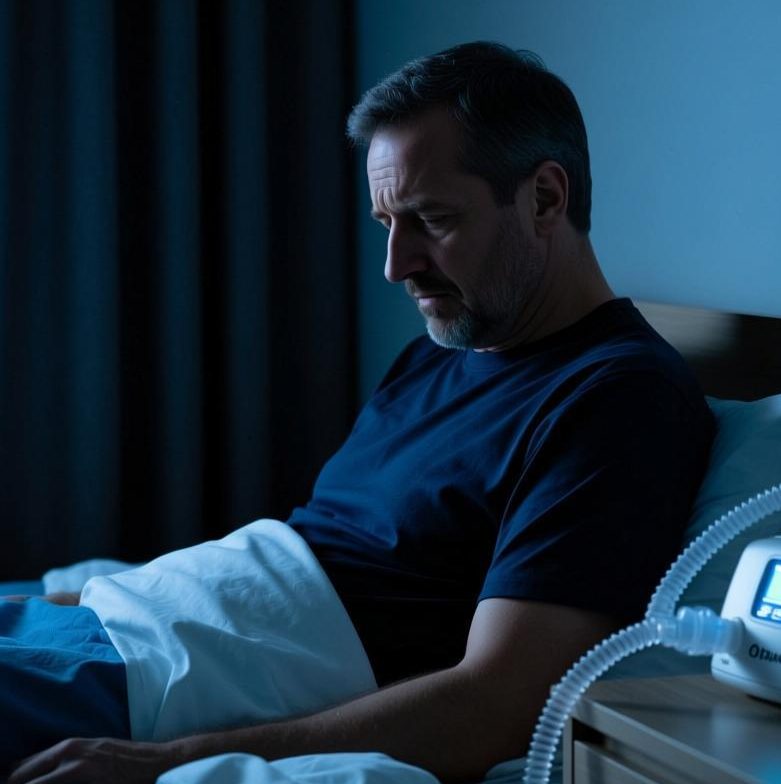
The Prevalence and Impact of Sexual Dysfunction in OSA
Obstructive Sleep Apnea (OSA) is a prevalent condition affecting an estimated 1-3% of adults, with potentially much higher rates remaining undiagnosed.
Beyond its established cardiovascular and metabolic risks, OSA is increasingly recognized as a significant contributor to sexual dysfunction (SD) in both men and women.
SD in OSA isn’t merely a symptom; it has a profound impact on quality of life, relationship satisfaction, and overall well-being. Understanding the true scope of this problem is critical for effective patient care.
Prevalence Figures: Studies indicate that up to 40-70% of men with OSA report some form of SD, including erectile dysfunction (ED), decreased libido, and premature ejaculation.
Women with OSA also experience SD, with complaints including vaginal dryness, decreased libido, and difficulty achieving orgasm.
The impact extends beyond the individual, significantly affecting their partners and overall relationship dynamics. The often-silent nature of the condition and embarrassment surrounding sexual health topics contribute to underreporting and a potential underestimation of the true prevalence.
Physiological Mechanisms Linking OSA and Sexual Dysfunction
The connection between OSA and SD isn’t coincidental; it’s driven by a complex interplay of physiological mechanisms. These go beyond simple sleep deprivation and involve hormonal disruption, vascular damage, and altered neurological signaling.
Testosterone Deficiency: OSA frequently leads to hypogonadism, characterized by decreased testosterone levels. Apneic events induce oxidative stress and disrupt the pulsatile release of gonadotropin-releasing hormone (GnRH), which is crucial for stimulating testosterone production. Lower testosterone levels directly contribute to ED, decreased libido, and impaired spermatogenesis in men. Women experience secondary effects through hormonal imbalances impacting libido and vaginal health.
Endothelial Dysfunction and Vascular Damage: Intermittent hypoxia during apneic episodes triggers the release of vasoconstrictors and activates inflammatory pathways, leading to endothelial dysfunction – a key factor in ED. OSA promotes the formation of reactive oxygen species (ROS), contributing to vascular damage and reducing blood flow to the pelvic region. This diminished blood flow compromises the physiological processes necessary for sexual arousal and function in both sexes.
Neurohormonal Dysregulation: Sleep fragmentation disrupts the release of neurotransmitters like dopamine and serotonin, which play critical roles in sexual desire and arousal. The chronic stress of OSA elevates cortisol levels, further interfering with hormonal balance and sexual function.
Clinical Presentation: A Multifaceted Problem
The clinical presentation of SD in OSA varies widely, reflecting the diverse underlying mechanisms and individual patient factors. Recognizing the nuances of patient complaints is essential for accurate diagnosis.
Male Sexual Dysfunction: Common complaints include ED (difficulty achieving or maintaining an erection), decreased libido, premature ejaculation, and reduced ejaculate volume. Some men may also experience morning erectile dysfunction, a subtle yet significant indicator of underlying OSA.
Female Sexual Dysfunction: Women with OSA often report decreased libido, vaginal dryness, difficulty achieving orgasm, and dyspareunia (painful intercourse). They may also experience menstrual irregularities and fatigue, further impacting their sexual desire and function.
Psychological Factors: It’s crucial to acknowledge the psychological component. Feelings of shame, embarrassment, anxiety, and depression, often stemming from OSA itself or its impact on relationships, can exacerbate SD. A holistic approach must address these psychological factors alongside the physiological ones.
Diagnosis: Integrating Sleep Apnea Assessment with Sexual Health History
Diagnosis requires a systematic approach integrating assessment for OSA with a thorough sexual health history. It’s not enough to assume that CPAP treatment alone will resolve SD; a more comprehensive evaluation is often needed.
Sleep Study (Polysomnography): This remains the gold standard for diagnosing OSA, quantifying the Apnea-Hypopnea Index (AHI) to determine the severity of the condition.
Sexual History Taking: A sensitive and non-judgmental interview is crucial. Direct questioning about libido, erectile function (in men), orgasm (in women), pain during intercourse, and relationship satisfaction is essential. Using validated questionnaires, such as the International Index of Erectile Function (IIEF) or the Female Sexual Function Index (FSFI), can provide a standardized assessment.
Hormonal Evaluation: Measuring total and free testosterone, estradiol, prolactin, and thyroid-stimulating hormone (TSH) helps identify hormonal imbalances contributing to SD.
Physical Examination: Includes assessment of body mass index (BMI), blood pressure, and a genital examination (for men) to rule out other potential causes of SD.
Treatment Strategies: A Multimodal Approach
Effective treatment of SD in OSA requires a tailored, multimodal approach that addresses both the underlying sleep disorder and the specific sexual health concerns.
CPAP Therapy: Optimization of CPAP therapy is the cornerstone of treatment. Ensuring adequate pressure settings, mask fit, and adherence is vital. However, it’s important to recognize that CPAP alone may not fully resolve SD in all cases.
Lifestyle Modifications: Weight loss, regular exercise, smoking cessation, and limiting alcohol consumption can improve both OSA and sexual function. These modifications address contributing factors to both conditions.
Hormone Replacement Therapy (HRT): In men with confirmed hypogonadism, testosterone replacement therapy (TRT) may be considered, carefully balancing potential benefits with risks. Close monitoring for adverse effects is essential.
Pharmacological Interventions: Medications such as phosphodiesterase-5 (PDE5) inhibitors (e.g., sildenafil, tadalafil) can be helpful for men with ED, but careful consideration of potential interactions with other medications is necessary.
Psychological Therapy: Cognitive behavioral therapy (CBT) can address anxiety, depression, and body image issues. Sex therapy can improve communication and intimacy within couples.
Pelvic Floor Rehabilitation: Pelvic floor muscle exercises can improve vaginal lubrication and pelvic floor strength, beneficial for both men and women experiencing SD.
Prognosis and Long-Term Management
The prognosis for SD in OSA is generally favorable with effective treatment of the underlying sleep disorder. However, long-term management requires ongoing vigilance and a proactive approach.
Factors Influencing Prognosis: The severity of OSA, duration of SD, presence of comorbidities (e.g., diabetes, hypertension), psychological factors, and adherence to treatment all impact prognosis.
CPAP Adherence: Maintaining long-term CPAP adherence is crucial for sustained improvement in both OSA and SD. Addressing patient concerns and providing ongoing support are essential for success. Alternative therapies like oral appliances should be considered for patients who cannot tolerate CPAP.
Follow-Up: Regular follow-up appointments with a sleep specialist and primary care physician are necessary to monitor CPAP effectiveness, assess ongoing SD, and address any emerging concerns. Periodic hormonal evaluations may also be warranted.
The Role of Communication and Foreplay in Rebuilding Intimacy
Addressing the physiological issues related to OSA is essential, but it’s not sufficient. Rebuilding intimacy requires deliberate effort, open communication, and a renewed focus on foreplay and emotional connection.
Open and Honest Communication – The Foundation
Acknowledging the Problem: The first step is for both partners to acknowledge that there’s a problem and that OSA is likely contributing. This requires vulnerability and a willingness to be honest about feelings and concerns.
Creating a Safe Space: Establish a safe and non-judgmental space for discussing sexual health. This means actively listening, validating each other’s feelings, and avoiding blame.
Expressing Needs and Concerns: Both partners should clearly express their needs and concerns, even if they feel awkward or uncomfortable doing so. Using “I” statements (e.g., “I feel anxious when…”) can help avoid defensiveness.
Educating the Partner: The partner with OSA should educate their partner about the condition and its impact on sexual function. Understanding the physiological basis of the problem can foster empathy and reduce frustration.
Seeking Professional Guidance: A couples therapist or sex therapist can provide a safe and supportive environment to facilitate communication and address underlying emotional issues.
Reclaiming Foreplay – Beyond the Physical Act
Foreplay isn’t just about physical stimulation; it’s about reconnecting emotionally and building anticipation. With OSA-related sexual dysfunction, it’s even more important to prioritize foreplay:
Focus on Emotional Connection: Spend time talking, cuddling, and engaging in activities that foster emotional intimacy, without the pressure of sex.
Sensual Exploration: Explore different forms of non-sexual touch and stimulation to rediscover pleasure and connection.
Extended and Creative Foreplay: Expand the definition of foreplay beyond traditional approaches. Experiment with different activities, environments, and senses.
Mindfulness and Presence: Be fully present in the moment, focusing on sensations and connection rather than performance. Mindfulness exercises can help reduce anxiety and enhance pleasure.
Reducing Pressure: Shift the focus from achieving orgasm to enjoying the process of intimacy.
Experimentation and Playfulness: Be open to trying new things and having fun. Laughter and playfulness can help reduce anxiety and enhance intimacy.
Prioritize Non-Sexual Touch: Holding hands, hugging, and cuddling can help maintain intimacy and connection even when sexual activity is difficult.
The Partner’s Role – Empathy, Support & Patience
The partner without OSA plays a crucial role in this process.
Empathy & Understanding: Recognize the frustration and anxiety that the partner with OSA is experiencing.
Patience: Sexual function often improves with OSA treatment, but it can take time. Be patient and supportive throughout the process.
Active Listening: Listen without judgment and validate feelings.
Offering Encouragement: Encourage the partner with OSA to seek treatment and to communicate openly.
Taking Initiative: Be willing to initiate intimacy and explore new ways of connecting.
Self-Care: The partner without OSA also needs to prioritize their own emotional well-being.
The Patient-Centered Perspective: A Crucial Element
Ultimately, successful management of SD in OSA hinges on a patient-centered approach. Open communication, empathy, and a willingness to address individual concerns are paramount.
Patients should be actively involved in the decision-making process, and their preferences and values should guide treatment strategies.
Breaking the stigma surrounding sexual health and promoting early diagnosis and intervention are essential to improving the lives of individuals affected by this often-overlooked problem.