The concept of male virility is often shrouded in misconceptions, fueled by societal pressures and marketing hype. While traditionally linked to physical attributes like muscle mass, stamina, and sexual performance, virility is a far more nuanced concept.
It encompasses a holistic sense of well-being: physical strength and vitality, emotional resilience, mental clarity, and a feeling of purpose and confidence.
This guide aims to explore the multifaceted nature of male virility and provide evidence-based strategies to enhance it, moving beyond simplistic notions and addressing the underlying factors that contribute to a man’s overall sense of power and fulfillment.
The Physiological Foundations of Virility
At its core, male virility is profoundly rooted in physiological health. Several key hormonal and biological processes are central to this. Testosterone, often mistakenly considered the sole determinant of virility, plays a significant role but is just one piece of the puzzle.
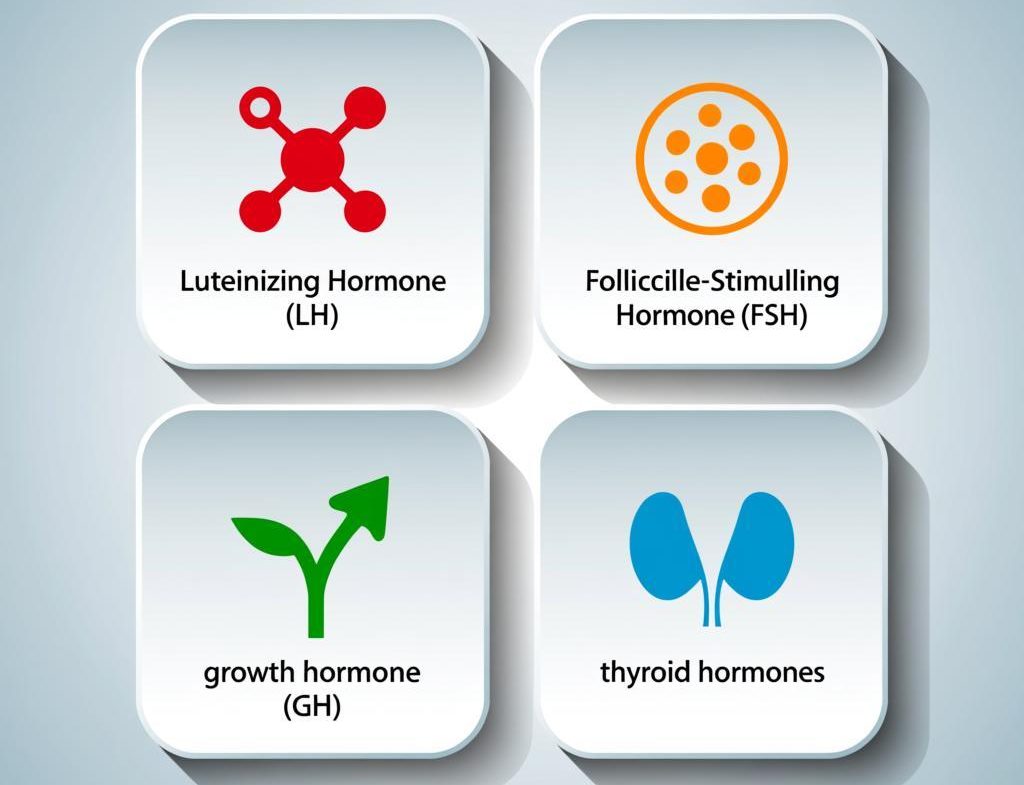
Other crucial hormones include: Luteinizing Hormone (LH), Follicle-Stimulating Hormone (FSH), growth hormone (GH), and thyroid hormones.
The hypothalamus and pituitary gland regulate these hormones, and their interplay dictates overall reproductive function, muscle mass, bone density, energy levels, and mood.
Key Physiological Factors Affecting Virility:
- Testosterone Levels: Declining testosterone (androgen) levels are a natural part of aging (andropause), but premature decline can significantly impact virility. Factors like obesity, stress, and certain medical conditions can accelerate this decline.
- Spermatogenesis: Healthy sperm production is a vital indicator of reproductive health and overall vitality.
- Cardiovascular Health: Robust cardiovascular function ensures adequate blood flow to all tissues, including reproductive organs, and supports stamina and energy levels.
- Metabolic Function: Efficient metabolism optimizes energy production and nutrient utilization, contributing to overall vitality.
- Hormone Receptor Sensitivity: Even with adequate hormone levels, receptor sensitivity can diminish with age or unhealthy habits, reducing the effectiveness of hormones.
The Role of Nutrition in Boosting Virility
Nutrition is the bedrock of a virile lifestyle. What you consume directly impacts hormone production, muscle growth, energy levels, and overall health.
A well-balanced diet rich in whole foods provides the building blocks for optimal physiological function. Avoiding processed foods, excessive sugar, and unhealthy fats is crucial. Certain nutrients have been specifically linked to improved male virility.
Key Nutritional Strategies:
- Protein: Essential for muscle building and repair, and for hormone production. Aim for 1.6-2.2 grams of protein per kilogram of body weight.
- Healthy Fats: Omega-3 fatty acids (found in fatty fish, flaxseeds, and walnuts) are crucial for hormone production and reducing inflammation. Monounsaturated fats (found in olive oil and avocados) are also beneficial.
- Complex Carbohydrates: Provide sustained energy and support healthy blood sugar levels. Choose whole grains, fruits, and vegetables over refined carbs.
- Micronutrients: Zinc, selenium, vitamin D, and magnesium are all vital for testosterone production and overall health. Consider supplementation if dietary intake is insufficient (always consult a doctor first).
- Antioxidants: Protect cells from damage caused by free radicals, which can impair hormone production and overall health.
The Power of Exercise for Male Vitality
Regular physical activity is another cornerstone of male virility. Exercise not only builds muscle and improves cardiovascular health, but it also positively influences hormone levels and mood. Different types of exercise offer unique benefits.
Exercise Modalities for Virility:
- Resistance Training (Weightlifting): The most effective type of exercise for boosting testosterone levels and building muscle mass. Focus on compound exercises like squats, deadlifts, bench presses, and overhead presses.
- High-Intensity Interval Training (HIIT): Improves cardiovascular health, increases metabolism, and can positively impact hormone levels.
- Cardiovascular Exercise (Running, Swimming, Cycling): Enhances endurance, strengthens the heart, and improves overall health.
- Yoga & Flexibility Training: Reduces stress, improves flexibility and mobility, and promotes relaxation, which can positively influence hormone balance.
The Mental and Emotional Dimensions of Virility
Virility isn’t just about physical prowess; it’s deeply intertwined with mental and emotional well-being. Stress, anxiety, and depression can significantly impair hormone production and overall vitality.
Cultivating mental resilience, managing stress effectively, and fostering emotional intelligence are vital components of a virile lifestyle.
Strategies for Mental and Emotional Enhancement:
- Stress Management: Practice relaxation techniques like meditation, deep breathing exercises, and yoga.
- Mindfulness: Cultivate present moment awareness to reduce anxiety and improve focus.
- Emotional Intelligence: Develop the ability to understand and manage your emotions, and to empathize with others.
- Purpose and Meaning: Engage in activities that provide a sense of purpose and fulfillment.
- Social Connection: Maintain strong relationships with friends, family, and community. Isolation can negatively impact mental health and hormone levels.
Lifestyle Factors: Sleep, Hydration, and Avoiding Toxins
Beyond nutrition and exercise, several lifestyle factors significantly impact male virility. Ignoring these factors can negate the benefits of even the best diet and exercise program.
Critical Lifestyle Considerations:
- Sleep: Adequate sleep (7-9 hours per night) is crucial for hormone production and recovery. Sleep deprivation can significantly lower testosterone levels.
- Hydration: Dehydration can negatively impact energy levels, muscle function, and hormone balance. Drink plenty of water throughout the day.
- Alcohol Consumption: Excessive alcohol intake can disrupt hormone production and impair liver function.
- Smoking: Smoking damages blood vessels, reduces oxygen flow, and impairs hormone production.
- Environmental Toxins: Exposure to environmental toxins like pesticides and plastics (containing phthalates and BPA) can disrupt endocrine function. Minimize exposure whenever possible.
Supplements: A Cautious Approach
While a healthy lifestyle should be the primary focus, certain supplements may offer some benefits in specific circumstances.
However, it’s crucial to approach supplements with caution, as their effectiveness can vary, and some may have adverse effects. Always consult with a doctor before taking any supplements.
Potential Supplements (with caveats):
- Vitamin D: Especially important for men with limited sun exposure.
- Zinc: Essential for testosterone production.
- Magnesium: Plays a role in numerous bodily functions, including hormone production and muscle function.
- Creatine: Can enhance muscle strength and power.
- D-Aspartic Acid (DAA): Some studies suggest it may temporarily increase testosterone levels, but results are mixed.
- Tribulus Terrestris: Evidence is inconsistent regarding its effectiveness in boosting testosterone.
Medical Interventions: When Necessary
In some cases, medical interventions may be necessary to address underlying conditions affecting male virility. These interventions should be considered only after addressing lifestyle factors and under the guidance of a qualified medical professional.
Potential Medical Interventions:
- Testosterone Replacement Therapy (TRT): May be considered for men with clinically low testosterone levels, but carries potential risks and benefits that should be carefully discussed with a doctor.
- Treating Underlying Medical Conditions: Addressing conditions like obesity, diabetes, and sleep apnea can often improve hormone levels and overall vitality.
- Sperm Analysis and Treatment: For men experiencing fertility issues, a sperm analysis can identify underlying problems and guide treatment options.
Redefining Virility: A Modern Perspective
The traditional definition of male virility needs to evolve. It’s no longer solely about physical dominance or sexual prowess. True virility encompasses a holistic sense of well-being: physical health, mental resilience, emotional intelligence, and a commitment to living a purposeful and fulfilling life.
By embracing a comprehensive approach that addresses all facets of well-being, men can unlock their full potential and experience a richer, more vibrant life.
Conclusion
Enhancing male virility is a journey, not a destination. It requires a commitment to adopting healthy habits, cultivating mental resilience, and embracing a holistic approach to well-being.
By prioritizing nutrition, exercise, stress management, and healthy lifestyle choices, men can enhance their vitality, build confidence, and live a more fulfilling life. Remember to consult with healthcare professionals for personalized advice and guidance.