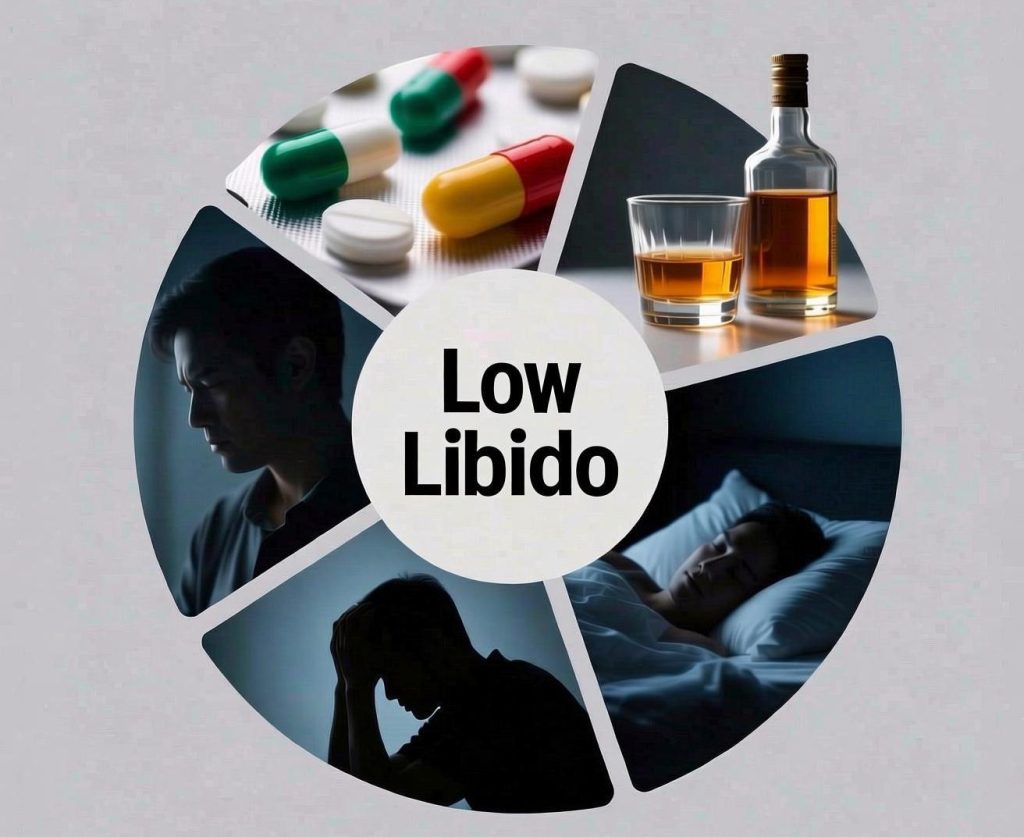
Decreased libido, or reduced sexual desire, is a common concern affecting both men and women. It’s rarely a straightforward issue and often stems from a complex interplay of biological, psychological, and relational factors.
Attributing it solely to a single cause is typically an oversimplification. Before considering medications, a thorough evaluation of these underlying factors is crucial.
This evaluation should consider medical history (including chronic illnesses and previous surgeries), current medications, psychological well-being (stress, anxiety, depression), relationship dynamics, and lifestyle factors (diet, exercise, sleep).

Biological Contributors to Reduced Libido
Several underlying medical conditions can contribute significantly to decreased libido. In women, these can include hormonal imbalances (menopause, postpartum changes, thyroid disorders, polycystic ovary syndrome – PCOS), chronic pain conditions, neurological disorders, and certain cancers or their treatments.
Men can experience decreased libido due to hypogonadism (low testosterone), diabetes, cardiovascular disease, neurological conditions, prostate cancer or its treatment, and Peyronie’s disease.
Even seemingly unrelated conditions can impact sexual desire. For example, chronic kidney disease can disrupt hormonal balance and cause fatigue, further diminishing libido.
Psychological and Relational Factors
Psychological factors frequently play a significant role. Depression, anxiety, past trauma, relationship conflicts, and body image issues can all negatively affect sexual desire.
Stress, both work-related and personal, can also be a major contributing factor. The impact of these factors can be bi-directional; a decrease in libido can exacerbate psychological distress, creating a vicious cycle.
Addressing these psychological concerns often requires a multidisciplinary approach, including psychotherapy, relationship counseling, and potentially psychiatric intervention.
Pharmacological Interventions: An Overview of Medication Classes
While medications can be a helpful adjunct in managing decreased libido, they are rarely a standalone solution. They are most effective when combined with addressing underlying medical and psychological issues.
This section explores various medication classes and their potential roles, categorized by target population (male, female, and both).
Medications for Male Hypoactive Sexual Desire Disorder (HSDD)
The most common biological cause of decreased libido in men is low testosterone.
- Testosterone Replacement Therapy (TRT): This can be administered via injections, transdermal patches, gels, or oral formulations. TRT can significantly improve libido and sexual function in men with documented hypogonadism. Careful screening for cardiovascular risk factors and monitoring for potential side effects (e.g., erythrocytosis, sleep apnea, prostate enlargement) are essential.
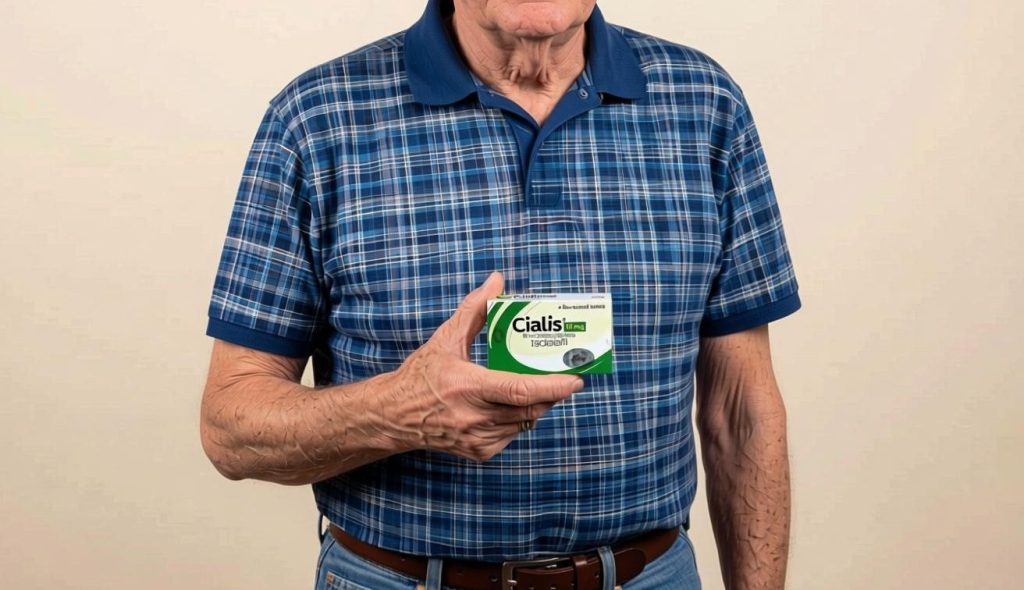
- Phosphodiesterase-5 (PDE5) Inhibitors (Viagra, Cialis, Levitra): While primarily used for erectile dysfunction, these medications can improve sexual satisfaction in men with decreased libido, particularly when psychological factors contribute to their sexual dysfunction. They do not directly increase desire but can enhance responsiveness to sexual stimuli.
- Dopamine Agonists (Pramipexole, Rotigotine): These medications, typically used for Parkinson’s disease, can stimulate dopamine pathways in the brain, potentially increasing sexual desire in some men. However, they are not routinely prescribed for HSDD due to potential side effects.
Medications for Female Sexual Dysfunction, Including HSDD
Treatment options for female HSDD have historically been limited. However, recent advancements have introduced specific medications.
- Flibanserin (Addyi): This serotonin 5-HT1A receptor agonist is approved for premenopausal women with HSDD. It increases serotonin levels in the brain, which can positively impact sexual desire. Careful screening for potential drug interactions and monitoring for side effects (e.g., hypotension, dizziness) are necessary. It is contraindicated in women taking certain medications and should be used with caution in those with liver problems.
- Bremelanotide (Vyleesi): This melanocortin receptor agonist is a self-administered injectable medication for premenopausal women with HSDD. It acts on melanocortin receptors in the brain, potentially increasing sexual desire. Common side effects include nausea and flushing. Contraindications and precautions are similar to flibanserin.
- Testosterone Therapy: While less commonly prescribed, testosterone therapy can be considered for postmenopausal women with documented testosterone deficiency. The evidence supporting its efficacy and safety in this population is still evolving, and careful monitoring is essential.
- Antidepressants (with caution): Certain antidepressants, particularly selective serotonin reuptake inhibitors (SSRIs), can significantly decrease libido in women. Switching to a different antidepressant with a less impactful effect on sexual function or adding a medication like bupropion (which can counteract the sexual side effects of SSRIs) may be considered.
Medications with Potential Libido Side Effects: A Double-Edged Sword
Many medications can contribute to decreased libido as a side effect. Antidepressants, particularly selective serotonin reuptake inhibitors (SSRIs) and serotonin-norepinephrine reuptake inhibitors (SNRIs), are among the most common culprits.
While these medications are effective for treating depression and anxiety, they can suppress sexual desire by altering neurotransmitter levels in the brain.
Other medications, such as antihypertensives, antipsychotics, and anticonvulsants, may also reduce libido through their impact on hormone production or nerve function.
Many medications commonly used to treat other conditions can inadvertently reduce libido as a side effect. Understanding this is crucial for both patients and healthcare providers.
- Antidepressants (SSRIs, SNRIs, Tricyclics): These are perhaps the most common culprits, particularly SSRIs.
- Antipsychotics (Risperidone, Olanzapine): Can significantly affect dopamine and serotonin pathways, leading to decreased libido.
- Opioid Pain Medications (Morphine, Oxycodone): Can interfere with hormonal balance and reduce sexual desire.
- Beta-Blockers (Propranolol, Metoprolol): Used for hypertension and anxiety; can affect sexual function.
- H2 Receptor Antagonists (Ranitidine, Famotidine): Used for acid reflux; can potentially impact hormone levels.
Patients should also be aware of the potential interactions between medications and hormonal therapies. For instance, some antidepressants can interfere with testosterone production or estrogen metabolism, potentially exacerbating symptoms of decreased libido.
A thorough review of all medications is essential to identify any contributing factors and develop a treatment plan that minimizes adverse effects.
Non-Pharmacological Approaches: Prioritizing Lifestyle and Therapy
While medications play a significant role in managing decreased libido, non-pharmacological interventions are also essential for addressing the condition.
These include lifestyle modifications, psychological therapies, and holistic approaches that focus on improving overall well-being and sexual function. Integrating these interventions with medical treatment can lead to more comprehensive and sustainable outcomes.
Before initiating medication, non-pharmacological interventions should always be explored. These include:
- Psychotherapy (Cognitive Behavioral Therapy, Sex Therapy): Addresses psychological and relational factors contributing to decreased libido.
- Relationship Counseling: Helps couples address communication issues and intimacy concerns.
- Lifestyle Modifications: Regular exercise, a healthy diet, adequate sleep, and stress management techniques can significantly improve overall well-being and sexual function.
- Pelvic Floor Physical Therapy (for women): Can address pelvic floor muscle dysfunction that may contribute to sexual dysfunction.
- Addressing Underlying Medical Conditions: Optimizing the management of chronic illnesses, such as diabetes or thyroid disorders, can positively impact libido.
Smoking and excessive alcohol consumption are also known to negatively impact sexual health. Smoking can reduce blood flow to the genital area, leading to erectile dysfunction and decreased libido, while excessive alcohol use can impair judgment, reduce sexual desire, and interfere with hormone production. Quitting smoking and limiting alcohol intake can help improve sexual function and overall health.
Specific Considerations: Age, Gender, and Comorbidities
The approach to managing decreased libido must be tailored to the individual patient, considering their age, gender, and any existing medical conditions.
For example, men with prostate cancer undergoing androgen deprivation therapy will require a different management strategy than a premenopausal woman experiencing stress-related sexual dysfunction.
Similarly, older adults may require lower doses of medications due to age-related physiological changes and potential drug interactions.
The Importance of Open Communication and Shared Decision-Making
Decreased libido can also be influenced by the quality of an individual’s relationships. Communication issues, unresolved conflicts, or a lack of emotional intimacy can create a sense of disconnection, leading to reduced sexual desire.
Additionally, societal expectations and cultural norms may place pressure on individuals to maintain a certain level of sexual activity, which can exacerbate feelings of inadequacy or frustration.
Therapy, particularly couples therapy or sex therapy, can be beneficial for addressing relationship-related issues. These interventions focus on improving communication, resolving conflicts, and fostering emotional intimacy.
In some cases, sex therapy may also involve education on sexual health, techniques for enhancing intimacy, and strategies for overcoming performance anxiety or other barriers to sexual satisfaction.
Discussing decreased libido with a healthcare provider can be challenging, but it’s a crucial step in addressing the issue. Open and honest communication is essential for accurate diagnosis and development of an effective treatment plan.
Shared decision-making, where the patient actively participates in the decision-making process, is paramount. Patients should be fully informed about the potential benefits, risks, and limitations of all treatment options.
Conclusion
Decreased libido is a complex issue with multifaceted causes. Management requires a comprehensive approach that addresses biological, psychological, and relational factors.
While medications can be a valuable tool, they are most effective when integrated with lifestyle modifications, therapy, and addressing underlying medical conditions.
Open communication, shared decision-making, and ongoing monitoring are essential for achieving optimal outcomes and improving overall quality of life.