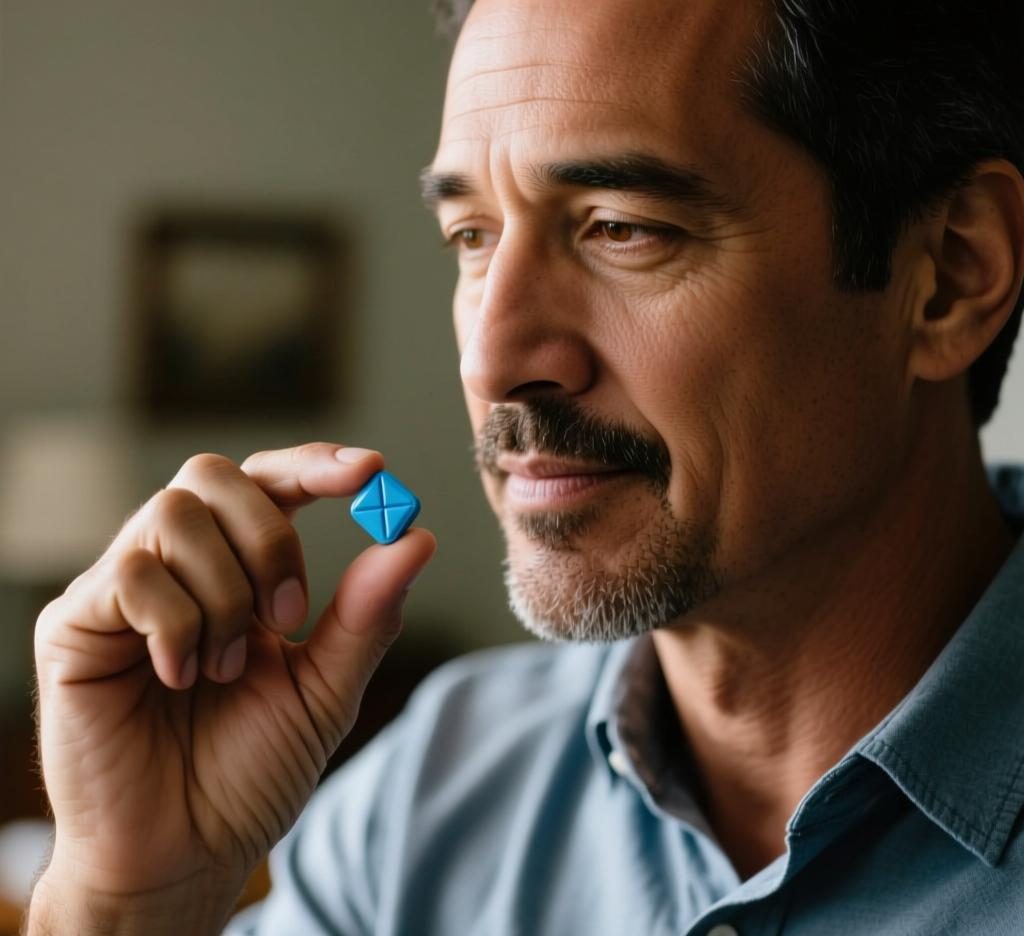
Erectile dysfunction (ED) is a common and often sensitive concern for men of all ages. While medications and medical interventions are readily available, a surprisingly effective and often overlooked approach involves strengthening the pelvic floor muscles – a strategy primarily associated with women but increasingly recognized for its benefits for men’s sexual health.
This article delves beyond the basics of Kegel exercises, exploring their mechanism, related lifestyle factors, alternative therapies, and understanding when to seek professional help. We’ll also touch upon common misconceptions and popular (sometimes misleading) remedies.
Understanding the Pelvic Floor and Its Role in Erectile Function
Imagine a hammock supporting your bladder, bowel, and, crucially, your reproductive organs. That’s essentially what your pelvic floor is. It’s a complex network of muscles, ligaments, and connective tissues that play a vital role in urinary and bowel control, sexual function, and core stability.
For men, these muscles contribute to rigidity during erection, ejaculatory control, and overall sexual satisfaction. Weakened pelvic floor muscles can contribute to issues like premature ejaculation, difficulty achieving or maintaining an erection, and even urinary incontinence.
The Mechanics of Kegel Exercises: How They Work
Kegel exercises, formally known as pelvic floor muscle training (PFMT), involve consciously contracting and relaxing these pelvic floor muscles.
The process can be initially challenging to identify the correct muscles, but a helpful tip is to imagine you are trying to stop the flow of urine midstream. That squeeze is a start, but it’s crucial to isolate only the pelvic floor muscles – avoid squeezing your abs, buttocks, or thighs.
A common regimen begins with contracting the muscles for 3 seconds, then releasing for 3 seconds. Repeat this 10-15 times, 3 times a day. Over time, the duration and number of repetitions can be increased as strength improves. Consistency is key; it typically takes several weeks to months to see noticeable improvements.
Beyond Kegels: Complementary Exercises and Lifestyle Factors
While Kegels are a cornerstone, a holistic approach to improving erectile function often involves combining them with other exercises and lifestyle modifications. These include:
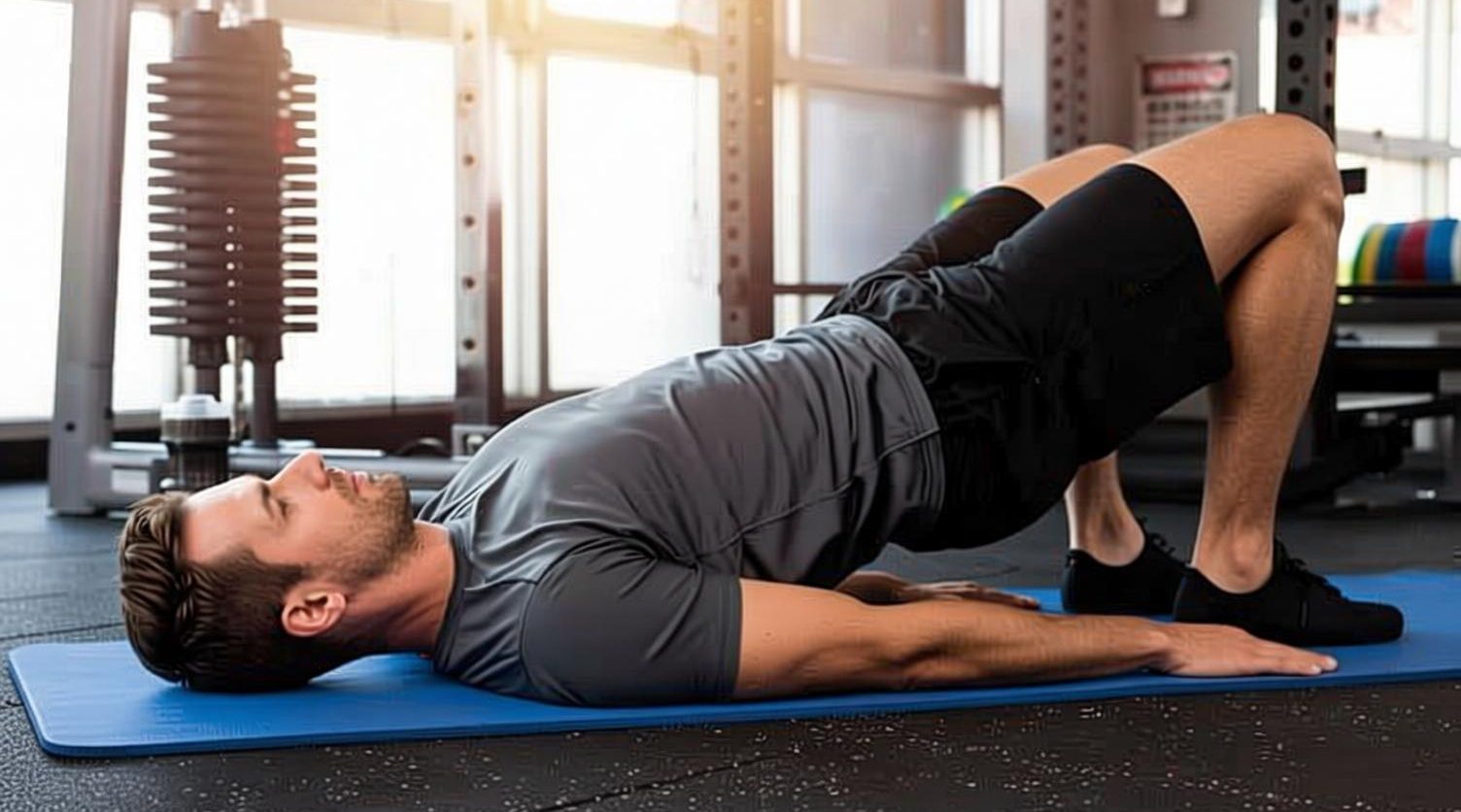
- Core Strengthening: A strong core supports the pelvic floor. Planks, bridges, and squats are beneficial.
- Cardiovascular Exercise: Regular aerobic activity improves blood flow, crucial for erections.
- Yoga & Pilates: These practices often focus on pelvic floor engagement and core strength.
- Diet: A diet rich in fruits, vegetables, and lean protein supports overall health and blood vessel function.
- Weight Management: Obesity is a significant risk factor for ED.
- Smoking Cessation: Smoking damages blood vessels, hindering blood flow to the penis.
- Moderate Alcohol Consumption: Excessive alcohol can impair erectile function.
Understanding & Utilizing Medications: Viagra and Beyond
While PFMT and lifestyle changes are crucial, medications like Viagra (sildenafil) can provide temporary relief. Let’s briefly examine what’s happening chemically.
The Science Behind Viagra: Active Ingredients
Viagra’s active ingredient is sildenafil citrate. It belongs to a class of drugs called phosphodiesterase-5 (PDE5) inhibitors. Here’s a simplified explanation:
- Nitric Oxide Release: Sexual stimulation triggers the release of nitric oxide in the penis.
- cGMP Production: Nitric oxide activates an enzyme called guanylate cyclase, which produces cyclic GMP (cGMP).
- Muscle Relaxation: cGMP relaxes the smooth muscles in the penis, allowing increased blood flow and an erection.
- PDE5 Inhibition: PDE5 is an enzyme that breaks down cGMP. Sildenafil inhibits PDE5, prolonging the effects of cGMP and enhancing the erection.
Important Note: Viagra does not cause an erection. It facilitates one when sexual stimulation is present. It also requires healthy blood vessel function to work effectively.
Alternatives to Viagra: Tadalafil, Vardenafil, and Avanafil
Other PDE5 inhibitors like tadalafil (Cialis), vardenafil (Levitra), and avanafil (Stendra) exist, each with slightly different durations of action and side effect profiles. A discussion with a healthcare provider is essential to determine the most appropriate option.
Celebrity Experiences: A Fictionalized Perspective
Let’s consider a fictionalized account, drawing on common perceptions. “Marcus Sterling,” a popular action movie star in his late 40s, reported experiencing occasional ED due to stress and demanding filming schedules. He initially relied on Viagra, but felt it masked an underlying issue.
On the advice of his personal trainer, he incorporated a daily regimen of Kegel exercises and core strengthening into his routine. He also improved his diet and reduced his alcohol intake. Marcus reported feeling more in control and experiencing improved overall sexual performance, even reducing his reliance on medication.
Another fictional character, “Julian Vance,” a successful tech entrepreneur, faced similar challenges. Julian attributed his ED to prolonged sitting and a lack of physical activity. He started with a basic Kegel program but found it difficult to maintain.
He integrated the exercises into his commute, performing them discreetly on public transportation (though he admits initially feeling awkward!). Combined with regular walks and mindful breathing exercises, Julian noticed a significant improvement in his sexual function and a reduction in his anxiety around the issue.
Food as Medicine: Can Cucumbers Help?
The internet is rife with claims about foods that can boost sexual performance. Cucumbers, surprisingly, are often mentioned. While cucumbers aren’t a magic bullet, they do contain nutrients that can contribute to overall health. They are a good source of magnesium, which plays a role in blood vessel relaxation, and vitamin K, important for blood clotting and circulation.
Water content is also high which helps in maintaining the hydration which plays a vital role. The theory is that improved circulation and hydration might positively impact erectile function, but there’s no direct scientific evidence supporting a causal relationship. They are a healthy addition to a balanced diet, but don’t expect miracles.
Addressing Misconceptions and Common Pitfalls
Several misconceptions surround Kegel exercises and erectile function. Here are a few:
- “Kegels are only for women.” This is false. Men benefit immensely.
- “I’ll immediately see results.” Consistency and patience are vital. Results take time.
- “I’m doing Kegels correctly.” Improper technique is common. Seek guidance from a physical therapist or pelvic floor specialist.
- “Kegels can cure ED.” While they can significantly improve function, they may not be a complete solution for all cases. They are often part of a larger treatment plan.
When to Seek Professional Help
While Kegel exercises and lifestyle modifications can be effective, it’s crucial to recognize when professional help is necessary. Consult a doctor if:
- Your ED is sudden or severe.
- You have pain during erections.
- You have difficulty urinating.
- Lifestyle changes and Kegel exercises haven’t produced sufficient improvement.
- You suspect an underlying medical condition is contributing to your ED (e.g., diabetes, heart disease).
The Psychological Dimension: Stress, Anxiety, and Performance
Erectile dysfunction is often intertwined with psychological factors. Stress, anxiety, depression, and relationship issues can all contribute to the problem, creating a vicious cycle – the anxiety about performance can impair performance.
Mindfulness practices, therapy (cognitive behavioral therapy – CBT – can be particularly helpful), and open communication with a partner can address these psychological components and improve overall sexual health. Remember, seeking help is a sign of strength, not weakness.
Advanced Techniques and Future Directions
Beyond basic Kegel exercises, more advanced techniques are emerging. Biofeedback, for example, uses sensors to provide real-time feedback on muscle activity, helping individuals refine their technique.
Electrical stimulation (NMES) can also be used to strengthen pelvic floor muscles under the guidance of a trained therapist. Research is ongoing to further understand the complex interplay between pelvic floor function, erectile health, and overall well-being.
Conclusion
Improving erectile function is a multifaceted process. Kegel exercises, combined with a healthy lifestyle, mindful stress management, and, when necessary, medical interventions, can significantly enhance sexual health and overall quality of life.
The journey requires commitment, patience, and, importantly, a willingness to seek professional help when needed. Don’t hesitate to explore the resources available to you and reclaim your sexual confidence.