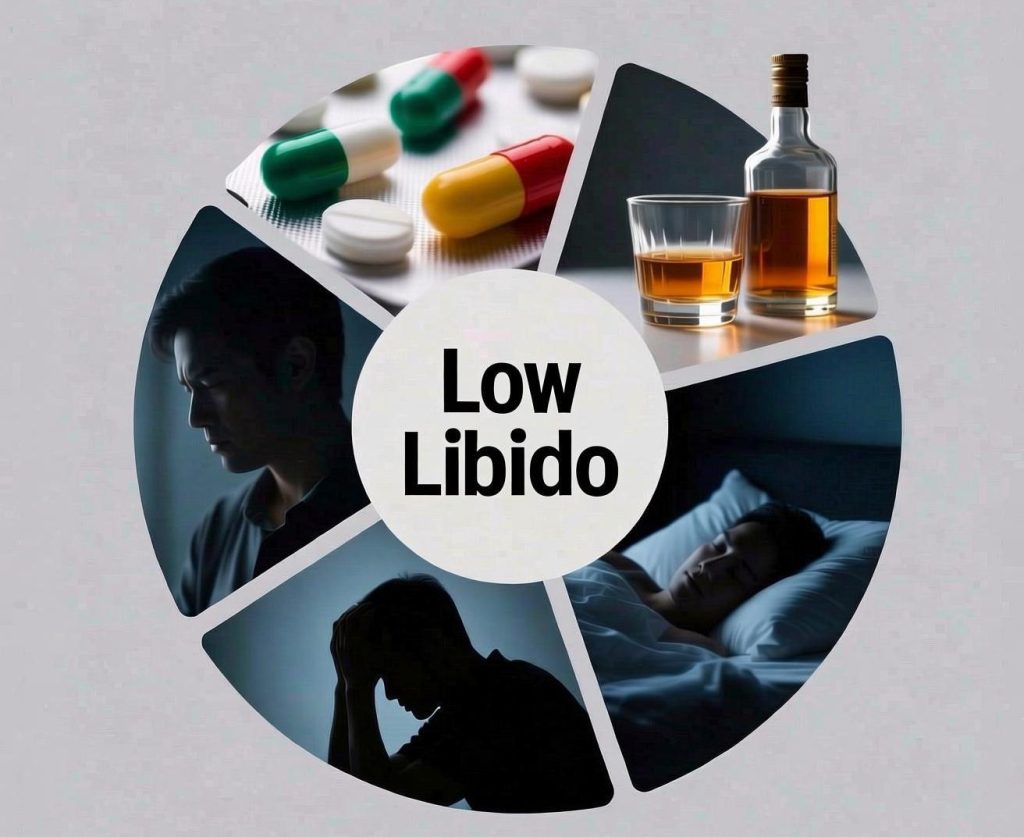
Ashwagandha (Withania somnifera), a revered herb in Ayurvedic medicine, has gained significant traction in recent years, not just for its adaptogenic properties – its ability to help the body manage stress – but also for its potential impact on male sexual health.
While traditional use supports claims of improved libido, fertility, and overall sexual function, modern scientific investigation is beginning to shed light on how Ashwagandha might exert these effects.
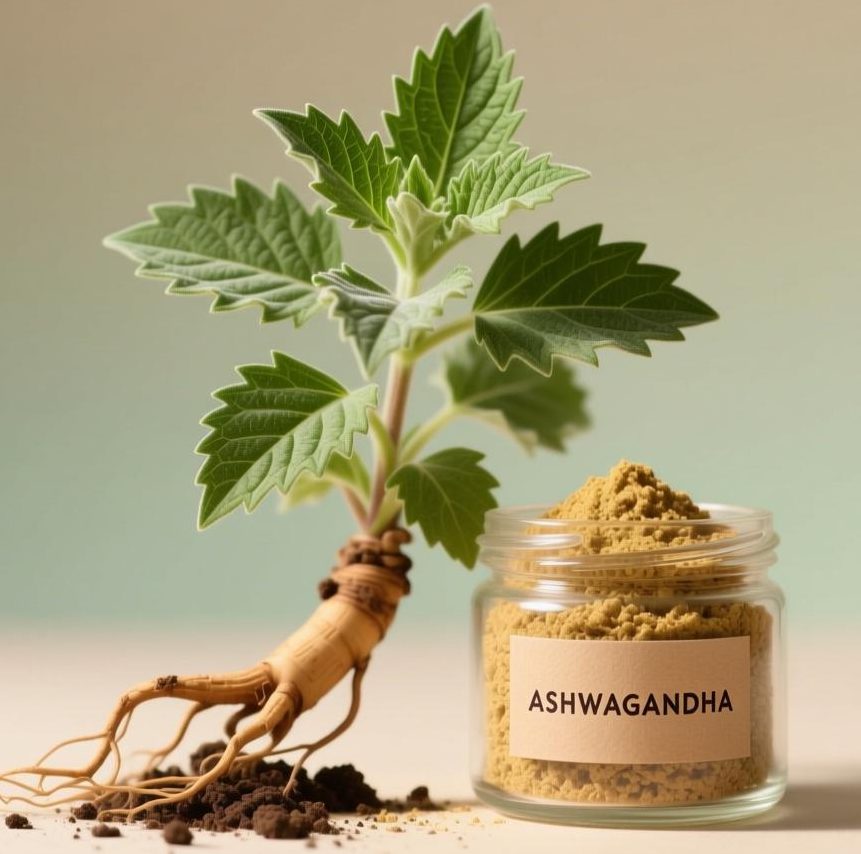
This article explores the current evidence, delves into the potential mechanisms of action, examines the nuances of different formulations, and considers future directions for research.
We’ll examine perspectives from traditional Ayurvedic practitioners, anecdotal user experiences, preliminary clinical studies, and the views of scientists researching its bioactive compounds.
Historical Context and Traditional Usage
The history of Ashwagandha in Ayurvedic practice is extensive. It’s considered a Rasayana, a rejuvenating tonic that promotes longevity, vitality, and overall well-being. Historically, it’s been prescribed for a wide range of ailments, including fatigue, weakness, nervous disorders, and reproductive issues.
Traditional texts often mention its use to improve male strength, stamina, and virility. Practitioners observed that it could positively affect the quality of semen and enhance reproductive capacity.
This wasn’t viewed in isolation, but as part of a holistic approach; Ashwagandha was often combined with other herbs and lifestyle adjustments to achieve optimal results.
It’s important to note that traditional usage lacks the rigor of modern clinical trials, and observed benefits were often attributed to a combination of factors, not solely to the herb itself.
The Science Behind the Claims: Potential Mechanisms of Action
The purported benefits of Ashwagandha for male sexual health aren’t solely based on anecdotal evidence or tradition. Scientific research is identifying several potential mechanisms by which it could impact sexual function. These mechanisms likely operate synergistically, contributing to the observed effects. Here’s a breakdown:
1. Cortisol Regulation and Stress Reduction
Stress is a notorious enemy of sexual health. Elevated cortisol levels, the body’s primary stress hormone, can suppress testosterone production, impair libido, and contribute to erectile dysfunction.
Ashwagandha is well-established as an adaptogen, meaning it helps the body adapt to stressors. Numerous studies (including randomized controlled trials) have demonstrated that Ashwagandha supplementation can significantly reduce cortisol levels. This, in turn, can have a cascading positive effect on testosterone and sexual function.
2. Testosterone Boosting
One of the most compelling areas of research focuses on Ashwagandha’s impact on testosterone. While not a potent testosterone booster like synthetic compounds, several studies, particularly in men experiencing stress-related infertility or low testosterone, have shown a significant increase in testosterone levels following Ashwagandha supplementation.
This effect isn’t uniform; the magnitude of the increase appears to be influenced by individual factors such as baseline testosterone levels and the presence of stress.
The mechanism behind this remains under investigation, but potential pathways involve stimulating Leydig cells (the cells in the testes responsible for testosterone production) and modulating the hypothalamic-pituitary-gonadal (HPG) axis.
3. Antioxidant and Anti-Inflammatory Effects
Oxidative stress and inflammation are increasingly recognized as contributing factors to various health problems, including sexual dysfunction. Ashwagandha is a potent antioxidant, rich in compounds like withanolides. These compounds scavenge free radicals, protecting cells from damage.
Furthermore, Ashwagandha exhibits anti-inflammatory properties, which can improve blood flow and tissue health – crucial for erectile function and overall sexual responsiveness. Improved endothelial function (the health of blood vessel linings) is particularly relevant.
4. Improved Semen Parameters
Several clinical trials involving men with male factor infertility have investigated Ashwagandha’s impact on semen parameters, such as sperm count, sperm motility (the ability of sperm to move effectively), and sperm morphology (shape).
Some studies have demonstrated improvements in all three of these parameters, suggesting a potential benefit for male fertility. The precise mechanisms underlying these improvements are likely multi-faceted, involving antioxidant protection against sperm DNA damage, improved testicular function, and potentially enhanced sperm maturation.
5. Neuroprotective Effects and Libido Enhancement
Ashwagandha’s neuroprotective properties are gaining increasing recognition. It may improve cognitive function and reduce anxiety, both of which can positively influence libido and sexual desire.
The central nervous system plays a critical role in sexual arousal and response, and Ashwagandha’s effects on neurotransmitter levels and brain function could contribute to enhanced libido.
Formulations and Bioavailability: A Complex Picture
Not all Ashwagandha formulations are created equal. The bioavailability (the extent to which a substance is absorbed and utilized by the body) of its active compounds, primarily withanolides, varies significantly depending on the plant part used, extraction methods, and processing techniques.
1. Root vs. Leaf Extracts
Traditionally, the root of the Ashwagandha plant has been used. However, research suggests that leaf extracts may contain higher levels of certain beneficial compounds, while roots are richer in others.
The optimal formulation may depend on the desired effects. Some manufacturers may utilize a blend of root and leaf extracts to capitalize on the benefits of both.
2. Withanolide Content and Standardization
The potency of Ashwagandha is largely determined by the concentration of withanolides. Standardized extracts, which guarantee a specific percentage of withanolides (typically withaferin A and withanolides I-IV), are generally preferred for ensuring consistent efficacy. However, it’s important to note that standardization doesn’t capture the full complexity of the plant’s bioactive compounds.
3. Bioavailability Enhancement Techniques
Withanolides have relatively poor bioavailability. Manufacturers are increasingly employing techniques like liposomal encapsulation and phytosome technology to enhance absorption. Liposomal encapsulation involves enclosing withanolides within lipid vesicles, which protect them from degradation in the digestive tract and facilitate their uptake by cells. Phytosomes combine withanolides with phosphatidylcholine (a phospholipid), further improving absorption and bioavailability.
Clinical Evidence: What the Studies Tell Us
While the preclinical research (in vitro and animal studies) is promising, clinical evidence in humans remains somewhat limited, particularly regarding Ashwagandha’s impact on specific aspects of male sexual health outside of fertility. Here’s a summary of key findings:
- Testosterone and Strength: Several studies have shown improvements in testosterone levels and muscle strength in men taking Ashwagandha, particularly those experiencing stress or fatigue.
- Sperm Quality: As mentioned previously, studies on men with male factor infertility have indicated improvements in sperm count, motility, and morphology.
- Erectile Function: Some studies suggest Ashwagandha may improve erectile function, possibly through its effects on blood flow and stress reduction. However, more robust, dedicated research specifically targeting erectile dysfunction is needed.
- Libido: Anecdotal reports and some preliminary studies suggest Ashwagandha may enhance libido, likely due to its stress-reducing and potentially testosterone-boosting effects. However, well-controlled trials specifically investigating libido are scarce.
- Stress and Anxiety: Numerous studies consistently demonstrate Ashwagandha’s ability to reduce stress and anxiety, which can indirectly improve sexual function by alleviating performance anxiety and enhancing overall well-being.
Perspectives: Ayurvedic Practitioner vs. Scientific Researcher
The perspectives on Ashwagandha’s efficacy for male sexual health often differ between traditional Ayurvedic practitioners and modern scientific researchers.
An Ayurvedic practitioner might emphasize the herb’s ability to restore balance (dosha) within the body, improve vitality (ojas), and enhance overall strength and stamina.
They might also consider individual constitution (prakriti) when recommending Ashwagandha and combining it with other herbs for personalized treatment.
A scientific researcher, on the other hand, might focus on identifying specific bioactive compounds, elucidating mechanisms of action, and conducting rigorous clinical trials to quantify the effects of Ashwagandha.
They might be interested in optimizing formulations to enhance bioavailability and investigate the impact of Ashwagandha on specific biomarkers related to sexual function.
Safety and Potential Side Effects
Ashwagandha is generally considered safe for most people when taken in recommended dosages. However, some potential side effects have been reported, including:
- Digestive Upset: Mild digestive discomfort, such as nausea, diarrhea, or stomach upset, is possible, especially at high doses.
- Thyroid Effects: Ashwagandha may stimulate thyroid hormone production. Individuals with thyroid conditions should use it with caution and under medical supervision.
- Sedative Effects: Ashwagandha has a calming effect and may cause drowsiness in some individuals.
- Drug Interactions: Ashwagandha may interact with certain medications, such as immunosuppressants, sedatives, and thyroid medications.
Future Directions and Research Gaps
While the current evidence is promising, several areas require further investigation:
- Dedicated Studies on Erectile Dysfunction: More research is needed specifically focused on Ashwagandha’s impact on erectile function.
- Libido-Specific Trials: Controlled clinical trials are needed to assess Ashwagandha’s effect on libido in different populations.
- Long-Term Safety and Efficacy: Long-term studies are important to evaluate the safety and long-term effects of Ashwagandha supplementation.
- Personalized Medicine Approaches: Research is needed to identify biomarkers that predict individual responses to Ashwagandha, allowing for personalized treatment strategies.
- Comparative Studies: Comparing different Ashwagandha formulations (root vs. leaf, standardized vs. non-standardized, with bioavailability-enhanced techniques) is crucial to determine the optimal approach.
Conclusion
Ashwagandha shows considerable promise as a natural approach to supporting male sexual health. Its ability to reduce stress, potentially boost testosterone, and provide antioxidant and anti-inflammatory benefits suggests a multifaceted mechanism of action.
While more rigorous research is warranted, the existing evidence, coupled with centuries of traditional use, suggests that Ashwagandha may be a valuable tool for men seeking to improve their sexual function and overall well-being.
However, it’s crucial to approach Ashwagandha supplementation with realistic expectations, understand the importance of formulation and standardization, and consult with a healthcare professional before starting any new supplement regimen, especially if you have pre-existing medical conditions or are taking medications.