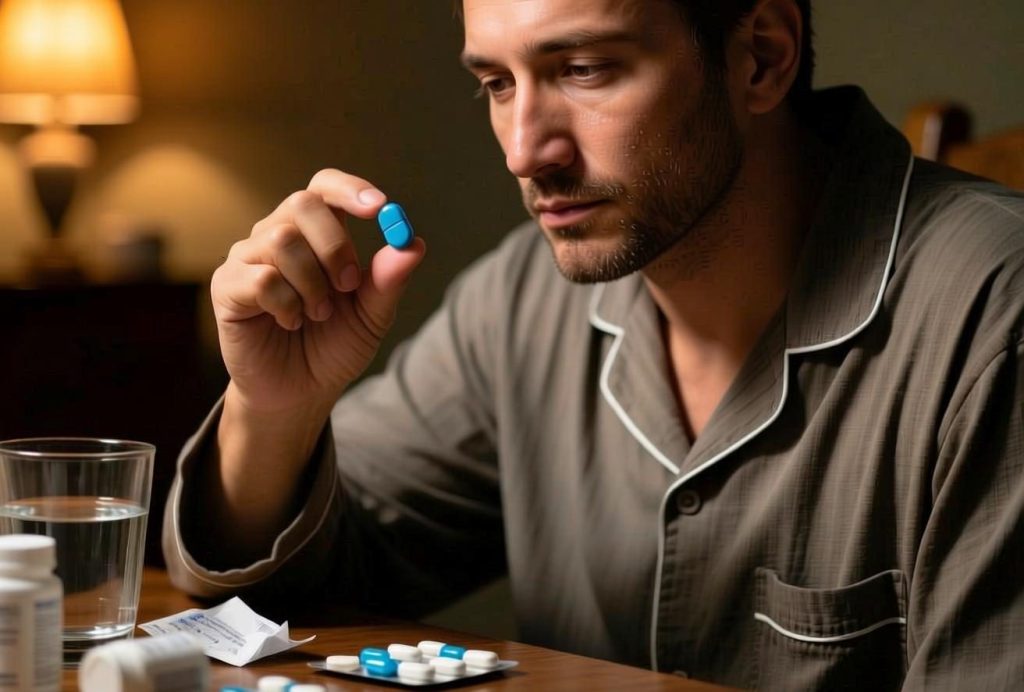
You did everything right. You took your ED medication about an hour before things were supposed to happen, just like the label said. You relaxed, you waited, and yet… nothing.
Or at least, not much. Before you start blaming yourself — or the pill — you should know that a delayed onset of action is one of the most common things I see in my clinic. In most cases, there’s a perfectly logical explanation, and more importantly, there’s usually an easy fix.
Your Stomach Might Be the Real Culprit
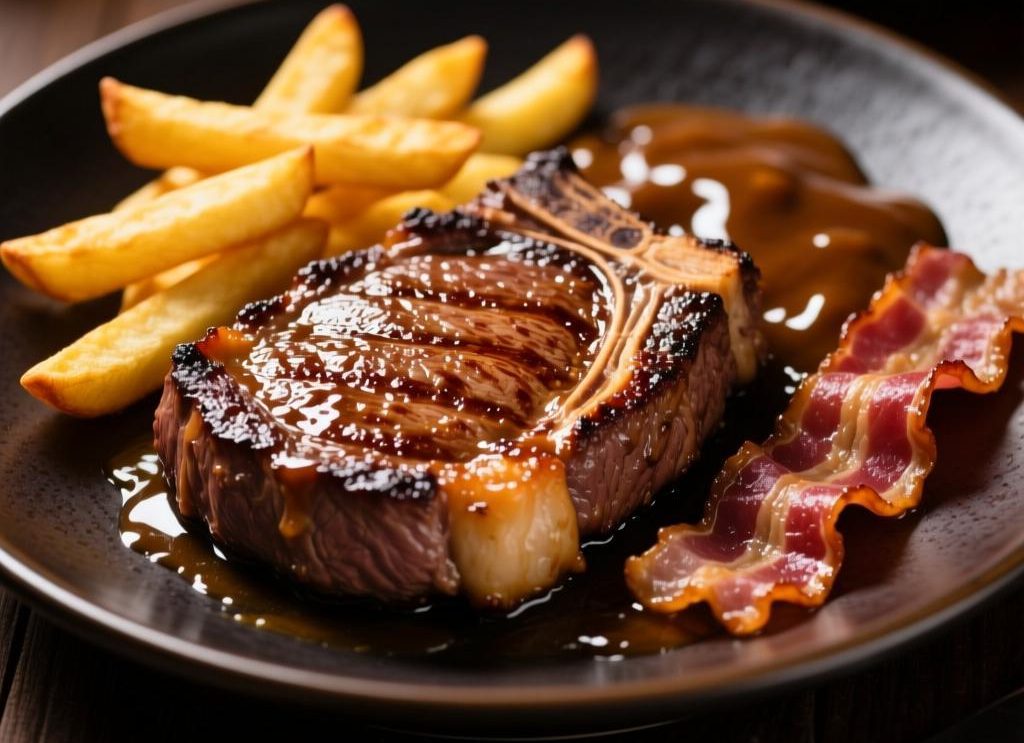
Let’s start with the most common reason of all: food. If you took sildenafil (the active ingredient in Viagra) after a big dinner, especially one loaded with fat — think pizza, fried chicken, or a cheeseburger with fries — you essentially asked your body to do two heavy jobs at once.
Digesting a fatty meal diverts blood flow to your stomach and slows down how quickly your stomach empties. That means your pill sits in your digestive system longer before it gets absorbed into your bloodstream.
The difference is not subtle. On an empty stomach, sildenafil typically reaches peak blood concentration within 30 to 60 minutes. After a high-fat meal, that same process can take twice as long or more. So if you ate a heavy meal and then waited an hour expecting results, you may simply have jumped the gun. The pill wasn’t failing — it was still boarding the train.
- Take sildenafil on an empty stomach whenever practical, or after a light meal only.
- Tadalafil (Cialis) is far more forgiving — food doesn’t meaningfully affect its absorption, which is one reason some men switch to it.
- Avoid alcohol with the meal too, since alcohol both delays absorption and dampens the erection response itself.
Timing Is Trickier Than the Label Suggests
The “take one hour before” instruction is a useful average, not a guarantee. Everyone’s body processes these medications at a slightly different speed, influenced by age, metabolism, liver function, and other medications. Some men feel the effects of sildenafil in 20 minutes; others genuinely need 90 minutes to two hours. Neither is abnormal.
There’s also a common misunderstanding about what these pills actually do. They don’t create an erection on their own. They make it possible for your body to produce one when you’re aroused.
If you took the pill and then spent an hour watching television with zero physical or mental stimulation, you might conclude the pill “didn’t work” when in fact it never got a chance to work. The medication sets the stage; arousal still has to walk onto it.
My practical advice: plan for a wider window than the package insert suggests. If intimacy might start around 10 p.m., taking the pill at 8:30 p.m. gives your body comfortable room to absorb it, and the effective window for sildenafil lasts four to six hours — usually enough to cover the evening.
Dosage Might Be Too Low for You
Here’s a scenario I see often: a man starts on the lowest dose — say, sildenafil 25 mg — gets a mediocre result once, panics, and decides ED pills don’t work for him. In reality, he may simply need a higher dose. Standard dosing ranges exist precisely because one size does not fit all. Many men only get a reliable response at sildenafil 100 mg or tadalafil 20 mg.
This is not something to adjust on your own, though. Dose increases should always go through your doctor, because higher doses also raise the likelihood of side effects like headache, flushing, nasal congestion, and visual changes. If you’ve tried the same dose three or four separate times with a weak result, that’s the signal to have the conversation — not after one disappointing night.
| Medication | Typical Onset | Effective Window | Food Effect |
|---|---|---|---|
| Sildenafil (Viagra) | 30–60 minutes (up to 2 hours after fatty food) | 4–6 hours | Strong — avoid heavy meals |
| Tadalafil (Cialis) | 30 minutes to 2 hours | Up to 36 hours | Minimal |
| Vardenafil (Levitra) | 30–60 minutes | 4–5 hours | Moderate |
| Avanafil (Stendra) | 15–30 minutes | About 6 hours | Relatively small |
The Performance Anxiety Loop Nobody Warns You About
Now we move from pharmacology to psychology, and honestly, this is where a large share of “my pill is slow” cases actually live. Erections are not purely mechanical. They depend on signals traveling from your brain through your nervous system to the blood vessels in your penis.
Anxiety — particularly the specific, sharp kind that comes from worrying about performing — releases adrenaline and stress hormones that actively constrict those vessels. In plain terms, stress and erections are chemical opposites.
What makes this sneaky is the loop it creates. You have one slow or soft experience, so the next time you’re watching the clock, checking whether “it’s working yet,” and monitoring yourself like a lab experiment. That self-surveillance is itself arousing nothing and stressing everything. The pill is in your bloodstream doing its job, but your mind is slamming the brakes.
- Shift focus to your partner — foreplay, touch, and connection naturally build the arousal the medication needs.
- Stop clock-watching. Worrying about minutes is the fastest way to waste the window.
- Communicate. A partner who knows what’s going on takes the pressure off dramatically.
- If anxiety is persistent, short-term counseling or even couples therapy has excellent results here — this is not a character flaw, it’s a reflex.
Underlying Health Conditions Can Put the Brakes On
ED medications work by improving blood flow, so anything that compromises your circulation reduces how well — and how quickly — they perform.
The penis is often described as a “canary in the coal mine” for cardiovascular health because its blood vessels are small and among the first to show trouble. Conditions that commonly blunt or delay the response include type 2 diabetes, high blood pressure, high cholesterol, obesity, and low testosterone.
Smoking deserves its own mention. Nicotine constricts blood vessels immediately and damages vessel linings over the long term. Men who smoke regularly often find their pills feel “weak” or slow, and the effect improves noticeably within weeks of quitting. Excessive alcohol does the same thing acutely — a night of heavy drinking can render even a full-dose pill nearly useless.
There’s also a psychological-versus-physical clue worth knowing: if you wake up with solid morning erections but struggle during partnered sex, the plumbing likely works fine and the issue leans psychological.
If morning erections have faded too, there’s probably a physical contributor — and that’s worth a proper medical workup, including blood pressure, blood sugar, lipids, and hormone levels.
Other Medications May Be Interfering
Check your medicine cabinet. Several common drugs work against ED pills. Some do it directly — certain antidepressants (especially SSRIs), beta blockers, and some diuretics are known to impair erectile function.
Others interfere more subtly by slowing metabolism of the ED drug itself. And never combine ED medications with nitrates or nitrate-based heart medications; that combination can cause a dangerous drop in blood pressure.
Don’t stop any prescribed medication on your own. Instead, bring a complete list of everything you take — including supplements — to your doctor.
Sometimes a simple swap, like changing a blood pressure medication class, restores the pill’s effectiveness within weeks. Always be honest about recreational drug use too; your doctor isn’t there to lecture you, but the information matters clinically.
Give It More Than One Try Before Judging
This is the advice patients thank me for most: one failed attempt means almost nothing. Clinical experience and studies both show that many men who get no response the first or second time go on to have excellent results by the fourth to eighth attempt, once factors like food, timing, anxiety, and dose are adjusted. Early failures are often just the learning curve of using the medication correctly.
Also, expectations need calibrating. These medications produce a firmer, more reliable erection — not a supernatural one, and not one identical to age 18. A good response means an erection sufficient for satisfying sex, sustained through the encounter. If that’s happening, the pill is working, even if it isn’t theatrical.
Lifestyle Changes That Speed Things Up
Whatever the medication is doing, you can stack the deck in its favor. The same habits that protect your heart protect your erections, because the underlying machinery is shared.
- Move daily. Thirty minutes of brisk walking most days measurably improves erectile function within months.
- Trim the waistline. Excess belly fat converts testosterone to estrogen and damages vessel function.
- Cut back alcohol and quit smoking. Both are among the fastest-acting fixes available.
- Sleep 7–8 hours. Testosterone is produced mainly during deep sleep; chronic short sleep quietly sabotages you.
- Manage stress. Chronic cortisol elevation fights erection chemistry all day long.
None of this replaces medication, and none of it works overnight — but combined with your prescription, these changes regularly turn a sluggish response into a dependable one.
When a Slow Response Actually Means Something Serious
Now and then, a slow or weakening response to ED pills is the first visible sign of a developing cardiovascular problem. The small arteries in the penis can show atherosclerosis years before the heart or brain does. So if your pills used to work well and the effect has gradually faded over months, treat that as information, not inconvenience.
Mention it to your physician and ask about blood pressure, cholesterol, glucose, and overall heart health. Catching a problem at this stage is genuinely fortunate — it’s far easier to manage early.
FAQ
How long should I actually wait before deciding my ED pill isn’t working?
For sildenafil and vardenafil, give it a full two hours after a light meal before judging. For avanafil, an hour is enough. For tadalafil, allow up to two hours, though its long window means exact timing matters less. And judge across several attempts, not just one evening.
Can I take my ED pill with dinner?
With tadalafil, yes — food barely affects it. With sildenafil, a light meal is fine, but a heavy, fatty dinner can delay onset dramatically. If dinner is the centerpiece of the evening, ask your doctor whether tadalafil suits you better.
Why does my pill work sometimes and not others?
Almost always because the conditions differed: a bigger meal, more alcohol, less arousal, more stress, or less sleep. Keep a simple mental note of the “good nights” versus the “off nights” and you’ll usually spot the pattern yourself.
Will drinking alcohol make the pill act slower?
Yes, on two fronts. Alcohol slows absorption of the drug, and it also suppresses the nervous system signals that produce erections. One or two drinks usually causes little trouble; beyond that, you’re working against yourself.
Is it safe to try a higher dose if the current one feels slow or weak?
Only under medical guidance. Many men do need a dose increase to get a full response, but self-adjusting raises your risk of side effects and of dangerous interactions. Have the conversation after three or four genuine attempts at your current dose.
What if nothing works even after trying everything?
There are still excellent options, from different medication classes to vacuum devices, penile injections, and implants. Persistent non-response also warrants testing for low testosterone, diabetes, and vascular issues. Very few men nowadays have to simply accept ED — the treatment ladder has many rungs.
The Bottom Line
A slow-starting ED pill is almost never a verdict on you or your relationship. In my experience, the answer usually turns out to be one of the ordinary suspects: a heavy meal, tight timing, a dose that needs adjusting, performance anxiety, or an underlying health factor that deserves attention anyway.
Fix the relevant one, give the medication a few honest tries, and the vast majority of men find the response they were hoping for. And if you don’t — that’s exactly what doctors like me are for. Speak up; this is one of the most solvable problems in medicine.