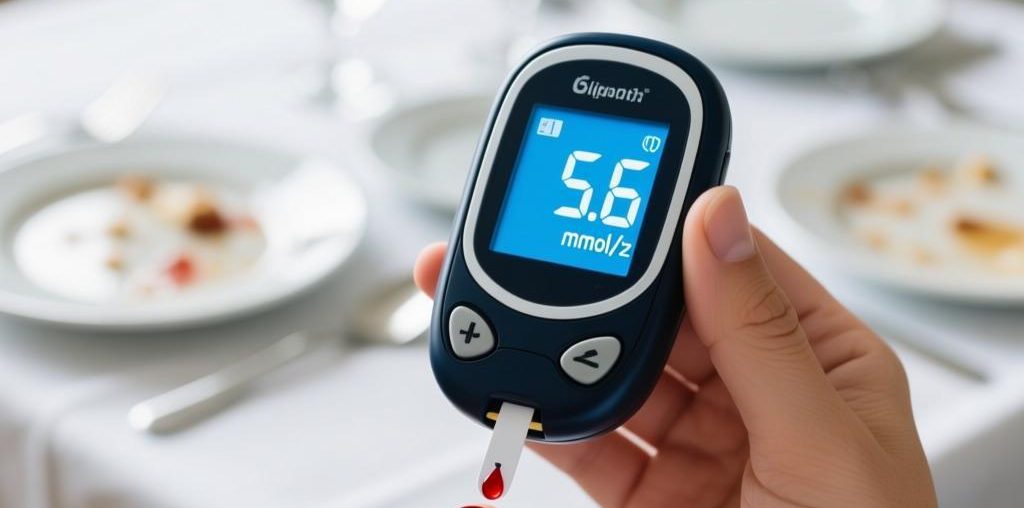

Intermittent fasting has gone from a niche health trend to one of the most talked-about weight-loss strategies in the world. Scroll through social media and you will find people swearing by it, while others insist it is just another fad. So what is the truth? Can simply changing when you eat, rather than what you eat, really help you slim down?
The short answer is yes, it can work, and quite well for many people. But there are important details, common mistakes, and honest caveats you need to know before skipping your next breakfast. Let’s break it all down.
What Exactly Is Intermittent Fasting?
Despite the somewhat technical name, intermittent fasting is refreshingly simple. Instead of restricting certain foods or counting every calorie, you compress your eating into a specific window of time and fast for the rest of the day. That’s it. There are no special products to buy, no complicated meal plans, and no foods that are off-limits in principle.
Think of it this way: your body is constantly either digesting food or running on stored energy. When you eat throughout the entire day, your body rarely needs to tap into its fat reserves. Fasting simply creates longer stretches where your body has no choice but to use what it has already stored.
This is why the strategy has caught on with people who struggled with traditional diets. A few things make the approach appealing:
- No complicated rules: You do not need to weigh food or track macros
- Flexibility: You can shape the fasting window around your lifestyle
- It’s free: There is nothing to purchase or subscribe to
- Simplicity: One clear rule is easier to follow than dozens of small ones
Of course, simple does not always mean easy, and it certainly does not mean it works the same for everyone. Before we get to the results, let’s look at the most popular ways people actually do it.
The Most Popular Intermittent Fasting Methods
There is no single “official” way to fast intermittently. People have developed several formats over the years, and the best one is simply the one you can stick with. Here are the options you will hear about most often:
| Method | How It Works | Best For |
|---|---|---|
| 16:8 | Fast for 16 hours, eat within an 8-hour window | Beginners and busy schedules |
| 14:10 | Fast for 14 hours, eat within a 10-hour window | Very gentle starting point |
| 5:2 | Eat normally 5 days, eat only ~500–600 calories on 2 days | People who dislike daily restrictions |
| 18:6 | Fast for 18 hours, eat within a 6-hour window | Experienced fasters |
| OMAD | One meal a day | Highly committed fasters, short-term use |
If you are new to fasting, most experts and experienced fasters recommend starting with 16:8 or even the gentler 14:10. You can always extend the fasting window later once your body adjusts. Jumping straight into one-meal-a-day is a common reason people quit in the first week.
Why Intermittent Fasting Can Help You Lose Weight
The number one reason intermittent fasting works is beautifully straightforward: it naturally reduces how much you eat. If you only have eight hours to eat each day, it is genuinely difficult to overeat enough to cancel out sixteen hours of fasting.
Most people end up consuming fewer calories without consciously counting anything, and a calorie deficit is still the non-negotiable requirement for weight loss.
But calorie reduction is not the whole story. Fasting also triggers useful hormonal shifts. When you go without food for extended periods, insulin levels drop, which makes it easier for your body to access stored fat and burn it for fuel.
Meanwhile, levels of human growth hormone can rise, which may help preserve muscle while you lose fat. Your metabolism also switches fuel sources, moving from constantly digesting incoming food to burning stored fat.
There is also a powerful behavioral side to fasting that rarely gets discussed. Many people eat out of habit, boredom, or emotion, not hunger. Think of the late-night snacking that happens in front of the TV, or the pastries in the break room at work.
Fasting draws a hard line that interrupts this automatic eating. When the kitchen is “closed” at 7 p.m., those aimless calories disappear from your day entirely. For people whose biggest problem is grazing, this alone can be transformational.
Does Intermittent Fasting Really Help With Weight Loss?
Multiple clinical trials have shown that intermittent fasting produces meaningful weight loss, with participants typically losing weight in the range of what comparable calorie-restricting diets achieve. In head-to-head studies, intermittent fasting and traditional calorie counting usually come out roughly even.
So why choose fasting at all? The real advantage appears to be adherence. Some studies suggest people find it easier to follow a time rule than to track calories every day. The best diet, after all, is the one you can actually maintain. Here is a quick summary of the evidence:
| Claim | What Research Suggests |
|---|---|
| Weight loss | Effective, comparable to standard calorie restriction |
| Belly fat | Reduces overall and abdominal fat over time |
| Insulin sensitivity | Often improves, especially with lower insulin exposure |
| Muscle preservation | Reasonable if protein intake stays adequate |
| “Starvation mode” | Short-term fasts do not wreck a healthy metabolism |
One important caveat: fasting is not a free pass to eat whatever you want. If you spend your eating window devouring fast food, desserts, and sugary drinks, you can easily erase the deficit and gain weight while technically fasting. The quality of your food still matters for both results and health.
Common Mistakes That Stall Your Fasting Results
Plenty of people try intermittent fasting, see no progress, and give up frustrated. Almost always, one of these sneaky mistakes is to blame:
- Overeating in the window: Treating the eating window as a free-for-all binge
- Drinking hidden calories: Juice, soda, fancy coffee drinks, and alcohol break your fast
- Skimping on protein: Too little protein leads to muscle loss and constant hunger
- Going too hard too fast: Starting with 20-hour fasts instead of easing in gradually
- Sacrificing sleep: Poor sleep increases hunger hormones and cravings
- Being too sedentary: Fasting works best paired with regular movement
Notice that none of these mistakes are flaws in fasting itself. They are execution errors. Fix them, and most stalled results start moving again.
Who Should Not Try Intermittent Fasting
For all its benefits, intermittent fasting is genuinely not for everyone. It is a tool, not a universal prescription, and certain groups should avoid it or speak with a doctor first. You should skip fasting or get medical guidance if any of the following apply:
- You are pregnant or breastfeeding
- You have a history of eating disorders
- You have diabetes or take blood-sugar medications
- You are underweight or have ongoing medical conditions
- You are a teenager still growing
Feeling mild hunger early on is normal, but dizziness, weakness, obsessive thoughts about food, or disrupted periods are clear signals to stop and reassess. Weight loss should never come at the cost of your overall health.

A Sample Day on the 16:8 Schedule
To make this concrete, here is how a comfortable 16:8 day typically looks, with the eating window set from noon to 8 p.m.:
- 7:00 a.m.: Wake up, drink water or black coffee
- 9:00 a.m.: Morning walk or light exercise, still fasting
- 12:00 p.m.: First meal: eggs, vegetables, and whole-grain toast
- 3:30 p.m.: Snack: Greek yogurt with berries or a handful of nuts
- 7:00 p.m.: Final meal: grilled chicken or fish, rice, and a large salad
- 8:00 p.m.: Kitchen is closed until noon tomorrow
Notice that both meals contain protein and fiber. That combination is the secret to feeling full during the fasting hours, so your fasting window is comfortable instead of miserable.
Frequently Asked Questions
How long does it take to see weight loss results with intermittent fasting?
Most people notice changes within two to four weeks of consistent fasting. Early losses are often partly water weight, especially in the first week or two, because lower insulin levels cause your body to release stored water.
Visible fat loss usually becomes apparent by week four to eight, depending on your starting weight, how large your calorie deficit is, and how active you are. If the scale has not moved after a full month, the most likely culprit is that you are eating more than you realize during your window. Try tracking your food for a few days to find the leak.
Can I drink coffee or tea during my fasting window?
Yes, and this is one of the biggest reasons people stick with fasting. Black coffee, plain tea, and water are all fine during a fast because they contain virtually no calories. Caffeine may even slightly help by gently suppressing appetite.
The line gets crossed the moment you add milk, cream, sugar, or syrups, since those add calories and trigger digestion. A splash of milk is not the end of the world, but strictly speaking, anything with calories technically breaks the fast. Diet sodas are debated; they contain no calories, but some people find sweeteners increase cravings.
Will intermittent fasting slow down my metabolism?
This is the most common fear, and the research is reassuring for short fasts. Metabolic rate does not significantly drop from fasting periods of 24 hours or less. In fact, some studies show brief fasts may slightly increase fat burning. True “starvation mode” requires prolonged, severe calorie deprivation lasting days or weeks, not skipping breakfast.
The one caution is that extreme protocols, such as eating one meal a day for long stretches with too few total calories, can eventually work against you. Moderation protects your metabolism. Pairing reasonable fasting windows with adequate protein and strength training covers nearly all the bases.
Is it better to fast in the morning or at night?
There is no universally correct answer, and the science on meal timing is still evolving. What matters far more is total intake and consistency. Morning fasters, people who skip breakfast and stop eating at 7 or 8 p.m., often report fewer late-night cravings and better sleep, which indirectly supports weight loss.
Evening eaters, who break their fast at noon, can still lose weight just as effectively. The best choice is the one that fits your real life. If your family eats dinner at 7 p.m., build your window around that. A fasting schedule that collapses every weekend is worth far less than a slightly imperfect one you can maintain for months.
Does Intermittent Fasting Really Work for Weight Loss?
The honest verdict: yes, intermittent fasting really can help you lose weight, and for many people it works better than conventional dieting, not because it burns fat by some unique mechanism, but because it makes eating less feel simpler and more sustainable. It cuts calories almost automatically, interrupts mindless snacking, improves insulin sensitivity, and requires zero special products.
But it is not a magic trick. You still need a genuine calorie deficit, real food, enough protein, good sleep, and patience. People who treat fasting as permission to binge in their eating window, or who push extreme schedules they hate, will not get results.
Approach it as a practical tool rather than a miracle, start gently with a 14:10 or 16:8 window, stay hydrated, and give it at least a month. If it clicks with your lifestyle, you may find it is the simplest weight-loss approach you have ever tried.