
Long-term weight management has long been one of the most persistent challenges in modern health science. Crash diets, extreme workout regimens, and single-method solutions often deliver short-term results, only for the weight to creep back—sometimes with extra pounds.
Today, nutrition science points toward a smarter path: a combined approach that integrates balanced nutrition, behavioral psychology, physical activity, sleep optimization, and medical support when needed. This multi-angle strategy is proving to be the most sustainable way to lose weight and keep it off for good.
Why Do Most Diets Fail and Lead to Rebound Weight Gain?
Traditional dieting fails because it treats weight loss as a temporary project rather than a lifestyle transformation. When you drastically cut calories, your body interprets this as starvation and adapts by lowering your metabolic rate—a phenomenon known as metabolic adaptation.
Once the diet ends, hormones like ghrelin (hunger hormone) surge while leptin (satiety hormone) drops, driving intense cravings and overeating.
Key reasons diets fail include:
- Extreme calorie restriction: Slows metabolism and triggers muscle loss.
- Elimination of entire food groups: Creates nutrient deficiencies and psychological deprivation.
- Lack of behavioral support: Habits and emotional eating patterns remain unchanged.
- No maintenance plan: Most programs focus on losing weight, not sustaining the loss.
The combined approach addresses each of these failure points simultaneously, which is why it dramatically reduces rebound rates compared to any single-method strategy.
What Exactly Does the “Combined Approach” Involve?
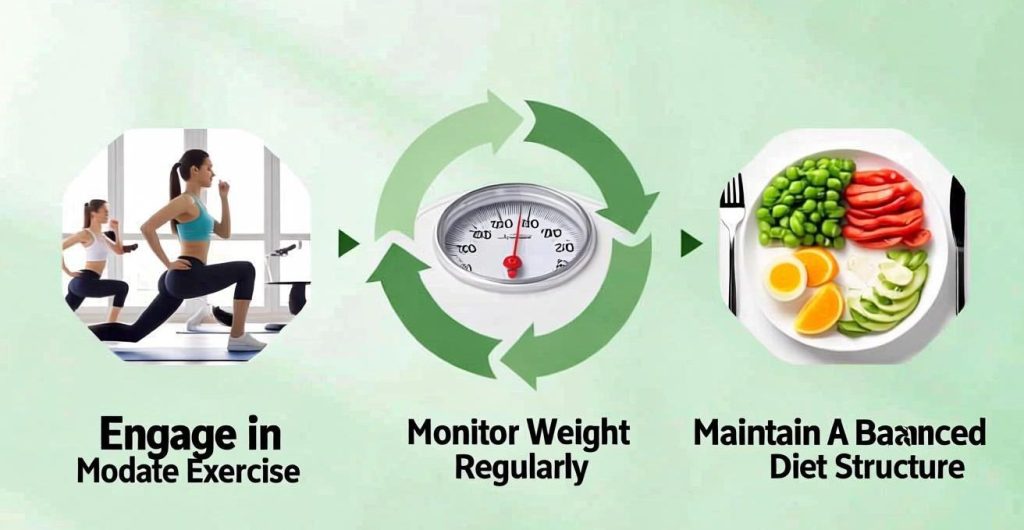
The combined approach is a scientifically structured system that layers multiple evidence-based interventions. Rather than relying on diet alone or exercise alone, it builds synergy among five pillars:
| Pillar | Core Strategy | Primary Benefit |
|---|---|---|
| Nutrition | Moderate calorie deficit, high protein, fiber-rich whole foods | Preserves muscle, controls hunger |
| Exercise | Resistance training 2–3x/week plus 150 min moderate cardio | Protects metabolic rate, burns fat |
| Behavior | Habit stacking, self-monitoring, mindful eating | Rewires long-term eating patterns |
| Sleep & Stress | 7–9 hours sleep, stress management techniques | Balances hunger hormones |
| Medical Support | Professional guidance, supplements or medication when indicated | Personalized safety and accountability |
Research consistently shows that participants using multi-component programs maintain 60–80% more of their weight loss after two years than those using single interventions.
The magic lies in synergy: protein and resistance training work together to preserve lean mass, while sleep quality amplifies the hunger-controlling effects of a high-fiber diet.
How Can Sustainable Fat Loss Be Supported?
As a nutritionist, I emphasize that food is the foundation of any anti-rebound strategy. The goal is not to eat less forever, but to eat better in a way you can maintain. The combined approach recommends:
- Protein at every meal (1.2–1.6 g/kg body weight): Increases satiety and preserves muscle during a deficit.
- Fiber intake of 25–35 g daily: Slows digestion, stabilizes blood sugar, and feeds gut bacteria linked to leaner body composition.
- Volume eating: Filling half your plate with vegetables allows satisfying portions at lower calorie counts.
- The 80/20 principle: Eat nutritiously 80% of the time while leaving flexible room for enjoyment—this prevents the “restraint-binge cycle” that fuels rebound gain.
Unlike restrictive diets, this framework never labels foods as “forbidden.” Psychological freedom reduces the likelihood of compensatory overeating, which is the hidden engine behind yo-yo dieting.
Can Exercise Really Prevent Weight Regain?
Absolutely—but the type of exercise matters more than the quantity. Cardio burns calories during activity, yet resistance training delivers the long-term metabolic advantage.
Muscle tissue burns more calories at rest than fat tissue, meaning every kilogram of lean mass you maintain raises your daily energy expenditure permanently.
Studies from the National Weight Control Registry—a database of people who lost significant weight and kept it off for years—reveal that 90% of successful maintainers exercise regularly, averaging about one hour of moderate activity daily. The winning formula combines:
| Exercise Type | Weekly Frequency | Role in Preventing Rebound |
|---|---|---|
| Strength training | 2–3 sessions | Preserves muscle and resting metabolism |
| Steady cardio (walking, cycling) | 150+ minutes | Increases daily energy expenditure |
| NEAT (daily movement) | Every day | Counts for up to 15% of daily calorie burn |
Importantly, exercise also improves insulin sensitivity, regulates appetite hormones, and reduces stress-driven eating—three mechanisms directly tied to rebound weight gain.
What Role Do Psychology and Habit Formation Play?
Weight loss without rebounding is ultimately a behavioral achievement, not a metabolic one. The combined approach incorporates tools from behavioral psychology that transform intentions into automatic habits:
- Self-monitoring: Tracking food, weight, or activity for even a few minutes daily doubles long-term success rates. Awareness prevents the slow creep of regained pounds.
- Habit stacking: Attaching new behaviors to existing routines (e.g., “After I brush my teeth, I drink a glass of water”) makes healthy actions effortless.
- Mindful eating: Eating slowly and without screens improves natural satiety signaling, reducing intake by up to 15% without counting a single calorie.
- Identity-based change: Instead of “I’m on a diet,” successful maintainers adopt the mindset “I am a healthy person”—decisions then align automatically with that identity.
- Planning for setbacks: Relapse is normal. The difference between rebounders and maintainers is that maintainers treat a slip as data, not failure, and return to routine within days.
Cognitive behavioral therapy (CBT)–based weight programs show maintenance success rates roughly 30% higher than standard diet programs, proving the mind is the most powerful weight-loss organ.
When Should Someone Consider Medical or Professional Support?
The final pillar of the combined approach is knowing when to seek help. Self-guided methods work well for many people, but certain situations benefit enormously from professional intervention:
| Situation | Recommended Professional | How They Help |
|---|---|---|
| BMI ≥ 30, or ≥ 27 with health conditions | Physician | Evaluates metabolic health, discusses options |
| Emotional or binge eating patterns | Psychologist / dietitian | Addresses root causes of overeating |
| Repeated rebound cycles | Registered dietitian | Builds personalized, sustainable nutrition plans |
| Plateau despite consistent effort | Certified trainer + nutritionist | Adjusts training and macronutrients precisely |
Modern medical options—including newer weight-management medications and structured programs supervised by clinicians—can be valuable tools when combined with lifestyle change.
Crucially, research shows medication works best alongside nutrition and behavioral support, not as a standalone shortcut. The combined philosophy ensures that even when medical tools are used, the underlying habits are built so results persist after any treatment ends.
How Do You Build a Personalized Combined Plan That Lasts?
Sustainability comes from personalization. A plan you genuinely enjoy is a plan you keep. Here is a practical framework for assembling your own combined approach:
- Week 1–2: Assess. Track your current eating, sleep, and activity without changing anything. Awareness first, action second.
- Week 3–4: Build the nutrition base. Add protein to breakfast, vegetables to lunch and dinner, and establish a consistent meal rhythm—no foods banned.
- Month 2: Add movement. Start with two strength sessions and daily 20-minute walks. Consistency beats intensity.
- Month 3: Layer behavior tools. Introduce weekly weigh-ins, meal planning, and one mindful-eating practice per day.
- Month 4 onward: Optimize and maintain. Prioritize sleep hygiene, manage stress, and consider professional guidance if progress stalls.
Expect a realistic loss of 0.5–1% of body weight per week. Faster results almost always predict rebound; slower, steadier progress predicts permanence.
The Bottom Line
The era of single-solution dieting is over. Rebound weight gain is not a willpower failure—it is the predictable result of approaches that ignore metabolism, psychology, and lifestyle simultaneously.
The combined approach succeeds precisely because it is comprehensive: nourishing food preserves your metabolism, exercise protects your muscle, behavioral tools rewire your habits, sleep and stress management balance your hormones, and professional support personalizes the journey.
Weight loss without rebounding is not about finding one perfect trick. It is about stacking several modest, sustainable advantages until the new lifestyle becomes simply who you are.
Start with one pillar this week, add another next month, and within a year you will have built something no crash diet can ever offer: results that last a lifetime.