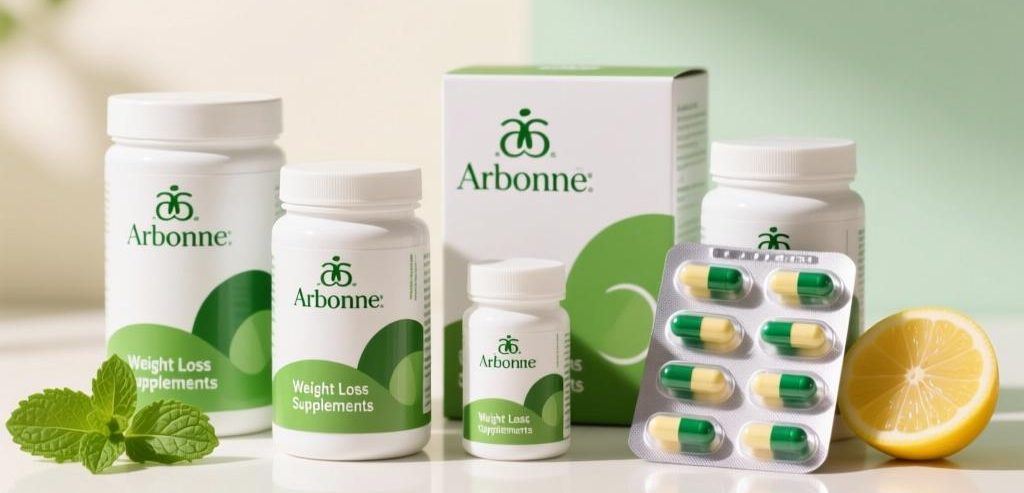
Weight loss is a multifaceted journey, and while diet and exercise remain the cornerstones of success, many individuals explore natural supplements as potential adjuncts.
This article delves into the world of these supplements, examining their mechanisms, scientific backing (or lack thereof), potential benefits, risks, and considerations from multiple perspectives – including a registered dietitian’s viewpoint, a medical doctor’s cautions, and a consumer’s realistic expectations.
We’ll move beyond simple marketing claims to provide a nuanced understanding of what truly works, what’s hype, and how to approach supplementation safely and effectively.
Can Supplements Really Help Me Lose Weight?
The short answer is: sometimes, and usually only to a modest degree. It’s crucial to understand that no supplement is a magic bullet. They are supplements – intended to complement a healthy lifestyle, not replace it.
The vast majority of weight loss achieved through supplements is small, often falling in the range of a few pounds over several months. This is because weight loss fundamentally relies on creating a calorie deficit – consuming fewer calories than you expend.
Supplements may assist this process by potentially boosting metabolism, suppressing appetite, increasing fat oxidation, or reducing nutrient absorption, but these effects are often subtle and vary greatly between individuals.
From a dietitian’s perspective, focusing on whole, unprocessed foods, adequate protein intake, sufficient fiber, and mindful eating habits will yield far more significant and sustainable results than any supplement. Supplements are best considered after optimizing these core areas.
A medical doctor will emphasize that underlying medical conditions impacting weight (like thyroid issues or PCOS) should be addressed before turning to supplements. Finally, a realistic consumer understands that marketing often exaggerates benefits; critical evaluation of research is paramount.
What are the Most Popular & Research-Backed Supplements?
Several natural supplements have garnered attention for their potential weight loss properties. Here’s a breakdown of some of the most commonly discussed, categorized by their purported mechanisms, and assessed for evidence:
Fiber Supplements
These soluble fibers absorb water in the gut, creating a feeling of fullness and potentially reducing calorie intake. Glucomannan, derived from the konjac root, is particularly known for its high fiber content.
Studies suggest modest weight loss with glucomannan, though results are inconsistent. Psyllium husk is better known for digestive health but can also contribute to satiety.
Can cause bloating, gas, and digestive discomfort. Drink plenty of water when taking fiber supplements to avoid constipation. May interfere with the absorption of certain medications; take separately.
Green Tea Extract
Contains catechins, particularly epigallocatechin gallate (EGCG), and caffeine, which may boost metabolism and fat oxidation.
Some studies show a small increase in metabolic rate and fat burning with green tea extract, but the effect is often minimal and requires consistent consumption.
Contains caffeine, which can cause anxiety, insomnia, and increased heart rate in sensitive individuals. High doses may cause liver problems; moderation is key.
Conjugated Linoleic Acid (CLA)
A type of fatty acid that may reduce body fat and increase lean muscle mass.
Early studies were promising, but larger, more recent trials have yielded mixed results. Some studies suggest CLA can modestly reduce body fat, but the effects are often small and inconsistent.
Can cause digestive upset, including nausea and diarrhea. Long-term safety is still under investigation.
Garcinia Cambogia
Contains hydroxycitric acid (HCA), which is believed to block an enzyme used in the production of fat and suppress appetite.
Numerous studies have shown little to no significant weight loss benefit from Garcinia Cambogia. A meta-analysis of randomized controlled trials found no statistically significant effect on weight.
Some reports of liver problems associated with its use. Should be avoided by individuals with liver or kidney disease.
Capsaicin
The active compound in chili peppers may boost metabolism and reduce appetite.
Some studies suggest capsaicin can slightly increase energy expenditure and reduce cravings, but the effect is generally small.
Can cause gastrointestinal discomfort, especially in those not accustomed to spicy foods.
Protein Powders
Increase satiety, preserve muscle mass during weight loss, and potentially boost metabolism due to the thermic effect of protein.
High-protein diets are consistently linked to weight loss and improved body composition. Protein powders can be a convenient way to increase protein intake.
Choose a reputable brand and be mindful of added sugars and artificial sweeteners. Individuals with kidney disease should consult a doctor before increasing protein intake.
Are There Any Safety Concerns I Should Be Aware Of?
Supplement safety is a significant concern. Unlike pharmaceuticals, supplements are not subject to the same rigorous testing and regulation. This means:
- Variable Quality: The quality and purity of supplements can vary drastically between brands.
- Contamination: Supplements may be contaminated with heavy metals, pesticides, or other harmful substances.
- Drug Interactions: Supplements can interact with medications, potentially causing dangerous side effects. Always inform your doctor about any supplements you are taking.
- Lack of Standardization: The amount of active ingredient listed on the label may not always be accurate.
From a medical perspective, it’s crucial to choose supplements from reputable brands that undergo third-party testing. These certifications verify the product’s purity, potency, and quality.
A dietitian would emphasize that obtaining nutrients from whole foods is always preferable, as they provide a broader range of beneficial compounds and are less likely to be contaminated. The consumer must be a vigilant label reader and research the manufacturer.
Specific Safety Concerns by Supplement:
- Green Tea Extract: Liver problems, caffeine-related side effects.
- CLA: Digestive upset, potential long-term health risks.
- Garcinia Cambogia: Liver problems.
- Fiber Supplements: Bloating, gas, constipation, medication interference.
How Do I Choose a Supplement and What Dosage Should I Take?
If you’ve decided to explore supplements, here’s a stepwise approach:
- Consult Your Doctor: Essential, especially if you have any underlying medical conditions or are taking medications.
- Research Thoroughly: Look for scientific studies supporting the supplement’s effectiveness. Websites like PubMed and the National Institutes of Health (NIH) are good resources.
- Choose Reputable Brands: Opt for brands that undergo third-party testing.
- Start with a Low Dose: Assess your tolerance and gradually increase the dosage as directed on the label (or as advised by your doctor).
- Monitor Your Progress: Track your weight, body composition, and any side effects.
- Be Patient: Supplements typically require consistent use over several weeks or months to see any noticeable effects.
- Discontinue if No Benefit: If you don’t experience any improvement after a reasonable period, it’s likely the supplement isn’t working for you.
Dosage Considerations: Dosage varies greatly depending on the supplement. Always follow the manufacturer’s instructions or your doctor’s recommendations. Higher doses do not necessarily equate to better results and can increase the risk of side effects.
A final note: Supplements are not a substitute for a healthy lifestyle. Diet and exercise are the most important factors in achieving and maintaining a healthy weight. Think of supplements as potential tools to enhance your efforts, not as shortcuts to success.
Beyond Supplements to Lose Weight and Burn Fat
Everyone responds differently to diet and exercise. What works for one person may not work for another. It’s normal to experience plateaus during weight loss. Adjusting calorie intake or exercise plan can help you overcome these plateaus. Choose a weight loss method you can stick to long-term. Avoid dieting or extreme restrictions.
DIET – The Foundation of Weight Loss
Focus on Whole, Unprocessed Foods: These are naturally lower in calories and higher in nutrients and fiber. Examples: fruits, vegetables, whole grains, lean proteins, and healthy fats.
Fiber-Rich Foods: Fiber promotes fullness, slows digestion, and stabilizes blood sugar levels. Include plenty of vegetables, fruits, whole grains, and legumes in your diet. Aim for 25-35 grams of fiber daily.
Healthy Fats: Don’t fear fats! Healthy fats (monounsaturated and polyunsaturated) are essential for hormone production, nutrient absorption, and satiety. Sources: avocados, nuts, seeds, olive oil, fatty fish. Limit saturated and trans fats.
Limit Sugary Drinks & Processed Foods: These provide empty calories and contribute to weight gain. Eliminate sugary sodas, juices, and processed snacks.
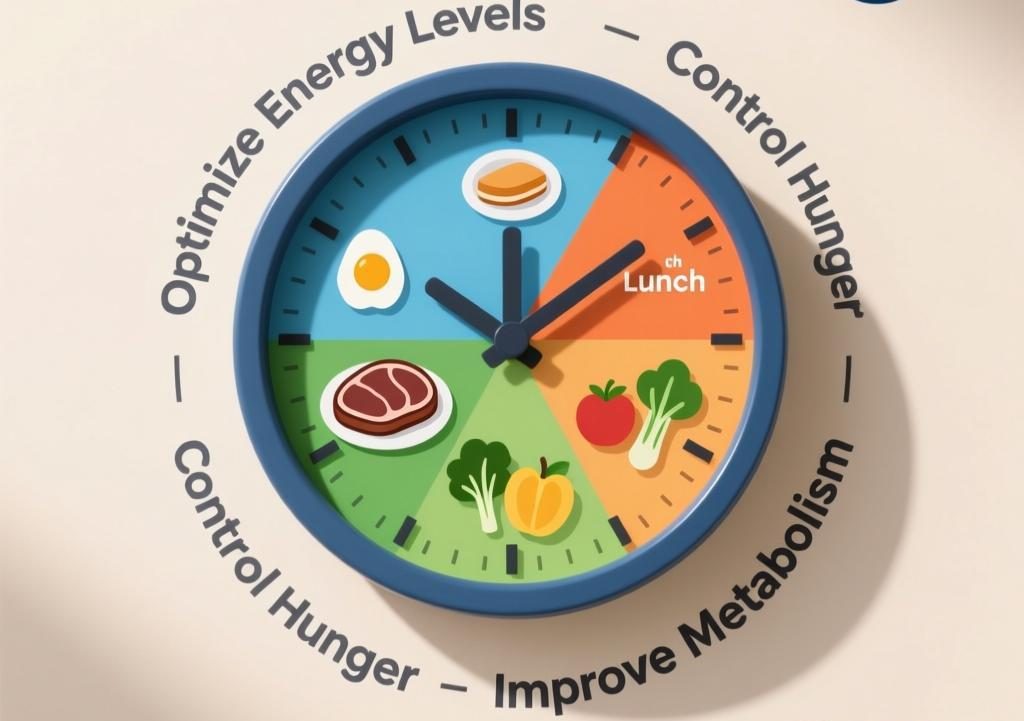
Meal Timing: While not as critical as overall calorie intake, some find success with consistent meal timing or intermittent fasting. Experiment to see what works best for you.
LIFESTYLE – Supporting Sustainable Weight Loss
Sleep: Adequate sleep (7-9 hours per night) is crucial for weight loss. Sleep deprivation can disrupt hormones that regulate appetite and metabolism.
Stress Management: Chronic stress can lead to weight gain due to increased cortisol levels. Practice stress-reducing techniques like meditation, yoga, or deep breathing exercises.
Reduce Sedentary Behavior: Break up long periods of sitting with regular movement breaks.
Habit Formation: Focus on building small, sustainable habits rather than making drastic changes.
Track Your Progress: Monitor your weight, body measurements, and food intake. This helps you stay motivated and identify areas for improvement.
Be Patient and Consistent: Weight loss is a journey, not a race. Don’t get discouraged by setbacks. Stay consistent with your healthy habits, and you will eventually see results.