Erectile function is a complex process, far beyond simply “getting an erection.” It’s a neurovascular event, meaning it requires healthy nerves, blood vessels, hormones, and psychological well-being. When a man is sexually stimulated, signals are sent from the brain to the nerves in the penis.
These nerves release chemicals that relax the smooth muscles in the corpora cavernosa – the two chambers of erectile tissue within the penis. This relaxation allows increased blood flow into the penis, causing it to become firm.
The tunica albuginea, a fibrous sheath surrounding the corpora cavernosa, helps trap the blood, maintaining the erection. Any disruption to this delicate system can contribute to erectile dysfunction (ED), formally known as impotence.
The Role of Diet and Lifestyle
While pharmaceutical interventions exist for ED, addressing underlying lifestyle factors is paramount. A healthy diet and regular exercise are foundational. A diet rich in fruits, vegetables, whole grains, and lean protein supports cardiovascular health, improves blood flow, and maintains a healthy weight.
Conversely, a diet high in processed foods, saturated and trans fats, and sugar contributes to the development of conditions that lead to ED. Exercise improves circulation, reduces stress, and can boost testosterone levels. Smoking damages blood vessels and restricts blood flow, dramatically increasing the risk of ED.
Excessive alcohol consumption can also impair erectile function. Stress and anxiety are significant psychological contributors, often exacerbating physical issues.
It’s crucial to understand that ED is often an early warning sign of underlying cardiovascular disease. Men who experience ED may be at increased risk of heart attack or stroke. This is why a comprehensive evaluation, including a cardiovascular assessment, is essential when addressing ED.
Hydration: The Foundation of Vascular Health
Often overlooked, adequate hydration is fundamental to overall health and, consequently, sexual function. Blood is approximately 90% water. Proper hydration ensures optimal blood volume and viscosity, facilitating healthy blood flow.
Dehydration thickens the blood, making it harder for the heart to pump and reducing blood flow to all parts of the body, including the penis. Aim for at least eight glasses of water per day, adjusting for activity level and climate.
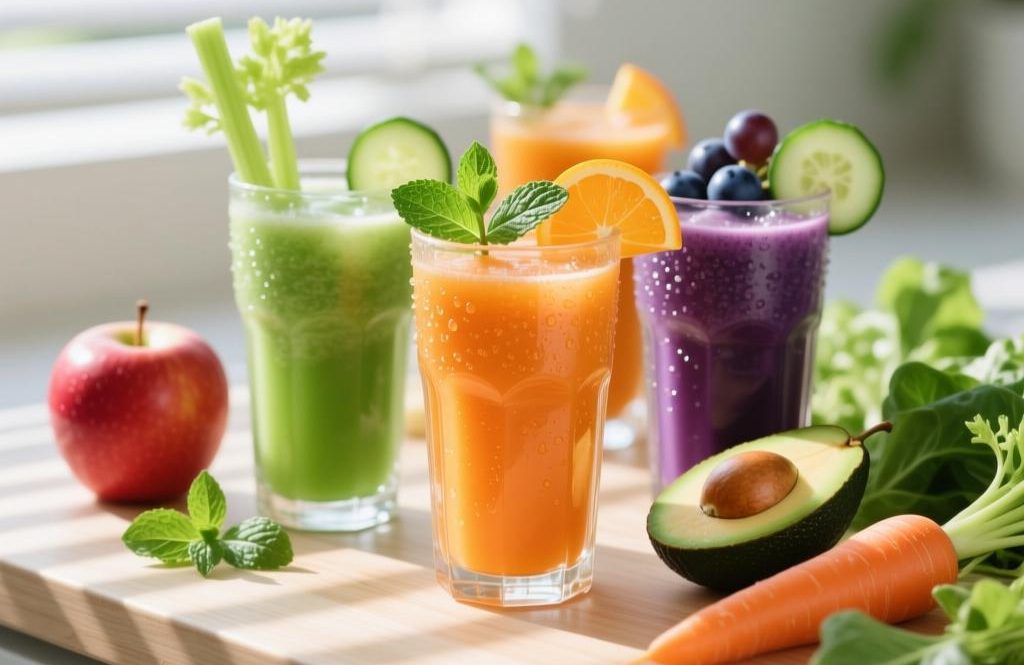
While water is the best choice, certain beverages can contribute to hydration and offer additional health benefits, specifically impacting erectile function.
Beverages Supporting Erectile Function: Evidence-Based Choices
Water (with Lemon)
As mentioned, water is paramount. Adding a squeeze of lemon not only improves taste but provides a boost of Vitamin C, an antioxidant that protects blood vessels from damage. Vitamin C also enhances nitric oxide production.
Beet Juice: A Nitric Oxide Powerhouse
Beet juice is gaining significant attention for its potential benefits in improving cardiovascular health and erectile function. Beets are rich in nitrates, which the body converts into nitric oxide (NO). NO is a crucial signaling molecule that relaxes blood vessels, increasing blood flow.
This vasodilation effect is precisely what’s needed for a healthy erection. Several small studies have shown that beetroot juice consumption can lower blood pressure and improve exercise performance, both indicators of improved vascular function. While more research is needed specifically on ED, the evidence suggests a positive correlation.
Caution: Beet juice can stain, and individuals with kidney problems should consume it in moderation due to its oxalate content.
Pomegranate Juice: Antioxidant & Blood Flow Benefits
Pomegranate juice is another rich source of antioxidants, particularly polyphenols. These antioxidants protect blood vessels from oxidative stress and inflammation, improving endothelial function (the lining of blood vessels). Some studies suggest that pomegranate juice may improve blood flow to the penis and enhance erectile function.
A small study published in the Journal of Sexual Medicine found that pomegranate juice consumption improved scores on the International Index of Erectile Function (IIEF) in men with mild to moderate ED. The mechanism is thought to be linked to increased nitric oxide bioavailability and reduced oxidative stress.
Green Tea: Cardiovascular Protection
Green tea, particularly matcha, is renowned for its antioxidant properties, primarily due to catechins. These catechins protect against cardiovascular disease, improve endothelial function, and reduce inflammation.
Regular green tea consumption has been linked to lower blood pressure and improved cholesterol levels, both beneficial for erectile health.
Furthermore, L-theanine, an amino acid found in green tea, may reduce stress and anxiety, indirectly improving sexual function. While green tea doesn’t have a direct effect on erections, its overall cardiovascular benefits are significant.
Hibiscus Tea: Natural Blood Pressure Lowering Agent
Hibiscus tea is gaining recognition for its potential to lower blood pressure. Studies have shown that hibiscus tea consumption can significantly reduce systolic and diastolic blood pressure in individuals with hypertension.
By lowering blood pressure, hibiscus tea improves blood flow and reduces the strain on blood vessels, potentially benefiting erectile function. It’s important to note that hibiscus tea may interact with certain medications, so consult your doctor before incorporating it into your routine.
Dark Chocolate: Flavonoid Boost
While technically not a “tea” or juice, dark chocolate (70% cacao or higher) contains flavonoids, powerful antioxidants that improve blood flow and endothelial function.
Flavonoids help relax blood vessels and reduce inflammation, similar to the effects of beet juice and pomegranate juice. However, moderation is key. Dark chocolate is also calorie-dense, and excessive consumption can contribute to weight gain. A small square or two per day is a reasonable amount.
Beverages to Limit or Avoid
Sugary Drinks (Sodas, Sweetened Juices)
Sugary drinks contribute to obesity, diabetes, and cardiovascular disease – all significant risk factors for ED. They promote inflammation and impair endothelial function. Avoid these entirely.
Excessive Alcohol
While a moderate amount of alcohol may temporarily lower inhibitions, excessive alcohol consumption impairs nerve function, reduces blood flow, and can lead to erectile dysfunction. Chronic alcohol abuse can also damage the liver and lead to hormonal imbalances.
Caffeinated Beverages
Moderate caffeine consumption is generally safe, but excessive intake can increase blood pressure and anxiety, potentially exacerbating ED. It can also interfere with sleep, further contributing to stress.
Chronic Alcohol Consumption and Long-Term Erectile Dysfunction
The long-term effects of chronic alcohol abuse on erectile function are considerably more severe. Prolonged, excessive alcohol consumption can lead to a constellation of health problems that contribute to ED. These include:
- Neuropathy: Alcohol is neurotoxic, meaning it can damage nerves, including those involved in sexual function. Peripheral neuropathy, a common complication of chronic alcoholism, can impair nerve signals to the penis.
- Liver Disease: The liver plays a crucial role in hormone metabolism. Chronic alcohol abuse can lead to liver damage (cirrhosis), disrupting testosterone production and increasing estrogen levels. This hormonal imbalance can significantly contribute to ED.
- Cardiovascular Disease: As with other forms of substance abuse, chronic alcohol consumption increases the risk of high blood pressure, high cholesterol, and heart disease—all of which impair blood flow to the penis.
- Diabetes: Heavy alcohol use can increase the risk of developing type 2 diabetes, further exacerbating ED risk due to its effects on blood vessels and nerves.
- Depression and Anxiety: Chronic alcohol abuse is frequently associated with mental health disorders like depression and anxiety, which are well-known contributors to ED.
The cumulative effect of these factors often leads to persistent and irreversible erectile dysfunction in chronic alcoholics.
The Impact of Alcohol on Testosterone Levels
Testosterone plays a vital role in libido, sexual arousal, and erectile function. While moderate alcohol consumption may have minimal immediate effects on testosterone, chronic, heavy drinking consistently lowers testosterone levels.
This reduction occurs through several mechanisms: alcohol interferes with the hypothalamic-pituitary-gonadal (HPG) axis, the hormonal pathway responsible for testosterone production; it damages the Leydig cells in the testes, which produce testosterone; and it promotes the conversion of testosterone to estrogen.
Lower testosterone levels can result in decreased libido, erectile dysfunction, reduced muscle mass, and fatigue.
Recovery and Reversibility of Alcohol-Related ED
The good news is that, in many cases, alcohol-related ED is reversible, particularly if addressed early. Abstinence from alcohol is the first and most crucial step. Once alcohol consumption is stopped, the body can begin to heal, and hormone levels may gradually return to normal.
However, the degree of reversibility depends on the severity and duration of alcohol abuse, as well as the extent of any associated health problems. Lifestyle modifications, such as regular exercise, a healthy diet, and stress management techniques, can further aid in recovery.
In some cases, medical interventions, such as testosterone replacement therapy or medications for ED, may be necessary. Psychotherapy can also be beneficial in addressing any underlying psychological issues.
A Holistic Approach: Beyond Beverages
It’s vital to emphasize that beverages are part of a broader strategy for supporting sexual health. They are not a magic bullet. A holistic approach includes:
- Regular Exercise: Aim for at least 30 minutes of moderate-intensity exercise most days of the week.
- Healthy Diet: Focus on whole, unprocessed foods.
- Stress Management: Practice relaxation techniques like meditation, yoga, or deep breathing exercises.
- Adequate Sleep: Aim for 7-8 hours of quality sleep per night.
- Weight Management: Maintain a healthy weight.
- Quit Smoking: Smoking damages blood vessels and significantly increases the risk of ED.
- Regular Medical Checkups: Address underlying health conditions like diabetes and high blood pressure.
The Psychological Component
Erectile dysfunction is often intertwined with psychological factors like stress, anxiety, depression, and relationship problems. Performance anxiety can create a self-fulfilling prophecy, making it difficult to achieve and maintain an erection.
Beyond the physiological effects, alcohol can significantly exacerbate psychological factors contributing to ED. Performance anxiety is a common cause of ED, and alcohol, while initially seeming to reduce inhibitions, can worsen anxiety in the long run.
Alcohol-induced impulsivity and poor judgment can also contribute to relationship problems, leading to stress and emotional distress that further impair sexual function. The fear of failing to achieve an erection (performance anxiety) can create a vicious cycle, where anxiety leads to ED, which then leads to more anxiety.
Alcohol dependency itself can create significant emotional and psychological challenges, impacting a person’s overall well-being and sexual health.
Therapy, such as cognitive behavioral therapy (CBT), can help address these psychological issues and improve sexual function.
Open communication with your partner is also crucial. Addressing emotional intimacy and resolving relationship conflicts can significantly improve sexual satisfaction.
When to Seek Medical Attention
If you are experiencing persistent erectile dysfunction, it’s important to consult a doctor. ED can be a sign of underlying health problems that require treatment.
A thorough evaluation may include a physical exam, blood tests to assess hormone levels and cardiovascular health, and a review of your medical history and medications. Your doctor can help determine the cause of your ED and recommend appropriate treatment options, which may include lifestyle modifications, medication, or, in rare cases, surgery.