Understanding Erectile Dysfunction: A Holistic Perspective

The Physiology of Erectile Dysfunction
Erectile dysfunction (ED) is a common condition affecting millions of men worldwide, characterized by the inability to achieve or maintain an erection sufficient for satisfactory sexual performance.
While ED is often associated with physical factors such as cardiovascular disease, diabetes, or hormonal imbalances, its roots are deeply intertwined with lifestyle, psychological, and nutritional elements.
The physiological process of achieving an erection involves a complex interplay of nerves, blood vessels, and hormones. Nitric oxide, a key molecule in this process, relaxes the smooth muscles in the penile arteries, allowing increased blood flow and resulting in an erection.
When this process is disrupted—due to factors like poor circulation, inflammation, or oxidative stress—ED can manifest.
Psychological and Emotional Contributors
While physical causes are significant, psychological factors such as stress, anxiety, and depression can also contribute to ED. The mind-body connection is critical in sexual health; chronic stress can elevate cortisol levels, which may interfere with testosterone production and reduce libido.
Additionally, performance anxiety can create a cycle of fear and failure, exacerbating the condition. Addressing these psychological aspects often requires a multifaceted approach, including therapy, mindfulness practices, and nutritional interventions that support mental well-being.
The Role of Nutrition in Sexual Health
Nutrition plays a pivotal role in maintaining overall health, including sexual function. A diet rich in essential nutrients can support vascular health, hormone regulation, and energy levels—all critical for sexual performance.
Conversely, poor dietary choices, such as excessive consumption of processed foods, sugar, and alcohol, can contribute to inflammation, oxidative stress, and hormonal imbalances, worsening ED. This section explores how specific nutrients and dietary patterns can enhance sexual health and mitigate the risk of ED.
Best Choice For You: Personalizing Your Diet for Sexual Health
Individual Factors Influencing Dietary Needs
When selecting a diet to address ED, it is essential to consider individual factors such as age, lifestyle, existing health conditions, and personal preferences.
For example, older adults may benefit from increased intake of antioxidants and anti-inflammatory foods to combat age-related vascular decline, while younger men with sedentary lifestyles may need to focus on reducing sugar and processed food consumption.
Additionally, men with conditions like diabetes or hypertension may require tailored dietary adjustments to manage these comorbidities, as they are closely linked to ED.
Cultural and Dietary Preferences
Cultural and dietary preferences can significantly influence the effectiveness of a nutrition plan for ED. For instance, individuals following a vegetarian or vegan diet must ensure adequate intake of zinc, vitamin B12, and omega-3 fatty acids, which are often found in animal products.
Plant-based diets can still support sexual health by emphasizing whole foods, legumes, and nuts, but careful planning is required to meet nutritional needs. Similarly, traditional cuisines with high levels of spices, herbs, and fermented foods may offer unique benefits, such as improved circulation and reduced inflammation, which can indirectly support sexual function.
Consulting Healthcare Professionals
Before implementing any dietary changes, it is crucial to consult healthcare professionals, such as nutritionists or urologists, to ensure that the chosen diet aligns with individual health goals and medical history.
A healthcare provider can identify potential interactions between medications and dietary supplements, recommend appropriate nutrient intakes, and monitor progress to adjust the plan as needed. This personalized approach ensures that the diet not only addresses ED but also supports overall well-being.
Nutrient-Rich Foods for Sexual Health
The Power of L-Arginine
L-arginine is an amino acid that plays a vital role in nitric oxide production, making it a key nutrient for erectile function. Nitric oxide helps relax blood vessels, improving blood flow to the penis. Foods rich in L-arginine include nuts, seeds, legumes, and whole grains.
Studies have shown that supplementation with L-arginine can enhance erectile quality, particularly in men with mild to moderate ED. However, it is important to note that dietary sources of L-arginine may be more effective than supplements, as they provide a balanced array of nutrients that support overall health.
Omega-3 Fatty Acids: Guardians of Vascular Health
Omega-3 fatty acids, found in fatty fish like salmon, mackerel, and sardines, are essential for maintaining healthy blood vessels and reducing inflammation. These fats help improve endothelial function, which is critical for achieving and maintaining an erection.
Research indicates that men with ED who consume omega-3-rich diets experience improved sexual function compared to those with low omega-3 intake. Additionally, omega-3s may reduce the risk of cardiovascular diseases, which are a leading cause of ED.
Antioxidants: Fighting Oxidative Stress
Oxidative stress, caused by an imbalance between free radicals and antioxidants, can damage blood vessels and impair erectile function. Antioxidants such as vitamin C, vitamin E, and selenium help neutralize free radicals, protecting vascular health.
Foods rich in antioxidants include berries, citrus fruits, leafy greens, and nuts. A diet high in antioxidants may also reduce the risk of diabetes and hypertension, further supporting sexual health.
Zinc: The Hormonal Regulator
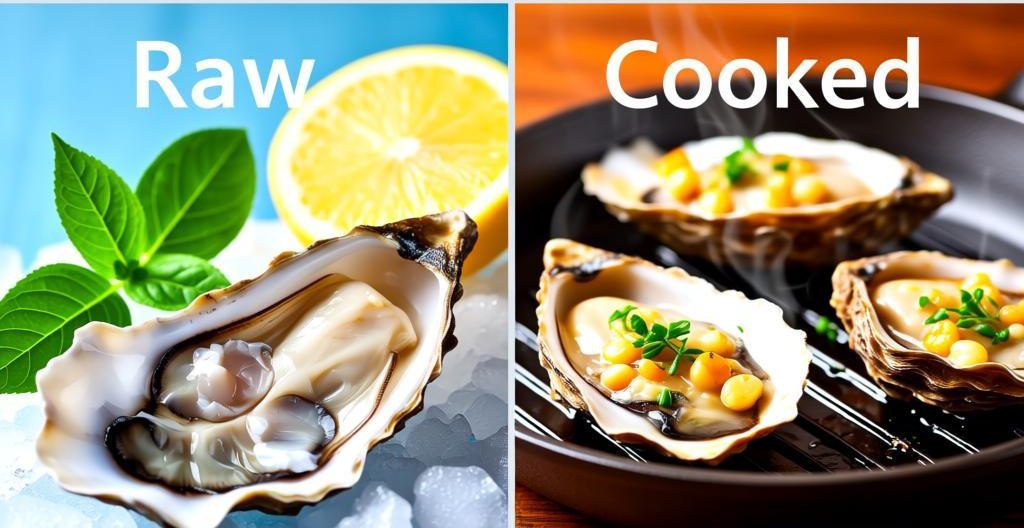
Zinc is a trace mineral essential for testosterone production and sperm health. Low zinc levels have been linked to reduced libido and erectile dysfunction. Foods rich in zinc include oysters, pumpkin seeds, beef, and dark chocolate.
While zinc supplementation can be beneficial, it is important to avoid excessive intake, as high levels may interfere with copper absorption and cause other health issues.
Lifestyle Integration: Making Nutrition Work for You
Meal Planning for Sexual Health
Integrating nutrient-rich foods into daily meals requires thoughtful planning. A balanced diet should include a variety of fruits, vegetables, whole grains, lean proteins, and healthy fats. For example, a breakfast of oatmeal topped with berries and walnuts provides fiber, antioxidants, and omega-3s.
Lunch could feature grilled salmon with quinoa and steamed broccoli, offering protein, complex carbohydrates, and essential vitamins. Snacks such as Greek yogurt with almonds or a handful of sunflower seeds can provide additional nutrients to support sexual health.
Hydration and Alcohol Moderation
Staying hydrated is crucial for maintaining blood flow and overall health, as dehydration can lead to fatigue and reduced libido. Water should be the primary beverage, with limited consumption of sugary drinks and alcohol.
While moderate alcohol intake may temporarily enhance sexual performance, excessive drinking can impair erectile function by reducing testosterone levels and damaging blood vessels. Limiting alcohol to one or two glasses per day can help mitigate these risks.
Eliminating Processed Foods and Sugar
Processed foods and added sugars are associated with inflammation, weight gain, and insulin resistance, all of which can contribute to ED. A diet high in refined carbohydrates and unhealthy fats may lead to metabolic syndrome, a cluster of conditions that increase the risk of cardiovascular disease and sexual dysfunction. Replacing processed foods with whole, unprocessed alternatives can significantly improve vascular health and support sexual function.
Psychological and Emotional Well-Being: The Mind-Body Connection
The Role of Nutrition in Mental Health
Psychological factors such as stress, anxiety, and depression are closely linked to ED, and nutrition can play a significant role in managing these conditions.
Certain nutrients, like B vitamins (B6, B12, and folic acid), magnesium, and omega-3 fatty acids, have been shown to support brain health and reduce symptoms of anxiety and depression.
A diet rich in these nutrients can improve mood, enhance cognitive function, and reduce the psychological burden of ED, creating a positive feedback loop for sexual health.
Stress Reduction Through Diet
Chronic stress can exacerbate ED by disrupting hormonal balance and impairing blood flow. Nutritional strategies that reduce stress include consuming foods high in magnesium, such as leafy greens, nuts, and seeds, which help regulate the nervous system.
Additionally, a diet rich in antioxidants can reduce oxidative stress, which is often elevated in individuals with chronic stress. Incorporating stress-reducing foods into the diet can therefore have a dual benefit: improving sexual function and enhancing mental well-being.
Emotional Support and Dietary Choices
Emotional support is an essential component of managing ED, and dietary choices can complement this by fostering a sense of well-being. For example, consuming foods that promote relaxation, such as dark chocolate, which contains antioxidants and magnesium, can help alleviate anxiety.
Similarly, a diet rich in omega-3 fatty acids may improve mood and reduce feelings of depression, which can indirectly enhance sexual performance. Combining nutritional strategies with emotional support creates a holistic approach to addressing ED.
Holistic Approaches: Combining Nutrition with Other Health Practices
Exercise and Sexual Health
Regular physical activity is a cornerstone of sexual health, as it improves cardiovascular function, enhances mood, and increases energy levels. Exercise also helps manage weight, which is a risk factor for ED. Activities such as aerobic exercise, strength training, and yoga can all contribute to better sexual function.
For example, aerobic exercise improves blood flow, while yoga can reduce stress and enhance flexibility, both of which are beneficial for sexual health. Combining a nutrient-rich diet with regular exercise creates a synergistic effect that supports overall well-being.

The Importance of Sleep
Quality sleep is essential for maintaining hormonal balance and sexual function. During sleep, the body produces testosterone, a hormone critical for libido and erectile function. Poor sleep or sleep disorders such as sleep apnea can lead to hormonal imbalances and contribute to ED.
A diet that supports sleep includes foods rich in tryptophan, such as turkey, eggs, and dairy products, which promote the production of melatonin, the hormone that regulates sleep. Ensuring adequate sleep alongside a healthy diet can significantly improve sexual health.
Stress Management Techniques
Stress management techniques such as meditation, deep breathing, and mindfulness can complement dietary interventions for ED. These practices help reduce cortisol levels, which can interfere with sexual function.
Incorporating stress-reducing foods into the diet, such as those high in magnesium and omega-3 fatty acids, can further enhance the effectiveness of these techniques. A holistic approach that integrates nutrition, exercise, sleep, and stress management offers the best chance of improving sexual health.
Long-Term Strategies: Sustaining Sexual Health Through Diet
Building Sustainable Dietary Habits
Long-term success in managing ED through nutrition requires the development of sustainable dietary habits. This involves making gradual changes to the diet rather than drastic, short-term fixes.
For example, increasing the intake of nutrient-dense foods over time, rather than relying on supplements, can lead to more lasting improvements in sexual health. It is also important to maintain a balanced approach, avoiding excessive restrictions that may lead to disordered eating patterns.
Monitoring Progress and Adjusting the Diet
Regular monitoring of progress is essential to ensure that dietary changes are effective and sustainable. Keeping a food diary or tracking sexual health metrics, such as the frequency and quality of erections, can provide valuable insights into the impact of the diet.
If certain foods or nutrients are not yielding the desired results, adjustments can be made based on individual needs and feedback from healthcare professionals. Flexibility in the diet allows for ongoing optimization of the nutritional plan.
Encouraging a Supportive Environment
Creating a supportive environment is crucial for maintaining long-term dietary changes. This includes involving family, friends, or support groups in the journey, as social support can enhance motivation and adherence to healthy habits.
Additionally, celebrating small victories and staying positive can help sustain the commitment to a nutritious diet. A supportive environment fosters resilience against setbacks and encourages continued progress in improving sexual health through nutrition.
Conclusion
Improving sexual health through nutrition involves a multifaceted approach that combines dietary changes, lifestyle adjustments, and emotional well-being. A nutrient-rich diet that includes foods high in antioxidants, omega-3 fatty acids, zinc, and magnesium can significantly enhance vascular function, hormonal balance, and overall sexual health.
Integrating this diet with regular exercise, quality sleep, and stress management techniques creates a holistic strategy for addressing ED.
Additionally, evaluating supplements and products with care, along with fostering a supportive environment, ensures that the nutritional plan is both effective and sustainable. By prioritizing long-term dietary habits and a holistic lifestyle, individuals can achieve lasting improvements in their sexual health and overall well-being.