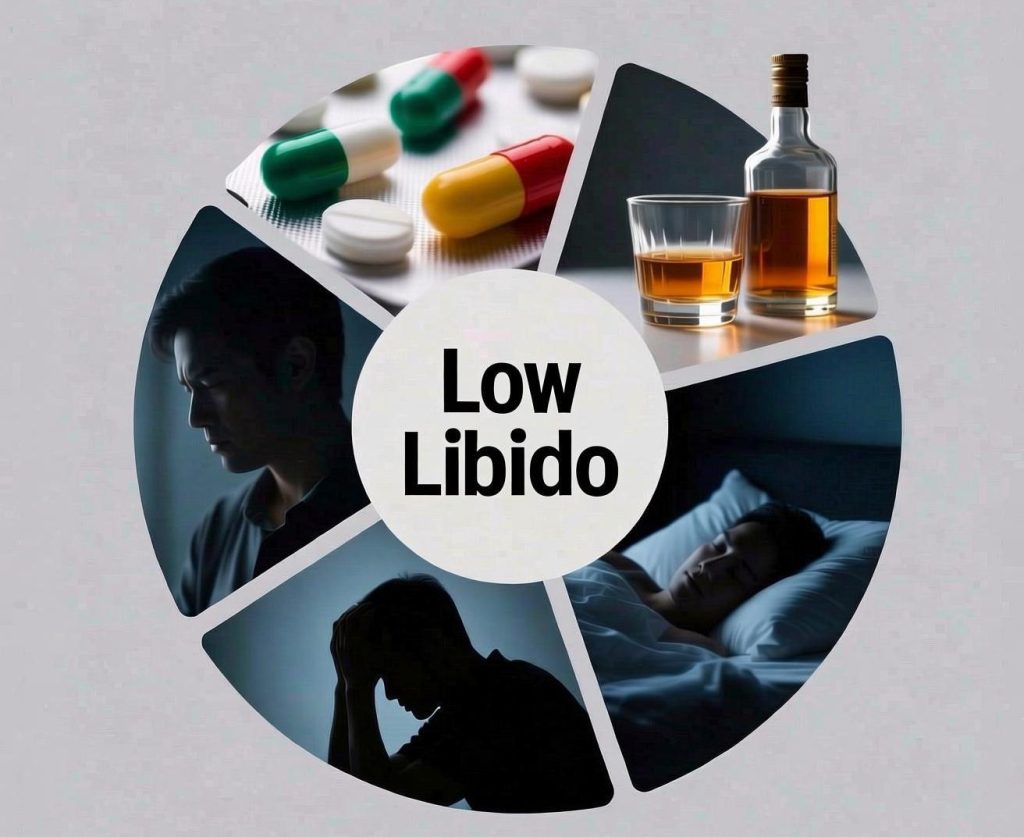
The allure of natural remedies has drawn many men seeking to improve their sexual health and performance. A booming market of herbal supplements promises solutions to issues like erectile dysfunction (ED), low libido, premature ejaculation, and general sexual wellness.
However, the landscape is fraught with complexities – from limited scientific backing and potential interactions with medication to inconsistent quality control and outright misleading marketing.
This guide aims to provide a balanced, nuanced perspective, considering perspectives from traditional medicine, modern science, regulatory bodies, and the lived experiences of men.
It’s crucial to understand this isn’t medical advice, and consulting with a healthcare professional is paramount before trying any new supplement, especially if you have existing medical conditions or are taking other medications.

Understanding the Claims and the Context
The appeal of herbal supplements often lies in their perceived “naturalness” and association with traditional medicine systems like Traditional Chinese Medicine (TCM) and Ayurveda. For centuries, cultures worldwide have utilized plants for various health purposes, including addressing sexual concerns.
These traditions often view sexual health as intertwined with overall well-being, focusing on balancing energies and correcting imbalances rather than targeting individual symptoms. However, the shift from traditional, often carefully prescribed, use to mass-marketed products presents a significant change.
Modern marketing frequently simplifies complex traditional concepts, often claiming “ancient secrets” or “natural aphrodisiacs” without providing adequate context or scientific validation.
These claims can be tempting, especially for men feeling pressure or embarrassment surrounding sexual difficulties, which are often stigmatized. It’s critical to discern marketing hype from genuine potential benefits and to understand that what worked anecdotally for one person may not be effective or safe for another.
Key Herbal Supplements and What the Research Says
Let’s examine some of the most commonly advertised herbal supplements for male sexual health and the current state of scientific evidence supporting their claims. Note that “evidence” ranges from preliminary studies to anecdotal reports, and robust, large-scale clinical trials are often lacking.

1. Tribulus Terrestris
The Claim: Boosts testosterone levels, enhances libido, and improves erectile function.
The Science: The evidence for Tribulus Terrestris is perhaps the most disappointing in this category. While traditionally used in Ayurvedic medicine, numerous studies have found little to no effect on testosterone levels in healthy men. Some research suggests it may improve libido in men with low libido, but the effect size is often small, and the research is not conclusive.
Animal studies have shown some beneficial effects on erectile function, but these haven’t been reliably replicated in humans. A 2014 meta-analysis in the British Journal of Nutrition concluded that Tribulus Terrestris supplementation did not significantly affect testosterone, body composition, or strength.
2. Horny Goat Weed (Epimedium)
The Claim: Increases libido, improves erectile function, and enhances overall sexual performance.
The Science: Horny Goat Weed contains a compound called icariin, which is thought to be responsible for some of its purported effects. Icariin acts as a phosphodiesterase-5 (PDE5) inhibitor, similar to drugs like Viagra. However, the amount of icariin found in most commercially available Horny Goat Weed extracts is often insufficient to produce a significant effect.
Some studies have shown improvement in erectile function in animals, but human trials are limited and often of poor quality. While preliminary research is promising, more rigorous investigation is needed.
3. Maca Root
The Claim: Enhances libido, improves mood, and may improve sperm quality.
The Science: Maca is a Peruvian root vegetable. Unlike Tribulus, Maca has shown more promising, albeit still limited, evidence for libido enhancement, particularly in men experiencing sexual dysfunction related to antidepressant medication.
Several studies suggest it can improve sexual desire and satisfaction without significantly impacting hormonal levels. Some research indicates potential benefits for sperm motility and quality, but further investigation is required. The mechanism of action isn’t fully understood, but it’s thought to act as an adaptogen, helping the body cope with stress.
4. Ginseng (Panax Ginseng)
The Claim: Improves energy levels, reduces fatigue, and enhances sexual function.
The Science: Ginseng, particularly Panax ginseng (Asian ginseng), has a long history of use in TCM for treating fatigue and boosting vitality. Some studies suggest it can improve erectile function and increase sexual desire.
Ginseng’s mechanisms involve increasing nitric oxide production, which helps relax blood vessels and improve blood flow. However, the quality of ginseng supplements can vary significantly, and some studies have yielded inconsistent results. American ginseng (Panax quinquefolius) has different properties and isn’t typically used for sexual enhancement.
5. Yohimbine
The Claim: Improves erectile function and enhances libido.
The Science: Yohimbine, derived from the bark of the Yohimbe tree, is a more potent and potentially risky supplement. It’s an alpha-2 adrenergic blocker, which can improve blood flow to the penis. While some studies suggest it can be effective for ED, especially in men with psychogenic causes (related to anxiety or stress), it can also cause significant side effects, including increased heart rate, anxiety, and high blood pressure. Yohimbine is not recommended without medical supervision due to the potential for serious adverse effects. The FDA has restricted its use.
The Regulatory Landscape and Quality Control
This is a critical area of concern. In the United States, herbal supplements are regulated as food products, not drugs. This means they are not subject to the same rigorous testing and approval processes as pharmaceuticals.
The Dietary Supplement Health and Education Act (DSHEA) of 1994 places the responsibility for ensuring the safety and accuracy of supplement labels on the manufacturers. The FDA can take action against misbranded or adulterated products, but the onus is often on consumers to be vigilant.
Key concerns regarding quality control include:
- Adulteration: Some supplements have been found to be adulterated with prescription drugs (like Viagra or tadalafil) without proper labeling, posing serious health risks.
- Inconsistent Potency: The amount of active compounds can vary significantly between batches and brands.
- Misidentification of Ingredients: Some products may contain different herbs than what’s listed on the label.
- Contamination: Supplements can be contaminated with heavy metals, pesticides, or other harmful substances.
To mitigate these risks, look for supplements with:
- Third-Party Certification: Organizations like USP (United States Pharmacopeia), NSF International, and ConsumerLab.com independently test supplements to verify their ingredients, potency, and purity.
- Detailed Ingredient Lists: Be wary of vague or proprietary blends.
- Reputable Manufacturers: Research the company’s reputation and manufacturing practices.
Personal Experiences and Perspectives
While scientific data provides a framework, individual experiences vary widely. Many men report feeling positive effects from herbal supplements, even if those effects are subjective.
However, it’s crucial to acknowledge the placebo effect and the potential for confirmation bias. Some men may attribute improvements to the supplements when other factors (lifestyle changes, stress reduction, improved relationships) are the primary drivers.
“I tried Tribulus for a few months after reading a lot of online forums,” shared one man anonymously. “Honestly, I didn’t notice much of a difference. Maybe I was expecting too much.”
Another man stated, “Maca really seemed to help me with my libido. It was subtle, but noticeable. I also felt more energetic overall.”
These diverse experiences highlight the complexity of the issue. What works for one man may not work for another, and individual responses can be influenced by a variety of factors, including genetics, lifestyle, and underlying health conditions.
Risks and Interactions – A Word of Caution
Herbal supplements are not risk-free. Potential side effects can range from mild digestive discomfort to more serious cardiovascular complications. Furthermore, many supplements can interact with prescription medications, potentially altering their effectiveness or increasing the risk of adverse effects.
Important considerations:
- Drug Interactions: Ginseng can interact with blood thinners. Yohimbine can raise blood pressure and may interact with antidepressants. Maca may affect thyroid hormone levels. Always inform your doctor about any supplements you are taking.
- Pre-existing Conditions: Men with heart conditions, high blood pressure, diabetes, or prostate problems should be particularly cautious and consult with a healthcare professional before using any herbal supplements.
- Allergic Reactions: Allergies to plants are common.
- Pregnancy and Breastfeeding: Many herbal supplements are not safe for pregnant or breastfeeding women.
Beyond Supplements: Holistic Approaches to Sexual Health
It’s vital to remember that supplements are often a short-term solution or a complementary approach. Addressing the underlying causes of sexual health issues often requires a more holistic strategy. This may include:
- Lifestyle Modifications: Regular exercise, a healthy diet, and adequate sleep can significantly impact sexual health.
- Stress Management: Chronic stress can negatively impact libido and erectile function. Techniques like meditation, yoga, and deep breathing can be helpful.
- Relationship Counseling: Relationship issues can often contribute to sexual difficulties.
- Medical Evaluation: Underlying medical conditions (diabetes, heart disease, hormone imbalances) can often be contributing factors.
Conclusion: Informed Choices and Responsible Use
The market for herbal supplements for male sexual health is complex and often misleading. While some supplements may offer potential benefits, the scientific evidence is often limited and inconsistent. Quality control is a major concern, and the risk of side effects and drug interactions is real.
Ultimately, making informed decisions requires a critical approach, careful research, and open communication with a healthcare professional. Don’t fall prey to marketing hype. Prioritize your overall health and well-being, and remember that a holistic approach to sexual health often yields the best and most sustainable results. Treat any supplement as you would any medication: with caution, research, and professional guidance.