For centuries, men have sought natural approaches to support their physical and emotional wellbeing. While modern medicine offers effective solutions, traditional herbal remedies provide a holistic perspective, addressing root causes and often minimizing side effects.
This article explores a range of herbs traditionally used to promote men’s health, focusing on areas like energy, libido, prostate health, and mood. We’ll also examine interactions with common pharmaceuticals and the crucial role of responsible sourcing and dosage.
Supporting Energy & Stamina: Adaptogens and Beyond
Many men experience fatigue, especially as they age, often linked to stress, poor diet, or underlying health conditions. Adaptogens, a unique class of herbs, are celebrated for their ability to help the body resist stressors of all kinds. They don’t just mask symptoms; they help regulate the body’s response to stress. Consider these options:
- Rhodiola Rosea: This Siberian herb is a potent adaptogen, clinically shown to reduce fatigue, improve mental performance, and enhance physical endurance. It influences the hypothalamic-pituitary-adrenal (HPA) axis, modulating cortisol levels – key to energy balance. Dosage typically ranges from 200-600mg daily, standardized to rosavin and salidroside content.
- Ashwagandha (Withania somnifera): A cornerstone of Ayurvedic medicine, ashwagandha is known for its calming and rejuvenating properties. It helps manage stress, improves sleep, and can boost testosterone levels (although studies are varied – see further discussion below). Dosage varies, typically between 300-500mg of a standardized extract daily.
- Eleuthero (Siberian Ginseng): Unlike true ginseng (Panax ginseng), Eleuthero is not a true ginseng but offers similar energy-boosting effects with less stimulating impact. It improves oxygen utilization and can support athletic performance. Typical dosage is 100-200mg daily.
Addressing Libido & Sexual Health: More Than Just Testosterone
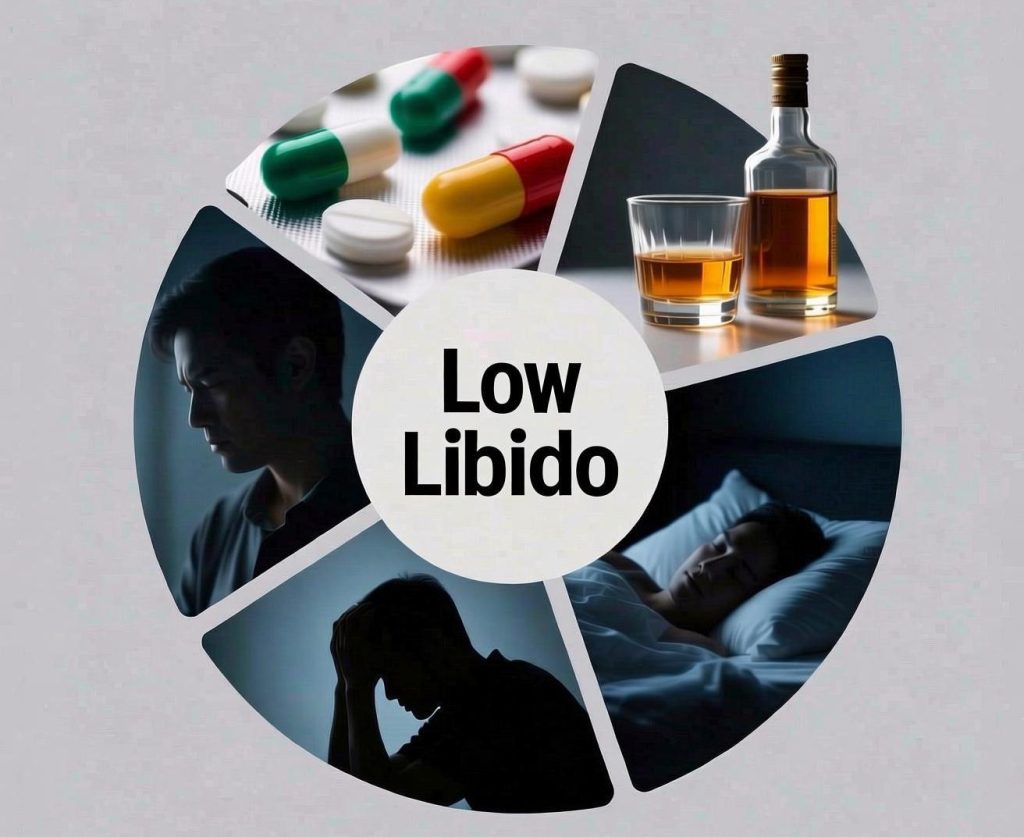
Libido decline is a common concern for men. While testosterone plays a significant role, the picture is often more complex. Factors like stress, diet, age, medication, and overall health all contribute.
It’s important to remember that libido isn’t solely about testosterone; it’s a complex interplay of hormones, neurotransmitters, and psychological factors.
The Role of Endorphins and Antidepressants
Antidepressants and libido can have a complicated relationship. Many SSRIs (Selective Serotonin Reuptake Inhibitors) and SNRIs (Serotonin-Norepinephrine Reuptake Inhibitors) are known to decrease libido. This is often due to their impact on dopamine, a neurotransmitter crucial for sexual desire. Serotonin, while beneficial for mood, can inhibit dopamine release.
Endorphins, on the other hand, are natural mood boosters and pain relievers. Physical activity, certain foods (dark chocolate!), and even laughter release endorphins, which can positively impact libido, by reducing anxiety and improving overall wellbeing. Addressing underlying anxiety or depression is crucial for regaining sexual function.
Herbs for Libido Support
- Maca (Lepidium meyenii): This Peruvian root vegetable is a popular choice for boosting libido and energy. Unlike many herbs, maca doesn’t directly affect testosterone levels but influences the hormonal balance and improves libido in both men and women. Dosage typically ranges from 1.5-3 grams of powdered root daily.
- Tribulus Terrestris: Often marketed as a testosterone booster, research on Tribulus is mixed. While some studies show it can increase testosterone slightly, others have found no significant effect. It may improve sexual function by influencing nitric oxide production, which relaxes blood vessels and improves blood flow. Dosage typically ranges from 250-500mg daily.
- Horny Goat Weed (Epimedium): Contains icariin, a compound that acts as a PDE5 inhibitor, similar to medications like Viagra. It can improve erectile function by increasing blood flow to the penis. Dosage is often in the range of 500mg daily, standardized extract.
Erectile Function & Prostate Health: Botanical Approaches
Erectile dysfunction (ED) and prostate health are significant concerns for many men. While pharmaceutical interventions like tadalafil are effective, herbs offer a potentially gentler approach, often addressing underlying imbalances that contribute to these conditions.
Tadalafil Dosage and Considerations
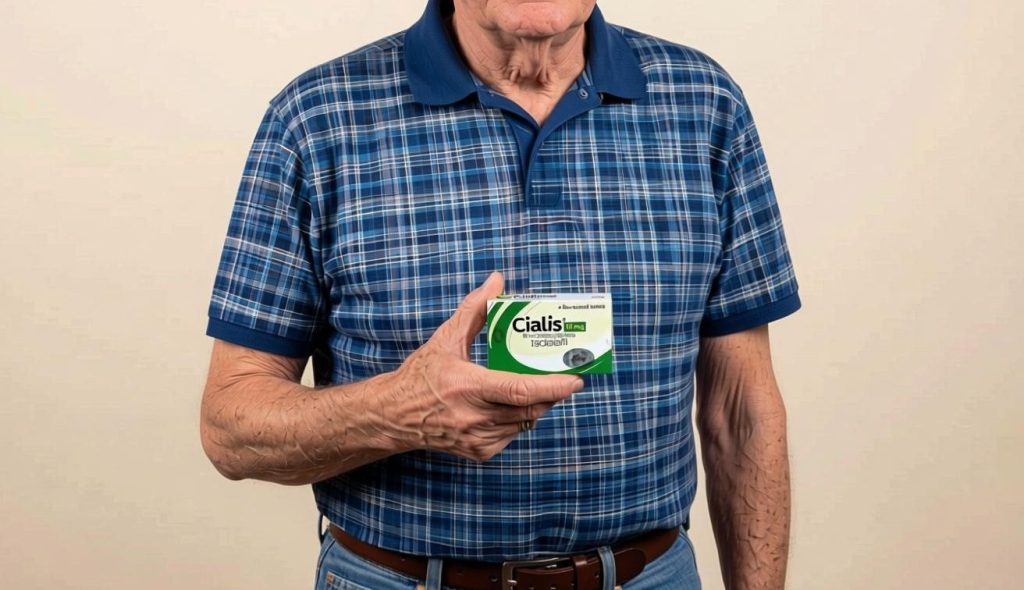
Tadalafil (Cialis) is a PDE5 inhibitor used to treat ED. The max dosage typically approved for daily use is 20mg. However, most men start with a lower dose (often 5mg or 10mg) and adjust based on effectiveness and side effects.
It’s crucial to note that tadalafil interacts with other medications, particularly nitrates (used for heart conditions), and should only be taken under the supervision of a physician.
Herbal remedies should always be discussed with a doctor, particularly if taking prescription medications. Combining tadalafil with certain herbs that affect blood flow (like Horny Goat Weed) can be dangerous and lead to hypotension (low blood pressure).
Herbs for Prostate Support
- Saw Palmetto (Serenoa repens): The most well-known herb for prostate health, saw palmetto is believed to inhibit the enzyme 5-alpha-reductase, which converts testosterone to DHT, a hormone implicated in prostate enlargement. Dosage typically ranges from 160-320mg daily, standardized to fatty acid content.
- Pygeum Africanum: Similar to saw palmetto, pygeum can help reduce prostate enlargement and alleviate symptoms of benign prostatic hyperplasia (BPH). Dosage is usually 50-100mg daily, standardized extract.
- Pumpkin Seed Oil: Rich in zinc and phytosterols, pumpkin seed oil can support prostate health and may help alleviate lower urinary tract symptoms. Dosage is typically 1-3 tablespoons daily.
Mood & Mental Wellbeing: Beyond the Basics
Men often struggle to express their emotions and can internalize stress, leading to anxiety, depression, and irritability. Herbs can offer gentle support for mood stabilization and stress management.
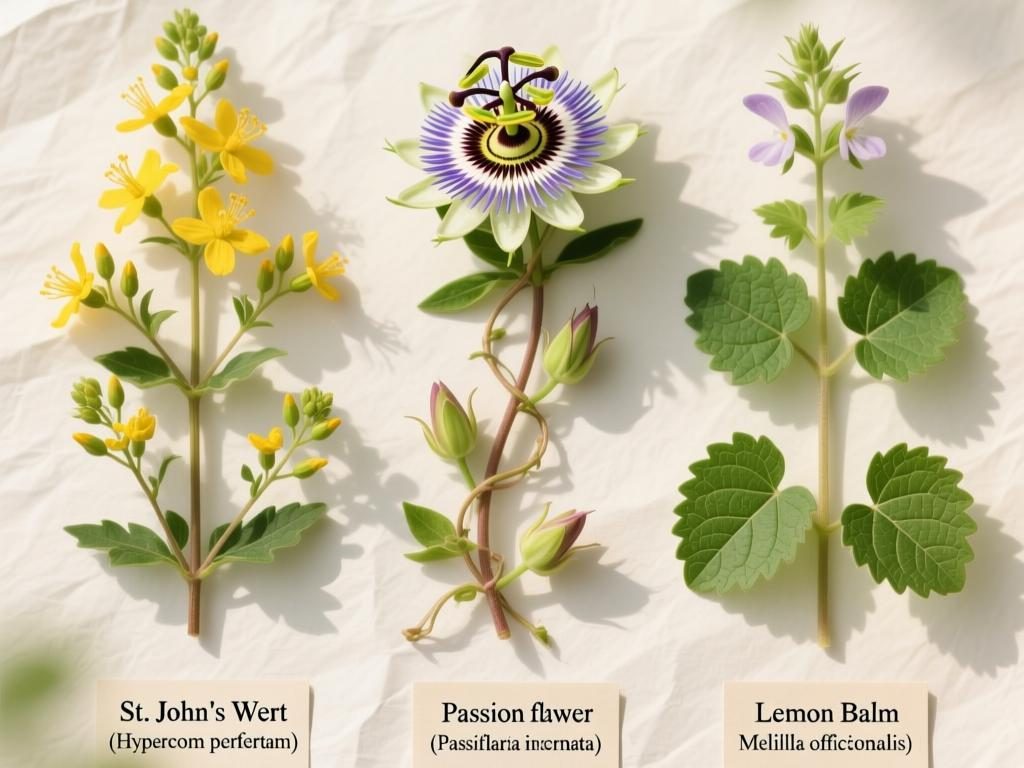
- St. John’s Wort (Hypericum perforatum): A well-known herb for mild to moderate depression, St. John’s Wort can boost mood and reduce anxiety. Crucially, it has significant drug interactions and should never be taken without consulting a doctor, as it can interfere with many medications, including antidepressants, blood thinners, and birth control pills. Dosage typically ranges from 300-900mg daily, standardized to hypericin and hyperforin content.
- Passionflower (Passiflora incarnata): A calming herb that can help reduce anxiety and promote relaxation. It’s often used as a sleep aid. Dosage varies, typically around 300-600mg daily.
- Lemon Balm (Melissa officinalis): A gentle mood lifter that can help reduce stress and improve cognitive function. Dosage is usually 300-600mg daily.
Xtreme Testosterone Male Enhancement – A Critical Examination
The market is saturated with “xtreme testosterone male enhancement” products, often promising dramatic results. Many of these products contain a blend of herbs, often with exaggerated claims and inconsistent quality.
While some ingredients (like ashwagandha and Tribulus) may have a modest effect on testosterone, the overall impact is often minimal and unpredictable. The marketing often relies on unrealistic expectations and can prey on men’s insecurities.
It’s essential to approach these products with extreme caution and do thorough research on ingredients and manufacturers.
Testosterone & Herbal Interactions: A Word of Caution
While some herbs claim to boost testosterone, it’s vital to understand the nuance. Simply increasing testosterone isn’t always beneficial. High testosterone can lead to side effects like acne, hair loss, and aggression.
Furthermore, some herbs can interact negatively with medications. It’s always best to work with a healthcare professional to assess hormone levels and address underlying issues.
Responsible Use and Safety Considerations
Herbal remedies are not without risk. It’s crucial to:
- Consult a Healthcare Professional: Before using any herbs, especially if you have underlying medical conditions or are taking medications.
- Source from Reputable Suppliers: Ensure herbs are tested for purity and potency.
- Start with Low Doses: Observe your body’s response and adjust accordingly.
- Be Aware of Interactions: Many herbs interact with medications.
- Consider Potential Side Effects: Even natural substances can have adverse effects.
Best Choice For You: A Personalized Approach
There’s no one-size-fits-all solution for men’s wellness. The best choice for you depends on your individual needs, health status, and goals.
A holistic approach, combining a healthy diet, regular exercise, stress management techniques, and, when appropriate, carefully selected herbs, is the most effective path to long-term vitality and wellbeing.