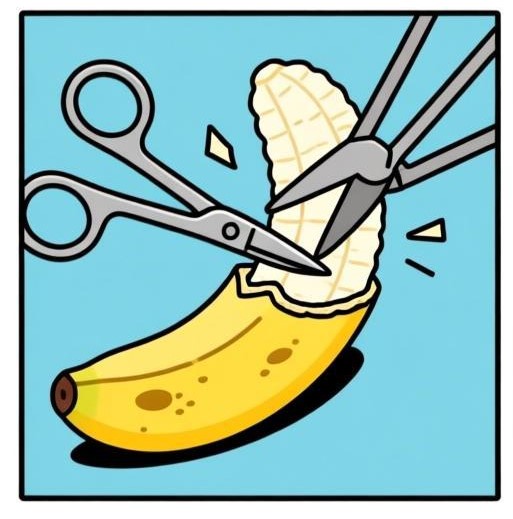
Most men don’t spend much time thinking about penile sensitivity — until something feels different. Maybe sex doesn’t feel as intense as it used to, parts of the penis feel numb, or sensation comes and goes without an obvious reason.
If you’ve noticed something like this, you’re not alone, and you’re not overreacting by paying attention. Changes in sensation can range from completely harmless to a sign that something needs a doctor’s input.
This article walks you through what these changes can feel like, the most common causes, the warning signs that deserve a doctor’s visit, and what you can do day to day. Think of it as a friendly chat with a doctor who’s heard it all before — because I have.

What Does “Normal” Sensitivity Actually Feel Like?
There’s no universal standard for how sensitive the penis should be. The glans (head) and the frenulum underneath are typically the most responsive areas, while the shaft is less so. What matters most is your personal baseline — the level of sensation you know from your own body, week to week and year to year.
Sensitivity naturally varies with age, stress, sleep, arousal level, and even how relaxed you feel with a partner. A slightly duller feeling after a long week of poor sleep is very different from a persistent, one-sided numbness that sticks around for months.
The first question I ask patients is simple: “Compared to six months ago, what’s different?” If you can answer that clearly, you’ve already done half of the detective work.
Why Does Penile Sensitivity Change?
Sensation in the penis depends on a long chain: skin, nerves, blood vessels, spinal cord, and brain. A hiccup anywhere along that chain can change how things feel. These are the most common causes I see in the clinic:
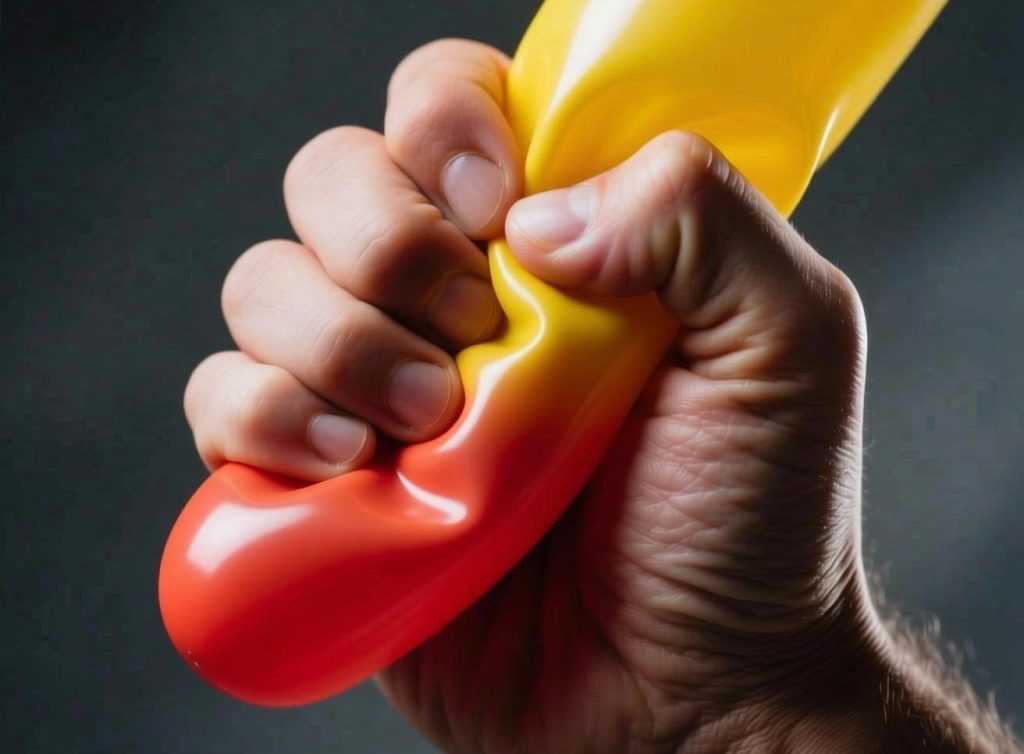
- Overly tight or aggressive stimulation — A very firm grip during masturbation, or long sessions with intense pressure, can temporarily blunt nerve response. Often nicknamed “death grip syndrome,” it usually reverses with gentler habits and a short break.
- Frequent overstimulation — When arousal is always paired with intense stimulation, ordinary physical sensation alone can feel muted by comparison.
- Reduced blood flow — Erections and sensation both depend on healthy circulation. Early vascular changes, often linked to smoking, high blood pressure, diabetes, or high cholesterol, can affect both at once.
- Nerve involvement — Long-standing diabetes, low vitamin B12, spinal issues, or pressure on nerves (including from long cycling sessions) can dull or distort sensation.
- Medications and substances — Some antidepressants (SSRIs), blood pressure drugs, alcohol, and recreational drugs are well known for dampening sensation or delaying orgasm.
- Skin conditions — Recurrent balanitis, a tight foreskin (phimosis), lichen sclerosus, or chronic irritation can change how the skin of the glans feels and responds.
- Psychological factors — Anxiety, depression, stress, and relationship tension all process through the same brain circuits that shape physical pleasure.
- After surgery or injury — Prostate procedures, hernia repairs, or direct trauma can affect nerves, sometimes temporarily, occasionally longer.
Notice how many of these are common, treatable, or fully reversible. Numbness is not a life sentence — but it is information worth acting on.
Everyday Habits That Quietly Dull the Feeling
Not every cause needs a medical textbook. Some of the most frequent culprits are lifestyle habits that sneak up on you:
- Cycling with a poorly fitted or worn-out saddle, especially long rides without breaks — sustained pressure on the perineum can compress the nerves that supply the penis.
- Very tight underwear or friction-heavy clothing that keeps the glans mildly irritated rather than comfortable.
- Heavy alcohol use, which numbs both desire and sensation in the moment and can blunt things longer term.
- Rough, unlubricated sex or masturbation that leaves behind repeated micro-irritation.
- Chronic stress and poor sleep, which dial down the whole nervous system’s responsiveness.
Here’s a quick at-a-glance reference for what many men notice and how urgent it usually is — though only a proper exam can confirm anything:
| What you notice | Most common causes | How urgent? |
|---|---|---|
| Mild dullness after vigorous sex or masturbation | Temporary nerve fatigue | Usually resolves in a day or two |
| Reduced intensity of orgasm | Stress, medications, age, low arousal | Worth a check if it persists |
| A patch of numbness that doesn’t fade | Nerve involvement, circulation | See a doctor within days |
| Numbness plus color change, pain, or coldness | Vascular or urgent nerve issue | Urgent — seek same-day care |
| Burning, pins-and-needles, or shock-like feelings | Nerve irritation, infection | Book an appointment soon |
Signs It’s Time to See a Doctor
Everyone’s threshold for booking an appointment is different, but after years of consultations, I can tell you exactly which lines matter. See a doctor if any of these apply to you:
- Sensation changes that have lasted more than two to four weeks without improving.
- Numbness affecting a specific patch of skin, or that came on suddenly.
- Sensation changes alongside erection changes — softer, less frequent, or harder to maintain.
- Sudden numbness with color change, coldness, or pain — especially after trauma, long cycling, or an injection in the area. This can be a vascular emergency; seek same-day care.
- New difficulty reaching orgasm, or orgasms that feel much weaker than your baseline.
- Pain, burning, discharge, rash, foreskin tightness, or visible skin changes alongside the sensation change.
- Tingling, pins-and-needles, or electric-shock sensations in the penis, groin, or legs.
- Loss of sensation that began after starting a new medication.
And if you have diabetes, smoke, or carry cardiovascular risk factors, be a little more proactive than the average person — nerve and vessel changes are more likely in these groups and benefit enormously from early attention.
What Actually Happens at the Appointment?
Most men put this visit off far longer than they need to. In reality, a consultation for sensitivity changes is usually straightforward, respectful, and much less awkward than feared. Expect a conversation about your history, a physical exam, and possibly some blood tests.
Before you go, jot down: when the change started, whether it’s constant or comes and goes, what exactly feels different, which medications and supplements you take, your typical cycling or exercise habits, and anything that makes things better or worse. Doctors aren’t judging — we genuinely need the details. If it helps, bring notes; nobody will blink at that.
How Doctors Can Help
Treatment depends on the cause, and the good news is that most causes respond well to targeted care. Depending on what’s found, options may include adjusting medications, managing blood sugar or cholesterol, pelvic-floor physiotherapy, changing your saddle or riding style, treating skin conditions, testosterone therapy if levels are genuinely low, or counseling when stress and performance anxiety are driving the problem.
If a reversible habit is to blame — like an overly intense grip or a porn-heavy routine — many men notice real improvement within weeks of switching to gentler, more varied stimulation and giving things a short rest. Nerves recover slowly, so patience is part of the prescription.
Looking After Your Sensitivity Day to Day
- Use lubrication — friction without lube is one of the fastest routes to irritation and temporary dullness.
- Vary your grip and technique, and ease up on pressure; the nerves adapt to whatever you habitually do.
- If you cycle, invest in a well-fitted, pressure-relieving saddle and take standing breaks on long rides.
- Keep alcohol moderate, avoid recreational drugs, and don’t smoke.
- Manage the basics: sleep, movement, stress. Your sex life is downstream of your general health.
- Do regular self-checks of the skin — a monthly glance in good light catches problems early.
Frequently Asked Questions
Is it normal for penile sensitivity to decrease with age?
Somewhat, yes. Nerve function and skin responsiveness change gradually over the decades, and sensation can become a little less acute from midlife onward. But a slow, mild shift is very different from a sudden or dramatic drop. Any marked or rapid change deserves a doctor’s opinion, whatever your age.
Can too much masturbation really cause numbness?
It can cause temporary changes, yes — mainly through very tight grips, intense pressure, or hours of continuous stimulation, which can fatigue the nerve endings and leave things feeling dull for a day or so.
It doesn’t cause permanent nerve damage the way the internet sometimes claims. If sensitivity stays low, the more likely explanations are technique habits, stress, or an underlying health factor — all worth reviewing.
Should I be worried if my penis feels numb after cycling?
Mild, short-lived numbness after a long ride is common, especially with a poor saddle, and typically fades within minutes to hours. Numbness lasting more than a few hours, or numbness with pain, color change, or erection difficulties, should be checked promptly. If you cycle a lot, a saddle refit is genuinely preventive medicine, not a luxury.
Will the doctor think I’m wasting their time with this?
Never. Sensation changes can be an early flag for circulation issues, diabetes, nerve problems, or medication side effects — things a doctor absolutely wants to know about sooner rather than later. Urologists and sexual-health clinicians discuss this topic every single day. It’s routine for us and important for you.
Can penile sensitivity come back once it’s lost?
Very often, yes. Recovery depends on the underlying cause: habit-related dullness usually reverses within weeks, medication effects typically fade after adjusting the dose or switching drugs, circulation-related changes can improve dramatically with better blood sugar, blood pressure, and lifestyle habits, and even many nerve-related causes partially recover with time and treatment. The cases that improve most are the ones evaluated early — which is the real reason not to wait.
Your body talks to you constantly — including through sensation. If something feels off below the belt, listen to it. Chances are it’s something manageable, and the worst outcome is usually just wishing you’d asked sooner. Book the appointment, ask the awkward question, and take the guesswork out of it.