
After more than two decades of talking to patients about intimacy, I can tell you the most common thing I hear in my office isn’t about pain or performance — it’s this: “Doctor, where did the desire go?” If you’ve wondered the same thing, I want you to know something right away: you’re not broken, you’re not alone, and this is one of the most normal parts of aging there is.
I’ve sat with thousands of men and women in their 50s, 60s, 70s, and beyond who quietly worry that losing their libido means something is wrong with them. It doesn’t. Desire changes with age for very real, very explainable reasons. Let’s walk through what’s actually happening in your body and your life — and more importantly, what you can do about it.

This Happens to Almost Everyone
Here’s a number that surprises my patients: studies consistently show that a large share of adults over 50 report a drop in sexual desire. In my exam room, it’s closer to the rule than the exception.
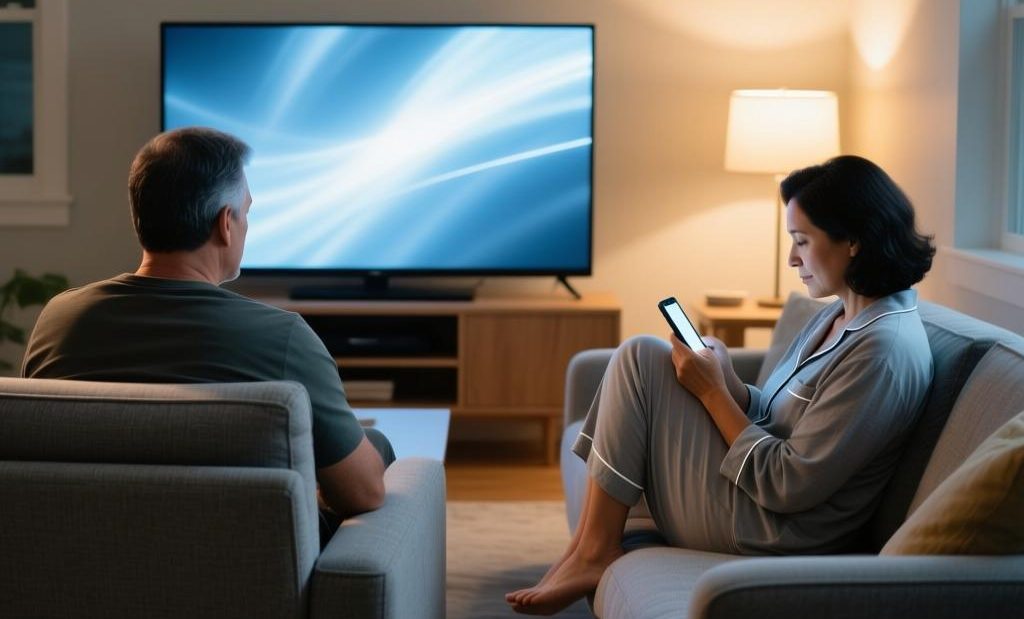
Some people notice it gradually — date nights that quietly turn into TV nights. Others wake up one day and realize they haven’t thought about sex in months. Both experiences are common, and both deserve attention rather than embarrassment.
What I always emphasize is that a change in libido is a signal, not a verdict. It’s your body telling you a story about hormones, health, relationships, and life stress. Your job — and mine — is to learn to listen to it.
What’s Really Going On Inside
The biggest biological culprit is usually hormones. Think of testosterone and estrogen as the fuel lines for your sexual engine. As we age, that fuel flows more slowly.
- In men: Testosterone drops by roughly 1% every year after age 30. By the time a man reaches 60, he may have lost a third of the hormone that drove his younger desire.
- In women: Menopause brings estrogen crashing down, which causes vaginal dryness, thinning tissues, and discomfort that can make sex feel more like a chore than a pleasure.
- In both sexes: Thyroid slowdowns, insulin resistance, and rising cortisol (the stress hormone) all chip away at desire from different angles.
I often tell my patients: you wouldn’t blame yourself for needing reading glasses at 55. So please don’t blame yourself for a hormonal shift that’s just as natural.
Your Body Changes But Your Brain Changes Too
Hormones are only half of the story. Sexual desire starts in the brain, and aging affects the mind’s role in intimacy in ways people rarely talk about.
For many couples, decades together can turn sex into routine — predictable, scheduled, a little stale. Novelty is one of the brain’s biggest turn-ons, and familiarity is its quiet opposite.
Meanwhile, body image issues creep in. I hear it constantly: “I don’t feel comfortable being seen naked anymore.” Self-consciousness is a powerful desire-killer, and it hits both men and women hard after 50.
Then there’s sleep — or the lack of it. Poor sleep slashes testosterone and raises fatigue, and a tired brain simply doesn’t prioritize intimacy. Add in lingering stress about money, adult children, aging parents, or retirement, and it’s a wonder anyone finds the energy at all.
Medications and Health Conditions
This is the one patients most often miss. Many common medications and chronic conditions directly suppress libido, and the connection frequently goes unexplained at the pharmacy counter.
In my practice, these are the usual suspects I check first:
| Factor | How It Affects Your Sex Drive |
|---|---|
| Blood pressure medications | Some beta-blockers and diuretics reduce arousal and erectile function |
| Antidepressants (especially SSRIs) | Well known for dampening desire and delaying orgasm |
| Diabetes | Damages nerves and blood vessels critical for arousal and erections |
| Heart disease | Reduces blood flow; fear of strain also creates anxiety |
| Chronic pain or arthritis | Makes positioning uncomfortable and lowers overall energy |
If you suspect a medication is behind your low drive, please don’t just stop taking it. Talk to your doctor — there are almost always alternatives with fewer intimate side effects.
So Is It All Downhill?
Now for the good news I give every patient who sits down looking defeated: aging changes sex, but it doesn’t end it. Research actually shows that sexually active older adults report better mood, better sleep, better heart health, and stronger relationships.
Many of my patients in their 60s and 70s tell me their sex lives are more satisfying now than in their 30s — because they finally know their bodies, communicate openly, and aren’t racing against anything.
The spark doesn’t die of old age. It fades when we ignore it. And here’s how to reignite it.
Practical Ways to Bring the Spark Back After 50
In my office, I hand patients a simple starting plan. Nothing exotic, nothing expensive — just proven steps:
- Talk to your partner honestly. The couples who thrive are the ones who can say “I miss being close to you” without shame or blame.
- Use lubricants without embarrassment. For postmenopausal women, a good lubricant or vaginal moisturizer can be genuinely life-changing. This is one of my most-prescribed “medications.”
- Prioritize sleep and movement. Thirty minutes of walking daily raises energy, improves blood flow, and boosts mood — all libido boosters.
- Change the script. New settings, new times of day, longer foreplay, different touch. Novelty wakes the brain back up.
- Redefine intimacy. Intercourse is one menu item, not the whole meal. Massage, oral sex, mutual touch, and skin-to-skin closeness all count — and take pressure off.
- Ask about medical options. From hormone therapy to erectile dysfunction treatments to pelvic floor physical therapy, today’s toolbox is bigger than ever.
Start with one or two of these, not all six. Small, consistent changes beat ambitious overhauls every time.
When Should You Actually See a Doctor?
I always tell patients: if low desire is distressing you or straining your relationship, that alone is reason enough to book an appointment. But specifically, come see me if you notice a sudden drop in libido (which can signal an underlying condition), pain during sex, erectile difficulties that persist, or if a new medication seemed to switch your desire off overnight.
A good doctor will check your hormones, review your medications, screen for diabetes and thyroid issues, and ask about your relationship — because the answer is rarely just one thing. The most successful patients are the ones who come in as a couple, ready to treat intimacy as a team project rather than a solo struggle.
Frequently Asked Questions
1. Is it normal to lose interest in sex as you age?
Yes — a gradual shift in desire is one of the most normal parts of aging, driven by hormones, health changes, and life circumstances. What’s not inevitable is accepting distress. If the change bothers you, it’s treatable, and it’s worth discussing with a doctor who takes sexual health seriously.
2. Can seniors still have a satisfying sex life?
Absolutely, and many do. Satisfying intimacy has no expiration date. Bodies may need more time, more lubrication, or more creativity, but desire and pleasure remain very much alive well into our 70s, 80s, and beyond. The seniors thriving in this area share one habit: they keep talking about it instead of going silent.
3. What’s the best way to talk to my partner about our fading sex life?
Choose a calm, private moment outside the bedroom — never right after a disappointing encounter. Lead with “I miss you” rather than “you never…” Make it about reconnecting, not assigning blame. And if that conversation feels impossible, a couples therapist or sex therapist can open the door for you.
4. Do medications really cause low libido in older adults?
Frequently, yes. Blood pressure drugs, antidepressants, and other common prescriptions can noticeably dampen desire. Never stop a medication on your own — instead, bring a full list to your doctor and ask directly, “Could any of these be affecting my sex drive?” Doctors can often swap in alternatives that spare your intimacy.
5. Are there treatments for low libido in older adults?
Yes — and more than most people realize. Options include hormone therapy (testosterone or estrogen when appropriate), ED medications, vaginal estrogen and lubricants for menopausal discomfort, pelvic floor therapy, medication adjustments, and counseling for psychological and relationship factors. The right treatment depends on the cause, which is exactly why the evaluation matters.
The Bottom Line
Losing the spark as you get older isn’t a failure — it’s a signal. Your hormones have shifted, your body has changed, and your life carries different weights than it did at 30. But desire is not something age simply takes away.
With honest conversation, a few practical adjustments, and a doctor who listens, most people find that intimacy doesn’t just survive the later years — it can genuinely deepen. The spark you’re missing isn’t gone. It’s just waiting for you to tend to it.