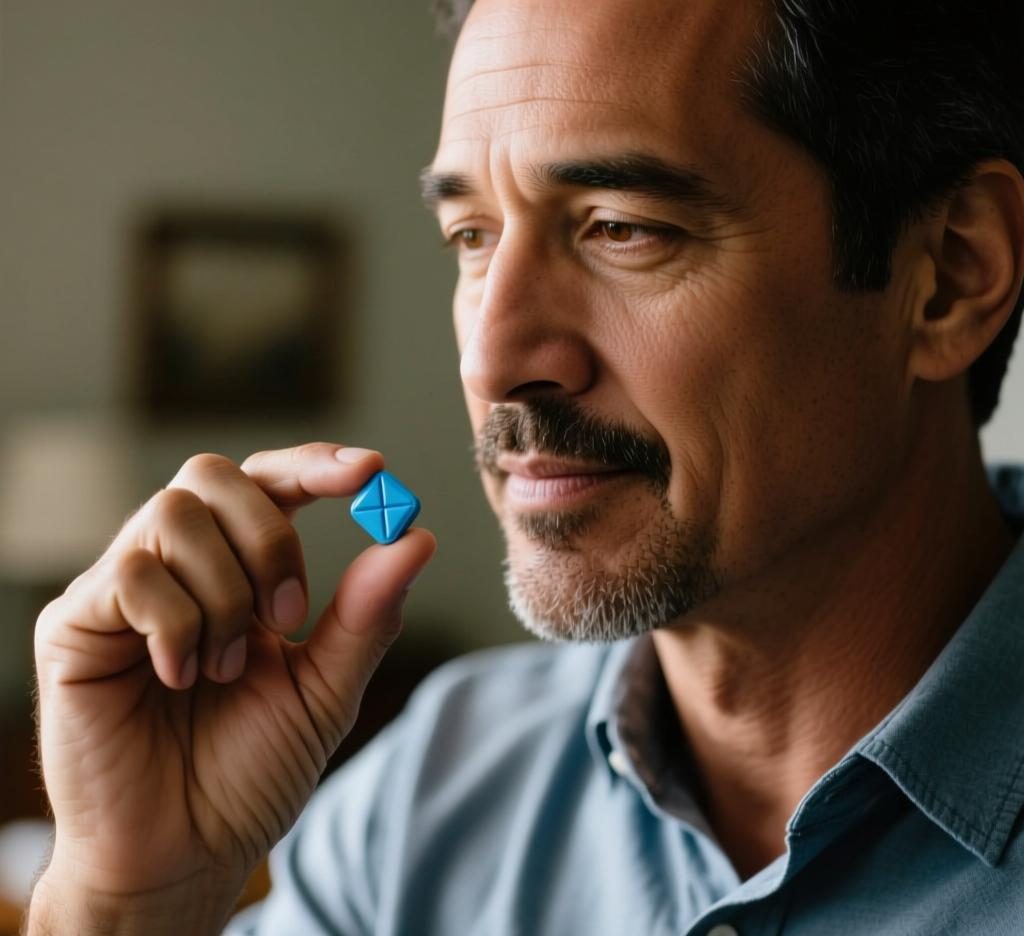
Men with hypertension often face unique challenges when it comes to sexual health. Blood pressure, a critical indicator of cardiovascular health, can significantly impact erectile function, libido, and overall sexual performance.
The relationship between blood pressure and sexual health is complex, involving physiological, psychological, and pharmacological factors. While medications for hypertension are essential for managing chronic conditions, they can sometimes interfere with sexual function, leading to concerns about performance and satisfaction.
This article explores safe sexual enhancement strategies for men with blood pressure, emphasizing the importance of balancing sexual health with cardiovascular well-being. By addressing both medical and lifestyle factors, this guide aims to provide a comprehensive overview of how men can improve their sexual performance without compromising their health.

Medical Considerations: Medications and Their Impact on Sexual Function
Many men with hypertension are prescribed medications such as beta-blockers, ACE inhibitors, and diuretics. While these drugs are effective in lowering blood pressure, they can have side effects that affect sexual health.
For example, beta-blockers may reduce libido and cause erectile dysfunction (ED), while diuretics can lead to decreased testosterone levels. ACE inhibitors, though generally well-tolerated, may occasionally contribute to sexual dysfunction in some individuals.
It is crucial for men with hypertension to understand how their medications might influence their sexual health and to discuss potential side effects with their healthcare provider. Open communication with a doctor can help identify alternative treatments or adjustments to existing regimens that may mitigate sexual side effects without compromising blood pressure control.
One of the most common medications for hypertension, phosphodiesterase type 5 (PDE5) inhibitors like sildenafil (Viagra), tadalafil (Cialis), and vardenafil (Levitra), are often prescribed for ED. These medications work by increasing blood flow to the penis, which can be beneficial for men with hypertension.
However, they must be used cautiously, as they can interact with certain blood pressure medications. For instance, combining PDE5 inhibitors with nitrates (used to treat angina) can lead to a dangerous drop in blood pressure. Men with hypertension should never take PDE5 inhibitors without consulting their doctor, as the risks of hypotension and other complications may outweigh the benefits.
Alternative approaches to managing sexual dysfunction in men with hypertension may involve adjusting medication dosages or switching to different classes of antihypertensive drugs. For example, calcium channel blockers like amlodipine or long-acting beta-blockers such as carvedilol may have fewer sexual side effects compared to other medications.
However, any changes to a medication regimen should be made under the guidance of a healthcare professional. In some cases, doctors may recommend combining PDE5 inhibitors with other treatments, such as testosterone replacement therapy, to address both blood pressure and sexual health concerns. It is essential to prioritize cardiovascular safety while exploring options for sexual enhancement.
Lifestyle Modifications: Enhancing Sexual Health Through Daily Habits
Adopting a healthy lifestyle can have a profound impact on both blood pressure and sexual function. Men with hypertension should focus on maintaining a balanced diet, engaging in regular physical activity, and managing stress to support overall cardiovascular and sexual health.
These lifestyle changes not only help regulate blood pressure but also improve erectile function and libido. For example, a diet rich in fruits, vegetables, whole grains, and lean proteins—such as the Mediterranean diet—can reduce inflammation and improve endothelial function, which is critical for sexual health.
Foods high in potassium, such as bananas and spinach, may also help lower blood pressure by counteracting the effects of sodium.
Regular physical exercise is another key factor in maintaining healthy blood pressure and sexual function. Aerobic activities like walking, swimming, and cycling can strengthen the cardiovascular system, improve blood flow, and enhance sexual performance.
Strength training and flexibility exercises may also contribute to better sexual health by improving muscle tone and reducing stress. However, men with hypertension should consult their doctor before starting an exercise program to ensure that their chosen activities are safe for their condition.
Gradual increases in intensity and proper warm-up routines can help prevent injury and ensure long-term adherence to an active lifestyle.
Stress management techniques, such as mindfulness meditation, yoga, and deep breathing exercises, can also play a significant role in improving sexual health. Chronic stress can elevate blood pressure and contribute to sexual dysfunction by affecting hormone levels and reducing libido.
Incorporating stress-reducing practices into daily routines can help men with hypertension maintain a more balanced state of mind, which in turn supports both cardiovascular and sexual well-being.
Additionally, adequate sleep is essential for hormonal regulation, as sleep deprivation can lead to increased cortisol levels and decreased testosterone, both of which can negatively impact sexual function.
Natural Supplements and Herbal Remedies: Safe Alternatives for Sexual Enhancement
Many men with hypertension are interested in natural supplements or herbal remedies to improve sexual performance without relying on prescription medications.
While these alternatives may offer benefits, it is important to approach them with caution, as they can interact with blood pressure medications or have unintended side effects.
Some commonly used herbal supplements for sexual health include ginseng, L-arginine, and pomegranate extract, all of which have been studied for their potential to enhance erectile function and improve cardiovascular health.
Ginseng, particularly Panax ginseng, has been traditionally used to boost energy, reduce stress, and improve sexual function. Some studies suggest that ginseng may enhance blood flow and nitric oxide production, which are essential for achieving and maintaining an erection.
However, the effectiveness of ginseng can vary depending on the individual and the quality of the product. Men with hypertension should consult their healthcare provider before taking ginseng, as it may interact with certain medications, including antihypertensives.
L-arginine, an amino acid that the body uses to produce nitric oxide, is another popular supplement for improving sexual health. Nitric oxide helps relax blood vessels, which can enhance blood flow to the penis and support erectile function.
While some research indicates that L-arginine may be beneficial for men with ED, its effectiveness can be limited by factors such as dosage and individual physiology.
It is also important to note that L-arginine may lower blood pressure, which could be problematic for men already on antihypertensive medications.
Pomegranate extract, rich in antioxidants, has been shown to improve endothelial function and reduce oxidative stress, both of which are beneficial for cardiovascular health. Some studies suggest that pomegranate juice or supplements may help lower blood pressure and enhance sexual performance by improving blood flow.
However, the evidence for its direct impact on sexual function is still emerging, and more research is needed to confirm its effectiveness. Men with hypertension should be cautious about consuming large amounts of pomegranate juice, as it is high in natural sugars and may affect blood sugar levels.
Psychological and Emotional Factors: Addressing the Mind-Body Connection
Sexual health is not solely a physical matter; it is also deeply influenced by psychological and emotional factors. Men with hypertension may experience anxiety, depression, or performance-related stress, all of which can contribute to sexual dysfunction.
The mind-body connection plays a critical role in sexual performance, as emotional well-being can directly impact hormone levels, libido, and the ability to achieve and maintain an erection.
Addressing these psychological factors is essential for achieving a balanced approach to sexual enhancement without compromising health.
Stress and anxiety are particularly relevant for men with hypertension, as chronic stress can elevate blood pressure and exacerbate sexual dysfunction. The pressure to perform sexually may create a cycle of anxiety that further impairs sexual function.
Techniques such as cognitive-behavioral therapy (CBT), mindfulness meditation, and relaxation exercises can help men manage stress and improve their sexual confidence. CBT, in particular, has been shown to be effective in treating performance anxiety by challenging negative thought patterns and building healthier coping mechanisms.
Depression is another common issue that can affect both blood pressure and sexual health. Men with hypertension who are experiencing symptoms of depression should seek professional help, as untreated depression can lead to further complications.
Antidepressants, when used in conjunction with blood pressure medications, may have side effects that impact sexual function, so it is important to work closely with a healthcare provider to find the right balance. In some cases, lifestyle changes, such as regular exercise and social support, can help alleviate symptoms of depression and improve sexual well-being.
Building a supportive relationship with a partner or a therapist can also play a vital role in improving sexual health. Open communication about sexual needs, concerns, and expectations can reduce performance anxiety and foster a more fulfilling sexual experience.
For men with hypertension, addressing emotional barriers to intimacy is as important as managing physical health. A holistic approach that includes both psychological and physiological strategies can lead to more sustainable improvements in sexual performance.
Alternative Therapies: Exploring Complementary Approaches to Sexual Health
In addition to medical and lifestyle interventions, alternative therapies such as acupuncture, yoga, and herbal medicine may offer additional benefits for men with hypertension seeking to enhance their sexual health.
These approaches often focus on holistic well-being, addressing both the physical and emotional aspects of sexual function. While they are not a substitute for medical treatment, they can complement conventional therapies and contribute to a more balanced approach to sexual enhancement.
Acupuncture, a traditional Chinese medicine practice, has been studied for its potential to improve sexual function and reduce stress. Research suggests that acupuncture may help regulate hormone levels, increase blood flow, and reduce inflammation, all of which are beneficial for men with hypertension.

Acupuncture sessions typically target specific points on the body that are believed to influence sexual health and cardiovascular function. While the evidence for its effectiveness is promising, more studies are needed to confirm its role in sexual enhancement for men with high blood pressure.
Yoga, which combines physical movement, breathing exercises, and meditation, can also support sexual health by reducing stress, improving circulation, and enhancing body awareness. Certain yoga poses, such as the “Bridge Pose” and “Cobra Pose,” are designed to stimulate the pelvic region and improve blood flow to the genital area.
Regular yoga practice may also help lower blood pressure and promote overall cardiovascular health, making it a valuable complementary therapy for men with hypertension. However, it is important to consult a qualified instructor to ensure that the chosen practices are safe and appropriate for individual health conditions.
Herbal medicine, when used under professional guidance, can also be a part of a comprehensive approach to sexual health. Herbs such as ashwagandha, maca root, and tribulus terrestris have been traditionally used to enhance libido and improve sexual function.
However, the safety and efficacy of these herbs for men with hypertension require further investigation. Some herbs may interact with blood pressure medications or have side effects that could compromise cardiovascular health.
Therefore, men considering herbal remedies should consult their healthcare provider to ensure that these treatments are safe and compatible with their existing medical regimen.
Conclusion: Balancing Sexual Enhancement with Cardiovascular Health
For men with hypertension, achieving a balance between sexual enhancement and cardiovascular health requires a multifaceted approach that considers medical, lifestyle, psychological, and alternative factors.
While there are various strategies to improve sexual performance, it is essential to prioritize long-term health and avoid compromising cardiovascular function. Medical interventions, such as carefully managed medications and PDE5 inhibitors, can be effective when used under professional supervision.
Lifestyle modifications, including diet, exercise, and stress management, provide a foundation for both blood pressure control and sexual well-being. Natural supplements and herbal remedies may offer additional benefits, but they should be approached with caution and integrated into a broader health plan.
Psychological and emotional factors must also be addressed to ensure that sexual health is supported by a holistic and sustainable approach. By combining these elements, men with hypertension can enhance their sexual performance while maintaining the health of their cardiovascular system.
Ultimately, the key to safe sexual enhancement lies in personalized care, informed decision-making, and ongoing collaboration with healthcare providers to achieve optimal outcomes.