Let’s talk about something most men only whisper about — or worse, Google at 2 a.m. with the screen brightness all the way down. Erections depend on healthy blood flow, and when that flow slows down, everything else does too. The good news? You have more control over it than you might think.
Before reaching for a pill, many men are looking at natural ways to improve circulation — and doctors agree that’s a smart instinct. Here’s what actually works, straight from urologists, nutritionists, and the men who’ve tried it themselves.
Why Blood Flow Matters More Than You Think?
An erection is a hydraulics event. When you’re aroused, arteries down below relax and widen, blood rushes in faster than it drains out, and — well, you know the rest. No blood flow, no erection. It really is that mechanical.
That’s also why erectile troubles are worth taking seriously. The arteries that serve the penis are smaller than the ones feeding your heart, so they’re often the first to show trouble when something’s off in your cardiovascular system. Urologists sometimes call erectile dysfunction “the canary in the coal mine” for heart health — it can show up years before other warning signs.
The takeaway? Working on blood flow isn’t just about your sex life. It’s a whole-body upgrade.
The Everyday Habits That Quietly Sabotage Circulation
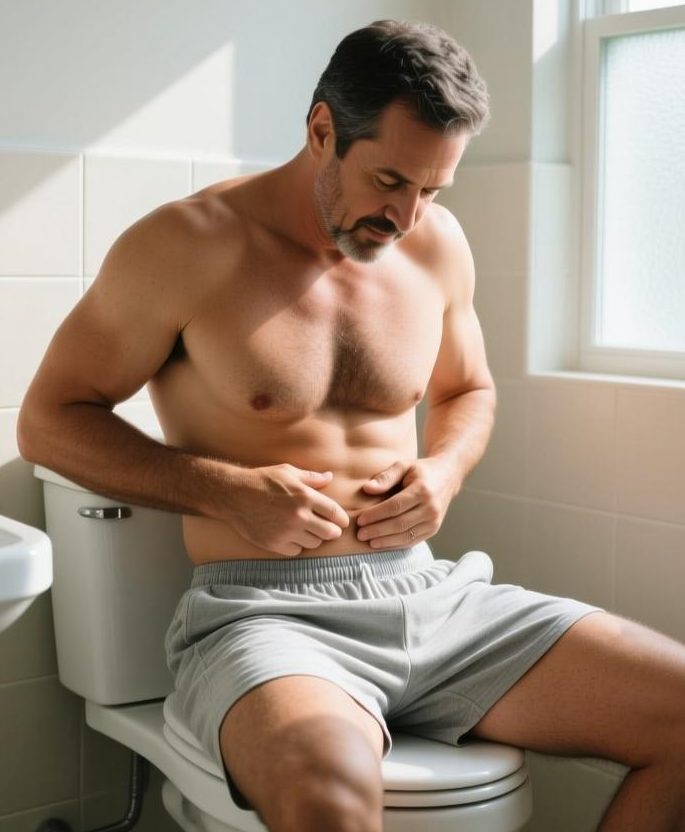
Before adding good habits, it helps to drop the ones quietly working against you. Men are often surprised by how much these everyday patterns matter:
- Smoking: Nicotine constricts blood vessels almost immediately, and long-term use damages their lining. Ask any urologist for the top culprit, and this is it.
- Heavy drinking: A drink might loosen you up, but regular heavy drinking dulls nerve sensitivity and lowers testosterone.
- Skimping on sleep: Testosterone is produced mostly during sleep. Chronically running on five hours? That’s a problem.
- Sitting all day: Hours of sitting slows circulation everywhere — including where it counts.
- Carrying extra belly weight: Abdominal fat is metabolically active and linked to both poorer circulation and lower testosterone.
- Chronic stress: Stress hormones like adrenaline actually tighten blood vessels — the exact opposite of what an erection needs.
One 45-year-old reader put it bluntly: “I thought my problem was age. Turns out it was ten years of takeout, beer, and zero exercise. Once I fixed those, the problem mostly fixed itself.”
Which Exercises Are Good For Blood Circulation?
If there’s one natural remedy with rock-solid evidence behind it, it’s exercise. Research consistently shows that regular aerobic activity — think brisk walking, jogging, swimming, or cycling — improves erectile function, especially in men whose troubles started recently.
One widely cited analysis found that men who exercised around 160 minutes a week for six months saw meaningful improvements in erectile function. That’s roughly 25 minutes a day. Walking counts.
Don’t overlook strength and pelvic floor work, either:
- Aerobic exercise: Grows new blood vessels, improves the lining of existing ones, and boosts nitric oxide — the chemical that makes arteries relax.
- Pelvic floor (Kegel) exercises: In one British trial, men who practiced pelvic floor exercises alongside lifestyle changes improved more than those who only changed their lifestyle. Find the right muscles by stopping your urine stream mid-flow once — those are the ones to squeeze, three sets of ten a day.
- Strength training: Supports healthy testosterone levels and metabolic health, both of which feed into better erections.
One caveat from cyclists: long hours on a narrow saddle can compress nerves and vessels. A wider, noseless saddle or regular breaks can fix that without giving up the ride.
Foods That Help Blood Flow
Cardiologists have been pushing the Mediterranean diet for decades to protect the heart. Sex doctors point out it protects erections too — same arteries, same chemistry. Here are the all-stars men swear by:
| Food | Why It Helps |
|---|---|
| Leafy greens (spinach, arugula) | Packed with nitrates, which the body converts to nitric oxide — the artery-relaxing molecule erections depend on |
| Berries and citrus | Rich in flavonoids; one large study found men eating more flavonoid-rich fruit had lower rates of erectile problems |
| Fatty fish (salmon, sardines) | Omega-3s reduce inflammation and keep blood vessel linings healthy |
| Dark chocolate | Flavanols support circulation — a small square, not the whole bar |
| Watermelon | Contains citrulline, an amino acid the body can convert to arginine, a nitric oxide building block |
| Nuts and olive oil | Cornerstones of the Mediterranean pattern linked to better erectile function in studies |
The flip side matters too: greasy, ultra-processed food works against you. “I stopped eating fried food most days and started cooking fish twice a week,” one man shared. “Three months later, things were noticeably better. My doctor was happier than I was.”
Feeling Nervous When With One’s Partner
Ask a sex therapist, and they’ll tell you the biggest sex organ is the brain. Anxiety — especially performance anxiety — floods the body with adrenaline, which clamps blood vessels shut. It’s why a man can have a great night alone but freeze up with a partner: the plumbing is fine; the brakes are on.
Sleep plays its part as well. Most testosterone release happens during deep sleep, and studies in sleep clinics show that men getting under five hours a night can see their testosterone drop noticeably within a week.
The practical fixes aren’t glamorous, but they work: a consistent bedtime, honest conversations with your partner, and cutting yourself some slack. As one therapist likes to say, “Relaxation is an erection’s best friend.”
Are Natural Herbal Health Supplements Effective?
Walk into any supplement aisle and you’ll see bottles promising miracles. Here’s a realistic scoreboard based on current research:
| Remedy | The Honest Verdict |
|---|---|
| Panax ginseng | Some clinical trials show modest improvement — the most promising of the herbal options |
| L-citrulline / L-arginine | Reasonable logic and small studies support them; citrulline is better absorbed |
| Propionyl-L-carnitine | Mixed results; sometimes studied alongside prescription medication |
| Pomegranate juice | Thin evidence — enjoy it, but don’t expect fireworks |
| Yohimbe bark | Skip it — linked to anxiety, racing heart, and blood pressure spikes |
A word of caution that doctors repeat constantly: supplements are loosely regulated, quality varies wildly, and some interact with medications — particularly blood thinners and blood pressure drugs. Check with your doctor or pharmacist before adding anything new.
Different Starting Points, Different Approaches
Natural approaches land differently depending on where a man starts. A few perspectives worth hearing:
- The runner in his 30s: “I assumed fitness made me bulletproof. Turns out chronic stress was my issue. Once I started actually managing it, things bounced back.”
- The dad who quit smoking: “Within two months of quitting, I could tell the difference. My circulation came back to life.”
- The couple who tackled it together: “Walking after dinner every night became our thing. Better health, better marriage, better everything.”
- The man who lost 30 pounds: “My doctor told me weight loss helps erections. I didn’t believe him. He was right.”
- The skeptic who finally saw a doctor: “I went in expecting a lecture about pills. Instead, they caught my blood pressure creeping up early. That visit might have saved my life.”
Different starting points, same lesson: blood flow responds to how you live.
What Foods Naturally Increase Blood Flow?
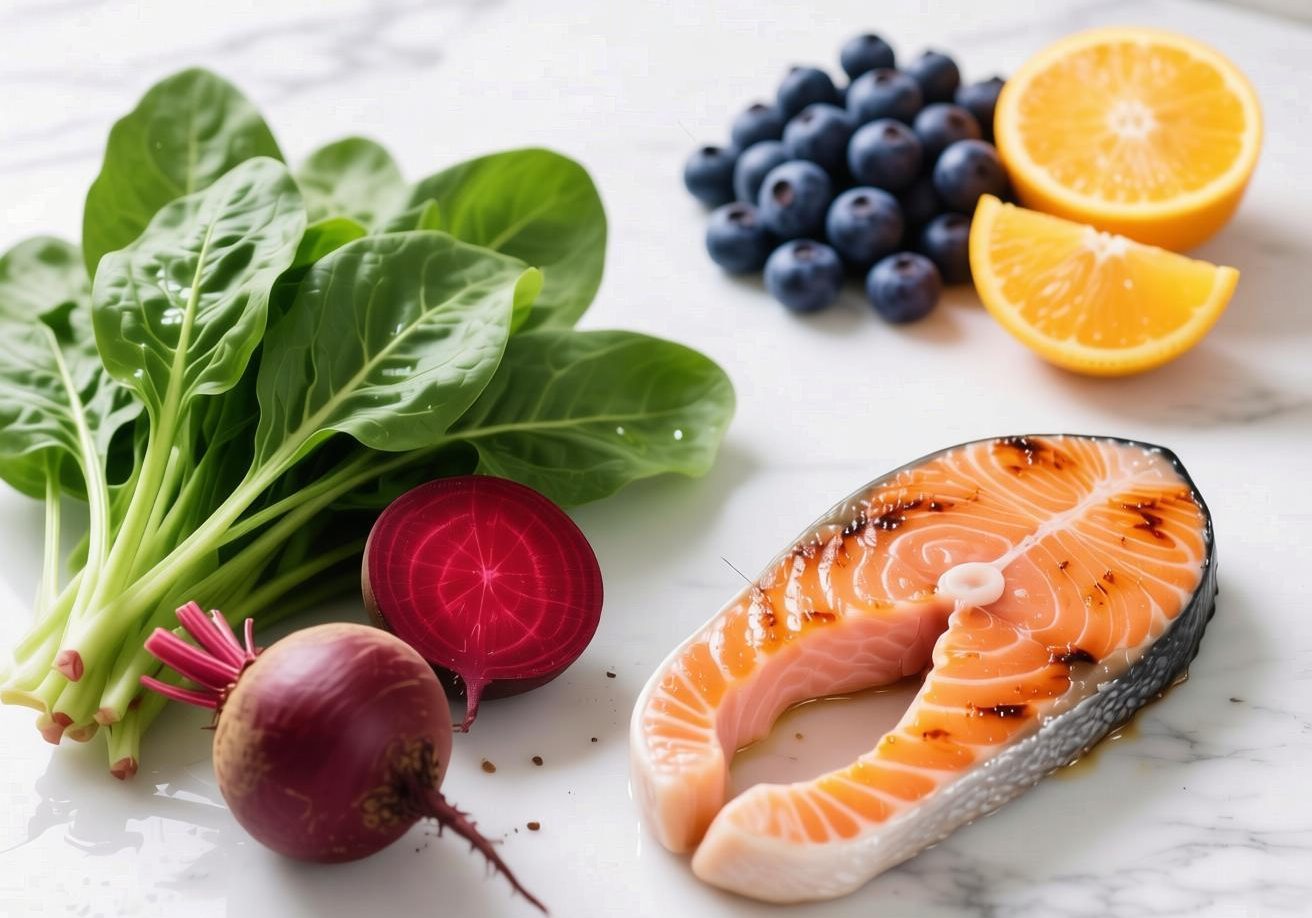
The strongest picks are leafy greens like spinach and arugula (nitrate powerhouses), beets and beet juice (also nitrate-rich, and a favorite of endurance athletes), berries and citrus (flavonoids), fatty fish (omega-3s), and watermelon (citrulline).
No single food is magic — the pattern is what counts. Men who shift toward a Mediterranean-style plate with vegetables, fruit, fish, nuts, and olive oil see the most consistent benefits, both in the bedroom and at their cardiology checkup.
How Long Until I Notice a Difference?
Honestly? Longer than the internet promises. Exercise studies typically run 8 to 12 weeks before measuring improvement, and dietary changes usually show results within a few months. Quitting smoking can pay off faster — vessel function starts recovering within weeks.
The men who succeed treat this like getting in shape: boring, steady, consistent. Three months of genuine lifestyle change is a fair test. What you shouldn’t expect is overnight transformation from a single smoothie.
Can Pelvic Floor Exercises Really Help?
Yes — and they’re one of the most underrated tools. A well-known British study followed men who practiced pelvic floor muscle training with a physiotherapist’s guidance: roughly 40% regained normal erectile function, and another third improved, better than the group that changed lifestyle alone.
The exercises cost nothing and take five minutes a day. The catch is doing them correctly and consistently — many men squeeze the wrong muscles at first, so a physiotherapist or detailed guide helps.
Are Natural Supplements Safe to Take?
“Natural” doesn’t automatically mean “safe.” Ginseng and citrulline have decent safety records for most healthy adults, but supplements can interact with prescriptions — L-arginine and ginseng can affect blood pressure and bleeding risk, which matters if you take anticoagulants or heart medication.
Quality control is another wild card, since independent testing has found some products don’t contain what the label claims. The sensible rule: tell your doctor exactly what you’re taking, and buy only from brands verified by third-party testing.
When Should I Stop Going Natural and See a Doctor?
Set a clear rule for yourself: if erection problems persist beyond a few weeks despite honest lifestyle changes, make the appointment. See a doctor sooner if the problem appeared suddenly, if morning erections have disappeared, or if you have risk factors like diabetes, high blood pressure, or a family history of heart disease.
Remember — erectile dysfunction can be the earliest visible sign of cardiovascular disease, so a checkup isn’t an admission of defeat. It’s smart maintenance. And one crucial safety note: prescription ED medications work well for many men, but they must never be combined with nitrate drugs for chest pain.
The Bottom Line
Better erections aren’t hiding in a miracle supplement — they’re built from things you already know how to do. Walk most days. Eat more plants and fish. Sleep like it matters. Drop the cigarettes. Train those pelvic floor muscles. Manage the stress. Do those for three honest months, and the odds are genuinely in your favor.
And if the natural route doesn’t fully solve it? That’s not failure — that’s information. A doctor can check the deeper causes and get you back on track. Your heart, your energy, and your confidence will thank you either way. Real blood flow, real results — and it starts with the next healthy choice you make.