As a physician specializing in botanical medicine and preventative healthcare for over 20 years, I’ve consistently been impressed by the enduring wisdom of traditional medicine systems.
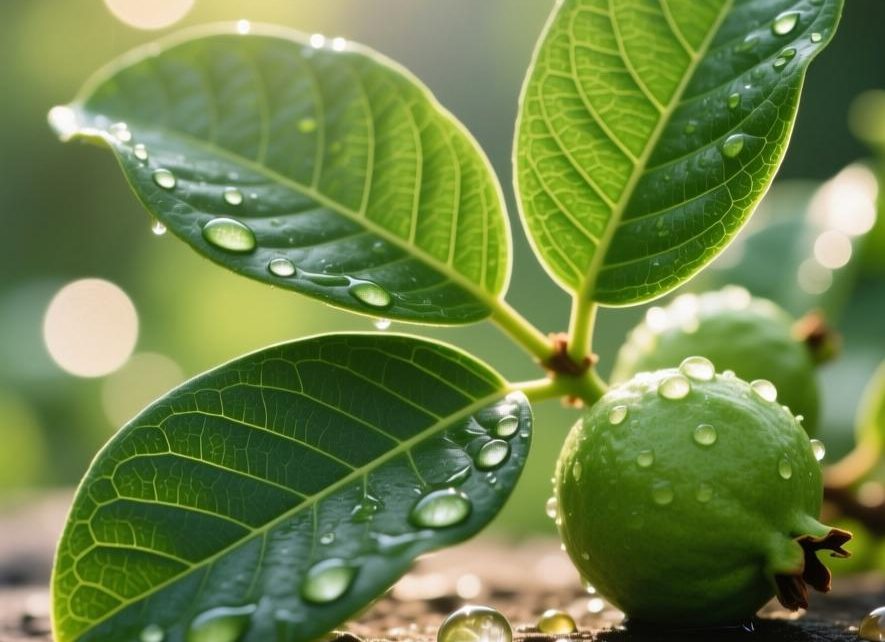
One such example is the traditional use of guava leaves (Psidium guajava) for a variety of health conditions, including those related to sexual health.
While scientific research is still emerging, there’s a growing body of evidence suggesting that guava leaves possess properties that could positively impact various aspects of sexual wellness.
This article will explore these potential benefits, analyzing the science behind them, acknowledging limitations, and providing a balanced perspective for readers.
Medicinal Value of Guava Leaves in Relation to Sexual Health
Guava trees are native to tropical America but have spread throughout the world, finding a home in various cultures. Across these cultures, guava leaves have long been utilized for their medicinal properties. In some South American traditions, infusions were used to treat diarrhea and dysentery.
In Southeast Asia, particularly in countries like Indonesia and Thailand, guava leaves are a common remedy for various ailments, including those affecting sexual health.
The traditional use cases often revolve around improving libido, addressing erectile dysfunction, and managing fertility concerns. It’s important to note that traditional use isn’t necessarily proof of efficacy, but it does provide valuable clues for modern scientific investigation.
Benefit 1: Boosting Libido – The Potential Role of Antioxidants
Reduced libido, or sexual desire, is a common complaint among both men and women, often linked to factors like stress, hormonal imbalances, and age-related decline. Guava leaves are exceptionally rich in antioxidants, including phenolic compounds like quercetin and kaempferol. These antioxidants combat oxidative stress – a process that damages cells and can negatively impact hormone production and overall health.
The Science: Oxidative stress can disrupt the hypothalamic-pituitary-gonadal (HPG) axis, the hormonal system that regulates sexual desire. Antioxidants help protect cells from damage, potentially supporting optimal HPG axis function. While there aren’t dedicated clinical trials directly investigating guava leaves and libido, research on similar antioxidant-rich compounds suggests a plausible mechanism of action. Furthermore, some animal studies have shown improved sexual behavior following antioxidant supplementation.
Clinical Perspective: I’ve observed anecdotal evidence in my practice – patients who regularly consume guava leaf infusions reporting a mild but noticeable increase in sexual desire. However, I always emphasize that this isn’t a guaranteed outcome and could be influenced by the placebo effect.
Benefit 2: Supporting Erectile Function – Nitric Oxide and Vasodilation
Erectile dysfunction (ED) is characterized by difficulty achieving or maintaining an erection. Healthy erectile function relies on adequate blood flow to the penis, and guava leaves contain compounds that may positively influence this process.
The Science: Certain compounds in guava leaves, particularly flavonoids, have demonstrated vasodilatory properties in laboratory settings. Vasodilation means that blood vessels widen, allowing for increased blood flow. This mechanism is similar to how medications like Viagra work, which rely on nitric oxide (NO) to relax smooth muscles and improve blood flow. While guava leaves don’t directly contain NO, they could enhance the body’s natural production of NO or improve the sensitivity of blood vessels to NO.
Important Caveat: It’s crucial to understand that the vasodilatory effects observed in lab studies don’t always translate to the same results in humans with ED. More research is needed to confirm the efficacy of guava leaves for treating ED.
Benefit 3: Potential Fertility Enhancement in Women – Anti-Inflammatory Properties
Female fertility can be affected by a range of factors, including inflammation and hormonal imbalances. Guava leaves possess anti-inflammatory properties that could indirectly support reproductive health.
The Science: Chronic inflammation can disrupt ovulation and impair egg quality. The compounds in guava leaves, particularly tannins and phenolic acids, exhibit anti-inflammatory effects. Furthermore, some studies suggest that guava leaf extracts might regulate menstrual cycles, which is essential for predictable ovulation.
Ethical and Research Considerations: Research in this area is particularly sensitive, as it involves reproductive health. Well-designed, ethically conducted clinical trials are vital to understand the true impact of guava leaves on female fertility.
Benefit 4: Supporting Sperm Health in Men – Antioxidant Protection
Male fertility depends on healthy sperm production and motility. Oxidative stress can damage sperm DNA and reduce sperm quality. The high antioxidant content of guava leaves could offer protection against this damage.
The Science: Sperm are particularly vulnerable to oxidative stress due to their high lipid content and limited antioxidant defenses. Antioxidants in guava leaves, such as vitamin C (often present in small amounts) and phenolic compounds, can neutralize free radicals and protect sperm DNA from damage. Some in vitro studies (studies conducted in a laboratory setting) have shown that guava leaf extracts can improve sperm motility and viability.
Translational Challenges: Results from in vitro studies don’t always translate to in vivo (in a living organism) benefits. Human clinical trials are needed to confirm the effect of guava leaves on sperm health.
Benefit 5: Managing Premature Ejaculation
Premature ejaculation (PE) is a common sexual dysfunction characterized by ejaculation occurring sooner than desired. Traditional medicine systems have often used guava leaves to manage PE, although the underlying mechanism isn’t fully understood.
Potential Mechanisms: There are several possible explanations. The mild astringent properties of guava leaves might subtly tighten pelvic floor muscles, potentially aiding in ejaculation control. Furthermore, the anxiolytic (anxiety-reducing) effects of certain compounds could help alleviate anxiety, a common contributor to PE.
Need for Rigorous Research: While anecdotal reports support this traditional use, there is currently no robust scientific evidence to confirm the efficacy of guava leaves for treating PE. Placebo effects could also play a significant role.
Benefit 6: Potential Impact on Estrogen and Testosterone
Hormonal imbalances can significantly impact sexual function in both men and women. While not a direct hormone replacement, guava leaves may have a subtle influence on hormone regulation.
The Science: Some research suggests that guava leaf extracts can influence the activity of enzymes involved in estrogen metabolism. This could potentially help balance estrogen levels, particularly in women experiencing estrogen dominance. Additionally, the antioxidant effects could indirectly support testosterone production by protecting Leydig cells (cells in the testes responsible for testosterone synthesis) from oxidative damage.
Important Disclaimer: The hormonal effects of guava leaves are likely subtle and should not be considered a substitute for hormone replacement therapy prescribed by a qualified medical professional.
Benefit 7: Reducing Anxiety & Improving Mood
Anxiety and depression can significantly impair sexual desire and function. The potential anxiolytic and mood-boosting properties of guava leaves could indirectly improve sexual well-being.
The Science: Certain compounds in guava leaves, such as flavonoids and tannins, have demonstrated calming and mood-enhancing effects in animal studies. These effects may be related to their ability to influence neurotransmitter levels in the brain. Improving overall mood and reducing anxiety can create a more conducive environment for sexual intimacy.
Holistic Perspective: Addressing psychological factors is a crucial component of sexual health. Guava leaves, as part of a holistic approach that includes stress management techniques and therapy, may contribute to improved sexual well-being.
Safety Considerations & Potential Interactions
While guava leaves are generally considered safe when consumed in moderate amounts, it’s important to be aware of potential side effects and interactions.
- Blood Sugar: Guava leaves may lower blood sugar levels. Individuals with diabetes should monitor their blood glucose closely and adjust medication as needed.
- Blood Thinning: The compounds in guava leaves might have a mild blood-thinning effect. Individuals taking blood thinners should consult with their doctor before using guava leaves.
- Pregnancy & Breastfeeding: There is limited research on the safety of guava leaves during pregnancy and breastfeeding. It’s best to avoid consumption during these periods.
- Drug Interactions: Guava leaves could interact with certain medications. Always inform your doctor about any supplements you are taking.
Some individuals may experience allergic reactions to guava leaves, including skin rashes, itching, or gastrointestinal discomfort. Additionally, guava leaves are high in tannins, which can cause constipation or digestive upset if consumed in large quantities.
It is advisable to start with small doses and monitor for any adverse reactions, especially for individuals with pre-existing gastrointestinal conditions.
Guava leaves may interact with certain medications, particularly those affecting the cardiovascular system or hormone regulation.
For example, the blood-thinning properties of guava leaves could potentiate the effects of anticoagulant medications, increasing the risk of bleeding.
Individuals taking medications for erectile dysfunction, hypertension, or hormonal imbalances should consult a healthcare provider before using guava leaves.
Conclusion: A Promising Area for Further Research
The traditional use of guava leaves for sexual health issues is intriguing, and emerging scientific evidence provides a plausible basis for some of these claims.
The antioxidant, anti-inflammatory, and vasodilatory properties of guava leaves could positively impact libido, erectile function, fertility, and overall sexual well-being.
However, it’s crucial to acknowledge the limitations of current research. Most studies have been conducted in vitro or in animals, and more rigorous clinical trials are needed to confirm the efficacy of guava leaves in humans.
My recommendation is to approach guava leaves as a potential complementary therapy, rather than a primary treatment for sexual health issues.
A holistic approach that incorporates healthy lifestyle choices, stress management, and communication with a healthcare professional remains the cornerstone of sexual wellness.
Further research, particularly well-designed human clinical trials, will undoubtedly shed more light on the true potential of this remarkable botanical remedy.