Understanding Erectile Dysfunction (ED)
Erectile dysfunction, or ED, is a common condition affecting men of all ages, though prevalence increases with age. It’s broadly defined as the inability to achieve or maintain an erection firm enough for satisfactory sexual intercourse.
While it can be a distressing experience, it’s important to remember it’s often manageable and treatable. ED isn’t just a physical problem; it can significantly impact a man’s self-esteem, relationships, and overall quality of life. The causes of ED are multifaceted, ranging from physical factors to psychological influences.
Physical Causes of ED
- Cardiovascular Disease: Conditions like high blood pressure, atherosclerosis (hardening of the arteries), and high cholesterol can impair blood flow, a crucial element for erections.
- Diabetes: Diabetes can damage blood vessels and nerves, affecting erectile function.
- Hormonal Imbalances: Low testosterone levels (hypogonadism) can contribute to ED.
- Neurological Disorders: Conditions like multiple sclerosis, Parkinson’s disease, and spinal cord injuries can disrupt nerve signals involved in erections.
- Peyronie’s Disease: This condition involves the development of scar tissue inside the penis, causing painful erections and difficulty achieving penetration.
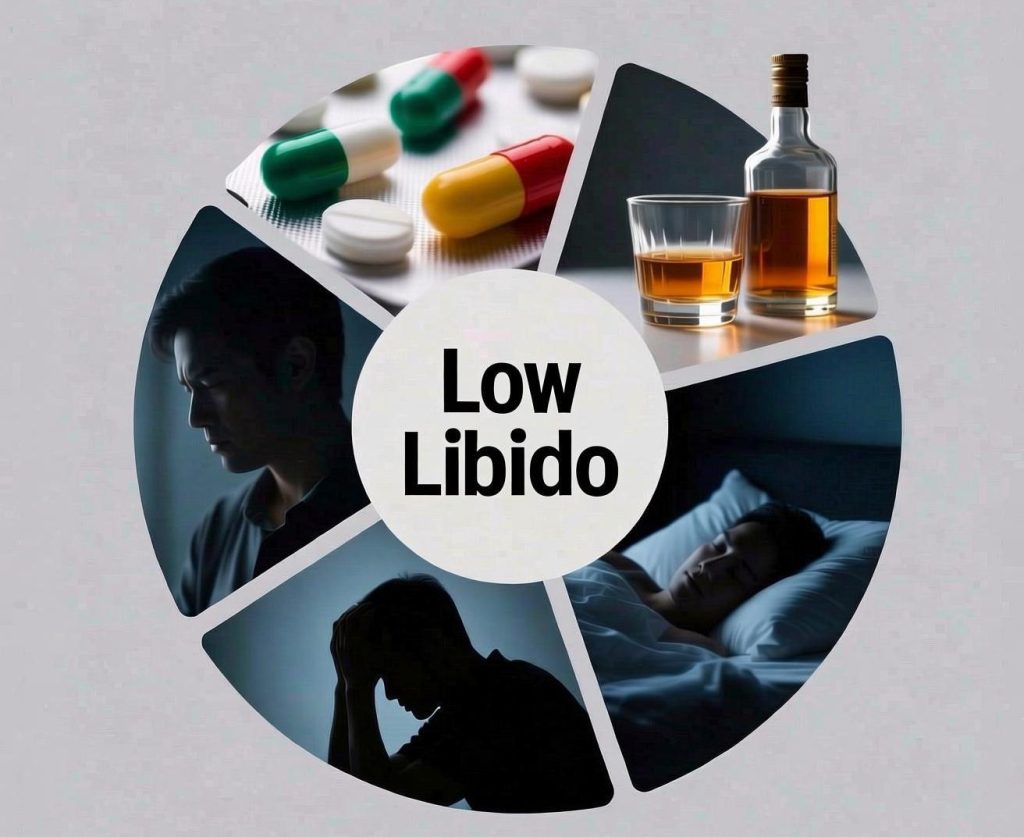
- Medications: Certain medications, including antidepressants, antihistamines, and blood pressure medications, can have ED as a side effect.
Psychological Causes of ED
- Stress: Chronic stress and anxiety can interfere with sexual function.
- Depression: Depression often co-exists with ED, impacting libido and sexual desire.
- Relationship Problems: Communication difficulties and unresolved conflicts within a relationship can contribute to ED.
- Performance Anxiety: Fear of not performing well during sexual encounters can create a self-fulfilling prophecy of ED.
- Guilt and Low Self-Esteem: Negative feelings about sex or oneself can inhibit sexual function.
Introducing Homeopathy: A Holistic Approach
Homeopathy is a system of medicine developed over 200 years ago by Samuel Hahnemann. It’s based on the principles of “like cures like” (the Law of Similars) and the Law of Infinitesimals.
The Law of Similars suggests that a substance that can cause certain symptoms in a healthy person can, in a diluted form, cure those same symptoms in a sick person.
The Law of Infinitesimals dictates that remedies are diluted to an extreme degree, often beyond the point where any molecules of the original substance remain.
Homeopathy considers the whole person – physical, emotional, and mental – to find a remedy that matches the individual’s unique symptom picture, not just the disease itself.
Unlike conventional medicine, which often focuses on suppressing symptoms, homeopathy aims to stimulate the body’s own healing response.
Key Principles of Homeopathic Treatment
- Individualization: Each person’s experience of illness is unique, and the remedy must be tailored accordingly.
- Totality of Symptoms: Homeopaths consider all the patient’s symptoms—physical, emotional, and mental—to find the most accurate remedy.
- Minimal Intervention: The smallest possible dose is used to stimulate the body’s healing response.
- Holistic Approach: Homeopathy addresses the underlying cause of the illness, rather than just treating the symptoms.
Homeopathic Remedies for Erectile Dysfunction
It’s crucial to understand that homeopathy doesn’t offer a one-size-fits-all solution. The correct remedy depends entirely on the individual’s specific symptom picture. However, certain remedies are frequently considered for ED based on the specific presentation of symptoms.
Commonly Prescribed Homeopathic Remedies
- Agaricus: Often indicated for ED characterized by weakness and a feeling of being too weak to erect. There may be a sensation of paralysis of the corpora cavernosa (erectile cylinders).
- Caladium Arsenicum: This remedy is helpful when ED is associated with anxiety, shame, and a feeling of being exposed. The erection might be weak but painful.
- Natrum Muriaticum: Often chosen for individuals who suppress their emotions and have a history of grief or disappointment. ED may be linked to feelings of inadequacy or a lack of self-confidence.
- Nucca Vomica: Suitable for men who experience involuntary emissions (nocturnal or diurnal), which may contribute to ED. They often feel a lack of vitality and sexual desire.
- Selenium: Helpful for men who feel chilly, have a lack of sexual desire, and may experience ED related to overwork or stress.
- Staphysagria: Often indicated for men who have experienced a history of trauma or disappointment, particularly in relationships. They may feel humiliated and experience a weak erection or difficulty achieving it.
- Tuberculinum: Considered for men with restless energy and a history of travel, who may experience ED due to fatigue and a lack of stability.
- Zincum metallicum: Frequently used for men with restless legs and a trembling sensation, which may be linked to ED and a feeling of weakness.
The Role of Emotional and Psychological Factors
Homeopathy recognizes that emotional and psychological factors play a significant role in ED. Stress, anxiety, and depression can all contribute to sexual dysfunction, and homeopathic treatment aims to address these underlying issues.
For example, a man experiencing ED due to performance anxiety may benefit from a remedy like Lycopodium or Phosphorus, which are known to alleviate fears of failure and enhance confidence.
Homeopaths also consider the patient’s emotional history, such as past traumas or relationship conflicts, which may influence their sexual health. By addressing these emotional components, homeopathy seeks to restore a sense of balance and well-being, which can have a positive impact on sexual function.
Integrating Homeopathy with Conventional Treatments
Homeopathy can be used as a complementary therapy alongside conventional treatments for ED. For instance, a man taking medication for high blood pressure can still benefit from homeopathy to address the underlying emotional or lifestyle factors contributing to his ED.
Many men who use homeopathy for ED also consult with their healthcare providers to address any underlying health issues. For example, a man with diabetes may need to manage his blood sugar levels while also using homeopathic remedies to improve sexual function.
Similarly, a man with cardiovascular disease may benefit from lifestyle changes and medication to improve blood flow, while homeopathy can help alleviate symptoms and enhance overall well-being.
However, it’s crucial to inform both your conventional and homeopathic practitioners about all treatments you are receiving to avoid any potential interactions.
The Role of Lifestyle in Homeopathic Treatment
Homeopathy often emphasizes the importance of lifestyle modifications in managing ED. A healthy diet, regular exercise, and stress management techniques can all contribute to improved sexual health
For example, a homeopath may recommend a diet rich in antioxidants and omega-3 fatty acids to support cardiovascular health, which is essential for maintaining erections.
Exercise is also a key component of homeopathic treatment for ED. Physical activity helps improve blood flow, reduce stress, and enhance overall vitality. Patients are often encouraged to engage in regular exercise, such as walking, swimming, or yoga, to support their sexual health.
Stress management techniques, such as meditation, deep breathing, and mindfulness, are also recommended to address the psychological aspects of ED. These practices can help reduce anxiety and improve emotional well-being, which are critical for sexual function.
Limitations and Considerations
While homeopathy can be beneficial for some individuals with ED, it’s important to acknowledge its limitations:
- Lack of Robust Scientific Evidence: The scientific evidence supporting homeopathy is limited and often contradictory. Critics argue that the extreme dilutions used in homeopathic remedies render them biologically implausible.
- Timeframe for Results: Homeopathic treatment may take time to produce noticeable effects. It’s not a quick fix, and patience is required.
- Not a Substitute for Conventional Medical Care: ED can be a sign of underlying medical conditions that require conventional treatment. Homeopathy should not be used as a substitute for medical evaluation and care.
- Importance of a Qualified Practitioner: Selecting a qualified and experienced homeopath is crucial for accurate diagnosis and appropriate remedy selection.
Conclusion: A Gentle Path to Sexual Wellness
Homeopathy offers a gentle and holistic approach to addressing erectile dysfunction. While it may not be a universally applicable solution, it can be a valuable tool for individuals seeking a complementary therapy that considers the whole person—body, mind, and spirit.
Combining homeopathic treatment with a healthy lifestyle, stress management techniques, and addressing any underlying medical conditions can contribute to improved sexual health and overall well-being. Remember to always seek guidance from qualified healthcare professionals, both conventional and homeopathic, to develop a personalized treatment plan that meets your specific needs.