
As a patient with considerable experience navigating the landscape of erectile dysfunction (ED) treatment, specifically involving PDE5 inhibitors like Viagra (sildenafil), I’ve learned a few things that go far beyond the simple instructions on the leaflet.
This isn’t medical advice; I’m sharing observations and strategies that have worked for me and, after discussing them with my physician, have proven beneficial.
We’ll explore the nuances of timing, the influence of food, alcohol, and other medications, and delve into the less-discussed psychological factors that can significantly impact Viagra’s efficacy. This guide aims to empower you to work with your doctor to achieve the best possible outcome.
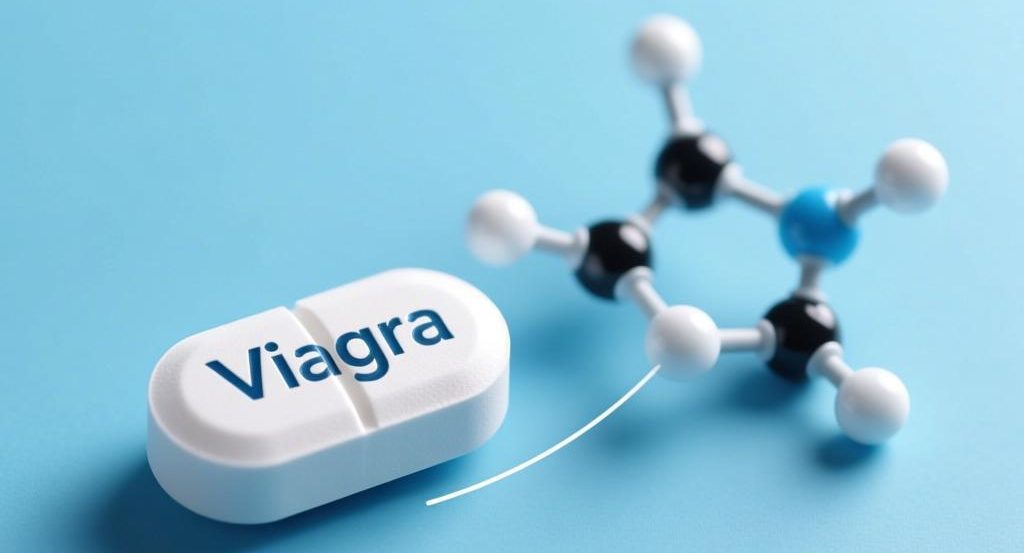
Understanding the Basics: Sildenafil’s Pharmacokinetics
Before diving into timing strategies, it’s vital to grasp how Viagra actually works. Sildenafil, the active ingredient in Viagra, inhibits phosphodiesterase type 5 (PDE5), an enzyme that breaks down cyclic GMP (cGMP).
cGMP is responsible for relaxing the smooth muscle tissue in the penis, allowing increased blood flow for an erection. The key thing to remember is that Viagra doesn’t directly cause an erection.
It facilitates one when there’s already sexual stimulation present. This point is crucial for understanding timing – you need that initial stimulus.
Here’s a breakdown of key pharmacokinetic parameters:
- Onset of Action: Generally within 30-60 minutes, but can vary significantly.
- Peak Plasma Concentration: Typically reached in 1-2 hours.
- Duration of Action: Can last for 4-6 hours, sometimes longer.
- Bioavailability: Approximately 40%. This means that only about 40% of the ingested dose actually makes it into your bloodstream.
- Food Effects: High-fat meals significantly delay absorption, potentially delaying the onset of action by up to two hours.
The Ideal Window: Finding Your Sweet Spot
The standard recommendation is to take Viagra 30-60 minutes before anticipated sexual activity. However, this is just a starting point. The “ideal” window is highly individual and depends on several factors, including metabolism, age, overall health, and even psychological state.
For me, initially taking it an hour before didn’t produce the desired effect. It felt… muted. After discussing it with my doctor and experimenting (responsibly and under his guidance!), I found that taking it closer to 90 minutes before consistently yielded more predictable and potent results.
Experimentation is Key (with medical supervision!): Keep a journal noting the time you take the pill and the resulting efficacy. Record your meals, alcohol intake, stress levels, and the overall quality of the experience. This data, shared with your physician, is invaluable in tailoring your timing strategy.
Considering Age and Metabolism
As we age, our metabolism generally slows down. This means Viagra remains in our system longer, but also that it may take longer to be absorbed. Older men might benefit from taking Viagra a bit earlier, perhaps 90-120 minutes before anticipated activity.
Conversely, younger men with faster metabolisms might find a shorter waiting period (30-45 minutes) more effective. Liver and kidney function also significantly impact drug metabolism; discuss any concerns about these with your doctor.
The Food Factor: Navigating the Dietary Landscape
The impact of food on Viagra absorption is undeniable. The key principle is: fatty foods delay absorption. Don’t believe anyone who tells you it’s okay to wash it down with a greasy burger.
The fat content significantly impedes the rate at which Viagra is absorbed into your bloodstream. This delay can make the timing window you meticulously planned completely ineffective.
What to do (and what not to do):
- Avoid: Fried foods, high-fat meats, creamy sauces, full-fat dairy products.
- Okay: A light meal or snack with moderate carbohydrates and low fat. Fruits, vegetables, lean protein (grilled chicken or fish), and whole-grain bread are good choices.
- Empty Stomach? Taking Viagra on an empty stomach can actually slightly speed up absorption, but it’s less reliable than having a light, healthy meal.
My personal experience taught me that a pre-planned light breakfast, consisting of oatmeal with berries and a small amount of nuts, consistently produced more predictable results than attempting to take Viagra after a larger meal.
Alcohol and Viagra: A Risky Combination
Mixing alcohol and Viagra is generally not recommended. Both substances can impair blood flow and affect the cardiovascular system. Alcohol can also lower blood pressure, and Viagra already has a mild hypotensive effect.
The combination can lead to dizziness, headache, flushing, and, in rare cases, more serious complications like priapism (a prolonged, painful erection requiring immediate medical attention).
If you do choose to consume alcohol, limit yourself to one or two drinks and wait at least 2-3 hours after taking Viagra before doing so. However, understand that even a small amount of alcohol can still impact the drug’s effectiveness and potentially increase side effects. Honesty with your doctor about alcohol consumption is crucial for safe and effective treatment.
Drug Interactions: Proceed with Caution
Viagra interacts with several other medications, particularly those used to treat cardiovascular conditions. The most significant concern is with nitrates (such as nitroglycerin for angina).
Combining Viagra and nitrates can cause a dangerous and potentially life-threatening drop in blood pressure. Never take Viagra if you are taking nitrates, even if you are not experiencing chest pain.
Other potential interactions include:
- Alpha-blockers: Used for prostate enlargement or high blood pressure; can cause significant hypotension.
- Certain antifungal medications: Like ketoconazole and itraconazole, can increase Viagra’s levels in the blood.
- Certain antibiotics: Like erythromycin, can also increase Viagra’s levels.
- HIV protease inhibitors: Can significantly increase Viagra’s levels.
Always inform your doctor and pharmacist about all medications you are taking, including over-the-counter drugs and herbal supplements, before taking Viagra. A comprehensive medication review is absolutely essential for your safety.
The Psychological Component: Addressing the Mind-Body Connection
While Viagra addresses the physiological aspect of ED, it’s crucial to acknowledge the psychological factors involved. Anxiety, stress, depression, and relationship problems can significantly impact erectile function, even with medication.
Viagra isn’t a magic bullet; it’s a facilitator. If psychological barriers are present, Viagra’s effectiveness can be diminished, regardless of perfect timing.
Strategies for addressing psychological factors:
- Communication: Open and honest communication with your partner is essential.
- Stress Management: Techniques like meditation, yoga, and deep breathing exercises can help reduce anxiety.
- Counseling: Therapy, either individual or couples counseling, can address underlying psychological issues.
- Realistic Expectations: Viagra doesn’t guarantee a perfect experience. Focus on intimacy and connection, rather than solely on performance.
I personally found that addressing my performance anxiety through mindfulness techniques and open communication with my partner significantly enhanced the overall experience, even when Viagra was working optimally.
Beyond Timing: Considerations for Dosage and Formulation
Viagra is available in different dosages (25mg, 50mg, and 100mg) and formulations. Your doctor will determine the appropriate dosage based on your individual needs and response to treatment.
Important points to remember:
- Never exceed the prescribed dosage.
- If you experience side effects, discuss them with your doctor. They may adjust the dosage or recommend an alternative treatment.
- Cialis (tadalafil) and Levitra (vardenafil) have different pharmacokinetic profiles than Viagra. Cialis has a longer duration of action (up to 36 hours), while Levitra may be less affected by food. Your doctor can help you determine which medication is best suited for you.
- Generic alternatives are now available and often more cost-effective. Discuss the use of generics with your doctor and pharmacist to ensure they are appropriate for you.
Troubleshooting Common Challenges
Even with careful planning, things don’t always go as expected. Here’s how to troubleshoot common challenges:
- Viagra isn’t working: Consider factors like food intake, alcohol consumption, and psychological barriers. Discuss with your doctor whether a dosage adjustment is needed.
- Side effects are bothersome: Report any side effects to your doctor. They may recommend a lower dosage or an alternative medication.
- Effect duration is too short: Consider Cialis or Levitra, which have longer durations of action.
- Effect duration is too long: A lower dosage of Viagra may be more appropriate.
Conclusion: A Collaborative Approach to Sexual Health
Optimizing Viagra timing is a journey of experimentation and self-discovery, best undertaken in collaboration with your physician. There’s no one-size-fits-all approach.
By understanding the drug’s pharmacokinetics, paying attention to lifestyle factors, addressing psychological concerns, and maintaining open communication with your healthcare provider, you can significantly improve your chances of achieving a satisfying and fulfilling sexual experience.
Remember, ED is a common condition, and seeking help is a sign of strength, not weakness. This guide serves as a starting point; your individual journey to peak performance will be uniquely yours.