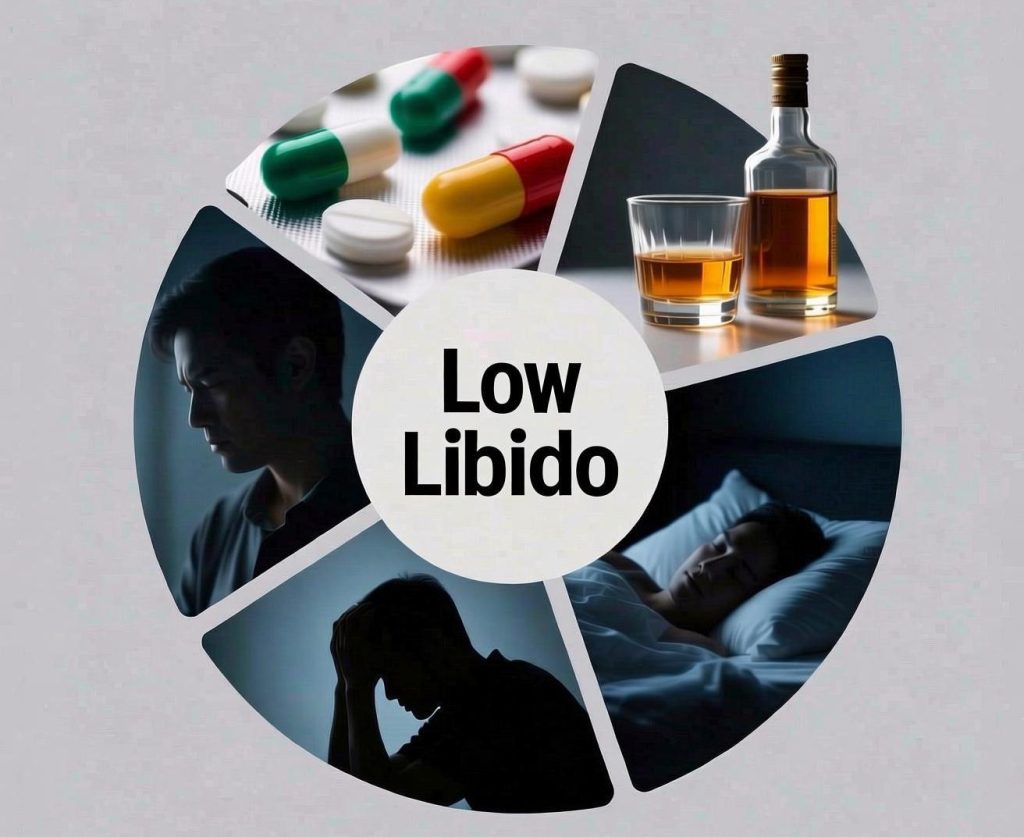
Understanding Libido and Sexual Desire
Libido, or sexual desire, is a complex interplay of biological, psychological, and social factors. While some individuals naturally experience heightened sexual drive, others may face challenges due to hormonal imbalances, stress, aging, or medical conditions.
The search for a “pill” to boost libido has gained significant attention, with products ranging from over-the-counter supplements to prescription medications.
However, the effectiveness and safety of these options vary widely. This article explores the best choices for individuals seeking to enhance their sexual desire, provides medical advice, and compares similar products to help readers make informed decisions.

Best Choice For You: Factors to Consider
When determining the best approach to boost libido, it is essential to consider individual health status, lifestyle, and personal preferences.
For example, individuals with hormonal imbalances may benefit from targeted treatments like hormone replacement therapy, while others may find natural supplements or lifestyle changes more effective.
A healthcare provider can assess underlying causes of low libido, such as thyroid dysfunction, diabetes, or depression, and recommend tailored solutions.
Additionally, factors like relationship dynamics, stress levels, and overall well-being play a critical role in sexual desire. A holistic approach that combines medical interventions, psychological support, and lifestyle adjustments is often the most sustainable strategy.
Medical Advice: What You Need to Know
Before relying on any pill or supplement to boost libido, it is crucial to consult a healthcare professional. Many over-the-counter products lack rigorous scientific evidence, and some may interact with existing medications or exacerbate health conditions.
For instance, herbal supplements like ginseng or ashwagandha may have mild effects on sexual function, but their long-term safety and efficacy are not fully established.
Prescription medications, such as flibanserin (Addyi) or testosterone therapy, are approved for specific conditions and require careful monitoring. A doctor can also address underlying issues like anxiety, depression, or chronic illnesses that may contribute to low libido.
Self-medication without professional guidance can lead to adverse effects, including hormonal imbalances or cardiovascular risks.
Comparing Products: A Table of Advantages and Disadvantages
| Product | Advantages | Disadvantages |
|---|---|---|
| DHEA (Dehydroepiandrosterone) | May increase testosterone levels; available over-the-counter; affordable. | Insufficient evidence for long-term efficacy; potential side effects like acne or hair loss; may not be suitable for individuals with hormone-sensitive conditions. |
| Ginseng (Panax Ginseng) | May improve energy and mood; natural and widely available; minimal side effects for most users. | Effects vary among individuals; may interact with blood thinners or antidepressants; not FDA-approved for sexual enhancement. |
| Flibanserin (Addyi) | Approved for premenopausal women with hypoactive sexual desire disorder; targets brain chemistry; may improve sexual function without significant physical side effects. | Requires a prescription; may take weeks to show results; potential side effects like dizziness or fatigue. |
| Testosterone Replacement Therapy | Directly addresses hormonal deficiencies; effective for men with low testosterone; can improve libido and energy levels. | Requires regular blood tests; may cause acne, sleep apnea, or cardiovascular risks; not suitable for individuals with prostate cancer. |
| L-Arginine Supplements | May enhance blood flow and nitric oxide production; available in various forms; affordable. | Limited evidence for sexual enhancement; may cause gastrointestinal discomfort; not recommended for individuals with heart conditions. |
When choosing a product, consider factors such as medical necessity, potential interactions, and individual health goals. Always prioritize products with clinical evidence and consult a healthcare provider before starting any new regimen.
Celebrity Experiences: Real-World Insights
Celebrities often face unique pressures related to their public image, which can impact their sexual health and desire. While many celebrities do not openly discuss personal struggles, some have shared their experiences with libido-boosting products.
For example, actress Jennifer Aniston has spoken about the importance of maintaining a healthy lifestyle, including regular exercise and a balanced diet, to support sexual vitality. Similarly, singer Beyoncé has emphasized the role of self-care and mental well-being in sustaining intimacy.
However, it is important to note that these experiences are anecdotal and may not reflect the broader population. Celebrities may also have access to specialized healthcare and personal trainers, which can contribute to their overall vitality.
Ultimately, while public figures may use certain products or strategies, individual results can vary widely based on health, genetics, and lifestyle factors.
Recovery and Outlook: Long-Term Strategies
Boosting libido is not a one-time solution but a process that requires sustained effort. While pills or supplements may provide temporary relief, long-term recovery often involves addressing root causes such as stress, poor sleep, or relationship issues. For example, mindfulness practices like meditation or yoga can reduce anxiety and improve sexual function.
Regular physical activity, such as aerobic exercise or strength training, has been shown to enhance blood flow and hormonal balance, which are essential for sexual health.
Additionally, maintaining open communication with a partner can foster intimacy and reduce performance-related stress. In cases where low libido is linked to a medical condition, such as diabetes or thyroid disease, managing the underlying condition is critical. A combination of medical treatment, lifestyle changes, and psychological support often yields the most sustainable results.
Multiple Perspectives: Psychological, Medical, and Lifestyle Approaches
Libido is influenced by a complex interplay of psychological, medical, and lifestyle factors, each requiring a distinct approach. Psychologically, stress, anxiety, and self-esteem can significantly impact sexual desire.
Cognitive-behavioral therapy (CBT) or counseling may help individuals address these issues by challenging negative thought patterns and improving emotional intimacy. Medically, conditions like hormonal imbalances, chronic illnesses, or neurological disorders can dampen libido.
Treatments such as hormone replacement therapy, antidepressants, or medications for diabetes may be necessary to restore balance. Lifestyle factors, including diet, sleep, and exercise, also play a pivotal role.
For instance, a diet rich in antioxidants and omega-3 fatty acids can support hormonal health, while adequate sleep ensures optimal brain function. Integrating these perspectives into a comprehensive plan is essential for long-term success.
Conclusion: A Holistic Approach to Enhancing Libido
The quest for a pill to boost libido is often driven by the desire for immediate results, but the most effective solutions require a holistic approach.
While supplements and medications can offer temporary relief, they should be used in conjunction with lifestyle changes, psychological support, and medical care.
Individuals should prioritize consulting healthcare professionals to address underlying health issues and avoid self-medicating with unproven products.
By combining scientific interventions with personal well-being strategies, individuals can achieve a more balanced and fulfilling sexual life. Ultimately, the key to enhancing libido lies in understanding the multifaceted nature of desire and taking a personalized, informed approach to health and vitality.