The Psychological Foundations of Erectile Dysfunction

The Role of Stress and Anxiety in Erectile Dysfunction
Erectile dysfunction (ED) is often perceived as a purely physical condition, but its roots frequently lie in psychological factors such as stress, anxiety, and emotional distress.
Chronic stress, for instance, can disrupt the body’s hormonal balance by elevating cortisol levels, which in turn may impair the production of testosterone—a hormone critical for sexual function. Anxiety, particularly performance anxiety, can create a cycle of fear and self-doubt that exacerbates ED.
When a man anticipates difficulty achieving or maintaining an erection, the resulting psychological tension can trigger a physiological response that further hinders sexual performance. This mind-body feedback loop underscores the importance of addressing psychological factors in the treatment of ED.
Depression and Its Impact on Sexual Health
Depression is another significant psychological contributor to ED. The condition is characterized by persistent low mood, lack of motivation, and reduced interest in activities, including sexual activity.
Neurochemical imbalances associated with depression, such as reduced serotonin and dopamine levels, can impair libido and sexual function.
Additionally, the emotional exhaustion and self-isolation often accompanying depression may lead to a disconnection from intimacy, further complicating sexual relationships.
Studies have shown that men with depression are more likely to experience ED, highlighting the bidirectional relationship between mental health and sexual function.
Cultural and Societal Influences on Mental Health and ED
Cultural norms and societal expectations also play a critical role in shaping the psychological landscape of ED. In many cultures, there is a stigma surrounding sexual dysfunction, which can lead to shame, guilt, and reluctance to seek help. These cultural pressures may exacerbate anxiety and depression, creating a cycle that perpetuates ED.
For example, in societies where masculinity is equated with sexual prowess, men may feel pressured to maintain an erection at all times, leading to performance anxiety and a heightened risk of ED. Addressing these cultural factors is essential for a holistic approach to managing ED.
The Physiological Underpinnings of Erectile Dysfunction
Vascular Health and Erectile Function
While psychological factors are significant, ED can also stem from physiological issues, particularly those affecting the vascular system. The process of achieving an erection involves the dilation of blood vessels in the penis, which allows blood to flow into the corpora cavernosa, creating rigidity.
Conditions such as atherosclerosis, hypertension, and diabetes can damage these blood vessels, reducing blood flow and impairing erectile function. Atherosclerosis, for instance, narrows the arteries, limiting the ability of the penis to receive adequate blood flow.
Similarly, high blood pressure can strain blood vessels, leading to endothelial dysfunction—a condition where the inner lining of blood vessels fails to function properly.
Hormonal Imbalances and Their Role in ED
Hormonal imbalances, particularly involving testosterone and other sex hormones, can also contribute to ED. Testosterone is a key driver of libido and sexual function, and its deficiency can lead to reduced sexual desire and difficulty achieving an erection.
Other hormones, such as prolactin and cortisol, may also play a role. For example, elevated prolactin levels, often associated with hypogonadism or certain medications, can suppress testosterone production.
Additionally, conditions like hypothyroidism or hyperthyroidism can disrupt hormonal balance, further complicating sexual health.
Neurological Factors and Erectile Dysfunction
The nervous system plays a vital role in the erectile process, and neurological disorders can interfere with this function. The brain, spinal cord, and peripheral nerves must coordinate to initiate and maintain an erection.
Conditions such as multiple sclerosis, Parkinson’s disease, and spinal cord injuries can damage these neural pathways, leading to ED.
Additionally, nerve damage from diabetes or pelvic trauma can impair the transmission of signals necessary for an erection. Understanding these neurological factors is crucial for diagnosing and treating ED effectively.
Risks and Benefits of Addressing Erectile Dysfunction as a Mental Health Issue
Psychological Risks of Untreated ED
Ignoring the psychological aspects of ED can lead to a range of complications, including worsening mental health conditions. For instance, persistent ED can exacerbate anxiety and depression, creating a cycle where psychological distress and sexual dysfunction feed into each other.
Men who experience ED may also face social isolation, as the condition can strain relationships and lead to feelings of inadequacy. This isolation can further deteriorate mental health, making it essential to address ED from both a physical and psychological standpoint.
Physical Risks of Psychological Neglect
Psychological neglect of ED can have physical consequences as well. Chronic stress and anxiety, which often accompany untreated ED, can lead to hypertension, cardiovascular disease, and metabolic syndrome.
These conditions are interconnected with sexual health, as they can further impair blood flow and hormonal balance. Moreover, the psychological burden of ED may lead to unhealthy coping mechanisms, such as substance abuse, which can compound physical health risks.
Benefits of a Holistic Approach
Addressing ED as a mental health issue offers numerous benefits, including improved psychological well-being and enhanced sexual function. Therapy, for example, can help men manage anxiety and depression, breaking the cycle of psychological distress and sexual dysfunction.
Additionally, a holistic approach that combines psychological support with medical treatment can lead to more sustainable outcomes. For instance, cognitive-behavioral therapy (CBT) has been shown to reduce performance anxiety and improve sexual function, while medications like PDE5 inhibitors can address the physiological aspects of ED.
Best Choice For You: Personalized Treatment Strategies
Assessing Individual Needs and Preferences
Choosing the best treatment for ED requires a personalized approach that considers individual needs, preferences, and underlying causes. Factors such as the severity of the condition, the presence of comorbidities, and the patient’s lifestyle should all be taken into account.
For example, a man with mild ED and no significant comorbidities may benefit from lifestyle modifications and psychological counseling, while someone with severe ED and cardiovascular issues may require medical interventions like PDE5 inhibitors or surgical options.
Lifestyle Modifications and Natural Remedies
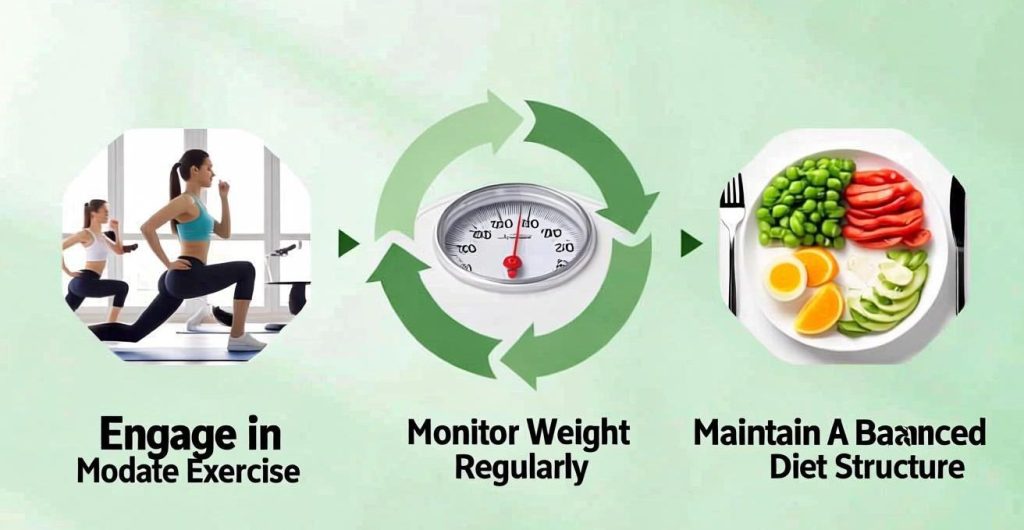
Lifestyle changes can be an effective first step in managing ED, especially for men whose condition is linked to lifestyle factors such as poor diet, lack of exercise, or smoking. Weight loss, regular physical activity, and quitting smoking can improve vascular health and reduce the risk of ED.
Natural remedies, such as herbal supplements like ginseng or L-arginine, may also offer some benefits. However, it is important to consult a healthcare provider before using these remedies, as they can interact with medications or have side effects.
Medical Interventions and Professional Guidance
For more severe cases, medical interventions such as PDE5 inhibitors (e.g., sildenafil, tadalafil) or vacuum erection devices may be necessary. These treatments target the physiological aspects of ED and can be highly effective when used correctly. In some cases, hormone replacement therapy may be recommended for men with low testosterone levels.
Professional guidance from a urologist or sex therapist is crucial to ensure that the chosen treatment is appropriate and safe. Regular follow-ups can help monitor progress and adjust the treatment plan as needed.
How It Works: Mechanisms of the Mind-Body Link in ED
Neural Pathways and the Role of the Brain
The mind-body link in ED is mediated by complex neural pathways that connect the brain to the genital organs. The brain processes sexual stimuli and generates signals that travel through the nervous system to initiate an erection.
The limbic system, which governs emotions and arousal, plays a key role in this process, while the hypothalamus and pituitary gland regulate hormone production. Disruptions in these neural pathways, whether due to psychological stress or neurological conditions, can impair the ability to achieve and maintain an erection.
Hormonal Regulation and Its Impact on Sexual Function
Hormones such as testosterone, dopamine, and serotonin are integral to sexual function and can be influenced by both psychological and physiological factors. Testosterone, in particular, is essential for libido and erectile function, and its levels can be affected by stress, depression, and certain medical conditions.
Dopamine, a neurotransmitter associated with pleasure and reward, is released during sexual activity and can enhance sexual desire. Imbalances in these hormones can contribute to ED, highlighting the importance of addressing both psychological and hormonal factors.
The Role of Stress and the Fight-or-Flight Response
Stress is a major factor in the mind-body link of ED, as it activates the body’s fight-or-flight response. This response releases stress hormones like cortisol, which can interfere with the production of testosterone and the dilation of blood vessels necessary for an erection.
Chronic stress can lead to prolonged activation of this response, resulting in persistent ED. Managing stress through techniques such as mindfulness, exercise, and therapy can help mitigate these effects and improve sexual function.
Analysis of Health Products for Erectile Dysfunction
Natural Supplements and Herbal Remedies
Natural supplements and herbal remedies are popular alternatives for managing ED, often appealing to men seeking non-pharmacological solutions. Common ingredients include ginseng, which is believed to enhance blood flow and reduce anxiety;
L-arginine, an amino acid that promotes nitric oxide production; and yohimbine, which may improve erectile function by increasing blood flow. While some studies suggest these supplements can be effective, their efficacy varies, and they may interact with medications or have side effects. It is important to consult a healthcare provider before using any natural remedies.
Pharmaceutical Treatments and Their Efficacy
Pharmaceutical treatments for ED, such as PDE5 inhibitors (e.g., sildenafil, tadalafil, vardenafil), are among the most effective and widely prescribed options. These medications work by inhibiting the enzyme phosphodiesterase type 5, which allows for increased levels of cyclic guanosine monophosphate (cGMP), a molecule that relaxes smooth muscle in the penile blood vessels.
While these drugs are generally safe and effective, they can have side effects such as headaches, flushing, and vision changes. They are also contraindicated for men with certain medical conditions, such as severe heart disease, and should be used under medical supervision.
Holistic and Integrative Approaches
Holistic and integrative approaches to ED treatment combine conventional medical therapies with complementary practices such as acupuncture, massage therapy, and sex therapy. Acupuncture, for example, may help improve blood flow and reduce stress, while sex therapy can address psychological factors contributing to ED.
These approaches are often used in conjunction with pharmaceutical treatments to provide a more comprehensive solution. However, the effectiveness of holistic methods can vary, and they should be part of a broader treatment plan that includes medical evaluation and lifestyle modifications.
Multiple Perspectives on the Mind-Body Link in Erectile Dysfunction
Medical Perspectives: A Biopsychosocial Approach
From a medical perspective, ED is increasingly viewed through a biopsychosocial lens, recognizing the interplay between biological, psychological, and social factors. This approach emphasizes the need for a multidisciplinary treatment plan that addresses all contributing factors.
For instance, a urologist may collaborate with a psychologist to develop a treatment strategy that includes medication, therapy, and lifestyle changes. This integrated model ensures that patients receive comprehensive care that addresses both the physical and psychological aspects of ED.
Psychological Perspectives: The Importance of Mental Health
Psychological perspectives on ED highlight the critical role of mental health in sexual function. Therapists and counselors often emphasize the importance of addressing anxiety, depression, and relationship dynamics in the treatment of ED.
Cognitive-behavioral therapy (CBT) is a common intervention that helps men reframe negative thoughts and behaviors related to sexual performance. Additionally, couples therapy may be recommended to improve communication and intimacy, which can alleviate the emotional strain associated with ED.
Cultural and Societal Perspectives: The Role of Perception
Cultural and societal perspectives on ED reveal how societal norms and stigmas can influence the experience and treatment of the condition. In many cultures, there is a strong emphasis on male sexuality and the ability to perform, which can lead to significant pressure and anxiety.
Addressing these cultural factors is essential for reducing the stigma surrounding ED and encouraging men to seek help. Educational campaigns and public health initiatives can play a vital role in changing perceptions and promoting a more open dialogue about sexual health.
Conclusion: Integrating Mind and Body for Effective ED Management
The mind-body link in erectile dysfunction underscores the complexity of the condition and the need for a holistic approach to treatment. While ED can have physiological roots, psychological factors such as stress, anxiety, and depression often play a significant role.
Addressing these factors requires a combination of medical interventions, lifestyle changes, and psychological support. By integrating both physical and mental health strategies, men can achieve more sustainable improvements in sexual function and overall well-being.
Ultimately, the key to managing ED lies in recognizing the interconnectedness of mind and body and seeking comprehensive, personalized care that addresses all contributing factors.