
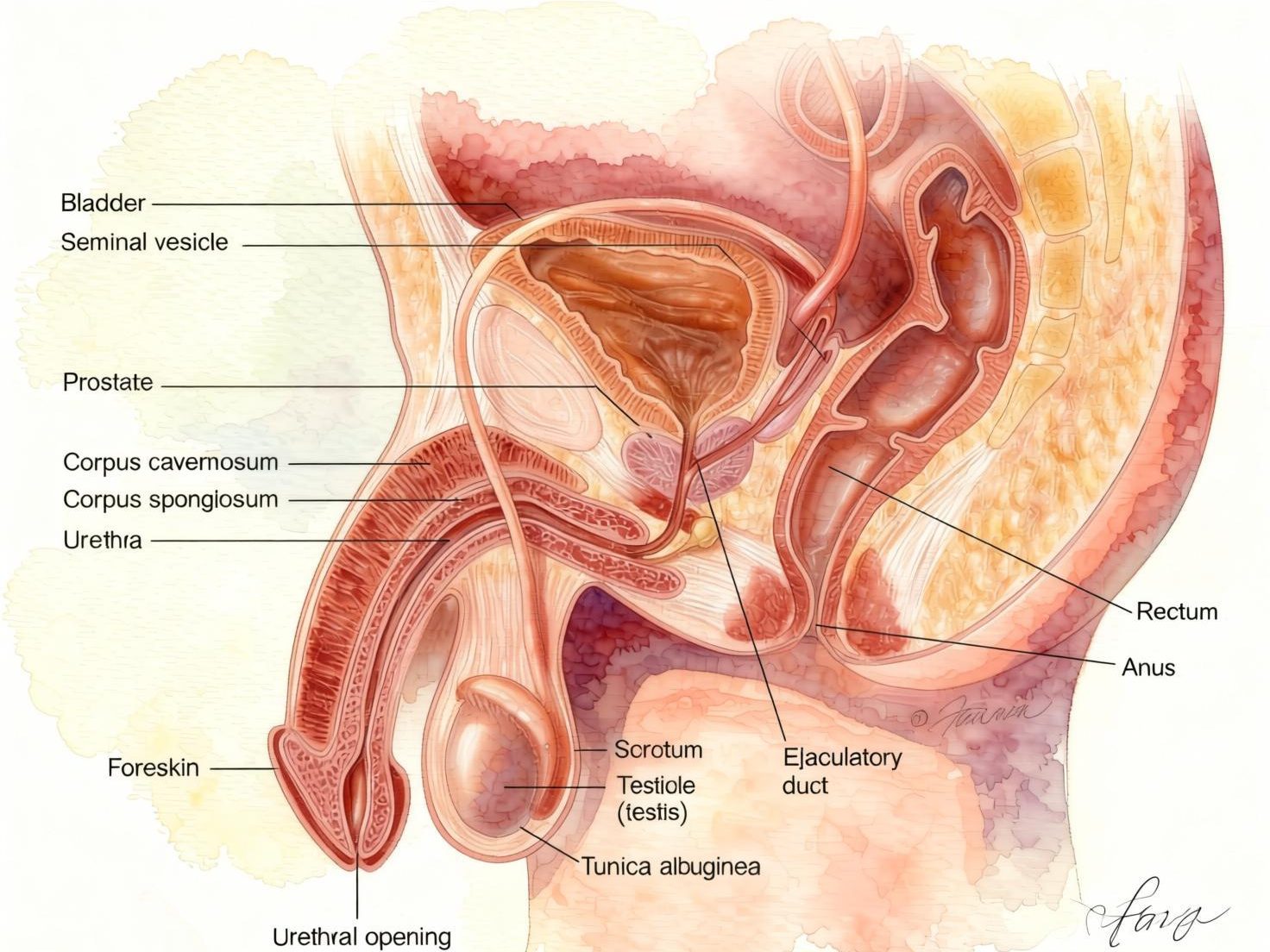
Understanding Premature Ejaculation and Its Impact on Sexual Health
Premaejaculation, or premature ejaculation (PE), is a common sexual health issue that affects millions of men worldwide. It is characterized by the inability to delay ejaculation during sexual activity, often leading to distress and relationship strain. While PE can be frustrating, it is treatable with a combination of medical, psychological, and lifestyle approaches.
This article provides a comprehensive guide to addressing PE, including medical advice, product comparisons, user testimonials, and alternative therapies like acupuncture. By understanding the causes and solutions, men can take proactive steps to improve their sexual health and overall quality of life.
Medical Advice for Managing Premature Ejaculation
Medical professionals emphasize that PE is not a sign of weakness or a lack of sexual desire but a condition that can be managed with proper treatment.
The first step in addressing PE is to consult a healthcare provider to rule out underlying causes such as hormonal imbalances, thyroid disorders, or psychological factors like anxiety and depression.
According to the American Urological Association, approximately 20-30% of men experience PE, with many cases linked to psychological factors rather than physical ones. Several medical treatments are available, including:
- Topical Anesthetics: Creams or sprays containing lidocaine or prilocaine can reduce penile sensitivity, helping men last longer. However, they may cause reduced sensation for both partners and require careful application.
- Oral Medications: Selective serotonin reuptake inhibitors (SSRIs) like sertraline or paroxetine are often prescribed for PE. These medications work by delaying ejaculation but may cause side effects such as decreased libido or erectile dysfunction.
- Penile Injections or Suppositories: Medications like alprostadil can increase blood flow to the penis, improving erectile function and potentially reducing PE symptoms. However, they require a doctor’s supervision and may have side effects like pain or priapism.
- Psychotherapy: Cognitive-behavioral therapy (CBT) or sex therapy can address anxiety, performance pressure, or relationship issues contributing to PE. These approaches are particularly effective for men with psychogenic causes.
It is crucial to avoid self-medicating with over-the-counter products without medical guidance. A healthcare provider can tailor a treatment plan based on individual needs and health history.
Comparing Products for Premature Ejaculation: A Table of Pros and Cons
| Product | Pros | Cons |
|---|---|---|
| Topical Anesthetics (e.g., Prilosec, EMLA) | – Easy to apply – Non-invasive – Can be used on demand | – May reduce sensation for both partners – Requires careful application to avoid overuse – Potential for numbness |
| Supplements (e.g., L-arginine, Ashwagandha) | – Natural and accessible – May improve overall sexual health – No systemic side effects | – Limited scientific evidence on effectiveness – Varying quality and purity – May interact with medications |
| Devices (e.g., Male Enhancement Belt) | – Non-invasive – Can be used at home – May improve blood flow | – Limited scientific backing – May not address psychological factors – Potential for discomfort |
| SSRIs (e.g., Paroxetine, Sertraline) | – Clinically proven effectiveness – Can address both PE and anxiety | – Side effects like fatigue or sexual dysfunction – Requires prescription – May take weeks to show results |
| Acupuncture | – Holistic and natural approach – May improve libido and erectile function – No systemic side effects | – Requires professional expertise – May take multiple sessions – Not covered by all insurance plans |
This table highlights the trade-offs between different treatment options. While topical anesthetics and supplements are accessible, they may not provide long-term solutions.
Medical treatments like SSRIs are effective but come with potential side effects. Acupuncture offers a natural alternative but requires consistent effort and professional guidance.
User Reviews: Real Experiences with Premature Ejaculation Treatments
Real-world feedback from users provides valuable insights into the effectiveness of various PE treatments. Here are some testimonials from individuals who have tried different methods:
John, 32, USA: “I tried the Prilosec cream after reading online reviews. It worked for a few weeks, but I noticed less sensitivity during sex. My partner and I had to adjust our pace, which was a bit awkward. I eventually switched to counseling, and now we’ve been more comfortable with our intimacy.”
Emily, 28, UK: “I started taking L-arginine supplements after my doctor suggested they might help with circulation. I noticed a slight improvement in my erection quality, but I didn’t see a significant change in ejaculation timing. I’m still exploring other options.”
Carlos, 45, Mexico: “Acupuncture sessions with a licensed therapist helped me manage anxiety about PE. I felt more relaxed during sex, and my partner noticed a difference. It wasn’t a quick fix, but it improved our overall relationship satisfaction.”
Aaron, 29, Canada: “The Male Enhancement Belt was a gimmick. I didn’t feel any noticeable improvement, and it was uncomfortable to wear. I’d recommend focusing on behavioral techniques like the start-stop method instead.”
These reviews underscore the importance of personalized treatment. What works for one person may not be effective for another, and combining multiple approaches often yields the best results.
Acupuncture Points to Boost Libido and Erectile Function
Acupuncture, an ancient Chinese practice, has gained attention for its potential to improve sexual health. By stimulating specific points on the body, acupuncture can enhance blood flow, reduce stress, and balance hormones. Here are key acupuncture points associated with libido and erectile dysfunction:
1. Sea of Qi (CV 4)
Location: Located on the lower abdomen, four finger-widths below the navel, two finger-widths to the left of the midline.
Benefits: This point is associated with kidney health and vitality. Stimulating CV 4 can improve energy levels, enhance sexual desire, and support overall reproductive health.
2. Three Yin Intersection (SP 6)
Location: Found on the inner side of the lower leg, four finger-widths above the ankle, between the tibia and fibula.
Benefits: SP 6 is linked to the spleen, liver, and kidney meridians. It helps regulate hormonal balance, reduce stress, and improve sexual function by enhancing blood flow to the reproductive organs.
3. Kidney Bladder (BL 23)
Location: Situated on the back, two finger-widths below the second lumbar vertebra, aligned with the kidney area.
Benefits: BL 23 is associated with kidney health and sexual vitality. Acupuncture here can address issues like low libido, erectile dysfunction, and fatigue by strengthening the kidney meridian.
Acupuncture sessions should be performed by a licensed practitioner with experience in sexual health. Regular treatments may take several weeks to show noticeable improvements, and results can vary based on individual health and lifestyle factors.
Erectile Dysfunction in Teenagers: Causes and Solutions
Erectile dysfunction (ED) in teenagers is a growing concern, often linked to psychological, hormonal, or lifestyle factors. While ED is more commonly associated with older adults, adolescents may experience difficulties due to anxiety, stress, or hormonal fluctuations.
According to a 2021 study published in the Journal of Sexual Medicine, approximately 10-15% of teens report sexual performance issues, with psychological factors being the primary cause.
Common Causes of ED in Teens:
- Psychological Factors: Anxiety, performance pressure, or low self-esteem can lead to ED. Teens may feel self-conscious about their sexual performance, creating a cycle of stress and dysfunction.
- Hormonal Imbalances: Fluctuating testosterone levels during puberty can affect sexual function. Low testosterone may reduce libido and make it difficult to achieve or maintain an erection.
- Lifestyle Factors: Poor sleep, excessive screen time, or substance use (e.g., alcohol, vaping) can disrupt sexual health. Sedentary lifestyles and lack of physical activity may also contribute to ED.
- Medical Conditions: Rarely, conditions like diabetes or obesity can affect blood flow and hormone levels, leading to ED in teens.
It is essential for teens experiencing ED to seek support from a healthcare provider or counselor rather than self-medicating. Psychological interventions like CBT, lifestyle changes, and hormone testing (if necessary) can address underlying causes. Open communication with partners and parents is also crucial for reducing stigma and fostering a supportive environment.
Behavioral Techniques to Improve Ejaculation Control
Psychological and behavioral strategies can be highly effective in managing PE. These techniques focus on building awareness, reducing anxiety, and improving control during sexual activity. Key approaches include:
1. The Start-Stop Method
How It Works: During sexual activity, the individual stops stimulation when they feel close to ejaculation, waits for the urge to subside, and then resumes. This process is repeated until ejaculation is delayed.
Benefits: This method helps men recognize their body’s signals and build control over time. It is particularly useful for those with psychogenic PE.
2. The Squeeze Technique
How It Works: When the individual feels close to ejaculation, they gently squeeze the base of the penis for 10-20 seconds, then resume stimulation. This interrupts the ejaculatory reflex.
Benefits: The squeeze technique can be practiced with a partner or using a device. It is effective for men who want to avoid the discomfort of the start-stop method.
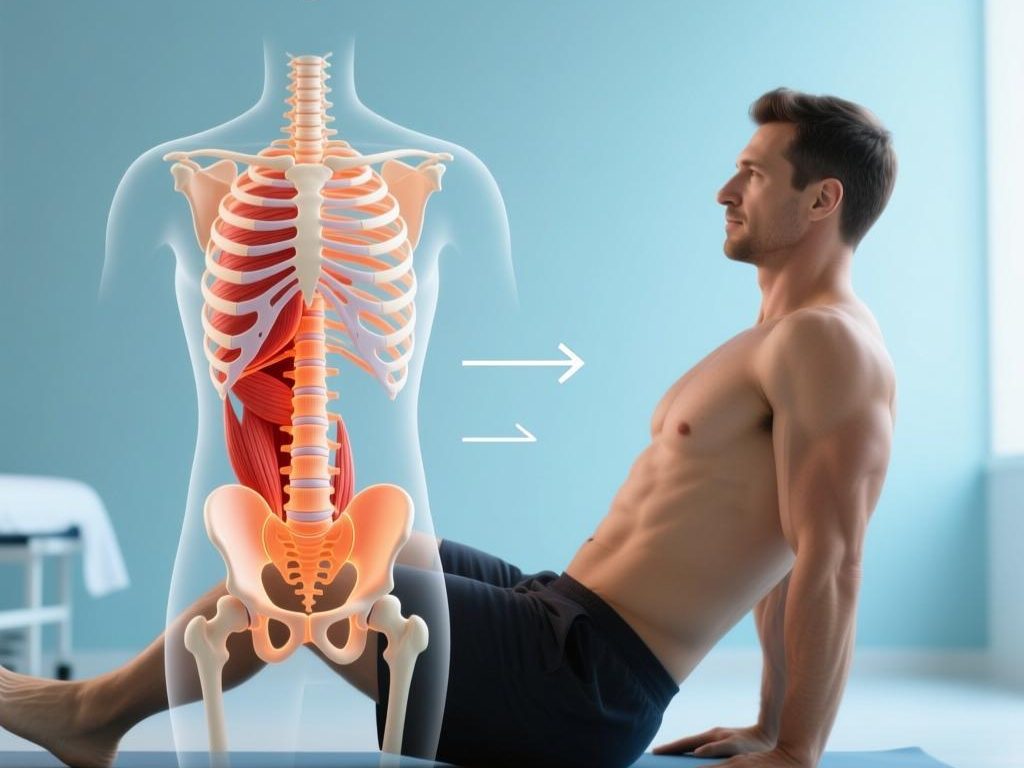
3. Kegel Exercises
How It Works: Kegel exercises involve contracting and relaxing the pelvic floor muscles. These muscles play a key role in ejaculation control and erectile function.
Benefits: Regular Kegel practice can strengthen the pelvic floor, improve bladder control, and enhance sexual performance. It is a low-risk, non-invasive option for men of all ages.
Combining these behavioral techniques with medical or psychological support can lead to significant improvements in PE management.
Conclusion: A Holistic Approach to Lasting Longer
Fixing premature ejaculation requires a multifaceted approach that addresses both physical and psychological factors. Whether through medical treatments, lifestyle changes, or alternative therapies like acupuncture, there are numerous options available to improve sexual health.
It is important to consult a healthcare provider to determine the most suitable treatment plan and to avoid self-diagnosis or unproven remedies. By adopting a holistic strategy that includes self-awareness, communication, and professional guidance, men can take control of their sexual health and enjoy more fulfilling intimate relationships.
Remember, PE is a common issue that can be managed with patience and the right support. Embracing a proactive mindset and seeking help when needed can lead to lasting improvements in sexual confidence and overall well-being.