You’ve planned the perfect evening. The candles are lit, the playlist is queued, and everything is falling into place. Then dinner lands in your stomach like a brick, and suddenly the only thing on your mind is the couch.
As a doctor who has spent years hearing patients talk honestly about their sex lives, I can promise you this: the hours before intimacy matter just as much as the moment itself.
Good sex runs on good blood flow, steady energy, a comfortable stomach, and confidence. Certain foods quietly sabotage all four. Bloating makes you self-conscious, bad breath makes your partner pull back, and a sluggish body kills the momentum before it starts.
Here are the seven foods I tell my patients to leave off the menu when romance is on the schedule, why each one causes trouble, and what to serve instead.

1. Beans and Lentils: The Silent Mood Killer
Beans are a health food on any ordinary Tuesday — full of fiber and plant protein. But date night is not an ordinary Tuesday.
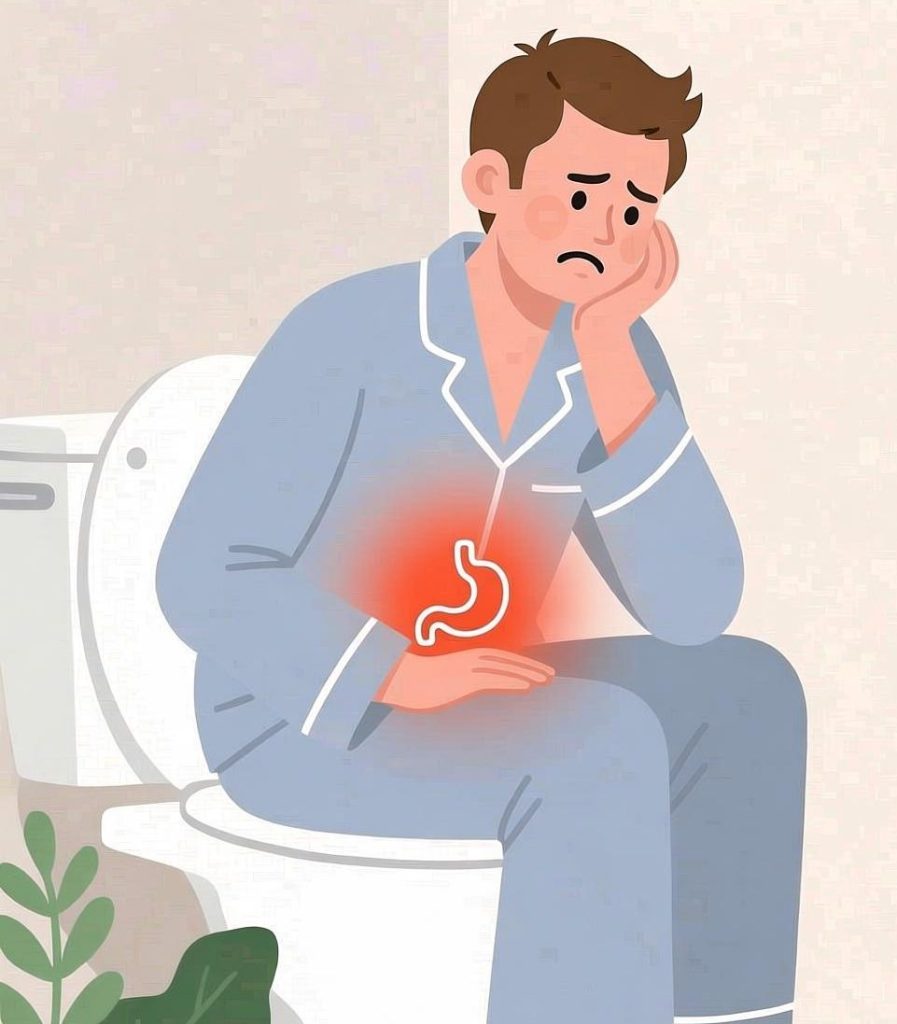
Beans and lentils contain complex sugars your small intestine can’t fully break down. They travel down to your gut bacteria, which ferment them and produce gas. The result is a bloated belly, cramps, and a soundtrack of gurgles you really don’t want to explain.
Nothing pulls you out of the moment faster than worrying about passing gas. The distraction alone is enough to shut down desire, and the physical discomfort makes closeness feel like a chore instead of a pleasure. Self-consciousness is the quiet enemy of good sex.
If beans are on the dinner menu, keep portions small — or better yet, enjoy them at lunch and give your gut the evening off.
2. Garlic and Onions: Delicious Now, Regrettable Later
Garlic and onions are flavor powerhouses, but they carry a hidden cost: sulfur compounds that don’t stay in your mouth. Once absorbed into your bloodstream, they escape through your breath and skin pores for hours — sometimes for a full day.
That’s why brushing your teeth doesn’t fully fix garlic breath. The odor is coming from inside your body, not just your tongue.
Kissing is one of the most powerful forms of foreplay, and scent is wired directly into attraction. When your partner leans in and gets hit with a wave of last night’s garlic pasta, they pull back — and once the kissing stops, desire usually follows.
Save the roasted garlic and caramelized onions for a quiet night in. Fresh herbs, lemon, and black pepper deliver big flavor with none of the regret.
3. Fried Foods: The Energy Thief
French fries, fried chicken, and greasy burgers share one problem: they’re heavy, fatty, and painfully slow to digest. Fat takes longer to break down than any other nutrient, so your stomach can be working overtime for three to four hours.
Here’s why that matters. Digestion demands blood. A heavy, greasy meal pulls blood toward your stomach — blood your sex life needs elsewhere. Arousal and erections depend on strong, reliable circulation, and a body busy digesting fried food simply performs worse.
There’s also the drowsiness factor. After a fatty meal you feel warm, heavy, and ready for a nap — fine after Thanksgiving, terrible before a date. And over the long run, fried food damages blood vessels, raising the stakes beyond one night.
So skip the drive-thru on date night. If you’re cooking at home, bake or grill instead of frying, and keep the plate light. Your evening self will thank you when the clothes come off and the energy stays up.
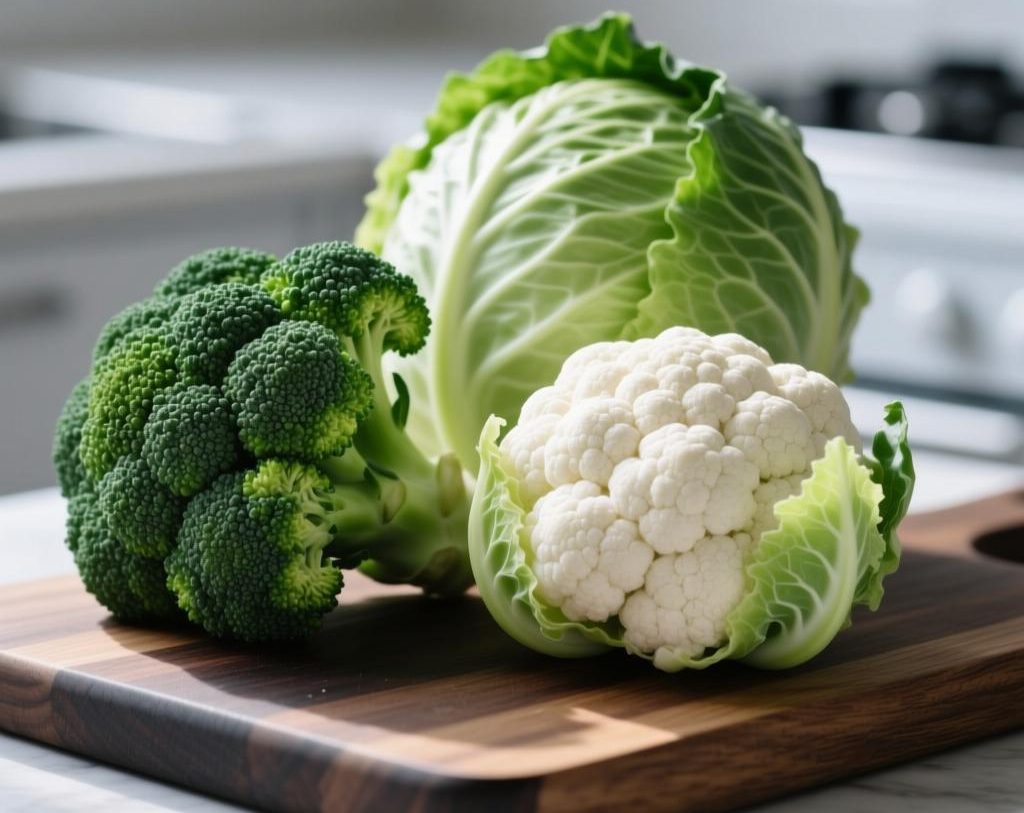
4. Broccoli, Cabbage, and Cauliflower: The Gassy Trio
These are the vegetables your doctor nags you to eat, and yes, they’re genuinely good for you. But like beans, cruciferous vegetables contain a sugar called raffinose that your body can’t digest on its own. Your gut bacteria ferment it, and you know exactly what that produces.
Raw versions are the worst offenders. A big salad piled with raw broccoli and cauliflower feels like a light, virtuous date-night choice, but your stomach will be staging a protest by the time you settle onto the couch.
The fix is timing, not avoidance. Eat them at lunch, keep portions modest, and cook them — heat softens the fibers and makes them gentler on your gut. Roasted broccoli at noon? Perfect. Raw cauliflower platter at eight? Recipe for regret.
5. A Big Juicy Steak: Heavyweight Champion of Sluggishness
The steakhouse dinner feels like the classic romantic move. Candlelight, a good wine, a thick cut of red meat — what could go wrong? More than you’d think.
Red meat is one of the slowest foods to digest. The combo of dense protein and saturated fat can keep your stomach busy for four to five hours. That “food coma” isn’t in your head — your body is genuinely diverting energy toward digestion instead of desire.
Over time, diets heavy in fatty red meat also contribute to weight gain, higher cholesterol, and stiffer blood vessels, all of which quietly work against circulation — the engine of arousal for both men and women.
If steak is non-negotiable, order a smaller cut and give yourself a few hours before heading home. Grilled fish or chicken delivers the same romantic dinner with none of the food hangover.
6. Alcohol: Liquid Courage, Bedroom Sabotage
This is the one people push back on, and I understand. A glass of wine feels like part of the romance — and in small amounts, it truly is. One drink helps tense people relax and lowers inhibitions.
The trouble starts with drink number two or three. Alcohol is a depressant, and as your blood level rises, it works against you. In men, it dulls nerve signals, making erections harder to get and keep. In women, it reduces natural lubrication and delays orgasm. Heavy drinking is one of the most common triggers I see for disappointing nights.
Even Shakespeare knew this. Describing alcohol four centuries ago, he wrote that it “provokes the desire, but takes away the performance.” Some things never change.
My advice: stick to one drink, sip it slowly, and match it with a glass of water. Your future self — the one hoping to remember every detail of tonight — will be grateful.
7. Sugary Drinks and Energy Drinks: The Crash Is Coming
It sounds logical: you want energy tonight, so you grab an energy drink or a large soda. The plan backfires within two hours, every single time.
That rush of sugar spikes your blood sugar, your insulin surges to clean it up, and then your energy crashes — often right when things get interesting. You go from wired to foggy, drowsy, and irritable, a terrible combination for intimacy.
Energy drinks layer another problem on top. The caffeine masks tiredness while leaving you jittery, with a racing heart you can’t ignore. If you’re prone to performance anxiety, that pounding-chest feeling is the last thing you need.
Long term, sugary diets damage blood vessels and are linked to falling testosterone levels. For a natural lift, try sparkling water, green tea, or a banana about an hour before — steady energy without the roller coaster.
Your Quick Date-Night Cheat Sheet
Screenshot this table for future reference:
| Food | Why It Works Against You | When to Skip It |
|---|---|---|
| Beans and lentils | Gas, bloating, cramps | 3–4 hours before |
| Garlic and onions | Bad breath and body odor | Skip all day |
| Fried foods | Slow digestion, drowsiness | 3–4 hours before |
| Cruciferous vegetables | Gas and bloating | 3–4 hours before, especially raw |
| Large red meat portions | 4–5 hours of heavy digestion | Choose lunch, not dinner |
| Alcohol beyond one drink | Dulled sensation, erection and orgasm issues | Stick to one |
| Sugary and energy drinks | Sugar crash, jitters | 2 hours before |
What to Eat Instead
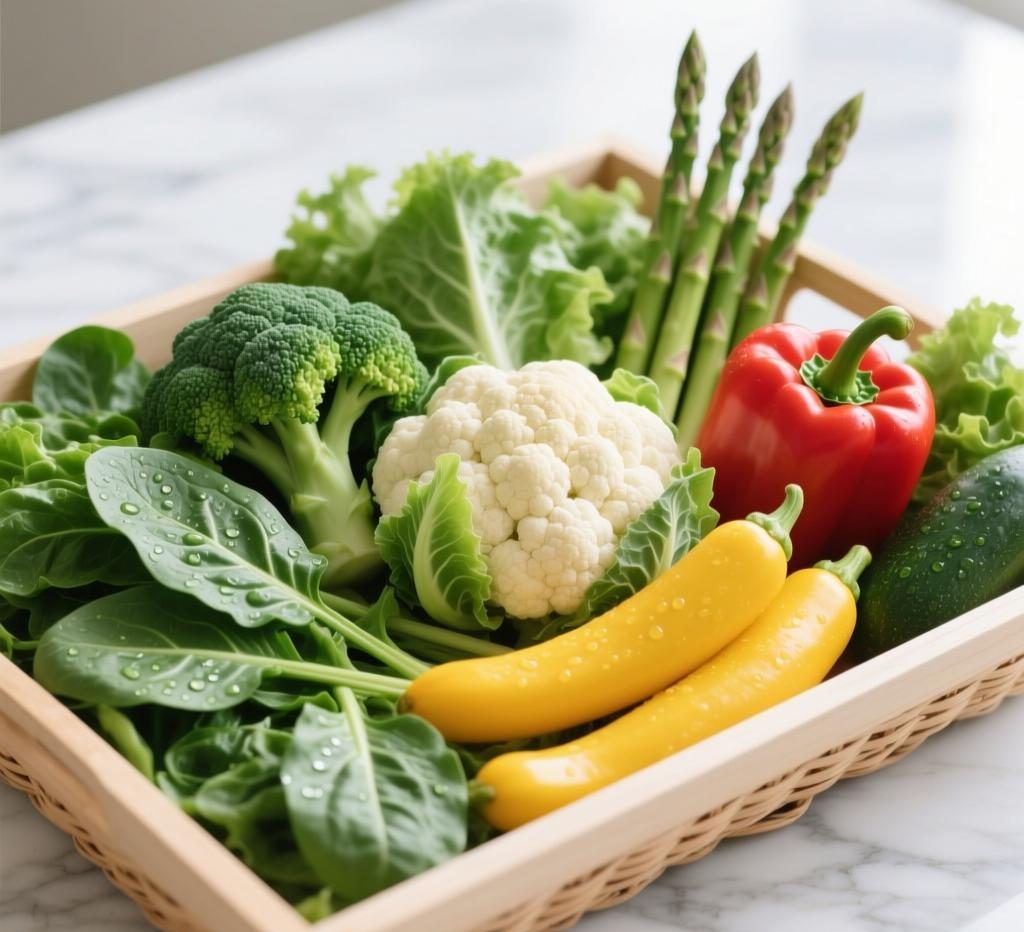
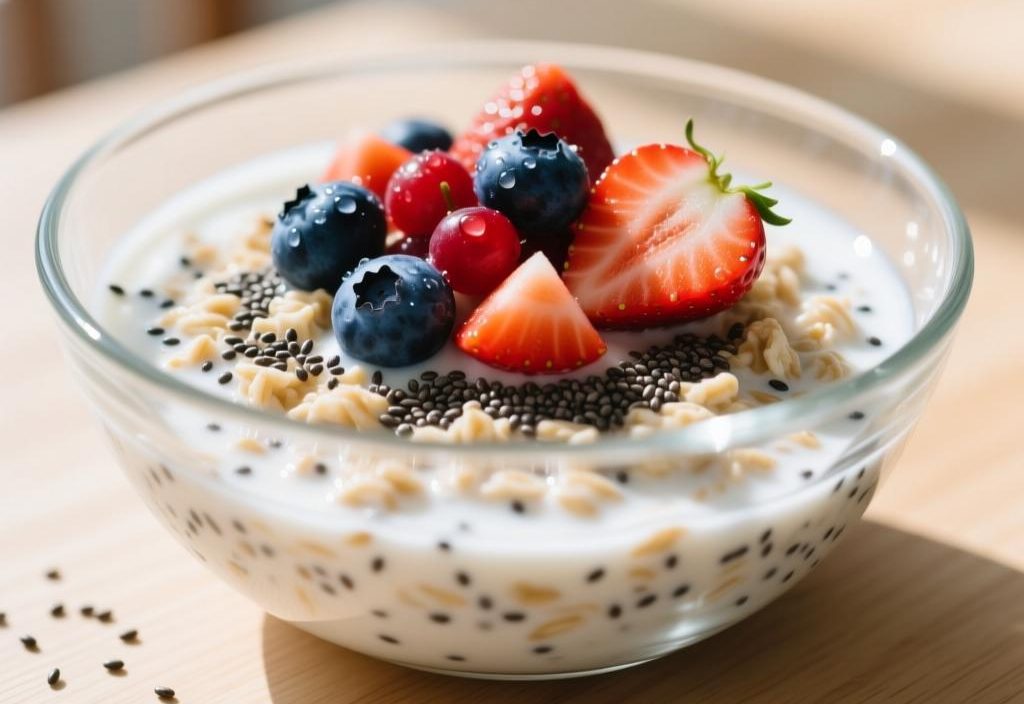
Plenty of delicious foods actually help your night along. Watermelon and citrus support hydration and blood flow, dark chocolate contains feel-good compounds linked to mood, and salmon keeps your blood vessels happy. Keep the meal light, finish about two hours before intimacy, and you set yourself up for success.
- Grilled fish or chicken with vegetables
- A fruit plate with a few squares of dark chocolate
- Oysters if you enjoy the ritual — the aphrodisiac effect is mostly expectation, but expectation works surprisingly often
- Plenty of water, because hydration matters more than people think
Frequently Asked Questions
How long before sex should I stop eating?
Leave a two-hour gap between a full meal and intimacy. That gives your stomach time to finish the heavy work and frees up blood flow and energy for better things. If the meal was greasy or gassy, make it three to four hours, and keep the meal itself modest — a light plate beats a feast every single time.
Do aphrodisiac foods actually work?
Mostly through expectation — which is still real. Oysters, chocolate, and strawberries contain no magic, but sharing them builds anticipation and desire. Feeling light, comfortable, and confident in your body does far more than any single “miracle” food.
Can one bad meal really ruin the night?
Honestly, yes. One heavy meal can leave you bloated, gassy, or too sluggish to enjoy yourself, and garlic can put kissing off the table entirely. It won’t damage your long-term health, but it can absolutely decide how the next few hours go.
What should I drink before sex?
Water, first and always — it keeps your blood volume up, your skin glowing, and your energy steady. Herbal tea is fine too. If you want alcohol, stop at one glass. Skip the energy drinks and sugary sodas — the crash and jitters aren’t worth it.
The Takeaway
The recipe for a better night is refreshingly simple: eat light, hydrate well, mind your timing, and pay attention to each other. You don’t need a perfect diet — just a little planning.
And if low desire, discomfort, or performance troubles show up regularly no matter what you eat, talk to a doctor. These issues are common, treatable, and nothing to be embarrassed about. Now go enjoy your evening — wisely.