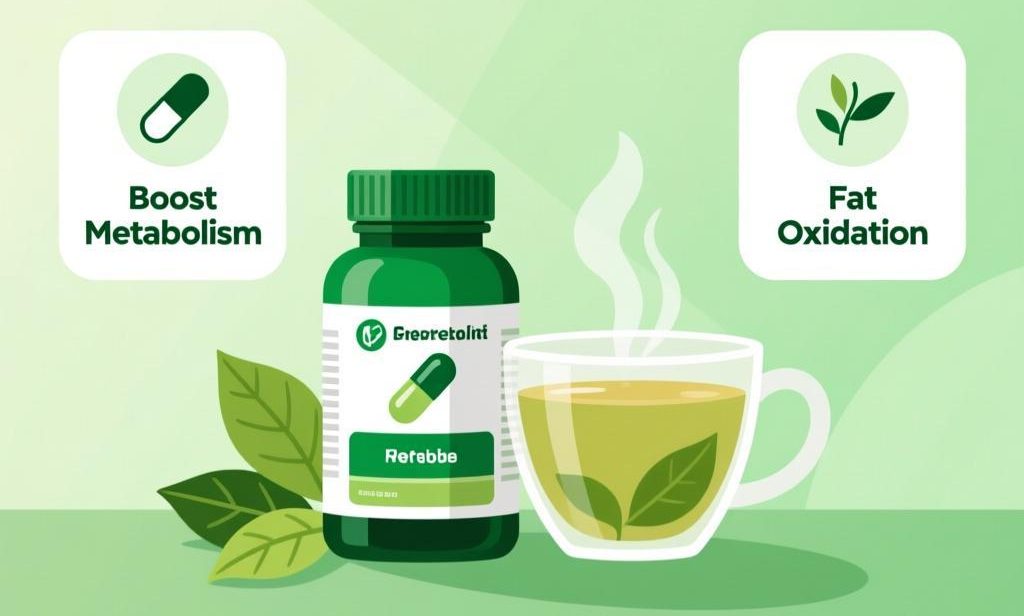
In a world where fad diets and synthetic weight loss pills dominate the market, many people are turning toward gentler, plant-based alternatives. Herbal tea supplements have surged in popularity as a natural approach to supporting metabolism, digestion, and overall wellness.
But how effective are they really? This article explores herbal tea supplements for weight loss from multiple perspectives — scientific, nutritional, practical, and safety-focused — so you can make an informed decision before adding them to your routine.
What Are Herbal Tea Supplements?
Herbal tea supplements are beverages or concentrated extracts made from dried leaves, flowers, roots, seeds, and bark of various plants.
Unlike true teas (green, black, white, and oolong), which come from the Camellia sinensis plant, herbal teas — also called tisanes — are typically caffeine-free and derive their active compounds from a wide range of botanicals.
Common examples include green tea extract capsules, dandelion root tea, rooibos, hibiscus, ginger, peppermint, and blends marketed specifically as “detox” or “slimming” teas.
These supplements come in several forms: loose-leaf teas, tea bags, powdered instant mixes, tinctures, and capsules. Each form offers different concentrations of active ingredients, which can significantly influence results.
A cup of brewed herbal tea may contain only a fraction of the compounds found in a standardized extract capsule, which is why understanding dosage matters when using herbal tea supplements for weight management.
How Herbal Teas May Support Weight Loss?
From a scientific standpoint, several mechanisms explain how herbal teas and their extracts might assist with weight management:
- Thermogenesis: Compounds like catechins in green tea and capsaicin-like molecules in certain herbs may slightly increase calorie burning by raising the body’s metabolic rate.
- Appetite regulation: Some fibers and mucilages (such as those in fenugreek) can promote feelings of fullness, reducing overall calorie intake.
- Diuretic effects: Dandelion and hibiscus help the body shed excess water weight, which can reduce bloating — though this is temporary and not true fat loss.
- Blood sugar support: Certain botanicals may improve insulin sensitivity, helping to reduce cravings and energy crashes that lead to overeating.
- Lipid metabolism: Studies suggest some plant polyphenols influence fat oxidation and inhibit fat cell formation in laboratory settings.
It is essential to note that research findings are mixed. While green tea extract has the strongest evidence base — with meta-analyses showing modest weight loss of roughly 1–1.5 kg over 12 weeks in some studies — effects are generally small and work best when combined with a calorie-controlled diet and regular exercise. No herbal tea supplement melts fat on its own, and claims suggesting otherwise are not supported by credible science.
Popular Herbal Teas for Weight Loss: A Nutritional Comparison
As a nutritionist, I often get asked which herbal teas deliver the most benefit. Here is a comparison of the most researched options:
| Herbal Tea | Key Active Compounds | Potential Weight Loss Benefit | Caffeine |
|---|---|---|---|
| Green Tea | Catechins (EGCG), caffeine | Boosts thermogenesis and fat oxidation | Moderate |
| Oolong Tea | Polyphenols, caffeine | May enhance fat metabolism | Moderate |
| Hibiscus | Anthocyanins, organic acids | Mild diuretic; supports blood pressure and lipid profiles | None |
| Ginger | Gingerols | Improves digestion, may reduce appetite | None |
| Dandelion Root | Taraxasterol, inulin | Reduces water retention, supports liver function | None |
| Peppermint | Menthol | Aids digestion, may curb cravings | None |
Green tea and oolong tea, while technically “true” teas, are frequently included in herbal weight loss supplements because of their well-documented catechin content. Hibiscus, ginger, and dandelion are the leading caffeine-free alternatives for those sensitive to stimulants.
The Role of Herbal Tea Supplements in a Balanced Diet
From a practical nutrition standpoint, herbal tea supplements are best viewed as a supportive tool rather than a primary strategy.
Their greatest value may actually be behavioral: replacing high-calorie sugary drinks with zero-calorie herbal tea can easily save 200–400 calories per day. Over weeks and months, this simple swap can contribute meaningfully to a calorie deficit.
Additionally, the ritual of brewing and sipping tea encourages mindfulness, slows down eating, and promotes hydration — all of which support healthy eating patterns.
Drinking a cup before meals may help portion control, while evening herbal teas like chamomile can improve sleep quality, an underrated factor in weight regulation. Poor sleep disrupts hunger hormones (ghrelin and leptin), increasing appetite and cravings for high-calorie foods.
However, no supplement compensates for an unbalanced diet. Sustainable weight loss still depends on whole foods, adequate protein, fiber-rich vegetables, and an energy deficit. Herbal tea supplements should complement — not replace — these fundamentals.
Side Effects and Who Should Be Cautious
Natural does not always mean safe. As an experienced nutrition professional, I emphasize caution with the following points:
- Laxative-based detox teas: Products containing senna or cascara can cause dependency, dehydration, and electrolyte imbalances when overused.
- Liver concerns: High-dose green tea extract has been linked, in rare cases, to liver toxicity. Stick to recommended doses.
- Medication interactions: Hibiscus may lower blood pressure; dandelion may interact with diuretics and lithium; ginger can affect blood-thinning medications.
- Pregnancy and breastfeeding: Many herbal ingredients are not recommended; consult a healthcare provider first.
- Hidden stimulants: Some commercial “slimming teas” contain undeclared caffeine or synephrine, which can cause jitters, palpitations, and elevated blood pressure.
Always choose products from reputable brands with third-party testing, and consult your physician or a registered dietitian before starting any supplement, especially if you have a medical condition or take prescription medications.
How to Use Herbal Tea Supplements Effectively?
To maximize benefits safely, follow these evidence-informed guidelines:
- Drink 1–3 cups daily, ideally before or between meals.
- Time caffeinated varieties (green, oolong) before 2 p.m. to protect sleep.
- Avoid adding sugar or sweetened creamers, which negate the calorie advantage.
- Pair tea consumption with balanced meals and 150+ minutes of weekly exercise.
- Use laxative or diuretic “detox” teas for no more than a few days, if at all.
- Give any supplement at least 8–12 weeks while tracking real outcomes such as body composition, not just scale weight.
Consistency beats intensity. A daily cup enjoyed over months will do far more for your metabolism and habits than an aggressive one-week “tea detox” that mostly removes water weight.
Frequently Asked Questions
1. Do herbal tea supplements really help you lose weight?
They can help modestly, but they are not magic. The strongest evidence supports green tea catechins combined with caffeine, which may increase daily energy expenditure slightly.
The bigger benefit often comes from replacing sugary beverages with zero-calorie tea and supporting hydration and mindful eating. Real, sustainable weight loss still requires a calorie deficit through diet and activity.
2. How long does it take to see results from herbal weight loss teas?
Most clinical studies evaluate outcomes over 8–12 weeks. Expect gradual changes: reduced bloating within days (from diuretic effects), improved digestion within one to two weeks, and meaningful fat loss only when the tea supports an overall healthy lifestyle. Beware of products promising rapid results in a week — those are typically water loss, not fat loss.
3. Can I drink herbal slimming tea every day?
Yes, most gentle herbal teas such as hibiscus, ginger, peppermint, and rooibos are safe for daily consumption in moderate amounts (1–3 cups).
However, avoid daily long-term use of laxative teas containing senna, and monitor your response to caffeinated blends. If you notice digestive upset, sleep disturbances, or palpitations, reduce your intake and consult a professional.
4. Are detox teas safe and effective?
“Detox” is largely a marketing term. Your liver and kidneys already detoxify your body naturally. Detox teas often rely on laxatives and diuretics that cause temporary water loss, not fat reduction, and overuse can lead to dehydration, cramping, and electrolyte imbalance. For genuine health benefits, choose gentle herbal teas without laxative ingredients instead.
5. What is the best time of day to drink herbal tea for weight loss?
Caffeinated teas work best in the morning or early afternoon to boost metabolism without disrupting sleep. Caffeine-free options like ginger or peppermint are excellent 30–60 minutes before meals to aid digestion and appetite control, while calming teas such as chamomile suit the evening. Matching the tea to your body’s rhythm maximizes both benefits and comfort.
6. Can herbal teas interact with medications or health conditions?
Yes. Hibiscus can amplify blood pressure medications, dandelion may interfere with diuretics and lithium, ginger affects anticoagulants, and concentrated green tea extract can interact with certain liver-metabolized drugs.
If you are pregnant, nursing, managing a chronic condition, or taking prescriptions, always consult your doctor or a registered dietitian before adding herbal supplements to your routine.
Final Thoughts
Herbal tea supplements can be a genuinely useful, natural ally in your weight loss journey — but as a supporting player, not the star. Their real strengths lie in replacing calorie-heavy drinks, aiding digestion, supporting hydration, and building mindful daily rituals.
Choose evidence-backed ingredients like green tea, hibiscus, and ginger; avoid harsh laxative detox products; and anchor everything in a balanced diet and active lifestyle.
When used wisely, a warm cup of herbal tea becomes more than a supplement — it becomes a sustainable daily habit that supports long-term wellness and healthy weight management.