Weight loss isn’t simply about calorie restriction; it’s a complex interplay of hormones, metabolism, gut health, and the types of foods we consume.
While a calorie deficit is foundational, what those calories consist of dramatically impacts satiety, muscle preservation, metabolic rate, and long-term success.
The concept of “power foods” isn’t about magical fat-burning properties, but rather foods that optimize these biological processes to support healthy weight management.
We need to move beyond the simplistic “calories in, calories out” model and acknowledge the nuanced role of macronutrients (proteins, fats, carbohydrates) and micronutrients (vitamins, minerals) in achieving sustainable results.
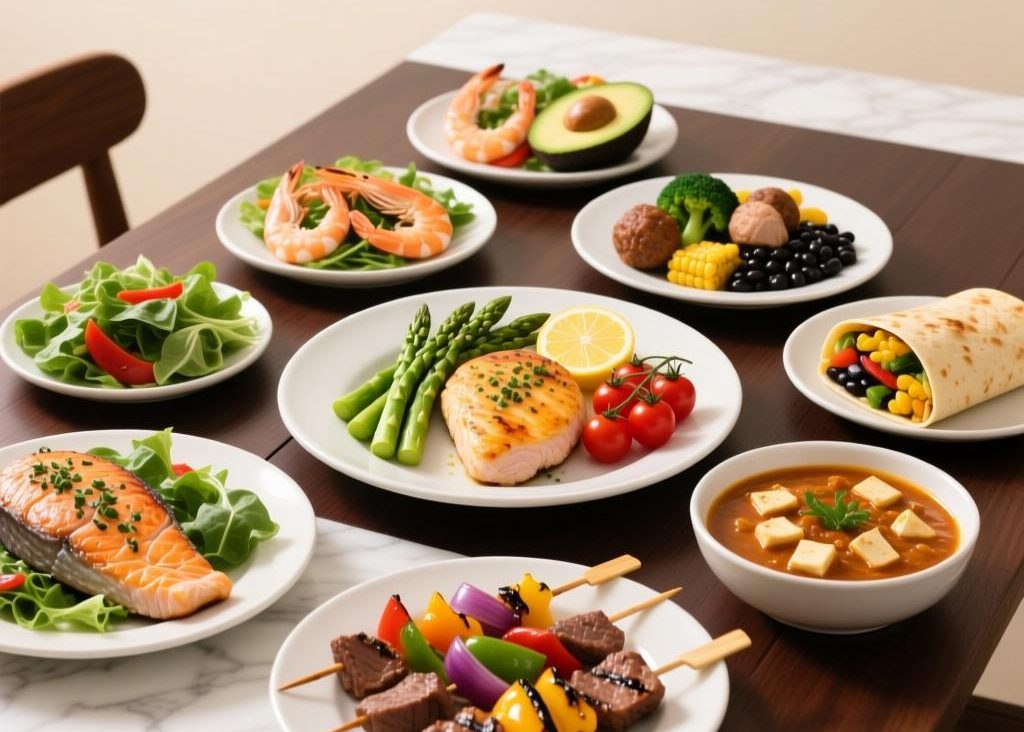
Where Are Some Foods Rich In Protein?
Metabolic adaptation is a key factor often overlooked. Drastic calorie restriction can lead to a decrease in metabolic rate as the body enters “conservation mode.”
Power foods, by providing essential nutrients, help mitigate this adaptation, supporting a healthy metabolism even during caloric restriction.
The thermic effect of food (TEF) – the energy expenditure required to digest, absorb, and process nutrients – also varies between macronutrients.
Protein has the highest TEF (around 20-30%), meaning our bodies burn more calories digesting it compared to carbs or fats. This makes protein-rich foods particularly valuable in a weight loss strategy.
Protein is the cornerstone of any effective weight loss plan. It’s essential for preserving lean muscle mass during calorie restriction, which is crucial for maintaining a healthy metabolism.
Muscle tissue burns more calories at rest than fat tissue, so preserving it is paramount. Beyond muscle preservation, protein’s high satiety factor helps control appetite and reduce cravings.
- Lean Meats (Chicken, Turkey, Fish): These provide high-quality protein with relatively low fat content. Fish, particularly fatty fish like salmon, also offers omega-3 fatty acids, beneficial for overall health and potentially aiding fat loss.
- Eggs: A complete protein source, eggs are incredibly versatile and affordable. They’re packed with essential amino acids and nutrients.
- Greek Yogurt: High in protein and probiotics (beneficial gut bacteria), Greek yogurt is a satisfying and healthy snack or breakfast option. Choose plain, unsweetened varieties to avoid added sugars.
- Legumes (Beans, Lentils, Chickpeas): Excellent plant-based protein sources, legumes are also high in fiber, promoting fullness and digestive health.
- Tofu/Tempeh: Versatile soy-based proteins perfect for vegetarian and vegan diets.
The Athlete’s View – For athletes and those engaging in regular exercise, adequate protein intake is even more critical for muscle recovery and growth, supporting training adaptations and preventing muscle breakdown during weight loss. They might prioritize slightly higher protein intakes (1.6-2.2 grams per kilogram of body weight) compared to sedentary individuals.
What Are The Benefits of Foods Rich in Dietary Fiber?
Fiber is a non-digestible carbohydrate that plays a vital role in weight management. It adds bulk to meals, promoting satiety and reducing overall calorie intake. Fiber also slows down the absorption of sugar, preventing spikes in blood sugar and insulin levels.
Crucially, fiber feeds beneficial gut bacteria, contributing to a healthy microbiome. A healthy gut microbiome is linked to improved metabolism, reduced inflammation, and better overall health, all factors that support weight loss.
- Fruits (Berries, Apples, Pears): Provide fiber, vitamins, and antioxidants. Berries are particularly low in sugar.
- Vegetables (Broccoli, Spinach, Brussels Sprouts): Packed with fiber, vitamins, and minerals. Non-starchy vegetables are especially beneficial for weight loss.
- Whole Grains (Oats, Quinoa, Brown Rice): Choose whole grains over refined grains for a higher fiber content and sustained energy release.
- Chia Seeds/Flax Seeds: These tiny seeds are incredibly rich in fiber, omega-3 fatty acids, and antioxidants.
The Gut Health Specialist’s View – From a gut health perspective, the type of fiber matters. Soluble fiber (found in oats, beans, and apples) dissolves in water, forming a gel-like substance that slows digestion and promotes fullness.
Insoluble fiber (found in whole grains and vegetables) adds bulk to stool and promotes regularity. A balanced intake of both types is optimal for gut health and weight management. Prebiotic foods (like garlic, onions, and leeks) feed the good bacteria, further enhancing gut health.
How Should You Choose Fat?
The fear of fat often hinders weight loss efforts, but healthy fats are essential for optimal health and can actually support weight management.
They play a crucial role in hormone production (including hormones that regulate appetite and metabolism), nutrient absorption, and overall satiety. However, moderation is key – fats are calorie-dense, so portion control is important.
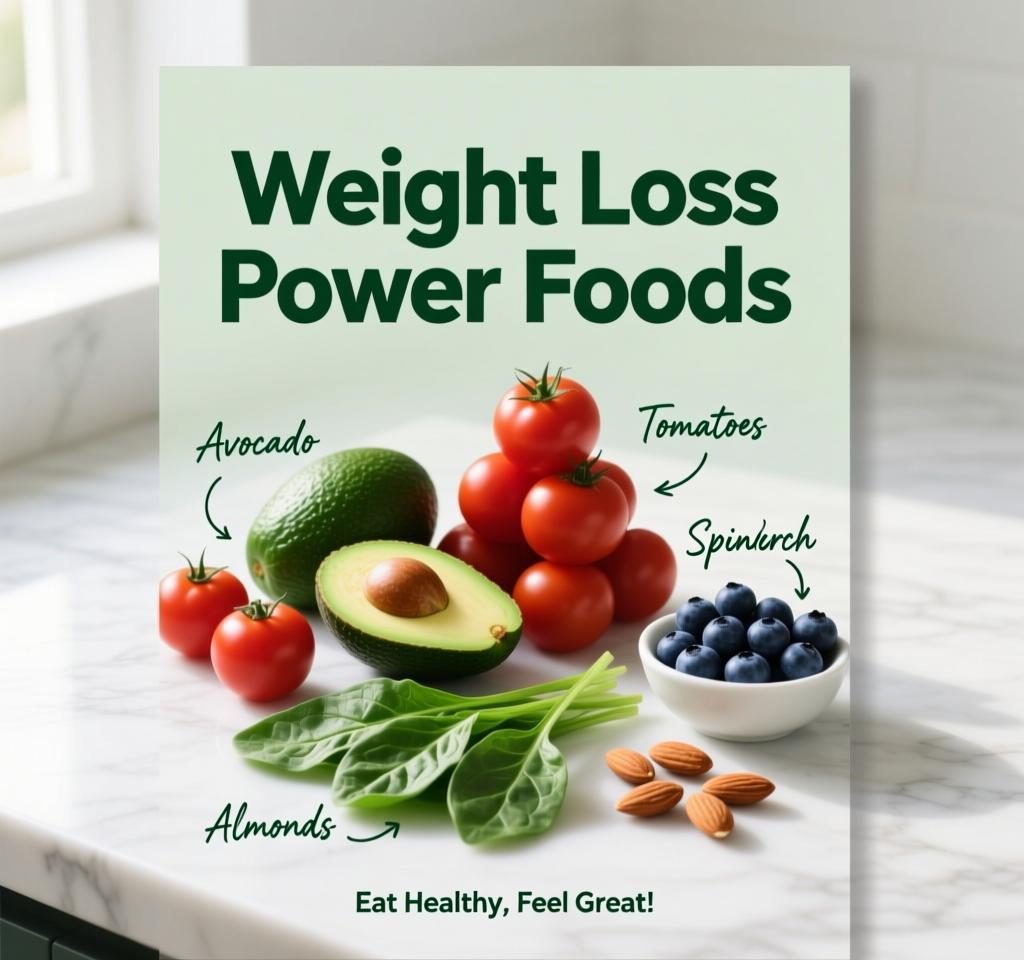
- Avocados: Rich in monounsaturated fats, fiber, and vitamins.
- Nuts & Seeds: Almonds, walnuts, chia seeds, flax seeds – provide healthy fats, protein, and fiber. Portion control is crucial due to their calorie density.
- Olive Oil: A staple of the Mediterranean diet, olive oil is rich in monounsaturated fats and antioxidants.
- Fatty Fish (Salmon, Mackerel, Sardines): Provide omega-3 fatty acids, which have numerous health benefits.
The Hormonal Health Expert’s View – From a hormonal standpoint, healthy fats are vital for maintaining hormonal balance. Low-fat diets can disrupt hormone production, leading to increased cravings, mood swings, and difficulty losing weight.
Omega-3 fatty acids, in particular, are known to reduce inflammation and improve insulin sensitivity, both of which are beneficial for weight management. Furthermore, adequate fat intake can enhance the absorption of fat-soluble vitamins (A, D, E, K).
Do Those Superfoods Really Work?
Certain foods have gained “superfood” status due to their exceptional nutrient profiles and potential health benefits. While it’s important to avoid overhyping individual foods, incorporating these into a balanced diet can contribute to weight loss and overall well-being.
- Green Tea: Contains catechins, antioxidants that may boost metabolism and promote fat oxidation.
- Turmeric: Contains curcumin, a powerful anti-inflammatory compound with potential benefits for weight management.
- Ginger: May help reduce appetite and improve digestion.
- Cinnamon: Can help regulate blood sugar levels and reduce cravings.
- Cayenne Pepper: Contains capsaicin, which may boost metabolism and increase fat burning.
The Functional Nutritionist’s View – Functional nutrition emphasizes addressing the root causes of health issues. These “superfoods” are often valued for their phytonutrients – compounds that offer specific health benefits beyond basic nutrition.
They aren’t a quick fix, but rather tools to support the body’s natural healing and metabolic processes. Combining these foods with a personalized dietary approach, addressing individual nutrient deficiencies and imbalances, is crucial for optimal results.
What Benefits Does Hydration Bring To The Body?
Water is essential for all bodily functions, including metabolism and digestion. Drinking adequate water can help you feel fuller, boost your metabolism, and flush out toxins.
Often, thirst is mistaken for hunger, leading to unnecessary calorie intake. Aim for at least 8 glasses of water per day, and increase your intake if you’re active or live in a hot climate.
The Exercise Physiologist’s View – From an exercise perspective, hydration is critical for performance and recovery. Dehydration can significantly impair athletic performance and hinder muscle recovery. Proper hydration also helps regulate body temperature and prevent cramping during exercise. Drinking water before, during, and after workouts is essential for maximizing results.
How To Create A Meal Plan That Suits You?
Simply adding a few “power foods” to your diet won’t magically transform your weight. A sustainable weight loss plan requires a holistic approach that combines nutrient-rich foods with regular exercise, adequate sleep, and stress management.
Focus on creating balanced meals that include protein, fiber, and healthy fats. Prioritize whole, unprocessed foods over refined and processed options. Listen to your body’s hunger and fullness cues. And most importantly, be patient and consistent. Weight loss is a journey, not a destination.
Example Meal Plan:
- Breakfast: Greek yogurt with berries and chia seeds
- Lunch: Salad with grilled chicken, mixed greens, avocado, and a light vinaigrette dressing
- Dinner: Baked salmon with roasted broccoli and quinoa
- Snacks: A handful of almonds, an apple with peanut butter, or a hard-boiled egg
It’s crucial to remember that there’s no one-size-fits-all approach to weight loss. Individual needs vary based on factors like age, gender, activity level, genetics, and underlying health conditions.
What works for one person may not work for another. Consider consulting with a registered dietitian or healthcare professional to develop a personalized weight loss plan that’s tailored to your specific needs and goals.
They can help you identify any nutrient deficiencies, address any underlying health conditions, and create a sustainable eating plan that supports long-term success.
The Registered Dietitian’s View – As a Registered Dietitian, I emphasize the importance of behavior change. It’s not just what you eat, but how you eat.
Mindful eating practices, such as paying attention to hunger cues, savoring your food, and eating slowly, can help you develop a healthier relationship with food and prevent overeating. We also focus on addressing emotional eating and identifying triggers that lead to unhealthy food choices.
Ultimately, the key to successful weight loss is to embrace a lifestyle that prioritizes health and well-being. Focus on nourishing your body with nutrient-rich foods, moving your body regularly, and cultivating a positive mindset. “Power foods” are valuable tools in this process, but they are most effective when combined with a sustainable and individualized approach to healthy living.
FAQs
What exactly are “power foods” for weight loss?
“Power foods” aren’t magical fat burners. They’re nutrient-dense foods that support healthy weight management by boosting metabolism, increasing satiety, preserving muscle mass, and improving overall health. They work with a balanced diet and exercise, not instead of them.
Is it just about calories? Can I eat whatever I want as long as I’m in a calorie deficit?
While a calorie deficit is essential for weight loss, it’s not the whole story. The quality of those calories matters. Eating primarily processed foods, even in a deficit, can lead to nutrient deficiencies, cravings, and a slower metabolism. Power foods provide the nutrients your body needs to function optimally during weight loss.
How quickly can I expect to see results by incorporating these foods into my diet?
Results vary depending on individual factors like starting weight, activity level, genetics, and consistency. It’s important to focus on sustainable lifestyle changes rather than quick fixes. You might notice increased energy levels and reduced cravings within a week or two, but significant weight loss typically takes several weeks to months.
Are all fats bad for weight loss?
No! Healthy fats (like those found in avocados, nuts, seeds, and olive oil) are essential for hormone production, nutrient absorption, and satiety. They help you feel fuller for longer and support overall health. However, fats are calorie-dense, so moderation is key.
I’m a vegetarian/vegan. What are the best protein sources for me?
Excellent plant-based protein sources include legumes (beans, lentils, chickpeas), tofu, tempeh, quinoa, and nuts/seeds. Combining different plant-based proteins ensures you get all the essential amino acids your body needs.
I don’t like fish. What can I do to get enough omega-3 fatty acids?
If you don’t enjoy fish, consider flaxseeds, chia seeds, walnuts, or an algae-based omega-3 supplement. These provide alpha-linolenic acid (ALA), a type of omega-3 that the body can convert into EPA and DHA (the forms found in fish), although the conversion rate isn’t as efficient.
Are fruits okay to eat when trying to lose weight? They contain sugar.
Absolutely! Fruits are packed with vitamins, minerals, fiber, and antioxidants. While they do contain sugar, it’s natural sugar accompanied by fiber, which slows down absorption. Berries are particularly good choices due to their lower sugar content.
How much water should I drink each day for weight loss?
Aim for at least 8 glasses (64 ounces) of water per day. Increase your intake if you’re active or live in a hot climate. Water helps you feel full, boosts your metabolism, and flushes out toxins.
Can I still enjoy treats and desserts while following this plan?
Yes, absolutely! Restricting yourself completely can lead to cravings and binge eating. Allow yourself occasional treats in moderation. Focus on mindful enjoyment and portion control. An 80/20 rule (eating healthy 80% of the time and allowing yourself indulgences 20% of the time) can be a sustainable approach.
What’s the best way to incorporate these power foods into my busy schedule?
Meal prepping is a lifesaver! Spend a few hours each week preparing ingredients or entire meals in advance. Keep healthy snacks readily available to avoid impulsive unhealthy choices. Look for quick and easy recipes that prioritize power foods.
I’ve started eating healthier, but I’m not seeing results. What am I doing wrong?
Several factors could be at play. Ensure you’re truly in a calorie deficit, track your food intake accurately, get enough sleep, manage stress levels, and incorporate regular exercise. If you’re still struggling, consider consulting with a registered dietitian or healthcare professional for personalized guidance.