
Fiber, often hailed as the unsung hero of weight management, isn’t a single entity but a diverse group of plant-based carbohydrates that resist digestion in the small intestine.
This resistance is the key to its multifaceted benefits. Unlike simple sugars and refined carbohydrates which are rapidly broken down and absorbed, fiber passes through the digestive system relatively intact.
This journey isn’t passive, however. It’s a dynamic process impacting everything from gut microbiome composition to hormonal regulation.
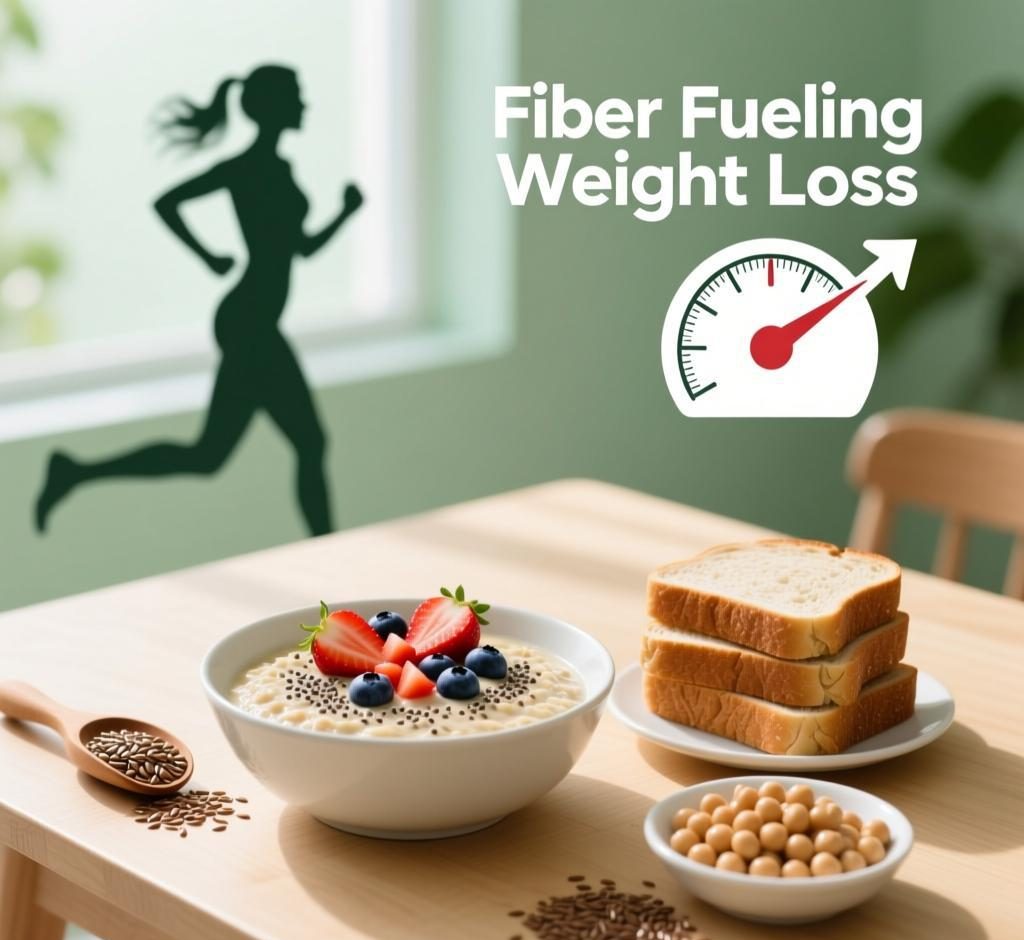
The Role of Dietary Diber in Weight Loss
There are two main types of fiber: soluble and insoluble. Soluble fiber, found abundantly in oats, beans, apples, and citrus fruits, dissolves in water to form a gel-like substance.
This gel slows down gastric emptying, meaning food stays in your stomach longer, promoting feelings of fullness (satiety). Insoluble fiber, prevalent in whole wheat products, vegetables, and wheat bran, doesn’t dissolve in water.
It adds bulk to the stool, aiding regularity and preventing constipation. Both types contribute significantly to weight management, but through different mechanisms.
From a biochemical perspective, the slow digestion facilitated by fiber directly influences blood glucose levels. Rapid spikes in blood sugar following consumption of refined carbs trigger a surge in insulin, the hormone responsible for shuttling glucose into cells.
Chronically elevated insulin levels can lead to insulin resistance, a precursor to type 2 diabetes, and also promote fat storage. Fiber mitigates this by slowing glucose absorption, resulting in a more gradual and sustained release of glucose into the bloodstream, and thus, a more moderate insulin response.
Furthermore, the fermentation of soluble fiber in the large intestine by the gut microbiome yields short-chain fatty acids (SCFAs) like acetate, propionate, and butyrate.
These SCFAs aren’t just waste products; they’re metabolically active compounds with far-reaching effects. Butyrate, for instance, is a primary energy source for colonocytes (cells lining the colon), promoting gut health and potentially reducing inflammation. Propionate can influence appetite regulation, and acetate may enhance energy expenditure.
Satiety & Behavioral Changes
Weight management isn’t solely a matter of biochemistry; psychological factors play a critical role. The sheer volume of fiber-rich foods contributes significantly to satiety. Because fiber adds bulk without adding substantial calories, you feel fuller on less food.
This is a crucial advantage in a world of energy-dense, processed foods designed to override natural fullness cues. However, the impact goes beyond just feeling “full.” Fiber influences the release of gut hormones, particularly peptide YY (PYY) and cholecystokinin (CCK), which signal to the brain that you’ve eaten enough.
These hormones slow down gastric emptying further and suppress appetite. Think of it as a multi-pronged attack on hunger – physical fullness combined with hormonal signals reinforcing satiety.
Beyond immediate satiety, a high-fiber diet can encourage behavioral changes. Individuals consuming more fiber often find themselves naturally gravitating towards whole, unprocessed foods – fruits, vegetables, whole grains, and legumes.
These foods tend to be lower in calories, higher in nutrients, and require more chewing, which further enhances satiety. The very act of prioritizing fiber-rich foods often crowds out less healthy options.
This isn’t necessarily a conscious effort; it’s a natural consequence of shifting dietary priorities. Moreover, a diet emphasizing whole foods often necessitates more meal planning and preparation, fostering a greater awareness of food choices and portion sizes.
This mindful eating approach is a cornerstone of successful long-term weight management. It’s about building a sustainable lifestyle, not just adhering to a restrictive diet.
Gut Microbiota and Dietary Fiber
The human gut microbiome – the trillions of bacteria, fungi, viruses, and other microorganisms residing in our digestive tract – has emerged as a critical player in overall health, including weight management.
Fiber is, in essence, food for these microbes. Unlike humans, our gut bacteria can digest fiber, fermenting it into those beneficial SCFAs mentioned earlier.
The composition of the gut microbiome is highly individualized, influenced by genetics, diet, lifestyle, and medication. A diet low in fiber results in a less diverse microbiome, potentially dominated by bacteria that thrive on simple sugars and processed foods.
This can lead to inflammation, impaired gut barrier function (often referred to as “leaky gut”), and metabolic imbalances. Conversely, a high-fiber diet fosters a diverse and resilient microbiome, characterized by an abundance of beneficial bacteria.
Specific bacterial species are particularly adept at fermenting different types of fiber. For example, Bifidobacteria and Lactobacilli are known to flourish on prebiotic fibers like inulin and fructooligosaccharides (FOS), found in onions, garlic, and bananas.
These bacteria not only produce SCFAs but also compete with harmful bacteria for resources, bolstering gut health. Furthermore, the gut microbiome influences energy harvest from food.
Certain bacteria can extract more calories from the same amount of food, while others promote energy expenditure. A healthy microbiome, nurtured by fiber, can help optimize energy balance.
Research is ongoing to identify specific microbial signatures associated with obesity and to develop targeted dietary interventions to modulate the microbiome for weight management.
The complexity of the gut microbiome means this isn’t a simple equation, but the evidence strongly suggests a profound connection.
Fiber Across Different Dietary Approaches
The role of fiber isn’t universally consistent across all dietary approaches, highlighting the importance of mindful integration. Let’s examine how fiber fits into four popular diets:
Keto (Ketogenic Diet)
The ketogenic diet, characterized by very low carbohydrate intake and high fat consumption, presents a unique challenge for fiber intake. Traditionally, keto restricts many fiber-rich foods like fruits, grains, and legumes due to their carbohydrate content.
However, completely eliminating fiber is detrimental to gut health and can lead to constipation and nutrient deficiencies. A well-planned keto diet incorporates low-carb, high-fiber vegetables like leafy greens, broccoli, cauliflower, and avocados.
Psyllium husk, a soluble fiber supplement, is often used to increase fiber intake without significantly impacting carbohydrate levels. The focus is on maximizing fiber from acceptable sources while staying within keto macronutrient targets.
Paleo Diet
The Paleo diet emphasizes foods believed to have been consumed by our hunter-gatherer ancestors – meat, fish, fruits, vegetables, nuts, and seeds. Fiber intake is generally good on a Paleo diet, particularly from non-starchy vegetables and certain fruits.
However, grains and legumes, significant sources of fiber in many modern diets, are excluded. Paleo proponents argue that these foods contain anti-nutrients that interfere with nutrient absorption.
To compensate, Paleo dieters focus on maximizing fiber from allowed sources and often incorporate starchy vegetables like sweet potatoes and yams in moderation. The emphasis is on whole, unprocessed foods naturally containing fiber.
Vegan Diet
Vegan diets, excluding all animal products, are typically very high in fiber due to the abundance of plant-based foods. Legumes, whole grains, fruits, and vegetables form the cornerstone of a vegan diet, providing ample amounts of both soluble and insoluble fiber.
However, simply being vegan doesn’t guarantee optimal fiber intake. Highly processed vegan foods, like vegan junk food, can be low in fiber and high in sugar and unhealthy fats.
A well-planned vegan diet prioritizes whole, unprocessed plant foods to maximize fiber and nutrient density. Ensuring adequate vitamin B12 intake is also crucial, as it’s primarily found in animal products.
Mediterranean Diet
The Mediterranean diet, inspired by the traditional eating patterns of people living in the Mediterranean region, is rich in fruits, vegetables, whole grains, legumes, nuts, seeds, and olive oil.
This diet is naturally high in fiber and aligns well with weight management principles. The emphasis on plant-based foods, combined with healthy fats and moderate protein intake, promotes satiety, stabilizes blood sugar levels, and supports gut health.
The Mediterranean diet is often considered a sustainable and enjoyable approach to long-term weight management due to its variety and palatability.
Practical Strategies for Increasing Fiber Intake
Increasing fiber intake doesn’t require drastic changes. Small, incremental adjustments can make a significant difference. Here are some practical strategies:
- Start Slowly: Suddenly increasing fiber intake can lead to bloating, gas, and discomfort. Gradually increase your intake over several weeks to allow your gut microbiome to adapt.
- Choose Whole Grains: Replace refined grains (white bread, white rice) with whole grains (whole wheat bread, brown rice, quinoa, oats).
- Embrace Legumes: Incorporate beans, lentils, and chickpeas into your meals. They’re excellent sources of both fiber and protein.
- Load Up on Fruits and Vegetables: Aim for at least five servings of fruits and vegetables per day. Eat the peel whenever possible, as it contains a significant amount of fiber.
- Snack Smart: Choose fiber-rich snacks like apples with peanut butter, carrots with hummus, or a handful of almonds.
- Read Food Labels: Pay attention to the fiber content of packaged foods. Look for products with at least 3-5 grams of fiber per serving.
- Hydrate Adequately: Fiber absorbs water, so it’s crucial to drink plenty of fluids to prevent constipation.
- Consider Fiber Supplements (with caution): Psyllium husk, methylcellulose, and wheat dextrin can be helpful, but they shouldn’t replace whole foods.
In conclusion, fiber is far more than just “roughage.” It’s a powerful tool for weight management, influencing biochemical processes, psychological factors, and the complex ecosystem of the gut microbiome.
By prioritizing fiber-rich foods and adopting a holistic approach to nutrition, individuals can unlock its full potential and pave the way for sustainable weight loss and long-term health.
General Fiber Questions
How much fiber do I need daily for weight loss?
The recommended daily intake of fiber is around 25-30 grams for adults. However, for weight loss, aiming for the higher end of that range, or even slightly above (up to 35 grams), can be particularly beneficial. Start gradually to avoid digestive discomfort.
Can fiber really curb my appetite?
Yes! Fiber, particularly soluble fiber, expands in your stomach, creating a feeling of fullness. It also influences the release of hormones that signal satiety to your brain. This can lead to reduced calorie intake and support weight loss.
I’m trying to follow a keto diet. Can I still get enough fiber?
It can be challenging on keto, as many high-fiber foods are also high in carbohydrates. Focus on low-carb, fiber-rich vegetables like leafy greens, broccoli, and cauliflower. Consider a psyllium husk supplement to boost fiber intake, but always drink plenty of water.
I started eating more fiber, and now I’m bloated and gassy. What should I do?
This is common! Increase your fiber intake gradually to give your gut time to adjust. Drink plenty of water, and consider probiotic supplements to support gut health. If symptoms persist, consult a doctor.
What’s the bottom line regarding fiber and weight loss?
Fiber is a powerful ally in the fight against weight gain. It’s not a magic bullet, but it’s a crucial component of a healthy, sustainable weight loss plan. Prioritize fiber-rich foods, listen to your body, and make gradual changes to reap the full benefits.