
Botanical Composition and Active Compounds
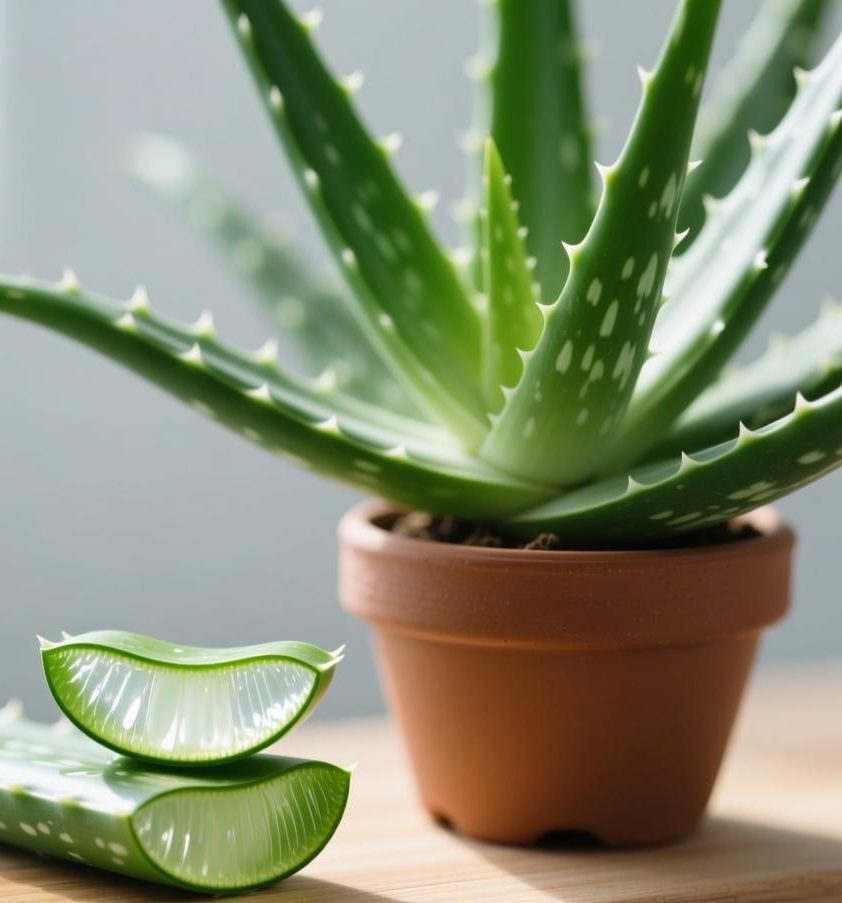
Understanding aloe vera’s efficacy requires examining its complex botanical composition. The plant’s therapeutic benefits stem from several key components concentrated primarily in its gel and latex. The clear gel, found within the inner leaf, is rich in polysaccharides, including glucomannans, acemannans, and galactomannans.
These polysaccharides are believed to be responsible for many of aloe vera’s immunomodulatory, anti-inflammatory, and wound-healing properties. Other crucial constituents include vitamins (A, C, E, B12, folic acid), minerals (calcium, magnesium, zinc, potassium), amino acids, and enzymes (amylase, lipase, cellulase).
The latex, a yellow-colored substance just beneath the skin of the leaf, contains anthraquinones, primarily aloin and emodin. While these anthraquinones have laxative effects (and can cause gastrointestinal distress if consumed in large quantities), they also contribute to some of aloe vera’s antibacterial and antifungal properties.
Modern research is continually identifying additional bioactive compounds within aloe vera, highlighting its potential for broader therapeutic applications. The synergistic interaction of these compounds is thought to amplify the plant’s overall effectiveness.
Aloe Vera and Skin Health in Men
Men, often exposed to harsher environments due to work or outdoor activities, frequently experience skin issues. Aloe vera offers a natural solution for several common problems. Its moisturizing properties help combat dryness and flakiness, particularly after shaving.
The gel forms a protective barrier on the skin, retaining moisture and promoting hydration. For men prone to acne, aloe vera’s antibacterial and anti-inflammatory properties can help reduce breakouts and soothe irritation.
The enzyme bradykinase, found in aloe vera, may help reduce inflammation and pain associated with acne. Sunburn relief is another significant benefit. Aloe vera’s cooling effect and anti-inflammatory actions can significantly alleviate the pain and discomfort caused by sunburn, aiding in faster healing.
Furthermore, aloe vera’s antioxidant properties combat free radical damage, slowing down the aging process and reducing the appearance of wrinkles. It’s a gentle yet effective ingredient for maintaining healthy, resilient skin, even for those with sensitive skin types.
Prostate Health and Aloe Vera
Prostate health is a major concern for men, especially as they age. Benign prostatic hyperplasia (BPH), an enlargement of the prostate gland, is common and can cause urinary problems.
While research is still evolving, preliminary studies suggest that aloe vera may offer some relief. Several in vitro and animal studies have shown that aloe vera extracts can inhibit the growth of prostate cells and reduce inflammation within the prostate gland.
The proposed mechanism involves the inhibition of 5-alpha reductase, an enzyme responsible for converting testosterone to dihydrotestosterone (DHT), a hormone implicated in prostate enlargement. However, robust human clinical trials are limited.
Some smaller studies have indicated that aloe vera supplementation, in conjunction with conventional treatments, may improve urinary symptoms associated with BPH, such as frequency, urgency, and nocturia (nighttime urination).
It’s crucial to note that aloe vera should not be considered a replacement for medical treatment for BPH, but rather a potential complementary therapy. Further, high doses of aloe vera latex can have adverse effects, so careful consideration and professional guidance are essential.
Addressing Erectile Dysfunction (ED) and Premature Ejaculation (PE)
Erectile dysfunction (ED) and premature ejaculation (PE) are prevalent sexual health concerns affecting many men. While often psychological in origin, these conditions can have underlying physiological factors, including vascular issues and inflammation.
Aloe vera’s potential benefits in these areas are intriguing, though research is still in its early stages. The plant’s vasodilatory properties – its ability to widen blood vessels – could theoretically improve blood flow to the penis, aiding in erectile function.
This is largely attributed to the presence of compounds that stimulate nitric oxide production, a crucial molecule for achieving and maintaining an erection. Additionally, aloe vera’s anti-inflammatory effects may address inflammation within the pelvic region, which can contribute to ED.
For premature ejaculation, some proponents suggest that aloe vera’s soothing properties, when applied topically, can desensitize the penis, delaying ejaculation. However, this application lacks strong scientific backing and requires further investigation.
It’s vital to emphasize that ED and PE are complex conditions that require a comprehensive evaluation by a healthcare professional. Aloe vera should not be self-administered as a treatment for these issues without proper medical guidance. Lifestyle modifications, psychological counseling, and medical interventions remain the primary approaches.
Aloe Vera and Testosterone Levels
Testosterone plays a vital role in men’s health, influencing muscle mass, bone density, libido, and overall energy levels. Declining testosterone levels are a natural part of aging, but can also occur due to various medical conditions. Some anecdotal evidence and preliminary research suggest that aloe vera might have a modest impact on testosterone levels.
Animal studies have indicated that aloe vera supplementation can increase testosterone production in rats. The proposed mechanism involves the stimulation of Leydig cells, the cells responsible for testosterone synthesis in the testes. However, these findings have not been consistently replicated in human trials.
A few small-scale human studies have shown a slight increase in testosterone levels following aloe vera supplementation, but the results are inconclusive and require further validation.
It’s important to understand that aloe vera is unlikely to dramatically boost testosterone levels, particularly in individuals with significant hormonal imbalances.
It might be considered as a complementary approach alongside a healthy diet, regular exercise, and, if necessary, medical testosterone therapy, under the guidance of a physician.
Digestive Health and Nutrient Absorption
A healthy gut is foundational to overall well-being. Aloe vera’s soothing properties can benefit digestive health in several ways. It’s known for its ability to soothe the lining of the digestive tract, reducing inflammation and irritation. This can be particularly helpful for individuals with conditions like irritable bowel syndrome (IBS) or inflammatory bowel disease (IBD).
However, the latex portion of aloe vera contains anthraquinones, which act as a natural laxative. While this can provide relief from constipation, overuse can lead to diarrhea, dehydration, and electrolyte imbalances. Therefore, aloe vera juice or supplements should be used cautiously and in moderation. Furthermore, aloe vera can enhance nutrient absorption.
Acid Reflux Reduction: Some people find that aloe vera juice helps soothe the esophagus and reduce the symptoms of acid reflux (heartburn). Again, choose a juice specifically processed to remove excess anthraquinones.
Gut Microbiome Support: Emerging research suggests aloe vera’s polysaccharides might act as prebiotics, fostering the growth of beneficial bacteria in the gut.
The polysaccharides in aloe vera gel improve the gut’s ability to absorb essential vitamins, minerals, and amino acids from food. This is crucial for maintaining optimal health and supporting various bodily functions.
Other Benefits of Aloe Vera
Oral Health
Plaque Control: Aloe vera’s antibacterial properties can help reduce the buildup of plaque on teeth.
Gingivitis Reduction: It can soothe inflamed gums and potentially reduce symptoms of gingivitis. Aloe vera mouthwashes are available.
Mouth Ulcer Healing: Applying aloe vera gel to mouth ulcers (canker sores) can speed up healing and provide pain relief.
Blood Sugar Regulation
Potential for Diabetes Management: Some limited studies indicate that aloe vera may help improve blood sugar control in people with type 2 diabetes. However, this is not a replacement for conventional diabetes treatment. More robust research is needed. Individuals with diabetes should consult their doctor before using aloe vera.
Wound Healing & Skin Conditions
Burn Treatment: Beyond sunburn, aloe vera is effective in treating other minor burns (e.g., from cooking). It speeds up healing and reduces inflammation.
Psoriasis & Eczema Relief: Aloe vera can help alleviate the symptoms of psoriasis and eczema by reducing inflammation, moisturizing the skin, and promoting healing.
Frostbite Treatment: Limited evidence suggests aloe vera may help improve circulation and reduce tissue damage in cases of mild frostbite. Requires immediate medical attention in severe cases.
Treatment of Herpes Simplex Virus (HSV): Some studies suggest aloe vera may reduce the duration and severity of herpes outbreaks.
Anti-Inflammatory Effects
Arthritis Symptom Relief: While not a cure, aloe vera’s anti-inflammatory properties may help reduce pain and stiffness associated with arthritis. Topical application or oral consumption (with caution) may offer some benefit.
Inflammatory Bowel Disease (IBD) Support: As mentioned in digestive health, aloe vera’s soothing effects can potentially help manage symptoms of IBD (Crohn’s disease and ulcerative colitis).
Safety Considerations and Potential Side Effects
While generally considered safe, aloe vera can have potential side effects, especially with improper use. As mentioned earlier, the latex component contains anthraquinones that can cause diarrhea, abdominal cramps, and electrolyte imbalances. Individuals with kidney problems should avoid aloe vera latex due to the potential for exacerbating electrolyte imbalances.
Aloe vera can interact with certain medications, including diuretics, corticosteroids, and diabetes medications. Therefore, it’s crucial to inform your doctor about any aloe vera supplementation, particularly if you are taking any prescription drugs. Allergic reactions to aloe vera are rare but can occur, manifesting as skin rash, itching, or hives.
Topical application of aloe vera gel is generally safe, but some individuals may experience mild irritation. Pregnant and breastfeeding women should avoid consuming aloe vera juice or supplements due to the potential for stimulating uterine contractions. Choosing reputable brands and following recommended dosages are essential to minimize the risk of adverse effects.
Erectile Dysfunction Drugs
Phosphodiesterase type 5 (PDE5) inhibitors are a class of drugs primarily used to treat erectile dysfunction (ED). They work by increasing blood flow to the penis, facilitating an erection. These are prescription medications and require a doctor’s evaluation before use.
- Sildenafil (Viagra): The first PDE5 inhibitor approved, known for its relatively quick onset (30-60 minutes).
- Tadalafil (Cialis): Offers a longer duration of action (up to 36 hours), allowing for more spontaneity.
- Vardenafil (Levitra): Similar to sildenafil in terms of onset and duration.
- Avanafil (Stendra): Fast-acting, with onset as early as 15-30 minutes.
Important Note: These drugs are not aphrodisiacs and do not increase sexual desire. They address the physical inability to achieve or maintain an erection. They also have potential side effects and contraindications; consult a physician.
Apomorphine – Dopamine Agonist
Apomorphine is a dopamine agonist that has been investigated as a treatment for erectile dysfunction. It works by stimulating dopamine receptors in the brain, potentially enhancing sexual arousal. It is administered as a sublingual tablet (dissolved under the tongue).
Note: Apomorphine is not widely available in all countries and can have side effects like nausea and dizziness. It is not a first-line treatment for ED.
Never self-medicate or adjust your medication regimen without consulting a qualified healthcare professional. Discuss your sexual health concerns with your doctor to determine the most appropriate treatment plan for your individual needs. They can assess your medical history, perform necessary tests, and prescribe medications safely and effectively.