The Physiological Basis of Satiety and Weight Regulation
Weight management, a pervasive health concern globally, is far more complex than simply ‘calories in, calories out.’ While energy balance remains fundamental, the experience of satiety—the feeling of fullness and satisfaction after eating—plays a crucial, often underestimated role.
Satiety influences how much we eat, how frequently we eat, and ultimately, our long-term weight trajectory. Several physiological mechanisms contribute to satiety. Gastric distension, the stretching of the stomach wall, triggers mechanoreceptors that signal fullness to the brain via the vagus nerve.
Hormonal signals are equally important. Peptide YY (PYY) and cholecystokinin (CCK), released from the gut in response to nutrient intake, suppress appetite. Leptin, produced by adipose tissue, signals energy stores to the hypothalamus, regulating appetite and metabolism.
Conversely, ghrelin, the “hunger hormone,” stimulates appetite. Disruptions in these hormonal pathways, often due to dietary patterns, stress, or sleep deprivation, can impair satiety and contribute to overeating. Understanding these mechanisms is paramount when considering any dietary strategy aimed at weight management.
Gelatin: Composition, Types, and Potential Mechanisms of Action
Gelatin, a protein derived from collagen, is formed by the partial hydrolysis of collagen found in animal skin, bones, and connective tissues. It’s not a complete protein, lacking certain essential amino acids, but it’s remarkably rich in proline and glycine—amino acids known for their roles in collagen synthesis and connective tissue health.
There are several types of gelatin, categorized by bloom strength, which measures gel strength and viscosity. Type A gelatin is derived from pork skin, while Type B gelatin comes from bovine hides and bones. Both types have similar nutritional profiles, though processing methods differ.
The potential mechanisms by which gelatin might influence satiety are multi-faceted. Firstly, its high protein content, even incomplete, contributes to thermogenesis—the body’s process of generating heat through metabolism. This requires energy expenditure, potentially increasing caloric burn.
Secondly, gelatin’s unique amino acid profile, particularly the glycine content, may impact neurotransmitter function. Glycine is an inhibitory neurotransmitter in the central nervous system, and its consumption has been linked to improved sleep quality and reduced anxiety, both factors that can influence eating behavior.
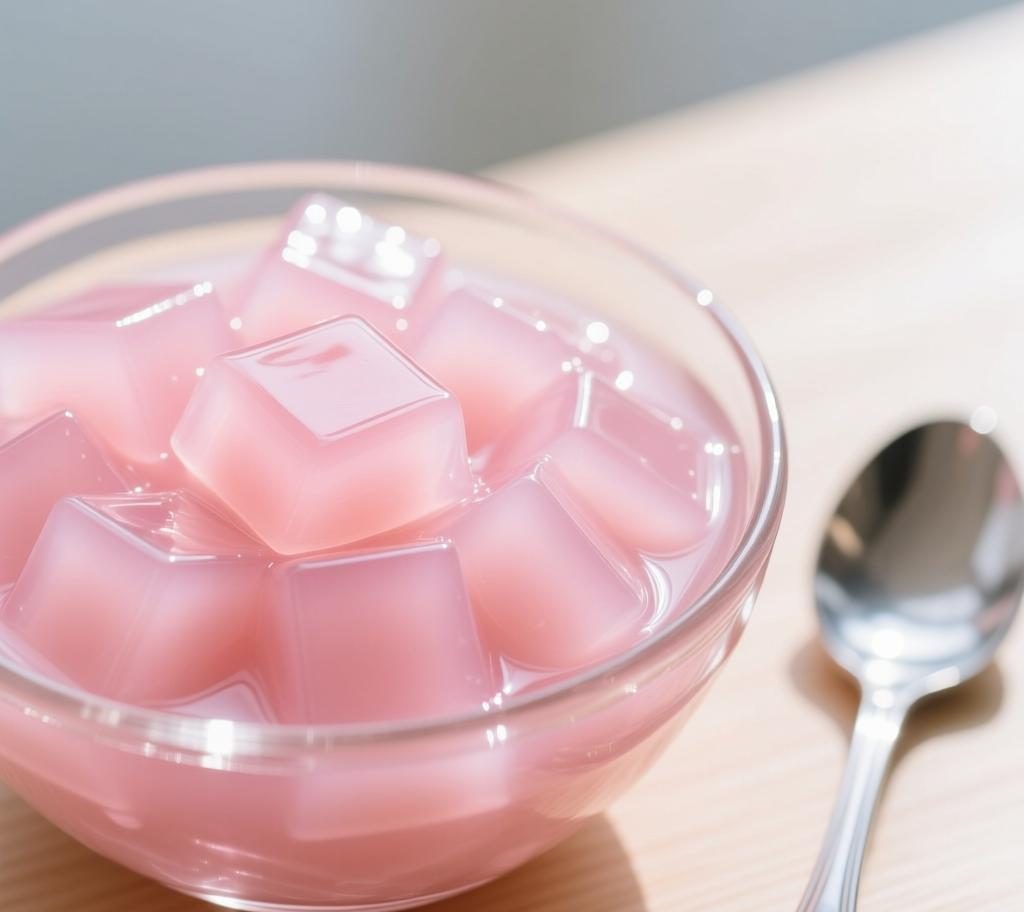
More importantly, gelatin, when consumed in a hydrated form (e.g., as a gel), dramatically increases gastric volume with relatively few calories. This distension, mimicking the feeling of a larger meal, can activate mechanoreceptors and signal fullness to the brain, potentially suppressing appetite. Finally, gelatin’s effect on gut health is being increasingly investigated.
While research is preliminary, some studies suggest gelatin may improve gut barrier function and promote the growth of beneficial gut bacteria, both of which can contribute to improved metabolic health and appetite regulation.
The Nutritional Landscape: Gelatin in the Context of a Balanced Diet
It’s vital to emphasize that gelatin is not a magic bullet for weight management. Its benefits, if any, are realized within the context of a well-balanced, nutrient-dense diet. A diet excessively reliant on processed foods, added sugars, and unhealthy fats will likely negate any positive effects gelatin might offer.
Gelatin provides approximately 35-40 calories per tablespoon (about 7-10 grams), and its protein content is around 5-10 grams. Compared to other protein sources, it’s relatively low in essential amino acids, necessitating supplementation through other dietary protein sources such as lean meats, poultry, fish, eggs, beans, and lentils.
When incorporating gelatin into a weight management plan, consider it as a supplementary tool, not a foundational element. Focus should remain on prioritizing whole, unprocessed foods, adequate hydration, regular physical activity, and sufficient sleep.
Gelatin can be used strategically – for example, consuming a gelatin-based dessert as part of a healthy meal or snack to increase satiety and potentially reduce overall calorie intake.
However, it shouldn’t be used as a replacement for essential nutrient sources. Furthermore, be mindful of added sugars in commercially prepared gelatin mixes. Opt for unflavored gelatin and sweeten naturally with fruits or minimal amounts of natural sweeteners like stevia or monk fruit.
Examining the Research on Gelatin and Satiety
While the theoretical mechanisms are plausible, robust clinical evidence supporting gelatin’s efficacy for weight management remains limited. Most studies are small-scale, short-term, and often rely on self-reported data. However, some preliminary research offers intriguing insights.
A few studies have shown that consuming a gelatin-rich beverage before a meal can reduce subsequent food intake, potentially by increasing gastric distension and promoting satiety. These studies often report statistically significant, but modest, reductions in calorie consumption.
Research also points to gelatin’s potential benefits for gut health. Studies investigating the use of collagen peptides (a hydrolyzed form of gelatin) have demonstrated improvements in gut permeability, often referred to as “leaky gut.” A compromised gut barrier can contribute to systemic inflammation, which is linked to obesity and metabolic dysfunction.
By potentially strengthening the gut barrier, gelatin may indirectly support weight management. However, it’s important to note that these studies often use collagen peptides, which are easier to digest and absorb than traditional gelatin. More research is needed to determine if the same effects apply to gelatin in its more gelatinous form.
Critically, many studies lack rigorous controls and often combine gelatin with other interventions, making it difficult to isolate gelatin’s specific contribution to weight management.
Larger, well-designed randomized controlled trials are necessary to confirm these preliminary findings and establish a clear understanding of gelatin’s role in satiety and weight regulation. Meta-analyses of existing research are also needed to synthesize the available evidence and identify potential trends.
Potential Concerns and Contraindications
While generally considered safe, gelatin consumption may not be appropriate for everyone. Individuals with allergies to beef, pork, or fish (depending on the source of the gelatin) should avoid it.
Gelatin can also cause digestive discomfort, such as bloating or diarrhea, in some individuals, particularly when consumed in large quantities. Those with kidney problems should consult their doctor before increasing their protein intake, including gelatin.
There’s a common misconception that gelatin interferes with iron absorption. While some studies suggest a temporary reduction in iron bioavailability, this effect is generally minimal and can be mitigated by consuming iron-rich foods separately from gelatin.
Individuals with iron deficiency anemia should discuss this with their healthcare provider. Furthermore, gelatin’s lack of certain essential amino acids means it shouldn’t be relied upon as a sole source of protein, especially for individuals with increased protein needs, such as athletes or those recovering from illness.
It’s also important to choose high-quality gelatin from reputable sources to minimize the risk of contaminants or additives.
Practical Applications: Recipes and Implementation Strategies
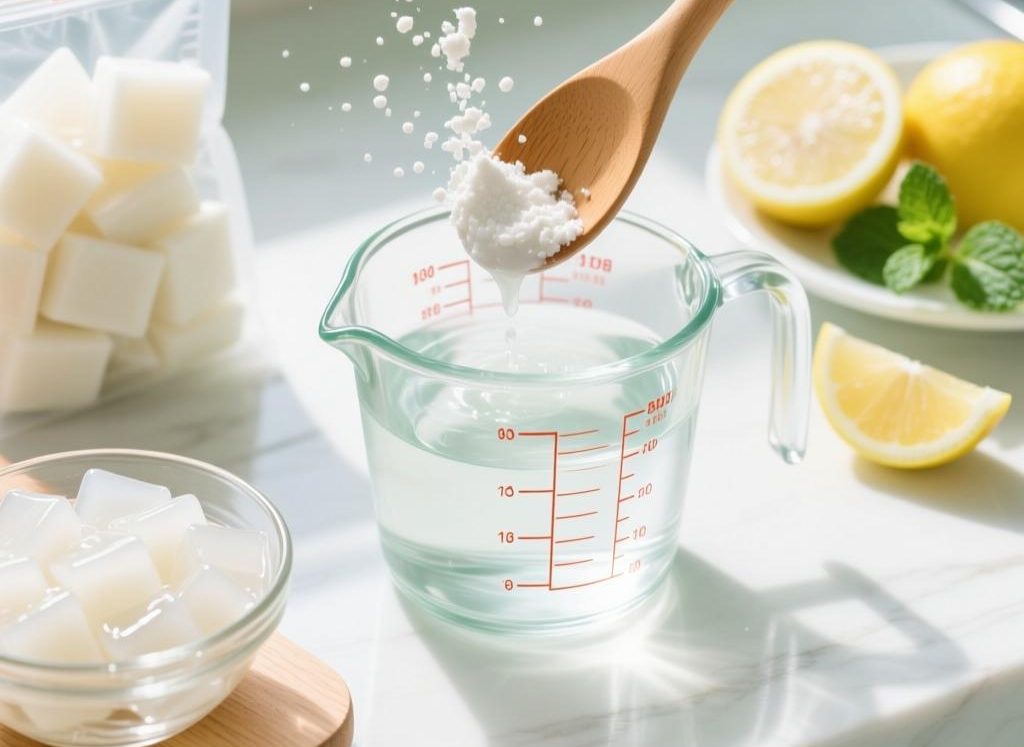
Incorporating gelatin into your diet can be surprisingly versatile. Beyond traditional gelatin desserts, it can be added to smoothies, soups, stews, and even sauces to increase thickness and add a subtle protein boost. Here are a few simple ideas:
- Berry Gelatin Parfait: Layer unsweetened gelatin with fresh berries and a dollop of Greek yogurt for a satisfying and antioxidant-rich snack.
- Clear Broth with Gelatin: Add a tablespoon of gelatin to homemade bone broth for increased collagen and protein content.
- Fruit-Infused Gelatin: Infuse gelatin with natural fruit juice and pieces of fresh fruit for a flavorful and hydrating dessert.
- Gelatin Gummies (Sugar-Free): Make your own sugar-free gummies using gelatin, fruit juice, and a natural sweetener like stevia.
Start slowly, introducing a small amount of gelatin into your diet and gradually increasing the quantity as tolerated. Pay attention to your body’s response and adjust accordingly. The key is to experiment with different recipes and find ways to incorporate gelatin into your existing dietary pattern in a sustainable and enjoyable manner.
Gelatin, Gut Hormones, and the GLP-1/GIP Connection
While the mechanisms of how gelatin might contribute to satiety have traditionally focused on gastric distension and its amino acid profile, emerging research suggests a more nuanced interaction – one involving the activation of key gut hormones, particularly glucagon-like peptide-1 (GLP-1) and glucose-dependent insulinotropic polypeptide (GIP).
These incretin hormones play a crucial role in regulating appetite, glucose homeostasis, and ultimately, weight management.
Understanding GLP-1 and GIP: The Incretin Effect
GLP-1 and GIP are released from the L-cells and K-cells of the small intestine in response to nutrient ingestion. They amplify insulin secretion in a glucose-dependent manner – meaning they enhance insulin release when blood sugar levels are high, but not when they are normal.
This prevents hypoglycemia. More importantly for weight management, both hormones act on the brain to promote satiety, reduce appetite, and slow gastric emptying, contributing to a feeling of fullness and reduced caloric intake. They also have been shown to have a protective effect on pancreatic beta cells, potentially delaying the progression of type 2 diabetes.
How Gelatin May Activate GLP-1 and GIP
The connection between gelatin and these incretin hormones isn’t direct in the way that, say, fiber fermentation stimulates GLP-1 release. Instead, it appears to be mediated through a combination of factors.
Firstly, the unique amino acid composition of gelatin, specifically its high glycine and proline content, may influence gut microbiome composition. A healthy and diverse gut microbiome is increasingly recognized as crucial for optimal GLP-1 and GIP secretion.
Certain gut bacteria are known to enhance incretin production, and gelatin may foster the growth of these beneficial strains.
Secondly, the gel-forming properties of gelatin are critical. When ingested, gelatin forms a viscous gel in the stomach. This slows down the rate of gastric emptying, prolonging the exposure of nutrients to the intestinal L-cells and K-cells. This prolonged stimulation is theorized to enhance the release of GLP-1 and GIP.
It’s similar, though not identical, to the mechanism by which high-fiber foods and resistant starches promote incretin secretion. The slower digestion also provides a more sustained release of amino acids, potentially contributing to a more prolonged satiety signal.
Thirdly, the structural similarity between gelatin and collagen found in the gut lining might contribute to improved gut barrier function. A “leaky gut” is associated with chronic inflammation and impaired incretin secretion. By potentially strengthening the gut barrier, gelatin may create a more favorable environment for optimal gut hormone production.
Gelatin Frequently Asked Questions (FAQ)
What exactly is gelatin?
Gelatin is a protein derived from collagen, a structural protein found in the skin, bones, and connective tissues of animals. It’s created through a process of partial hydrolysis – essentially breaking down the collagen into smaller, more digestible components. This process gives gelatin its unique gelling properties.
Is gelatin vegetarian or vegan?
No, traditional gelatin is not vegetarian or vegan. It’s derived from animal sources – typically pork or beef. However, there are vegan alternatives available, often made from seaweed (agar-agar) or other plant-based sources like pectin.
What are the potential health benefits of gelatin?
Beyond potential effects on satiety and gut health (as discussed previously), gelatin is thought to support joint health due to its collagen content. Some people use it to improve skin elasticity and reduce wrinkles. It’s also a source of protein and can contribute to overall dietary intake. However, it’s important to remember that more research is needed to confirm many of these benefits.
Is gelatin safe for everyone?
Generally, gelatin is considered safe for most people when consumed in moderate amounts. However, some individuals may experience mild digestive discomfort, such as bloating or diarrhea, especially when starting to consume it. People with allergies to animal products should avoid gelatin. It’s also advisable to consult a doctor before adding gelatin to your diet if you have any underlying medical conditions.
How much gelatin should I consume?
There’s no established recommended daily intake of gelatin. Amounts used in recipes vary widely. In studies exploring its potential benefits, doses have ranged from a few grams to 20 grams per day. It’s best to start with a small amount (e.g., 1-2 tablespoons of powdered gelatin) and gradually increase it as tolerated. Listen to your body and adjust accordingly.
What’s the difference between gelatin and collagen peptides?
Both are derived from collagen, but they differ in their molecular weight and how they are processed. Collagen peptides (also known as hydrolyzed collagen) are broken down into smaller fragments than gelatin. This makes them more readily absorbed by the body and often results in a less viscous consistency when dissolved in liquid. Collagen peptides are often preferred for use in beverages and smoothies, while gelatin is better suited for creating gelling textures.
Can I take gelatin with other supplements?
In most cases, gelatin doesn’t interact negatively with other supplements. However, it’s always best to check with your doctor or pharmacist before combining supplements, especially if you’re taking any medications.
Where can I buy gelatin?
Gelatin is widely available in most supermarkets, health food stores, and online retailers. It’s typically sold in powdered or sheet form. Look for high-quality gelatin from reputable brands.
Are there any side effects of consuming too much gelatin?
Consuming very large amounts of gelatin can potentially lead to digestive upset, such as constipation or diarrhea. It’s also a relatively high-protein food, so excessive intake could put a strain on the kidneys in individuals with pre-existing kidney problems. Moderation is key.
Does gelatin have a taste?
Unflavored gelatin is essentially tasteless. However, it can pick up flavors from the liquids or ingredients it’s mixed with. Some people describe a very subtle, slightly sweet taste.