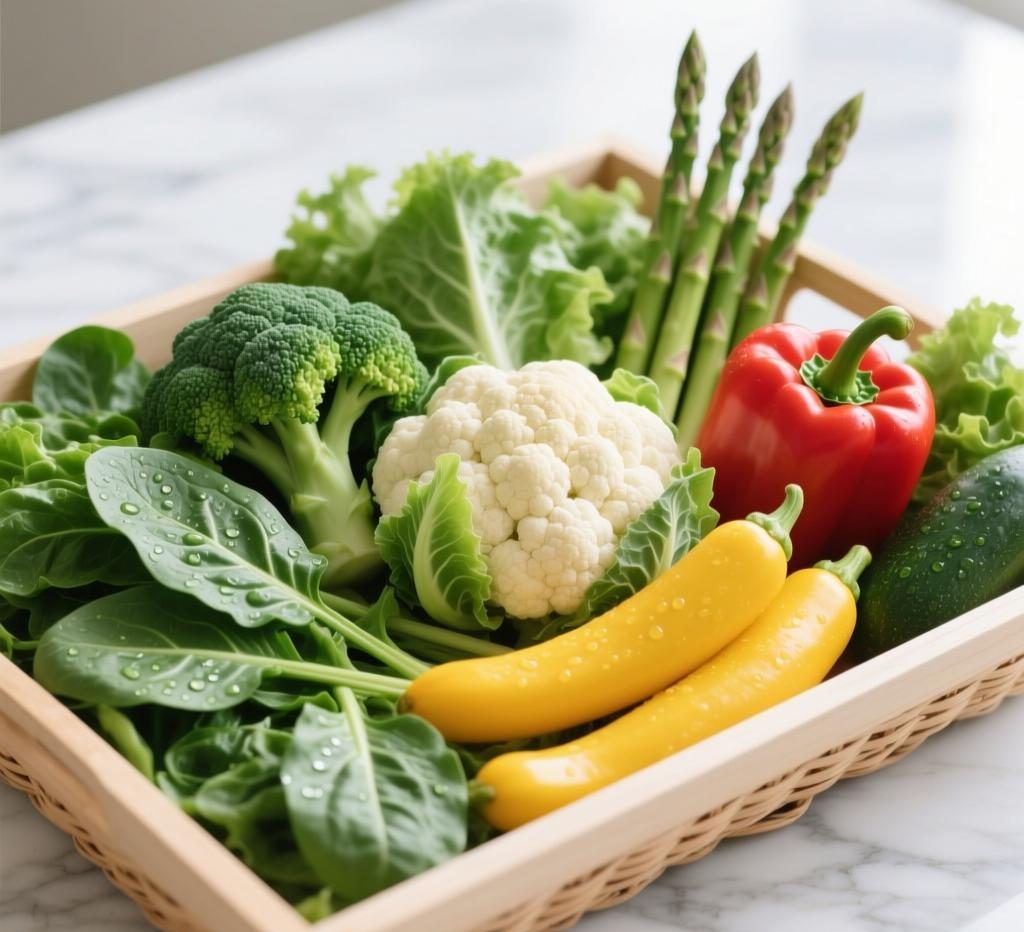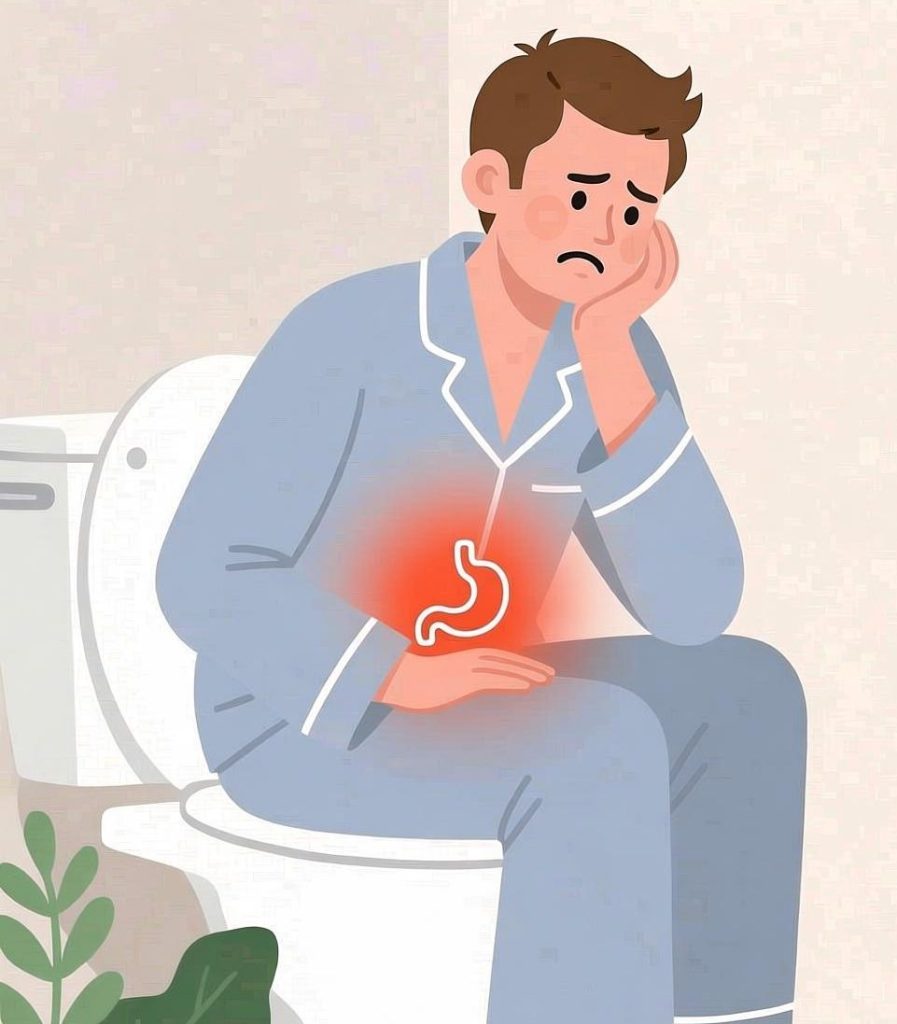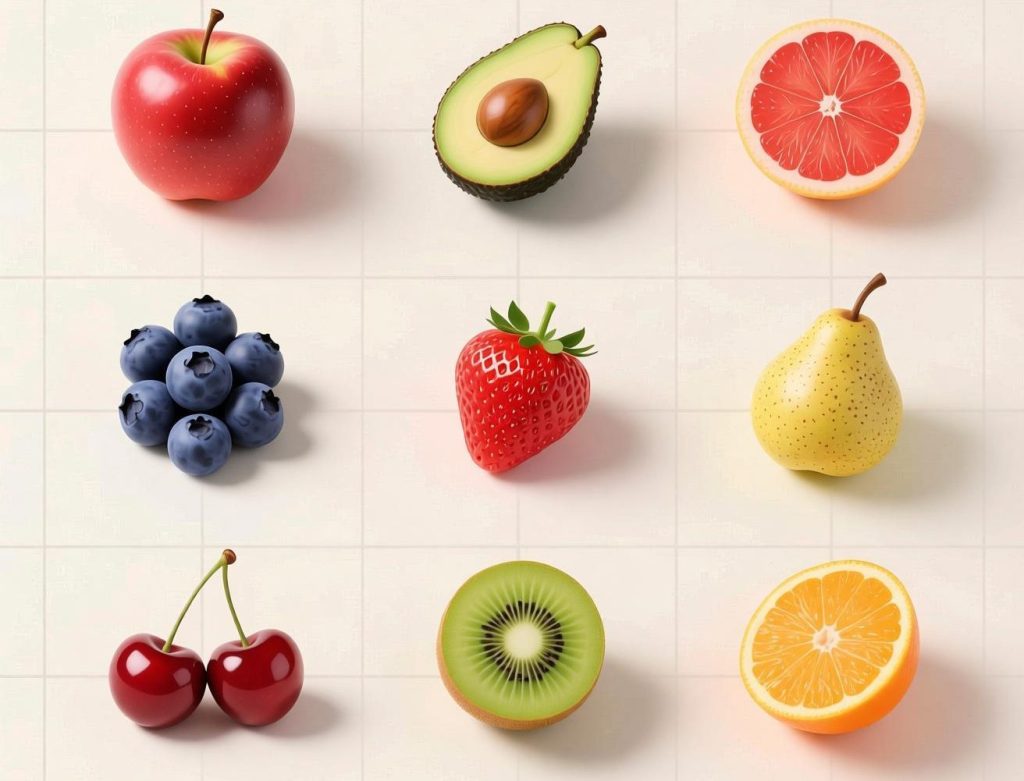
The average person eats around 15 grams a day, while health experts recommend 25 to 38 grams. That gap matters more than you might think, especially if you’re trying to lose weight or your digestion feels, well, sluggish. The good news? You don’t need fancy powders or expensive supplements.
You just need a handful of simple, tasty recipes that sneak more fiber onto your plate without making you feel like you’re on a diet. As a nutritionist, these are the eight dishes I recommend most often to my clients—and the ones they actually keep making.
Why Fiber Is a Weight-Loss Secret Weapon
Fiber helps you lose weight in a few surprisingly powerful ways. First, high-fiber foods take longer to chew and digest, so you feel full faster and stay full longer.
Second, fiber slows down how quickly sugar enters your bloodstream, which means fewer energy crashes and less “I’m starving” snacking at 4 p.m. Third, fiber-rich foods tend to be lower in calories for their volume—you can eat a big, satisfying bowl of food for the same calories as a small, processed snack.
Think of it this way: a 200-calorie bag of chips disappears in minutes and leaves you hungry an hour later, while 200 calories of lentil soup fills you up for hours. When you feel full, you naturally eat less without counting a single calorie. That’s why fiber is one of the easiest, most sustainable tools for slimming down.
Your Gut Will Thank You
Fiber isn’t just about weight—it’s the fuel your digestive system runs on. Soluble fiber (found in oats, beans, apples, and citrus) absorbs water and softens stool, making things move smoothly. Insoluble fiber (found in whole grains, veggie skins, and leafy greens) adds bulk and acts like a broom sweeping through your intestines.
Fiber also feeds the trillions of beneficial bacteria in your gut. When those microbes are well-fed, they produce short-chain fatty acids that support gut lining health, reduce inflammation, and may even improve your mood.
A happy gut means less bloating, more regular bathroom trips, and better nutrient absorption. If things have been feeling “backed up,” fiber combined with plenty of water is nature’s gentlest fix.
The 8 Recipes That Do the Heavy Lifting
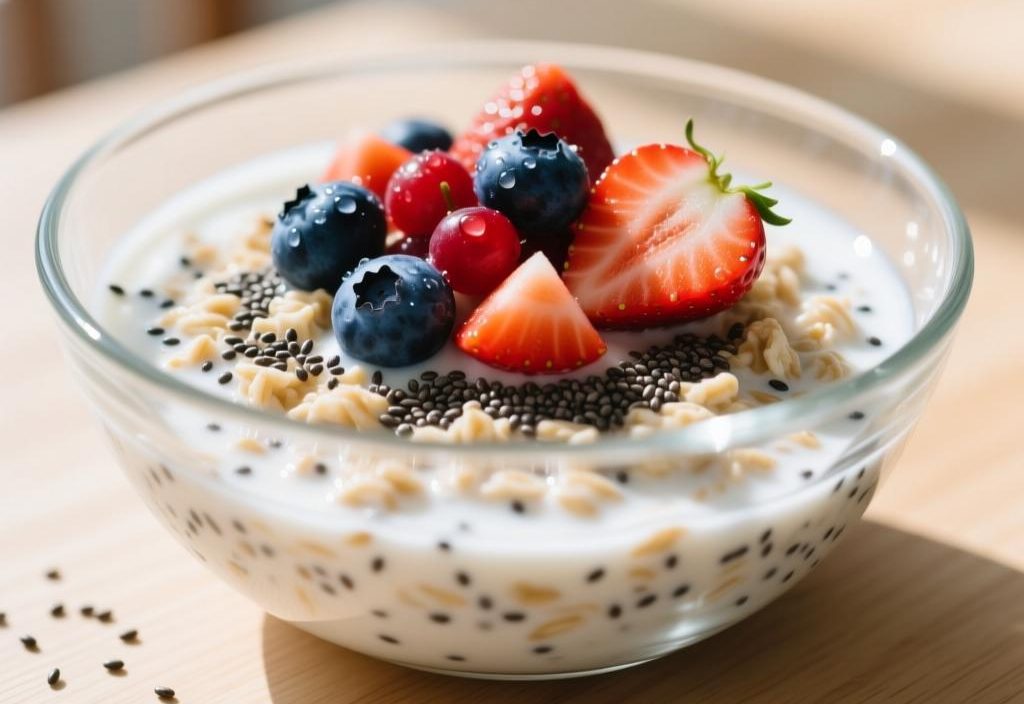
1. Overnight Berry Oats with Chia Seeds
Combine half a cup of rolled oats, one cup of milk (dairy or plant-based), two tablespoons of chia seeds, and a handful of berries in a jar. Refrigerate overnight, and breakfast is ready before you are. This bowl delivers roughly 12 grams of fiber, plus protein and omega-3s from the chia.
- Best for: busy mornings when you’d otherwise grab a pastry
- Fiber boost tip: top with sliced pear for an extra 5 grams
2. Hearty Lentil Soup
Sauté onion, carrot, and celery, then add a cup of dried lentils, four cups of vegetable broth, and your favorite spices. Simmer for 30 minutes. One bowl gives you about 16 grams of fiber and 18 grams of filling plant protein. Lentils are cheap, shelf-stable, and impossible to mess up.
3. Black Bean Tacos
Warm corn tortillas, then fill them with seasoned black beans, avocado, salsa, and shredded cabbage. Black beans pack around 15 grams of fiber per cup, and the cabbage adds crunch plus more roughage. This is proof that “healthy” and “fun dinner” aren’t opposites.
4. Roasted Veggie and Quinoa Bowl
Roast broccoli, sweet potato, and chickpeas with olive oil and smoked paprika, then serve over quinoa with a squeeze of lemon. Quinoa is a whole grain with 5 grams of fiber per cup, and chickpeas add another 12. It’s a meal-prep champion that stays good for four days in the fridge.
5. Pear and Spinach Smoothie
Blend one pear (skin on!), a big handful of spinach, half a frozen banana, a tablespoon of flaxseed, and water or almond milk. Pears are one of the highest-fiber fruits at nearly 6 grams each, and you won’t taste the spinach—promise. It’s an easy win for people who don’t love vegetables.
6. Avocado Whole-Grain Toast with Everything Bagel Seasoning
Yes, it’s trendy—but it earned the hype. Half an avocado on whole-grain bread delivers about 9 grams of fiber plus healthy fats that keep you satisfied. Add a poached egg for protein and you’ve got a balanced meal in under 10 minutes.
7. Mediterranean Chickpea Salad
Toss chickpeas with diced cucumber, tomato, red onion, parsley, olive oil, and lemon juice. No cooking required, and it gets better as it sits. One serving provides about 10 grams of fiber, making it perfect for lunchboxes or quick desk lunches.
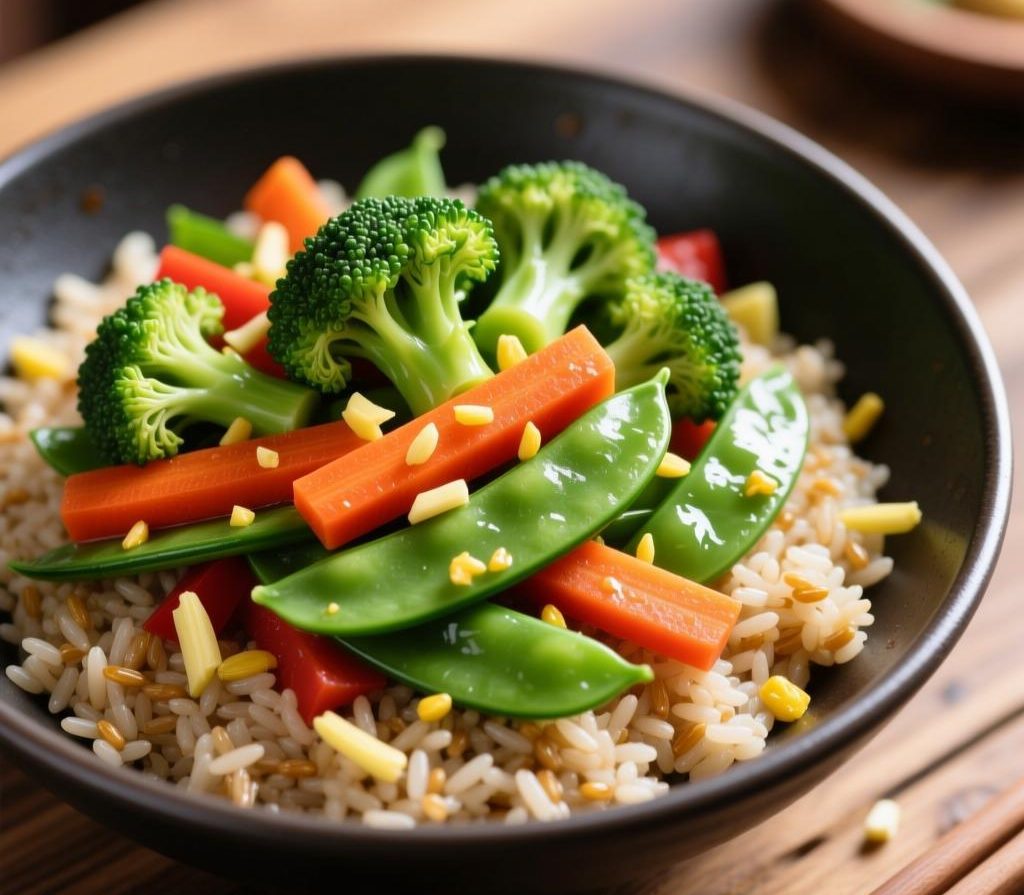
8. Broccoli and Brown Rice Stir-Fry
Stir-fry broccoli, snap peas, and carrots with garlic and ginger, then serve over brown rice with a splash of low-sodium soy sauce. Brown rice has four times the fiber of white, and the veggies pile on even more. Dinner on the table in 20 minutes.
How These Recipes Stack Up
| Recipe | Approx. Fiber (per serving) | Best Meal | Prep Time |
|---|---|---|---|
| Berry Overnight Oats | 12 g | Breakfast | 5 min + overnight |
| Lentil Soup | 16 g | Lunch/Dinner | 40 min |
| Black Bean Tacos | 15 g | Dinner | 15 min |
| Quinoa Veggie Bowl | 17 g | Lunch | 35 min |
| Pear Spinach Smoothie | 9 g | Breakfast | 5 min |
| Avocado Toast | 9 g | Breakfast | 10 min |
| Chickpea Salad | 10 g | Lunch | 10 min |
| Broccoli Stir-Fry | 8 g | Dinner | 20 min |
How to Actually Stick With It
Knowing recipes and eating them are two different things. Here’s the strategy I give my busiest clients. Pick two breakfast recipes and two lunch or dinner recipes from the list above, and rotate them through the week.
Batch-cook the lentil soup and quinoa bowl on Sunday so healthy food is always easier to grab than takeout. Keep frozen berries, canned beans, and oats in the pantry as your fiber insurance policy.
One critical rule: drink more water as you add fiber. Fiber works like a sponge—without enough fluid, it can actually make constipation worse. Aim for at least eight glasses a day, especially if you’re new to high-fiber eating.
The Mistakes That Sabotage Your Fiber Efforts
- Going from zero to 35 grams overnight—ramp up over two weeks to avoid bloating and gas
- Choosing “fiber-fortified” processed bars instead of whole foods, which miss out on antioxidants and other nutrients
- Peeling produce unnecessarily—apple and pear skins hold a large share of the fiber
- Forgetting protein—a fiber-only meal leaves you hungry again in two hours
- Sipping juice instead of eating whole fruit, which strips away nearly all the fiber
Frequently Asked Questions
How quickly will I notice digestive changes?
Most people notice more regular bowel movements within two to three days of increasing fiber, especially when paired with good hydration. Full benefits for gut bacteria and reduced bloating typically take two to three weeks. If you feel gassy early on, that’s normal—your gut microbes are adjusting. Slow down, keep going, and it usually settles.
Can I eat too much fiber?
It’s possible but rare with whole foods. Consistently eating over 50 to 60 grams a day without enough water can cause bloating, gas, or loose stools, and very high intakes over long periods may reduce absorption of minerals like iron and zinc. Staying in the 25-to-38-gram range—which these recipes make easy—is the sweet spot for nearly everyone.
Will high-fiber meals help me lose belly fat specifically?
No food spot-reduces fat, but fiber supports overall fat loss, and visceral belly fat often responds well. Soluble fiber in particular forms a gel that slows digestion and modestly reduces visceral fat over time, according to research. Combine these recipes with regular movement and adequate sleep, and your waistline will respond better than with fiber alone.
What if I don’t like beans or whole grains?
You have options. Berries, pears, apples with skin, avocado, broccoli, carrots, chia and flaxseeds, and popcorn (yes, popcorn—it’s a whole grain with 4 grams per 3-cup serving) are all bean-free fiber sources. Start with the smoothie and avocado toast, then gradually introduce beans in small amounts. Your palate adapts faster than you’d expect.
The Bottom Line
You don’t need a complicated plan to slim down or fix sluggish digestion. You need real food, a little prep, and recipes you actually look forward to eating.
Start with one or two of these dishes this week, drink your water, and let the fiber do what it does best: keep you full, keep things moving, and quietly transform your health one meal at a time. Your gut—and your jeans—will notice the difference.