Sexual wellness is an essential component of overall health, yet it is often overlooked in everyday conversations about nutrition and lifestyle. While many factors influence intimacy—ranging from hormonal balance to emotional connection—hydration plays a surprisingly significant role.
Among natural beverages, coconut water has gained attention as a nutrient-rich drink that may support circulation, energy levels, and stamina. In this article, we explore how coconut water can contribute to sexual wellness from nutritional, physiological, and lifestyle perspectives, while also addressing common questions and misconceptions.
What Is Coconut Water and Why Does Hydration Matter for Intimacy?
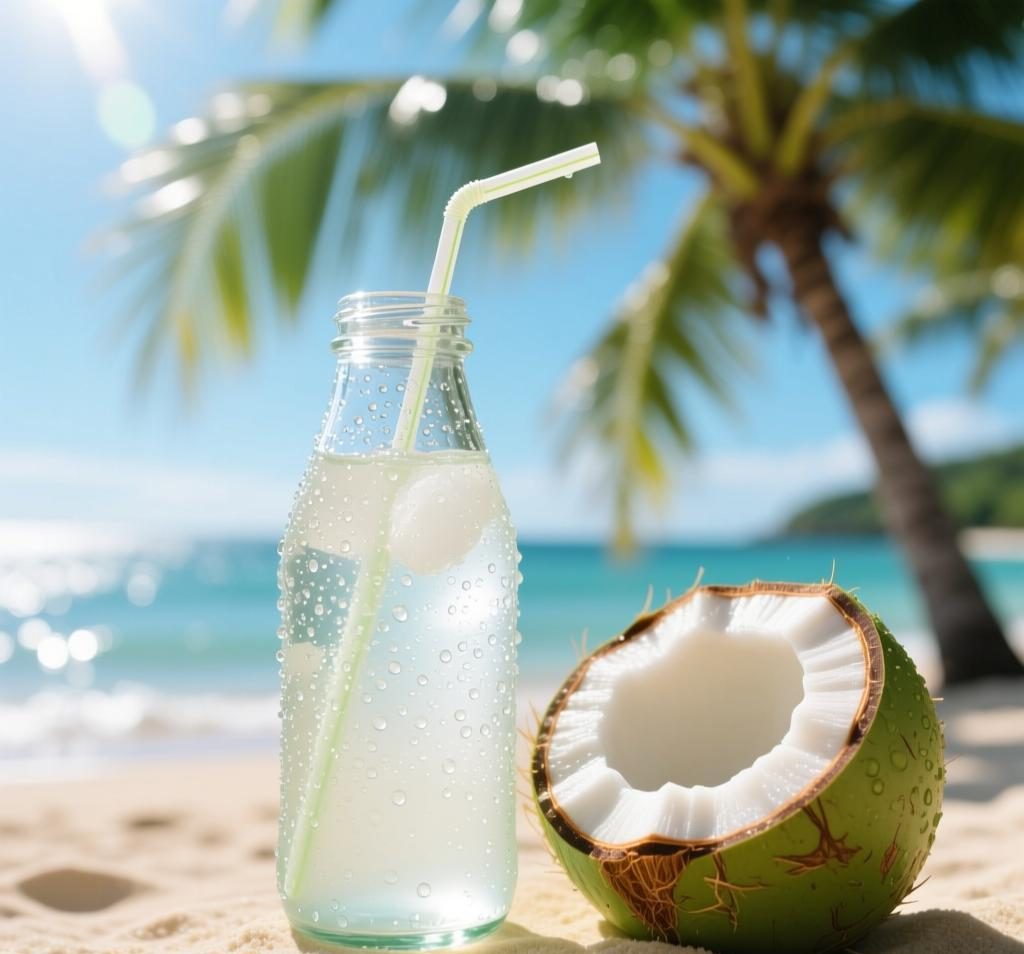
Coconut water is the clear liquid found inside young, green coconuts. Unlike coconut milk, which is extracted from the flesh of mature coconuts, coconut water is naturally low in fat and calories while being rich in electrolytes such as potassium, magnesium, and sodium. It has been used for centuries in tropical regions as a refreshing and restorative drink.
Hydration is fundamental to sexual health for several reasons. Blood volume, circulation, and nerve sensitivity all depend on adequate fluid intake.
Even mild dehydration—as little as 1–2% of body weight—can lead to fatigue, reduced concentration, mood disturbances, and decreased blood flow, all of which can negatively affect libido and sexual performance.
Since sexual arousal relies heavily on healthy blood flow, staying well-hydrated is a simple yet powerful way to support intimate wellness.
- Blood flow: Arousal in both men and women depends on vascular function; dehydration reduces plasma volume and can impair circulation.
- Energy: Fatigue from fluid loss diminishes stamina and desire.
- Hormone regulation: Dehydration can elevate cortisol, a stress hormone that suppresses sex hormones like testosterone and estrogen.
- Mucus production: Proper hydration supports natural lubrication, enhancing comfort during intimacy.
What is Special About Coconut Water?
From a nutritional standpoint, coconut water offers a unique combination of electrolytes, antioxidants, and micronutrients that may indirectly support sexual wellness. The table below summarizes the key nutrients found in one cup (approximately 240 ml) of fresh coconut water:
| Nutrient | Amount per Cup | Relevance to Sexual Wellness |
|---|---|---|
| Potassium | ~600 mg | Supports healthy blood pressure and vascular function, essential for arousal and erectile health |
| Magnesium | ~60 mg | Involved in testosterone production, muscle relaxation, and energy metabolism |
| Sodium | ~105 mg | Maintains fluid balance and supports nerve signal transmission |
| Vitamin C | ~24 mg | Antioxidant that protects blood vessels and supports nitric oxide production |
| Calcium | ~58 mg | Supports nerve function and muscle contractions |
| Natural sugars | ~6 g | Provides quick, natural energy without a sugar crash |
Potassium and magnesium are particularly noteworthy. Potassium helps counteract the effects of sodium, promoting vasodilation and smoother blood flow.
Magnesium, meanwhile, plays a role in over 300 enzymatic reactions, including those involved in hormone synthesis and energy production.
Additionally, coconut water contains cytokinins and other antioxidants that help combat oxidative stress—a known contributor to endothelial dysfunction, which can impair erectile function and arousal.
How Coconut Water May Enhance Circulation and Sexual Performance?
The connection between coconut water and sexual performance is largely indirect but meaningful. Sexual arousal and function depend on the cardiovascular system. The same mechanisms that support heart health—good circulation, balanced blood pressure, and healthy blood vessels—are also critical for sexual response.
Coconut water supports these mechanisms in several ways:
- Blood pressure regulation: The high potassium-to-sodium ratio helps maintain healthy blood pressure, reducing strain on blood vessels.
- Nitric oxide support: Vitamin C and antioxidants in coconut water help preserve endothelial health, which is essential for nitric oxide production—the molecule responsible for blood vessel dilation during arousal.
- Improved exercise recovery: As a natural electrolyte drink, coconut water can aid post-workout recovery. Regular physical activity is strongly linked to improved libido, stamina, and sexual satisfaction.
- Stress reduction: Magnesium has calming properties that may help reduce anxiety, a common psychological barrier to satisfying intimacy.
It is important to note that coconut water is not a treatment for erectile dysfunction or low libido caused by underlying medical conditions. However, as part of a balanced diet and healthy lifestyle, it can be a valuable ally for those seeking natural ways to support their intimate wellness.
The Importance of Staying Hydrated
Beyond circulation, sexual wellness is deeply influenced by hormones, energy levels, and psychological well-being. From a mind-body perspective, feeling hydrated, refreshed, and energized naturally enhances confidence and desire.
Chronic dehydration elevates cortisol, the body’s primary stress hormone. Elevated cortisol suppresses the production of testosterone in men and can disrupt estrogen and progesterone balance in women, leading to reduced libido for both sexes.
By supporting proper hydration, coconut water may help keep cortisol in check, creating a more favorable hormonal environment for intimacy.
Additionally, the natural sugars and electrolytes in coconut water provide a gentle energy boost without the jitters associated with caffeine. This can be particularly beneficial as a pre-intimacy refreshment—a healthier alternative to sugary energy drinks or alcohol, which can impair sexual function over time.
- For men: Adequate hydration and magnesium intake support testosterone synthesis and sperm health.
- For women: Proper fluid balance aids natural lubrication and may reduce discomfort during intimacy.
- For couples: Sharing healthy habits, such as choosing nutritious beverages together, can strengthen emotional connection and communication.
How to Incorporate Coconut Water Into Your Daily Routine?
Adding coconut water to your lifestyle is simple and versatile. Here are some practical, dietitian-approved ways to enjoy its benefits:
| Time of Day | Suggested Use | Benefit |
|---|---|---|
| Morning | Drink a glass on an empty stomach | Rehydrates the body after sleep and kick-starts metabolism |
| Pre-workout | Consume 30 minutes before exercise | Provides electrolytes for stamina and endurance |
| Post-workout | Drink after physical activity | Replenishes lost electrolytes and aids recovery |
| Evening | Blend into a smoothie with banana and berries | Magnesium and potassium may promote relaxation and better sleep |
When selecting coconut water, choose 100% pure varieties without added sugars or artificial flavors. Fresh coconut water from young green coconuts is ideal, but high-quality packaged options are also acceptable.
Moderation is key—one to two cups per day is generally sufficient, as excessive intake could contribute to high potassium levels in individuals with kidney concerns.
Is Coconut Water Better Than Sports Drinks for Sexual Wellness?
Many people wonder whether coconut water truly outperforms commercial sports drinks. From a nutritional perspective, coconut water offers several advantages: it is lower in calories, contains no artificial dyes or sweeteners, and provides naturally occurring potassium at levels often higher than typical sports drinks. For everyday hydration and light to moderate exercise, coconut water is an excellent, natural choice.
However, for intense, prolonged athletic activity, commercial sports drinks may offer higher sodium levels that better replace sweat losses.
For the purposes of general wellness and intimacy support, coconut water’s balanced electrolyte profile and antioxidant content make it a superior everyday option. Its benefits are cumulative—consistent hydration over weeks and months supports the vascular and hormonal health that underpins satisfying intimacy.
Can Drinking Coconut Water Improve Low Libido?
This is one of the most common questions, and the honest answer is nuanced. Coconut water is not an aphrodisiac in the traditional sense, and no scientific evidence suggests it directly stimulates sexual desire.
However, low libido is frequently linked to fatigue, dehydration, stress, and poor circulation—all factors that coconut water can help address.
By improving hydration status, supporting healthy blood pressure, supplying magnesium for hormone production, and providing clean energy, coconut water creates favorable internal conditions for a healthy sex drive.
Think of it as one piece of a larger wellness puzzle that includes quality sleep, regular exercise, stress management, and open communication with your partner. When these elements work together, improvements in libido and sexual satisfaction often follow naturally.
How Much Coconut Water Should I Drink Daily for Best Results?
For most healthy adults, one to two cups (240–480 ml) of coconut water per day is a reasonable and beneficial amount. This provides a meaningful dose of potassium and magnesium without excessive calories or natural sugars.
Athletes or individuals living in hot climates may benefit from slightly more, especially around periods of physical exertion.
Certain individuals should exercise caution. People with kidney disease, those taking potassium-sparing diuretics or blood pressure medications, and individuals with hyperkalemia (high blood potassium) should consult their doctor before consuming coconut water regularly.
Diabetics should also monitor intake due to its natural sugar content, though it remains lower in sugar than most fruit juices.
Are There Any Side Effects or Risks of Drinking Coconut Water?
Coconut water is generally safe and well-tolerated, but awareness of potential risks is important:
- Potassium overload: Excessive consumption may be dangerous for people with impaired kidney function.
- Caloric content: While low, coconut water still contains calories; drinking large amounts daily could contribute to weight gain.
- Allergies: Though rare, some individuals with coconut allergies should avoid it.
- Interactions: It may interact with certain medications, including some antihypertensives and diuretics.
As with any dietary change, moderation and individual circumstances matter. If you have chronic health conditions or take prescription medications, discuss coconut water consumption with your healthcare provider.
Conclusion
Coconut water is not a magic potion for sexual wellness, but it is a genuinely valuable natural beverage that supports the foundations of a healthy intimate life: hydration, circulation, hormonal balance, and energy. Its rich electrolyte content, antioxidant properties, and refreshing taste make it an easy addition to any wellness routine.
When combined with regular exercise, balanced nutrition, quality sleep, and emotional connection, coconut water can play a supportive role in helping you feel energized, confident, and ready for intimacy.
True sexual wellness is built on everyday habits—and choosing natural hydration is one of the simplest, most enjoyable steps you can take.