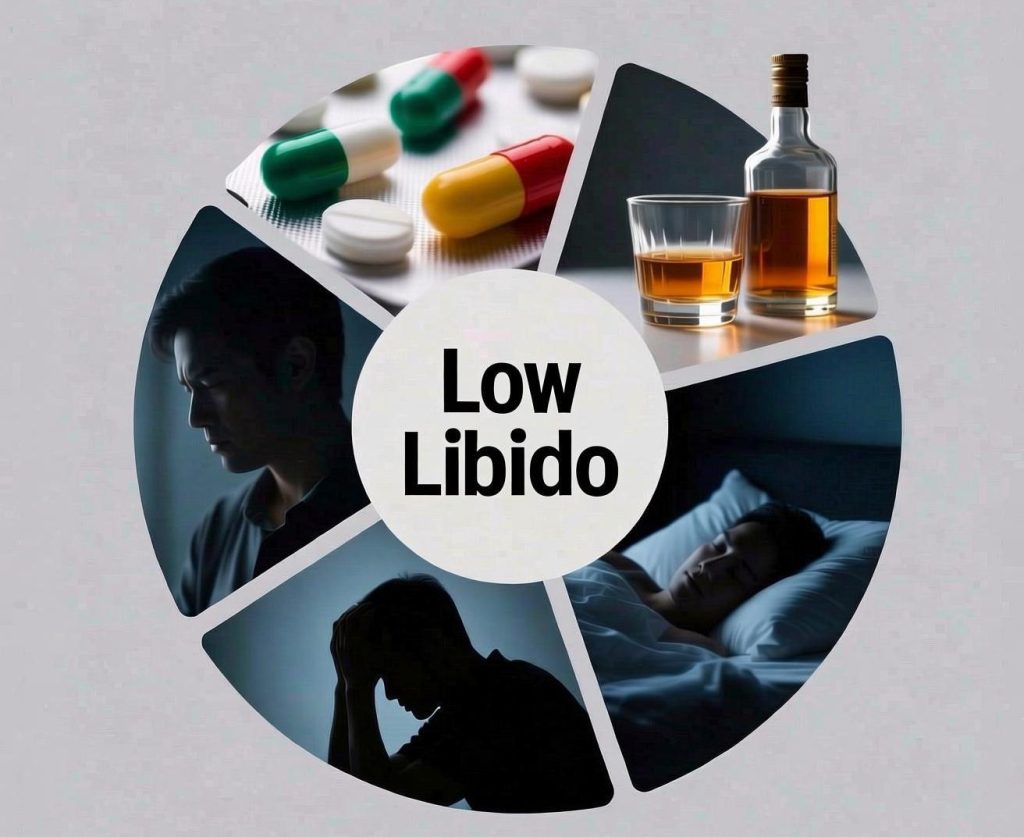
Understanding DHEA and its Role in the Body
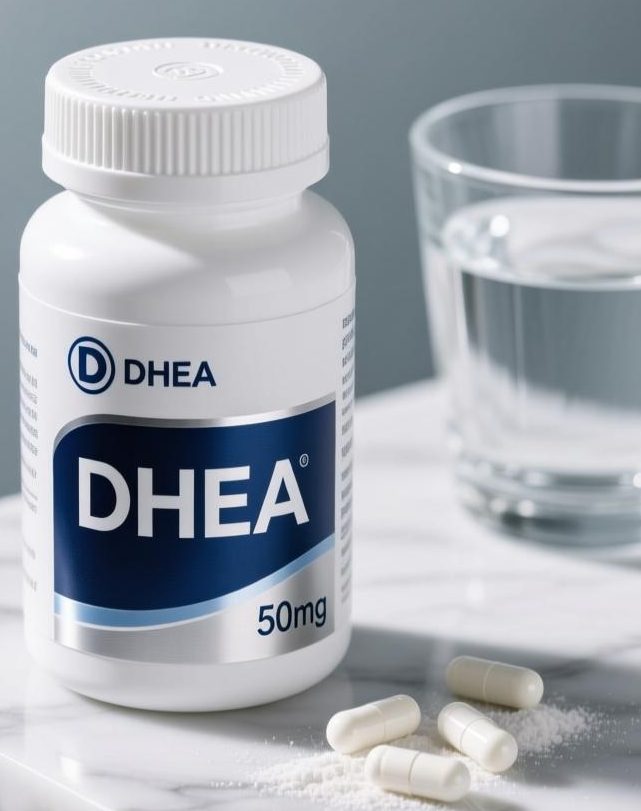
Dehydroepiandrosterone (DHEA) is a naturally occurring hormone produced primarily by the adrenal glands. It acts as a precursor hormone, meaning it’s a building block that the body uses to synthesize other, more potent hormones like testosterone and estrogen. While DHEA itself has relatively weak hormonal activity, its role in the endocrine system is significant.
It’s involved in numerous physiological processes beyond sexual function, including bone density, immune function, muscle strength, and cognitive health. DHEA levels naturally peak in early adulthood and gradually decline with age, often beginning around age 25. This decline is a normal part of aging, but its rate and impact can vary widely between individuals.
The precise mechanisms by which DHEA exerts its effects are complex and not fully understood. It appears to influence hormone receptor sensitivity and may affect the availability of other hormones within cells.
Some research suggests DHEA can stimulate the production of testosterone, particularly in men with low testosterone levels. However, this effect isn’t universal and is heavily influenced by individual factors, including baseline hormone levels, age, and overall health.
DHEA Deficiency and Male Sexual Dysfunction: A Potential Link
Male sexual dysfunction encompasses a range of issues, including erectile dysfunction (ED), decreased libido (sexual desire), and premature ejaculation.
While these conditions can have numerous causes – psychological, vascular, neurological, and hormonal – the declining DHEA levels associated with aging are increasingly implicated as a contributing factor in some cases.
It’s important to distinguish between a direct causal relationship and a correlational one; just because DHEA levels are lower in men experiencing sexual dysfunction doesn’t automatically prove that DHEA deficiency causes the dysfunction.
Historically, clinicians observed that some men experiencing sexual dysfunction, particularly those with low testosterone or experiencing age-related decline, showed improvement with DHEA supplementation. This led to investigations examining the potential role of DHEA in addressing these issues.
The hypothesis is that DHEA might help restore hormonal balance or improve the body’s responsiveness to other hormones, thereby mitigating some aspects of sexual dysfunction. However, results have been mixed and often confounded by other underlying health conditions.
The Evidence: Examining Research on DHEA and Erectile Dysfunction
Research on DHEA and erectile dysfunction has yielded inconsistent findings. Some early studies, often smaller in scale, suggested a potential benefit of DHEA supplementation on ED, especially in men with low DHEA levels and accompanying hormonal imbalances.
These studies frequently reported improvements in erectile rigidity, frequency of spontaneous erections, and overall sexual satisfaction. However, these positive results were often not consistently replicated in larger, more rigorously controlled clinical trials.
A significant challenge in interpreting this research is the heterogeneity of the study populations. Men with ED have diverse underlying etiologies, and DHEA may only be beneficial for a specific subgroup – those with a demonstrable DHEA deficiency contributing to their ED.
Furthermore, many studies lack adequate blinding (where participants and researchers are unaware of who is receiving DHEA versus a placebo), which introduces the potential for bias.
More recent systematic reviews and meta-analyses (studies that combine data from multiple trials) have generally concluded that there is insufficient evidence to recommend DHEA for the treatment of erectile dysfunction in the general male population. The effect sizes, when positive, are often small, and the potential risks (discussed later) need to be carefully considered.
DHEA and Libido: A More Promising Area of Investigation?
The evidence for DHEA’s effect on libido (sexual desire) appears somewhat more encouraging than the data on ED. Several studies, particularly those focusing on men experiencing age-related decline in sexual desire, have demonstrated a potential benefit from DHEA supplementation.
In some cases, men reported increased sexual interest, improved mood, and a greater sense of well-being. While the mechanisms are unclear, it’s hypothesized that DHEA may influence neurotransmitter systems in the brain involved in sexual motivation and reward. The effect on mood could also play a significant role, as depression and anxiety are known to suppress libido.
Again, it’s critical to acknowledge that these findings are not definitive. The studies are often relatively small, and the subjective nature of libido makes objective measurement challenging. Furthermore, it’s difficult to isolate DHEA’s effect from other factors contributing to decreased sexual desire, such as relationship issues, stress, and underlying medical conditions.
Perspectives: What Experts Are Saying
The Endocrinologist’s View
Endocrinologists, who specialize in hormone disorders, generally approach DHEA supplementation with caution. While acknowledging the role of DHEA in the endocrine system, they emphasize the importance of accurate diagnosis and individualized treatment. They typically recommend a thorough evaluation of hormone levels (DHEA, DHEA-S, testosterone, estrogen, cortisol) and other relevant biomarkers before considering DHEA supplementation. They also stress the potential for adverse effects and the need for careful monitoring.
The Urologist’s View
Urologists, who treat male reproductive health conditions, often encounter patients seeking solutions for sexual dysfunction. While some urologists may be willing to prescribe DHEA based on clinical experience or anecdotal evidence, a growing number advocate for a more evidence-based approach, emphasizing lifestyle modifications, behavioral therapies, and other proven treatments before resorting to hormone supplementation. They are also acutely aware of the potential legal and ethical considerations surrounding hormone prescribing.
The Patient’s Perspective
Many men experiencing sexual dysfunction are understandably eager to find effective solutions. The appeal of DHEA often lies in its perceived natural origin and the hope for a non-invasive treatment. However, it’s crucial for patients to have realistic expectations and to engage in open communication with their healthcare providers about potential benefits, risks, and alternatives.
Potential Risks and Side Effects of DHEA Supplementation
While DHEA is a naturally occurring hormone, supplementation can carry potential risks and side effects. These include:
- Hormonal Imbalance: DHEA can disrupt the body’s natural hormonal balance, potentially leading to increased levels of testosterone or estrogen. This can cause a range of side effects in both men and women.
- Acne and Oily Skin: Increased androgen levels can stimulate sebum production, leading to acne and oily skin.
- Hair Loss: In some men, increased testosterone levels can exacerbate male pattern baldness.
- Gynecomastia: In rare cases, DHEA supplementation can lead to the development of breast tissue in men.
- Liver Problems: High doses of DHEA have been associated with liver problems in some individuals.
- Drug Interactions: DHEA can interact with certain medications, including anticoagulants and anti-diabetic drugs.
- Uncertainty Regarding Long-Term Effects: The long-term effects of DHEA supplementation are not fully known.
Dosage, Administration, and Monitoring
If DHEA supplementation is deemed appropriate after a thorough evaluation, the dosage and form of administration (oral capsules, creams, or transdermal patches) should be carefully determined by a qualified healthcare professional.
There is no universally accepted optimal dosage, and it’s typically started at a low dose and gradually increased as needed, while monitoring for side effects. Regular monitoring of hormone levels (DHEA-S, testosterone, estrogen) is crucial to ensure the treatment remains effective and safe.
In the United States, DHEA is classified as a dietary supplement, meaning it is not subject to the same rigorous regulatory oversight as prescription medications.
This lack of oversight poses challenges in ensuring the quality, purity, and consistency of DHEA supplements available to consumers.
Unlike pharmaceutical companies, manufacturers of dietary supplements are not required to demonstrate the safety and efficacy of their products before they are marketed.
The FDA can take action against dietary supplements only after they are found to be adulterated or misbranded. This reactive approach means that many potentially harmful or ineffective products may remain on the market for extended periods. Consumers should be aware of this lack of regulation and exercise caution when selecting DHEA supplements.
Look for products that have been independently tested and certified by reputable third-party organizations, such as USP, NSF International, or ConsumerLab.com.
These certifications indicate that the product meets certain quality standards and contains the ingredients listed on the label. However, even with these certifications, it’s essential to consult with a healthcare professional before using DHEA supplements.
Alternative Treatments and Lifestyle Modifications
Before considering DHEA supplementation, it’s essential to explore alternative treatments and lifestyle modifications. These include:
- Addressing Underlying Medical Conditions: Managing conditions like diabetes, heart disease, and obesity can improve sexual function.
- Lifestyle Changes: Quitting smoking, reducing alcohol consumption, maintaining a healthy weight, and engaging in regular exercise can positively impact sexual health.
- Psychological Counseling: Addressing psychological factors, such as anxiety, depression, and relationship issues, can often improve sexual desire and function.
- Pelvic Floor Exercises: Strengthening pelvic floor muscles can improve erectile function and control over ejaculation.
- Medications: For ED, medications like PDE5 inhibitors (e.g., Viagra, Cialis) can be effective.
Conclusion: A Cautious Approach is Warranted
DHEA supplementation for men’s sexual wellness remains a complex and controversial topic. While some evidence suggests a potential benefit for certain men, particularly those with age-related decline in libido and demonstrable DHEA deficiency, the overall data are mixed and often inconclusive.
The risks and potential side effects of DHEA supplementation need to be carefully weighed against the potential benefits. A cautious and individualized approach, guided by a qualified healthcare professional, is essential. Thorough evaluation, accurate diagnosis, and realistic expectations are paramount.
Ultimately, addressing underlying medical conditions and adopting healthy lifestyle habits should always be the first line of defense in managing male sexual dysfunction.