When we think about improving our health, we often focus on diet, exercise, and sleep. However, one powerful yet frequently overlooked contributor to overall wellness is a healthy sex life.
Backed by growing scientific research, regular intimacy offers benefits that extend far beyond pleasure—affecting your heart, immune system, mental health, and even longevity.
From a nutritional and holistic health perspective, sexual wellness is an essential pillar of a balanced lifestyle. In this article, we explore six surprising health benefits of sex from multiple perspectives—physical, psychological, hormonal, and relational—so you can understand why intimacy deserves a place in your wellness routine.

1. Can Sex Really Improve Your Heart Health?
One of the most significant benefits of regular sexual activity is its positive impact on cardiovascular health. Sexual activity is a form of physical exercise that elevates the heart rate, improves blood circulation, and engages multiple muscle groups.
Studies have suggested that men who have sex at least twice a week have a lower risk of cardiovascular events compared to those who are less sexually active.
From a physiological standpoint, intimacy triggers the release of nitric oxide, a compound that helps blood vessels dilate and improves blood flow.
This mechanism is similar to how certain heart-healthy foods, such as leafy greens and beets, support vascular function. Think of sex as a complementary cardiovascular workout—moderate in intensity, but beneficial when practiced regularly.
- Improved circulation: Increased blood flow supports oxygen delivery throughout the body.
- Lower blood pressure: Regular intimacy has been associated with modest reductions in systolic blood pressure.
- Calorie burning: An average session can burn 85–150 calories, contributing to overall energy balance.
Of course, sex is not a replacement for aerobic exercise or a heart-healthy diet rich in omega-3 fatty acids, fiber, and antioxidants. Instead, it works best as one component of a comprehensive cardiovascular wellness strategy.
2. Does Sex Strengthen Your Immune System?
Your immune system is your body’s defense network, and fascinating research suggests that sexual activity may help fortify it. A well-known study conducted at Wilkes University found that individuals who had sex once or twice a week had higher levels of immunoglobulin A (IgA)—an antibody that plays a critical role in mucosal immunity, protecting against common colds and infections.
From a nutritional science perspective, this is particularly interesting because IgA levels are also influenced by diet. Nutrients such as vitamin C, zinc, and probiotics are known immune supporters, and regular intimacy appears to offer a complementary boost.
The stress-reducing effect of sex also plays a role: chronic stress elevates cortisol, which suppresses immune function, while the relaxation that follows intimacy helps restore hormonal balance.
| Immune Support Factor | Dietary Source | Lifestyle Factor |
|---|---|---|
| Immunoglobulin A (IgA) | Probiotics, garlic, mushrooms | Regular sexual activity (1–2x/week) |
| Lower cortisol levels | Magnesium-rich foods, green tea | Physical intimacy and touch |
| Better sleep quality | Tryptophan sources: turkey, dairy | Post-intimacy relaxation |
Combining a nutrient-dense diet with regular intimacy creates a synergistic effect, giving your immune system multiple layers of support.
3. How Does Sex Act as a Natural Stress Reliever and Mood Booster?
Mental health is inseparable from physical health, and sex is one of nature’s most effective mood regulators. During sexual activity, the brain releases a cocktail of neurochemicals—including dopamine, oxytocin, endorphins, and serotonin—that reduce stress and promote feelings of happiness and bonding.
Oxytocin, often called the “love hormone,” is particularly noteworthy. It reduces cortisol levels, lowers perceived stress, and strengthens emotional bonds between partners.
This is why many people report feeling calmer and more connected after intimacy. For individuals managing anxiety or the pressures of daily life, sex can serve as a healthy, natural coping mechanism.
Moreover, the psychological benefits extend to self-esteem and body image. Positive sexual experiences can reinforce confidence and a healthy relationship with one’s body—factors that nutritionists and mental health professionals alike recognize as essential to holistic well-being.
When combined with mood-supporting nutrients like omega-3s, B vitamins, and vitamin D, the emotional benefits of intimacy become part of a powerful mind-body wellness approach.
4. Can Sex Help You Sleep Better?
If you struggle with insomnia or poor sleep quality, your answer might be closer than you think. The hormonal shifts that occur after orgasm—particularly the release of prolactin and oxytocin—promote drowsiness and deeper sleep. Prolactin levels surge after climax, and this hormone is closely linked to feelings of relaxation and satiety.
Quality sleep is foundational to health: it regulates appetite hormones (ghrelin and leptin), supports muscle recovery, balances blood sugar, and sharpens cognitive function. Poor sleep, on the other hand, is associated with weight gain, insulin resistance, and increased cravings for high-calorie foods—a connection every nutrition professional recognizes well.
- Prolactin release: Promotes relaxation and sleep onset after intimacy.
- Oxytocin effects: Reduces stress hormones that interfere with falling asleep.
- Couples benefit: Physical closeness before bed may improve both partners’ sleep continuity.
Pairing good sleep hygiene with regular intimacy—and avoiding heavy meals or caffeine close to bedtime—creates an environment where restorative sleep can flourish.
5. Does Sex Support Hormonal Balance and Pain Relief?
Sexual activity influences the endocrine system in ways that can benefit both men and women. In men, regular ejaculation has been associated in some studies with a lower risk of prostate cancer.
In women, sexual activity and orgasm increase estrogen levels, which support vaginal health, skin elasticity, and bone density—especially important during and after menopause.
Perhaps more surprising is sex’s role as a natural pain reliever. The endorphins released during intimacy act as the body’s built-in analgesics.
Research has shown that sexual activity can reduce the perception of pain from headaches, menstrual cramps, and chronic conditions such as arthritis.
In fact, some migraine sufferers report symptom improvement after sexual activity, thanks to the surge of endorphins and oxytocin.
From a nutritional standpoint, hormonal health is deeply connected to diet. Healthy fats from avocados, nuts, and olive oil support hormone synthesis, while zinc and selenium—found in seeds and seafood—support reproductive health.
Regular intimacy complements these nutritional strategies, helping maintain a balanced hormonal environment naturally.
6. Can a Healthy Sex Life Strengthen Relationships and Longevity?
Human beings are wired for connection, and physical intimacy is one of the most powerful expressions of relational bonding.
Couples who maintain an active, satisfying sex life often report stronger emotional connection, better communication, and greater relationship satisfaction.
Since strong social bonds are among the best predictors of long-term health and longevity—comparable in impact to quitting smoking—this benefit should not be underestimated.
The famous Harvard Study of Adult Development found that the quality of our relationships is a stronger predictor of long, healthy lives than cholesterol levels or wealth. Intimacy, touch, and emotional closeness all contribute to this protective effect.
Additionally, the accountability and emotional support that come from a thriving partnership often translate into healthier lifestyle choices—better eating habits, consistent exercise, and regular medical checkups.
- Emotional bonding: Oxytocin released during intimacy deepens trust and attachment.
- Longevity link: Strong relationships correlate with reduced mortality risk.
- Healthier habits: Partners often motivate each other toward better nutrition and fitness.
In this sense, a healthy sex life is not just about the act itself—it is a reflection and reinforcement of the deeper connection that supports lifelong wellness.
How to Improve Your Sex Life?
Knowing that sex offers real health benefits is one thing—nurturing a satisfying intimate life is another. The good news is that sexual wellness responds to the same healthy habits that support your heart, hormones, and mood. Here are practical, science-backed strategies to enhance your sex life from both a physical and emotional perspective.
Prioritize Lifestyle Habits That Support Intimacy
Your daily routine has a direct impact on desire, arousal, and performance. Think of these fundamentals as the “nutrition” of your sexual health:
- Exercise regularly: Cardiovascular activity improves blood flow and stamina, while strength training supports healthy hormone levels. Even 30 minutes of brisk walking most days makes a difference.
- Eat a circulation-friendly diet: Foods rich in omega-3s, antioxidants, and zinc—such as salmon, nuts, leafy greens, and dark chocolate—support vascular health and libido.
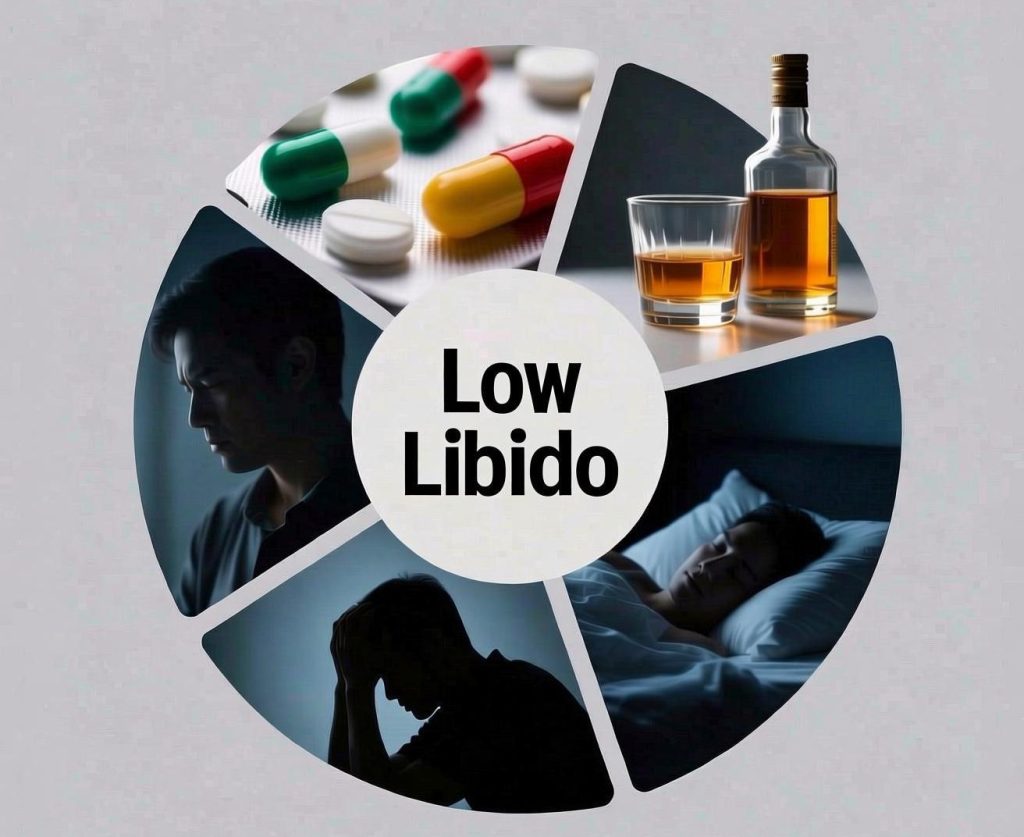
- Sleep 7–9 hours per night: Sleep regulates testosterone and estrogen, and poor rest is one of the most common hidden causes of low desire.
- Manage stress: Chronic stress raises cortisol, which suppresses sex hormones. Meditation, yoga, or simply unplugging in the evening can help restore balance.
- Limit alcohol and quit smoking: Both impair circulation and dampen arousal over time.
Strengthen Communication with Your Partner
Emotional connection is the most powerful predictor of sexual satisfaction for couples. Many intimacy problems are actually communication problems in disguise. Try these approaches:
- Talk outside the bedroom: Discuss desires, boundaries, and preferences during relaxed, non-sexual moments to remove performance pressure.
- Use positive framing: Say “I love it when you…” instead of pointing out what isn’t working.
- Schedule intimacy without shame: With busy lives, waiting for spontaneity often means waiting forever. Planning time together is a sign of commitment, not a loss of romance.
- Prioritize non-sexual touch: Hugging, cuddling, and massage rebuild physical closeness and lower stress for both partners.
Try Pelvic Floor Exercises
Kegel exercises strengthen the pelvic floor muscles, which support sexual function in both men and women. Stronger pelvic muscles are linked to improved arousal, sensation, and orgasm intensity, as well as better bladder control.
- Identify the muscles by stopping your urine flow midstream once (just to locate them).
- Squeeze and hold for 3–5 seconds, then relax for the same duration.
- Repeat 10 times per set, aiming for 2–3 sets daily.
Know When to Seek Professional Support
If challenges persist despite healthy habits and open communication, professional guidance can make a real difference. Persistent issues deserve attention, not embarrassment:
| Concern | Who Can Help |
|---|---|
| Erectile dysfunction, low desire, painful intercourse | Physician or urologist/gynecologist |
| Medication side effects (e.g., antidepressants) | Prescribing doctor—adjustments are often possible |
| Emotional barriers, mismatched desire, past trauma | Certified sex therapist or couples counselor |
| Hormonal changes, menopause, low testosterone | Endocrinologist or hormone health specialist |
Finally, remember that a satisfying sex life is not about performance or frequency—it is about connection, comfort, and consistency.
By combining healthy lifestyle habits with honest communication and, when needed, professional support, you can build intimacy that nourishes both your relationship and your overall health.
Making Sexual Wellness Part of a Healthy Lifestyle
Sexual health is an integral, science-backed component of overall well-being. Here is a quick summary of the six benefits covered:
| # | Benefit | Primary Mechanism |
|---|---|---|
| 1 | Heart health | Improved circulation and lower blood pressure |
| 2 | Immune support | Higher IgA levels and reduced cortisol |
| 3 | Stress relief and mood | Release of endorphins, dopamine, and oxytocin |
| 4 | Better sleep | Prolactin and oxytocin promote drowsiness |
| 5 | Hormonal balance and pain relief | Endorphins act as natural analgesics |
| 6 | Relationships and longevity | Emotional bonding and social support |
To maximize these benefits, approach sexual wellness the same way you approach nutrition: with balance, consistency, and open communication.
Combine regular intimacy with a colorful, nutrient-rich diet, adequate hydration, quality sleep, and stress management practices. And as always, consult a qualified healthcare provider for personalized advice—especially if you have underlying health conditions.
Ultimately, a satisfying sex life is not a luxury; it is a meaningful part of a holistic, healthy lifestyle. By understanding and embracing these surprising benefits, you take one more step toward a longer, happier, and more vibrant life.