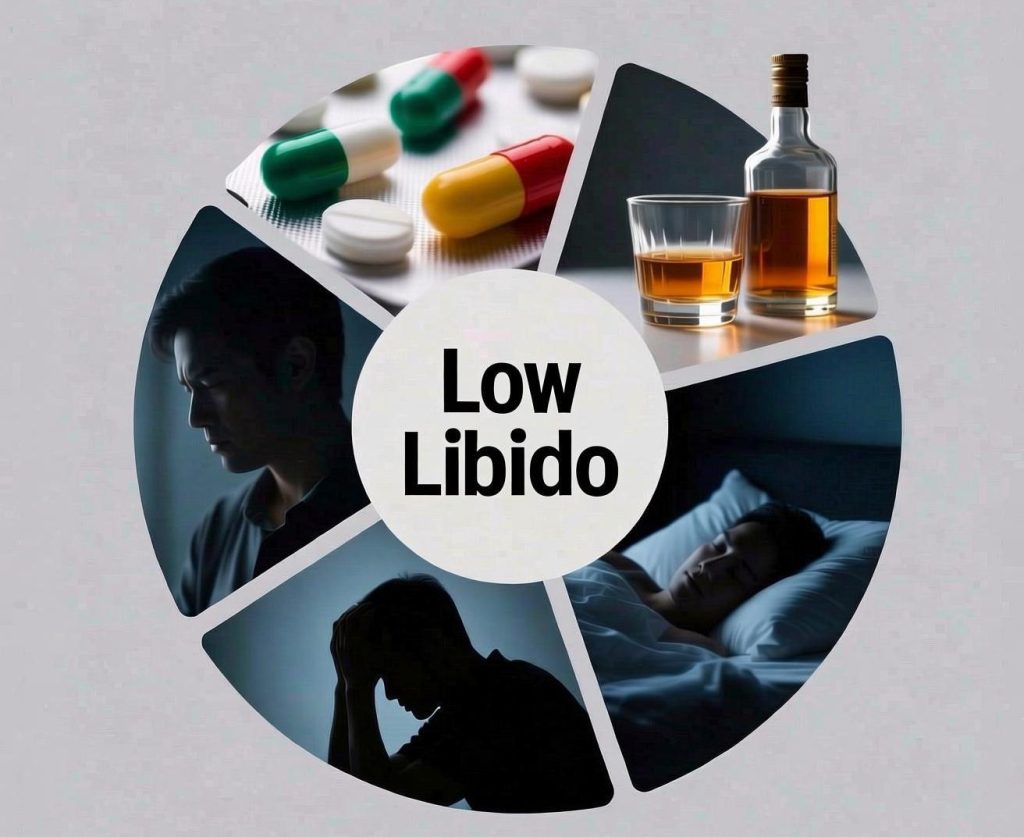
For centuries, men have sought natural remedies to address concerns about sexual health, particularly erectile dysfunction (ED). The prevalence of ED is increasing, linked to factors like aging, lifestyle choices, underlying medical conditions (diabetes, hypertension, cardiovascular disease), and psychological stress.
While pharmaceuticals like PDE5 inhibitors (Viagra, Cialis) are effective for many, their side effects and cost can be prohibitive. This has fueled a growing interest in natural alternatives, and nattokinase, a unique enzyme derived from fermented soybeans (natto), has emerged as a potential candidate. This article will explore the current understanding of nattokinase’s potential impact on male sexual health, examining the science, potential mechanisms, limitations, and what men should consider before incorporating it into their wellness routines.
Understanding Nattokinase: More Than Just a Fermented Soybean Product
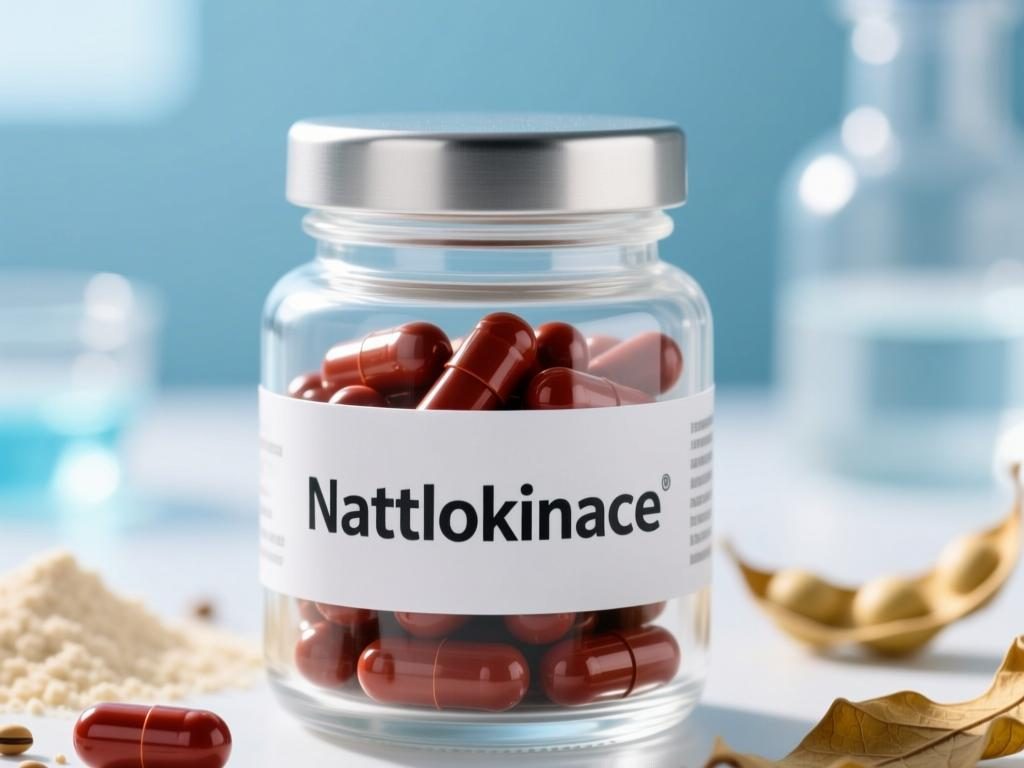
Nattokinase is an enzyme produced by the bacterium Bacillus subtilis during the fermentation of soybeans into natto, a traditional Japanese food. It’s a serine protease, meaning it breaks down proteins. However, its significance lies in its potent fibrinolytic activity – its ability to dissolve fibrin, a protein involved in blood clot formation. This fibrinolytic activity is the foundation for many of its proposed health benefits, and it’s crucial to understanding its potential role in sexual health.
The uniqueness of nattokinase compared to other fibrinolytic enzymes, like plasmin (produced by the body) or trypsin (from animal sources), is its exceptional efficacy. It begins working almost immediately after ingestion, demonstrating a much faster fibrinolytic activity than plasmin. This rapid action is attributed to its structural properties, allowing it to directly cleave fibrin without requiring activation steps. Furthermore, nattokinase has been shown to increase nitric oxide production, another critical factor for healthy blood flow.
The Connection: Nitric Oxide, Blood Flow, and Erectile Function
Erectile function relies heavily on healthy blood flow to the penis. The process involves a complex interplay of nerves, blood vessels, and hormones. Nitric oxide (NO) plays a central role. Released by the endothelium (the lining of blood vessels), NO relaxes the smooth muscles of the arteries supplying the penis, allowing increased blood flow and facilitating an erection. Impaired NO production or endothelial dysfunction (a condition where the endothelium doesn’t function properly) is a key contributor to ED.
Many factors contribute to endothelial dysfunction including high blood pressure, high cholesterol, smoking, and diabetes. This leads to constricted blood vessels and reduced blood flow, making it difficult to achieve and maintain an erection. This is where nattokinase’s potential benefits begin to surface.
Nattokinase’s Proposed Mechanisms for Supporting Sexual Health
While direct research specifically focused on nattokinase and ED is still relatively limited (more on that later), several plausible mechanisms link its actions to improvements in sexual function:
- Improved Blood Flow: The fibrinolytic activity of nattokinase helps prevent excessive blood clot formation. Clots can restrict blood flow, including to the penis. By dissolving fibrin, nattokinase may help improve blood circulation throughout the body, including the vascular system crucial for erections.
- Increased Nitric Oxide Production: Several in vitro and animal studies suggest that nattokinase promotes the production of nitric oxide. This could enhance vasodilation (relaxation of blood vessels), improving blood flow to the penis. The exact mechanism by which nattokinase influences NO production is still under investigation, but it’s considered a significant potential benefit.
- Endothelial Function Improvement: Nattokinase’s potential to improve blood flow and increase NO production suggests a possible positive impact on endothelial function. Improving endothelial health is crucial for overall cardiovascular health and can positively impact erectile function.
- Antioxidant Properties: Natto, and therefore nattokinase, contains antioxidant compounds. Oxidative stress (an imbalance between free radicals and antioxidants) can damage blood vessels and contribute to endothelial dysfunction. Antioxidants help neutralize free radicals, protecting against damage.
What Does the Research Say? The Current Evidence Base
The research directly addressing nattokinase and male sexual health is still emerging and somewhat limited. It’s essential to interpret the findings cautiously and with an understanding of the research limitations.
- Limited Human Clinical Trials: The majority of studies investigating nattokinase’s effects on sexual health have been preclinical (in vitro or animal studies). There’s a relative scarcity of large-scale, randomized, controlled clinical trials (the gold standard for medical research) specifically evaluating nattokinase’s impact on ED in human males.
- Japanese Studies and Preliminary Findings: Some preliminary studies conducted in Japan (where natto consumption is common) have shown promising, albeit preliminary, results. These often involve smaller sample sizes and may be influenced by dietary and lifestyle factors inherent in the Japanese population. Some have indicated improvements in erectile hardness and overall sexual satisfaction in men taking nattokinase supplements.
- Studies on Blood Flow and NO: Research examining the effects of nattokinase on blood flow and NO production is more robust. These studies, primarily conducted in vitro and on animals, consistently demonstrate its fibrinolytic activity and its ability to stimulate NO release. While these findings are encouraging, they don’t directly translate to confirmed improvements in ED without further investigation.
- Combination Therapies: Some research explores combining nattokinase with other compounds known to support sexual health. For example, studies have investigated its synergistic effects with L-arginine, an amino acid that directly contributes to NO production. The combined approach shows potential for enhanced efficacy, but more research is needed.
Potential Risks and Side Effects
Nattokinase is generally considered safe when taken in recommended doses. However, it’s crucial to be aware of potential risks and interactions:
- Blood Thinning Effects: Due to its fibrinolytic activity, nattokinase can thin the blood. This is a potential concern for individuals taking anticoagulant or antiplatelet medications (e.g., warfarin, aspirin, clopidogrel) or who have bleeding disorders. Consultation with a healthcare professional is essential before taking nattokinase in such cases.
- Gastrointestinal Discomfort: Some individuals may experience mild gastrointestinal discomfort, such as nausea, diarrhea, or bloating.
- Allergic Reactions: Natto is derived from soybeans, so individuals with soy allergies should avoid nattokinase.
- Interactions with Medications: As with any supplement, nattokinase may interact with other medications. It’s crucial to discuss supplementation with a doctor, especially if taking any prescription drugs.
Dosage and Formulations
There’s no universally established dosage for nattokinase related to male sexual health. Dosages used in research vary, typically ranging from 100mg to 2000mg per day. It’s generally recommended to start with a lower dose and gradually increase it as tolerated.
Nattokinase is available in capsule form and is often combined with other ingredients, such as vitamin K2 (which natto naturally contains) and L-arginine. Choose reputable brands that undergo third-party testing for purity and potency.
Lifestyle Factors and a Holistic Approach
It’s vital to understand that nattokinase is not a magic bullet for ED. It’s best considered as a potential supporting agent within a broader, holistic approach to sexual health. Lifestyle factors play a critical role and should be prioritized:
- Healthy Diet: A balanced diet rich in fruits, vegetables, and lean protein supports overall health and vascular function.
- Regular Exercise: Physical activity improves blood circulation and cardiovascular health.
- Weight Management: Obesity is a significant risk factor for ED. Maintaining a healthy weight can improve erectile function.
- Stress Management: Chronic stress can negatively impact sexual function. Practicing relaxation techniques such as meditation or yoga can be beneficial.
- Quit Smoking: Smoking damages blood vessels and impairs erectile function.
- Limit Alcohol Consumption: Excessive alcohol intake can contribute to ED.
Future Directions and Research Needs
While the current evidence base is promising, further research is needed to fully understand nattokinase’s impact on male sexual health. Key areas for future investigation include:
- Large-Scale Clinical Trials: Well-designed, randomized, controlled clinical trials are essential to definitively assess nattokinase’s efficacy in treating ED.
- Mechanism of Action Studies: More research is needed to elucidate the precise mechanisms by which nattokinase affects NO production, endothelial function, and blood flow.
- Combination Therapies: Investigating synergistic effects with other supplements or medications could optimize outcomes.
- Long-Term Safety and Efficacy: Evaluating the long-term safety and effectiveness of nattokinase supplementation is crucial.
Conclusion
Nattokinase presents a potentially intriguing natural approach to supporting male sexual health, primarily through its fibrinolytic activity and potential to improve blood flow and stimulate nitric oxide production.
While preliminary research is encouraging, it’s vital to acknowledge the limitations of the current evidence base. Nattokinase should not be viewed as a replacement for conventional medical treatments or lifestyle modifications.
Consultation with a healthcare professional is crucial before considering nattokinase supplementation, particularly for individuals with pre-existing medical conditions or those taking medications.
A holistic approach, combining nattokinase (if appropriate) with a healthy lifestyle, remains the most effective strategy for promoting optimal sexual health and well-being.