Few foods carry a reputation as storied as the oyster. For centuries, these briny bivalves have been served at romantic dinners, credited with fueling the passions of historical figures, and recommended as natural enhancers of desire.
But behind the mythology lies a genuine question worth examining: does eating oysters actually increase libido, or is the aphrodisiac label little more than folklore garnished with a shell? And if oysters do offer real benefits, what is the smartest — and safest — way to eat them?
As a nutrition professional, the honest answer is nuanced. Oysters are among the most nutrient-dense foods on the planet, and several of their key nutrients are scientifically linked to hormone production, blood flow, and energy metabolism — all of which influence sexual health.
However, no study has shown that eating oysters produces an immediate, drug-like effect on desire. Understanding what oysters can and cannot do, and how to prepare them properly, allows you to enjoy their benefits while avoiding real food safety risks.
Why Oysters Became the World’s Most Famous Aphrodisiac?
The word “aphrodisiac” itself traces back to Aphrodite, the Greek goddess of love, who mythology claims was born from the sea. This origin story cemented the association between seafood and romance in Western culture.
By the Middle Ages, physicians and writers commonly repeated the claim that oysters “excite Venus,” and the mollusks became a fixture of courtship dining across Europe.
The legend reached its peak with Giacomo Casanova, the 18th-century Venetian adventurer, who famously claimed to eat fifty oysters each morning and attributed his legendary stamina to them.
Part of the belief was visual: oysters’ soft, pearl-like appearance was thought to resemble certain anatomy, and by the “doctrine of signatures” — the outdated idea that a food’s appearance reveals its effect on the body — oysters were assumed to enhance virility.
While the reasoning was primitive, the persistence of the myth is understandable. Oysters are expensive, rare, and luxurious, which made them natural symbols of indulgence. But folklore alone does not settle the question. To evaluate the claim properly, we need to examine the nutritional science.
What Are The Real Views on Oysters and Sexual Desire?
From a strict clinical standpoint, there is no randomized controlled trial demonstrating that eating oysters acutely increases sexual desire, arousal, or performance. The Food and Drug Administration has stated plainly that there is no reliable evidence supporting the aphrodisiac properties of oysters, and most modern sex researchers agree.
What the science does support is indirect but meaningful. Oysters are the single richest dietary source of zinc available, and zinc is genuinely essential for male sexual health. Research shows that zinc deficiency suppresses testosterone production, impairs sperm development, and reduces libido.
In men with low zinc status, supplementation and zinc-rich diets can restore testosterone levels and improve sperm count, motility, and morphology. For these individuals, oysters are not magic — they are simply an efficient way to correct a deficiency that is undermining hormonal health.
In other words, if your body already has adequate zinc, a plate of oysters tonight will not transform your sex drive. But if your diet is chronically low in zinc — which applies to an estimated 15–17% of the global population — oysters may help restore the physiological foundations on which healthy libido depends.
What Nutrients in Oysters Are Actually Linked to Sexual Health?
A three-ounce serving of cooked oysters delivers an extraordinary nutritional profile for roughly 50–75 calories:
- Zinc (approximately 30–74 mg): Essential for testosterone synthesis, sperm production, prostate function, and enzymatic regulation of dopamine — a neurotransmitter central to sexual arousal and reward.
- Vitamin B12: A single serving provides several times the daily requirement, supporting energy metabolism, red blood cell formation, and nerve function — all relevant to stamina and vitality.
- Omega-3 fatty acids: These healthy fats support cardiovascular circulation, and healthy blood flow is a physiological prerequisite for sexual response in both men and women.
- Selenium and copper: Trace minerals involved in antioxidant defense, thyroid hormone conversion, and enzyme function.
- Iron: Oysters provide heme iron, which helps prevent iron-deficiency anemia — a common cause of fatigue and reduced desire, particularly in menstruating women.
- D-aspartic acid: An amino acid present in oysters that some research links to temporary increases in testosterone, though evidence in humans remains preliminary.
This combination explains why the oyster legend refuses to die: the nutrients inside genuinely do participate in the biology of sexual function. The exaggeration lies not in the nutrients, but in the promise of instant results.
How to Eat Oysters Safely: Raw Versus Cooked
Here is where enthusiasm must meet caution. Oysters are filter feeders, meaning they concentrate whatever is in the surrounding seawater — including bacteria and viruses.
The most serious concern is Vibrio vulnificus, a bacterium found in warm coastal waters that can cause severe, sometimes fatal infections, particularly in people with weakened immune systems, liver disease, or diabetes. Raw oysters can also carry norovirus and other pathogens.
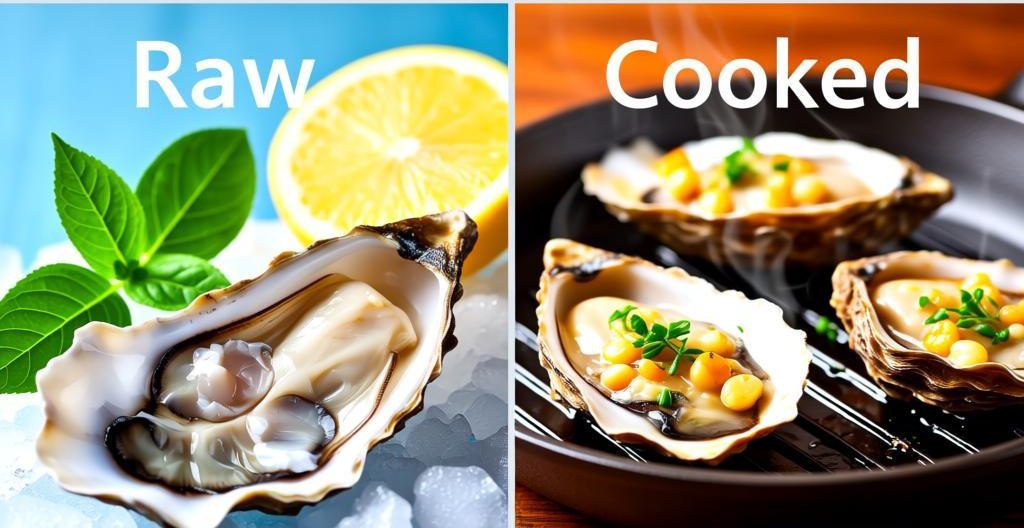
The safest approach is straightforward: cook oysters thoroughly. Heat destroys Vibrio and most other pathogens. Food safety guidelines recommend cooking until the internal temperature reaches 145°F (63°C) — boil oysters for 3–5 minutes after shells open, or fry at 375°F for at least three minutes.
If you insist on raw oysters, choose only those from certified, monitored waters, keep them properly refrigerated, and avoid them during months when coastal waters are warmest.
Best Preparation Methods for Preserving Nutrition
How you cook oysters affects both safety and nutrient retention. The best methods include:
- Steaming and grilling in the shell: Quick, requires no added fat, and preserves most minerals and B vitamins.
- Baking or roasting: Gentle heat retains nutrients while adding culinary versatility, such as oysters Rockefeller-style with spinach and herbs.
- Poaching in broth: Excellent for soups and stews, keeping the flesh tender without frying.
- Light pan-frying: Acceptable occasionally, though it adds calories and some nutrient loss.
Deep-frying is the least favorable option nutritionally, as high heat and heavy batter dilute the nutrient density that makes oysters special. Pairing cooked oysters with lemon, garlic, fresh herbs, and vegetables creates a meal that is both romantic and genuinely health-promoting.
Who Should Avoid or Limit Oysters?
Oysters are not for everyone. The following groups should avoid raw oysters entirely and consult a healthcare provider before eating them cooked:
- Pregnant and breastfeeding women
- Young children and elderly adults
- People with compromised immune systems, liver disease, or diabetes
- Anyone with a shellfish allergy
- Individuals taking zinc supplements, who could exceed the tolerable upper limit of 40 mg per day and risk copper deficiency
How Many Oysters Should You Eat per Week?
For most healthy adults, one to two servings of oysters per week — roughly 3 to 6 oysters per serving — is a sensible target. This provides substantial zinc, B12, and omega-3 intake without approaching zinc toxicity. Because a single serving can contain two to five times the daily zinc requirement, daily consumption is unnecessary and potentially counterproductive over the long term.
Do Oysters Increase Testosterone Levels?
Only in cases of zinc deficiency. Multiple studies confirm that zinc restriction lowers testosterone in men, and that restoring zinc normalizes levels. But in men with adequate zinc status, additional intake does not push testosterone above normal. Oysters support hormonal health; they do not supercharge it.
Are Raw Oysters Worth the Risk?
For most people, the answer from a nutrition standpoint is no. Cooking preserves nearly all of the zinc, B12, and selenium while eliminating the majority of foodborne illness risk. The texture and flavor differ, but the nutritional argument for eating raw oysters is weak when weighed against documented Vibrio outbreaks, which occur every year and can be life-threatening.
Can Women Benefit From Eating Oysters Too?
Absolutely. Zinc supports fertility, ovulation, and hormone balance in women, while the iron in oysters helps combat anemia-related fatigue and low desire. Omega-3 fatty acids also support circulation and mood, both of which influence sexual wellbeing. The aphrodisiac benefits of oysters were historically marketed to men, but the underlying nutrition applies to everyone.
What Foods Pair Well With Oysters for Overall Health?
Instead of chasing single “aphrodisiac” foods, build a dietary pattern. Oysters pair well nutritionally with leafy greens (folate), citrus (vitamin C enhances iron absorption), whole grains (steady energy), and fatty fish or nuts (additional healthy fats).
A Mediterranean-style diet rich in these foods consistently shows better cardiovascular and hormonal health outcomes — and cardiovascular health is the true foundation of sexual function.
When Is the Best Time to Eat Oysters?
Traditional wisdom says to eat oysters only in months containing the letter “R” (September through April), which reflects cooler water temperatures and lower bacterial risk in many regions. Nutritionally, there is no specific time of day that matters.
However, if you enjoy oysters as part of a special occasion meal, eating them lightly cooked in the evening alongside a balanced dinner fits both safety guidance and the psychological romance factor perfectly.
Final Verdict
Do oysters really increase libido? The most evidence-based answer: they support the nutritional foundations of sexual health — zinc status, testosterone production, blood flow, and energy — but they are not a pill for instant desire.
The legendary reputation is part mythology, part psychology, and part legitimate nutrition. Eat them cooked, one to two times per week, from trusted sources, and enjoy them as part of a healthy, varied diet. That is how a nutritionist would actually serve them: not as a magic charm, but as one delicious component of lifelong vitality.