
As a physician specializing in urology and men’s health for over two decades, I’ve witnessed firsthand the anxieties and desires surrounding male sexual performance.
The market is saturated with products promising extended duration and enhanced performance, often marketed directly to men seeking solutions.
This article aims to provide a comprehensive, medically sound perspective on these products, separating fact from marketing hype, and guiding men toward safe and effective approaches to sexual health.
It will cover consumer perspectives, scientific evidence, potential risks, ethical considerations, and, most importantly, promote informed decision-making in consultation with a healthcare professional.
Understanding the Landscape of Male Sexual Performance Concerns
Before delving into specific pills and supplements, it’s vital to understand the complexities of male sexual health. Concerns regarding erectile dysfunction (ED), premature ejaculation (PE), libido (sexual desire), and overall stamina are prevalent.
Sexual performance and duration are often intertwined with a man’s self-esteem, confidence, and overall quality of life. Concerns about premature ejaculation, erectile dysfunction (ED), or the ability to sustain sexual activity can lead to significant psychological distress, impacting relationships and personal well-being.
While some men may experience these issues due to psychological factors (e.g., anxiety, stress, or performance pressure), others may have underlying physical causes, such as hormonal imbalances, cardiovascular disease, diabetes, or neurological conditions.
The demand for pills that promise extended duration and enhanced performance is driven by the desire to address these concerns, whether through improved erectile function, increased stamina, or heightened sexual satisfaction.
It is important to distinguish between sexual performance and sexual health. Performance often refers to the ability to achieve and maintain an erection, while duration relates to the length of sexual activity.
However, these terms are not always clearly defined, and many products conflate the two, making it difficult for consumers to assess their true efficacy.
The medical community generally emphasizes the importance of holistic sexual health, which includes not only physical function but also emotional, psychological, and relational well-being.
These issues often intertwine, stemming from a combination of physiological, psychological, and relational factors. It’s crucial to recognize that sexual performance isn’t solely about physical attributes; it’s deeply connected to emotional well-being, relationship dynamics, and overall health.
What are the Claims?
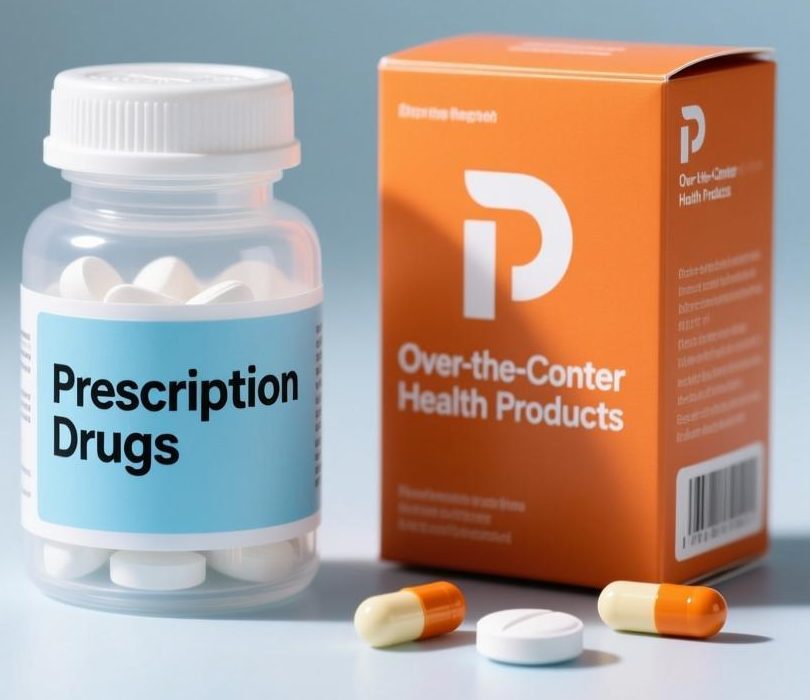
The pills marketed for extended duration and enhanced performance broadly fall into several categories: prescription medications, over-the-counter supplements, and herbal remedies. Marketing materials frequently emphasize benefits such as:
- Longer and harder erections (targeting ED)
- Delayed ejaculation (targeting PE)
- Increased libido and sexual desire
- Improved stamina and energy levels
- Enhanced overall sexual satisfaction
These promises are alluring, especially given the sensitive nature of these concerns. However, it’s critical to critically evaluate these claims based on scientific evidence.
Prescription Medications: A Clinically Validated Approach
The cornerstone of treating ED and PE are often prescription medications. These have undergone rigorous clinical trials and are generally considered safe and effective when used under medical supervision:
- Phosphodiesterase-5 (PDE5) Inhibitors (e.g., Sildenafil [Viagra], Tadalafil [Cialis], Vardenafil [Levitra]): These are the first-line treatment for ED. They work by increasing blood flow to the penis, facilitating an erection. They don’t increase sexual desire, but allow an erection to occur when stimulated.
- Selective Serotonin Reuptake Inhibitors (SSRIs) (e.g., Dapoxetine, Paroxetine): Some SSRIs, particularly Dapoxetine (although not available in the US), can delay ejaculation and are used off-label to treat PE. They work by affecting serotonin levels in the brain, which can prolong the time it takes to ejaculate.
The crucial point here is that these medications require a thorough medical evaluation. They are not suitable for everyone and can have side effects and interactions with other medications. Self-medication is extremely risky.
Over-the-Counter Supplements & Herbal Remedies
This is where the “extended duration & enhanced performance” pill landscape becomes significantly less clear. Numerous supplements and herbal remedies are marketed to men, often with grandiose claims. Let’s examine some of the more common ingredients and assess their scientific validity:
- L-Arginine: This amino acid is a precursor to nitric oxide, which plays a crucial role in vasodilation. While theoretically, it could improve blood flow, the evidence supporting its effectiveness for ED is weak and inconsistent. High doses can cause gastrointestinal distress.
- Horny Goat Weed (Epimedium): Contains icariin, a compound that may have PDE5 inhibitory activity (similar to Viagra). However, the bioavailability of icariin is poor, and human studies are lacking.
- Tribulus Terrestris: Frequently marketed for boosting testosterone and libido. Numerous studies have failed to demonstrate a significant effect on testosterone levels or sexual function in men with normal testosterone.
- Ginseng (Panax Ginseng): Some research suggests it may improve erectile function, but the evidence is mixed and requires further investigation.
- Maca Root: Often promoted for its libido-enhancing properties. While some studies show a modest improvement in sexual desire, the effect is often subtle and may be attributable to the placebo effect.
- Zinc: An essential mineral involved in testosterone production. Zinc deficiency can contribute to ED, but supplementation is only beneficial if a deficiency is present.
- Yohimbine: Derived from the bark of the Yohimbe tree. Historically used as an aphrodisiac, it can be effective for ED in some cases but has significant potential for side effects, including anxiety, increased blood pressure, and rapid heart rate. Its use should always be supervised by a physician.
The overarching theme here is a lack of robust, peer-reviewed clinical trials demonstrating consistent efficacy for these supplements in improving sexual performance. Many claims rely on anecdotal evidence or poorly designed studies.
The Consumer Perspective: Hopes, Fears, and Misinformation
The market for pills that claim to improve sexual performance is vast and growing, with a wide range of products available to consumers.
Many men turn to these pills after experiencing sexual performance issues, often seeking a quick and easy solution. However, the reality is that these products are not a one-size-fits-all solution and may not address the underlying causes of the problem.
Consumer reviews and testimonials often highlight both the perceived benefits and the drawbacks of these pills. Some men report that they have experienced temporary improvements in sexual function, such as increased erection quality or delayed ejaculation.
However, others may find that the effects are inconsistent or that the side effects outweigh the benefits. For example, some men may experience headaches, nausea, or dizziness after taking these pills, which can be particularly concerning for individuals with pre-existing health conditions.
Another trend in the market is the marketing of these products as “natural” or “herbal” alternatives to prescription medications. This can be misleading, as many of these products contain ingredients that are not well-regulated or studied.
The term “natural” does not necessarily mean “safe” or “effective,” and consumers should be cautious about relying on these claims without consulting a healthcare professional.
Additionally, the availability of these products online has made them more accessible to consumers, but this also raises concerns about product quality and safety.
Many online retailers sell unverified or counterfeit products, which may contain harmful substances or be ineffective. Consumers should be wary of products that make exaggerated claims or promise unrealistic results, as these are often signs of fraudulent marketing.
It is also worth noting that the price range for these products varies widely, with some products being relatively inexpensive while others are marketed as premium or luxury items.
The cost of these products does not necessarily correlate with their effectiveness, and consumers should be cautious about paying a high price for a product that lacks scientific backing.
Finally, the lack of transparency in product labeling is another issue that consumers should be aware of. Many products do not clearly disclose the ingredients they contain or the potential side effects they may cause. This can make it difficult for consumers to make informed decisions about their health and well-being.
Potential Risks and Side Effects
Beyond the lack of proven efficacy, supplements and herbal remedies carry potential risks:
- Drug Interactions: Many supplements can interact with prescription medications, leading to dangerous consequences.
- Side Effects: Even seemingly benign supplements can cause side effects, such as gastrointestinal distress, allergic reactions, and elevated blood pressure.
- Contamination: Supplements are not subject to the same rigorous manufacturing standards as prescription drugs, increasing the risk of contamination with harmful substances.
- False Sense of Security: Relying on supplements instead of seeking medical attention can delay diagnosis and treatment of underlying medical conditions.
- Psychological Dependence: Some men may develop a psychological dependence on supplements, believing they are essential for sexual function.
Yohimbine, in particular, has a considerable risk profile and should only be used under strict medical supervision.
A Holistic Approach to Male Sexual Health
The most effective approach to male sexual health goes far beyond popping a pill. It requires a comprehensive assessment and a focus on overall well-being:
- Medical Evaluation: A thorough physical examination and assessment of medical history.
- Lifestyle Modifications: Healthy diet, regular exercise, stress management, and adequate sleep.
- Psychological Counseling: Addressing anxiety, depression, relationship issues, and body image concerns.
- Communication: Open and honest communication with your partner.
- Pelvic Floor Exercises: Strengthening pelvic floor muscles can help improve ejaculatory control.
- Realistic Expectations: Understanding that sexual performance is variable and that perfection is unattainable.
Conclusion: Making Informed Decisions
The allure of pills promising extended duration and enhanced performance is understandable. However, a critical and informed approach is essential. Prescription medications, when appropriate and prescribed by a healthcare professional, offer the most clinically validated solutions.
Over-the-counter supplements and herbal remedies often lack scientific support and carry potential risks. A holistic approach, focusing on overall health and well-being, is the cornerstone of optimal male sexual health.
Always consult with a qualified healthcare professional before taking any supplements or making any changes to your treatment plan. Don’t fall prey to misleading marketing; prioritize your health and safety.