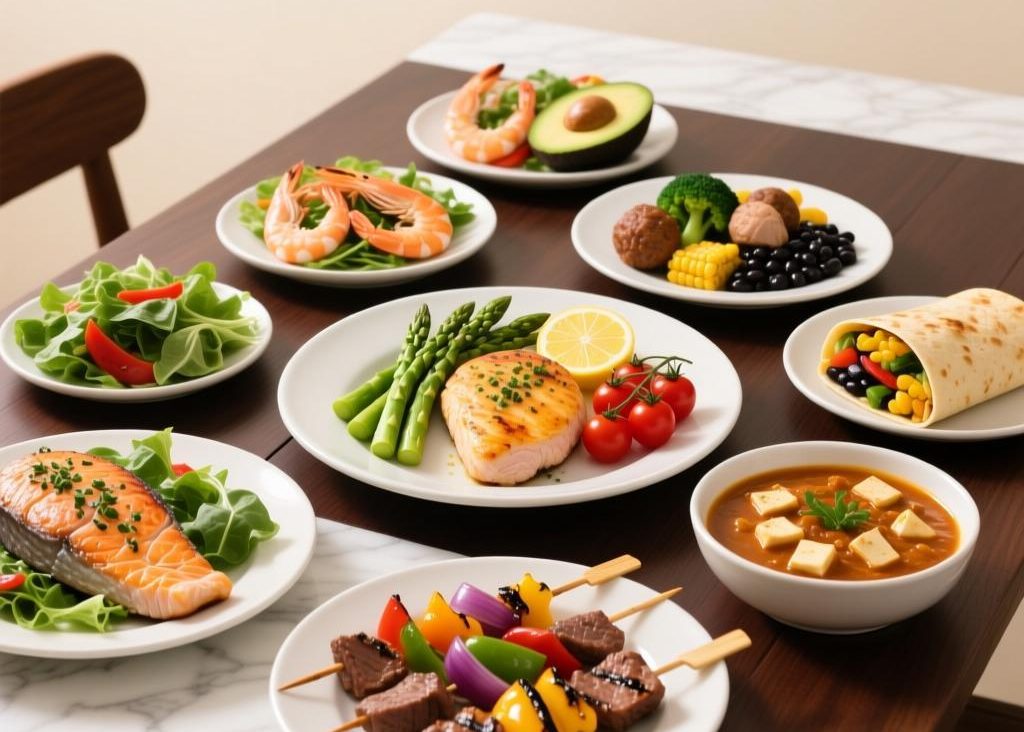
The single most powerful breakfast swap you can make is trading a sweet, carb-heavy morning meal for a savory breakfast built around protein, fiber, and healthy fat — think eggs scrambled with spinach, half an avocado, and maybe a scoop of Greek yogurt on the side.
It sounds almost too simple, but research keeps pointing in the same direction: what you eat in your first meal of the day shapes your hunger hormones, your glucose curves, and your cravings for the next twelve hours.
This isn’t about demonizing carbs or telling you to give up everything you love. It’s about understanding why your current breakfast might be quietly working against you — and then making a few smart swaps that let your body do what it’s designed to do: burn fat steadily, keep glucose in range, and stop the 10 a.m. vending machine raid before it starts.
Why Breakfast Makes or Breaks Your Blood Sugar?
A Stanford University study found that common breakfast foods like cereal can provoke glucose spikes above 200 mg/dL — even in perfectly healthy people with no sign of diabetes.
When that spike comes down, it often crashes, leaving you tired, foggy, and desperately craving more starch and sugar by mid-morning. That crash isn’t a willpower problem; it’s a blood sugar rollercoaster, and the second mountain of the day is almost always set up by the first.
The pattern looks something like this:
- 7 a.m. — You eat a bowl of cereal with a glass of juice. Blood sugar rockets within 45 minutes.
- 9 a.m. — Insulin has shoved all that glucose out of your bloodstream, often overshooting. Blood sugar dips below where it started.
- 10:30 a.m. — You’re starving, foggy, and reach for a muffin or another coffee with sugar.
- Noon — You eat a bigger lunch than you needed because your hunger hormones are in overdrive.
Repeat that loop every day for a few years and you have a recipe for creeping weight gain, insulin resistance, and steadily climbing fasting glucose numbers.
Protein + Fiber + Healthy Fat
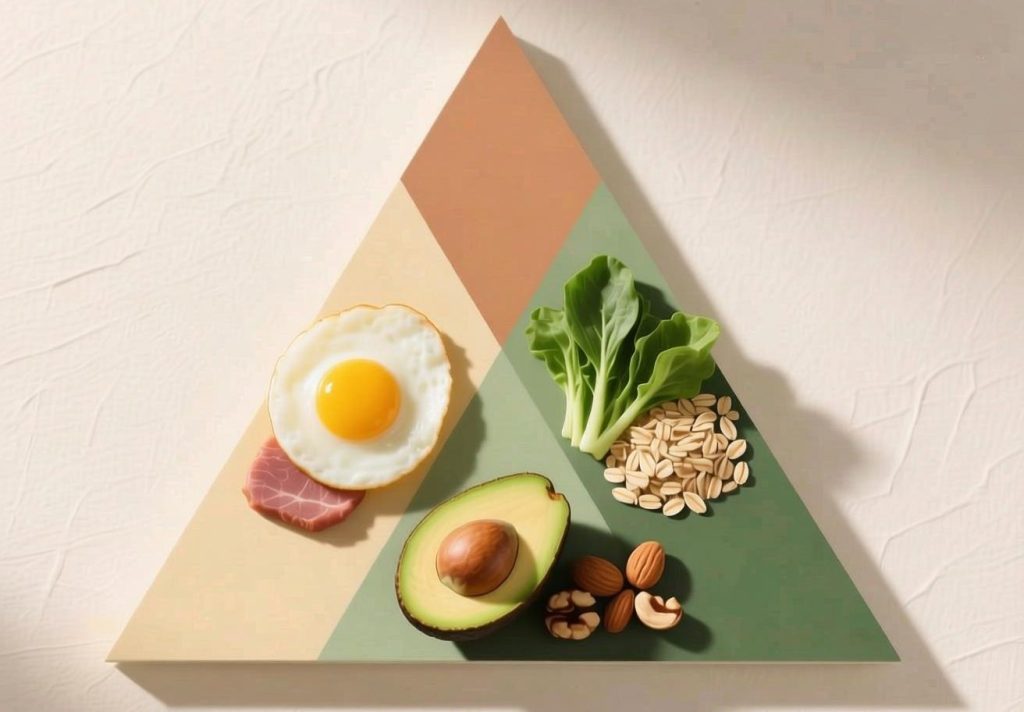
If you remember only one thing from this article, make it this: every great blood-sugar-friendly breakfast has three players on the plate — protein, fiber, and fat. Each one does a specific job.
Protein is the heavyweight champion. Studies show that a high-protein breakfast (around 30–39 grams) produces significantly lower post-meal glucose spikes and improved insulin response compared to lower-protein options — even when total calories are identical. Protein also suppresses ghrelin, your main hunger hormone, which is why a protein-rich breakfast keeps you full for hours instead of minutes.
Fiber acts like a speed bump for digestion. It slows the release of glucose into your bloodstream, feeds your gut bacteria, and adds physical volume to your meal so your stomach registers fullness sooner. In trials with women on calorie-restricted diets, higher fiber intake measurably improved satiety hormones and reduced hunger sensations.
Healthy fat is the misunderstood third player. Fat slows gastric emptying, which flattens the glucose curve, and it carries flavor — which is the difference between a breakfast you tolerate and one you actually look forward to. As the Glucose Goddess methodology puts it, fat at breakfast is “very important and not to be feared”.
When all three work together, you get steady energy, fewer cravings, and a body that’s far less likely to store the morning’s calories as fat.
What’s Actually on Your Plate?
Let’s put the usual suspects head-to-head so you can see exactly why the swap matters. This comparison assumes typical serving sizes you’d find on a real breakfast table:
| Breakfast Choice | Blood Sugar Impact | How Long You Stay Full | Weight Loss Friendliness |
|---|---|---|---|
| Sugary cereal + orange juice | Very high — spikes often exceed 200 mg/dL even in healthy adults | 1–2 hours | Poor — sets up cravings and overeating later |
| Granola bar + flavored latte | High — most bars carry 9–13g added sugar and refined grains | 1–2 hours | Poor — marketed as healthy but behaves like candy |
| Plain toast with jam | High — refined starch converts to glucose fast | 2 hours | Fair — better than cereal, but still carb-heavy |
| Oatmeal with berries and nuts | Moderate — fiber slows the curve nicely | 3–4 hours | Good — especially if you add protein on the side |
| Greek yogurt parfait with berries and walnuts | Low-moderate — protein blunts the glucose rise | 4–5 hours | Excellent — high protein, high fiber, easy to prepare |
| Veggie omelet with avocado | Low — protein and fat keep glucose nearly flat | 5–6 hours | Excellent — the gold standard for both goals |
Notice the pattern: the lower the spike, the longer you stay full, and the easier your calorie intake becomes to manage for the rest of the day — without counting a single point.
Why This Breakfast Burns Fat?
From a pure weight-loss angle, the savory-swap works through three mechanisms working in your favor at once.
First, satiation without starvation. A high-protein breakfast triggers stronger releases of satiety hormones like peptide YY and GLP-1, according to Newcastle University research published in the European Journal of Nutrition. Participants felt fuller and reported reduced appetite after protein-rich mornings compared to lower-protein ones.
Second, less accidental overeating. The glucose spike-and-crash cycle drives between-meal snacking more than any other single dietary factor. Kill the spike and you kill the crash — which means the muffin, the cookie, and the “just a handful of chips” quietly disappear from your day.
Third, stable insulin means better fat burning. Insulin is a storage hormone; when it’s elevated, your body has a hard time accessing stored fat for fuel. A breakfast that keeps insulin gentle leaves the fat-burning door open longer.
One honest caveat worth mentioning: a 2025 review noted that while high-protein breakfasts reliably increase fullness, they don’t automatically reduce total daily calorie intake — the benefit shows up when the satiety advantage helps you make better choices at later meals. In real-world coaching, that’s exactly what happens: people eat better all day, not just at breakfast.
What’s Happening Inside?
If you’re watching your glucose — whether because of prediabetes, type 2 diabetes, or just a CGM curiosity — the science here is genuinely exciting.
A high-protein breakfast doesn’t just blunt the glucose spike at that meal. It also improves how your body handles the next meal, a phenomenon researchers call the “second-meal effect.”
Studies show that a high-protein breakfast significantly suppressed postprandial glucose after lunch as well, even when lunch was small.
Whey protein specifically has been shown to reduce hunger hormones, lower post-meal glucose spikes, and even decrease HbA1c over time in people managing type 2 diabetes.
The practical takeaway from Hopkins diabetes educators is refreshingly simple: an ideal breakfast includes a small amount of carbohydrate alongside protein and fat, because “protein and fat slow digestion, improve glycemic control, and help you to stay feeling full longer”. You don’t have to eliminate carbs — you just stop letting them ride solo.
Five Simple Swaps
Here’s where the rubber meets the road. These five swaps take roughly the same time as your current breakfast — some take less — and each one follows the protein + fiber + fat formula:
- Swap #1 — Instead of cereal: a two-minute veggie scramble. Two or three eggs, a big handful of spinach or leftover vegetables, cooked in olive oil. Add a slice of whole-grain toast with mashed avocado if you want more staying power. Total protein: 20–25g.
- Swap #2 — Instead of flavored yogurt: a savory-sweet Greek yogurt bowl. Full-fat plain Greek yogurt, a small handful of berries, a tablespoon of chopped walnuts, and cinnamon. The fat, protein, and fiber work together to keep the curve gentle.
- Swap #3 — Instead of a bagel: sweet potato toast. Thick-slice a sweet potato, toast it, and top with almond butter and a sprinkle of seeds — or go savory with mashed avocado and a poached egg on top.
- Swap #4 — Instead of juice: whole fruit, eaten after protein. A whole orange or a cup of raspberries delivers the fiber that juice strips away, and eating it after your eggs further flattens the glucose response.
- Swap #5 — Instead of nothing (skipper alert): a grab-and-go egg cup or cottage cheese cup. If you genuinely can’t eat in the morning, keep baked egg muffins or cottage cheese with cherry tomatoes in the fridge. Even a modest protein hit beats running on black coffee alone.
If you eat animal products, smoked salmon on cucumber slices or a sardine toast is another powerhouse option worth rotating in. And if you’re plant-based, a tofu scramble with nutritional yeast and black beans hits the same macros beautifully.
Common Mistakes That Undermine the Swap
Even people who try this approach sometimes wonder why it isn’t working. Here are the usual culprits:
- Drinking your breakfast sugar. Smoothies, fruit juices, and sweetened coffee drinks can carry as much sugar as a dessert — even homemade ones. If you blend, add protein and fat (Greek yogurt, nut butter, chia) rather than fruit alone.
- Trusting “healthy” packaging. Granola, breakfast bars, and many whole-grain cereals are marketed aggressively but often carry more added sugar than a donut per serving.
- Skimping on protein. A single egg gives you about 6 grams; most people need 25–30 grams at breakfast to see the glucose and satiety benefits the research describes. Two eggs plus Greek yogurt gets you there.
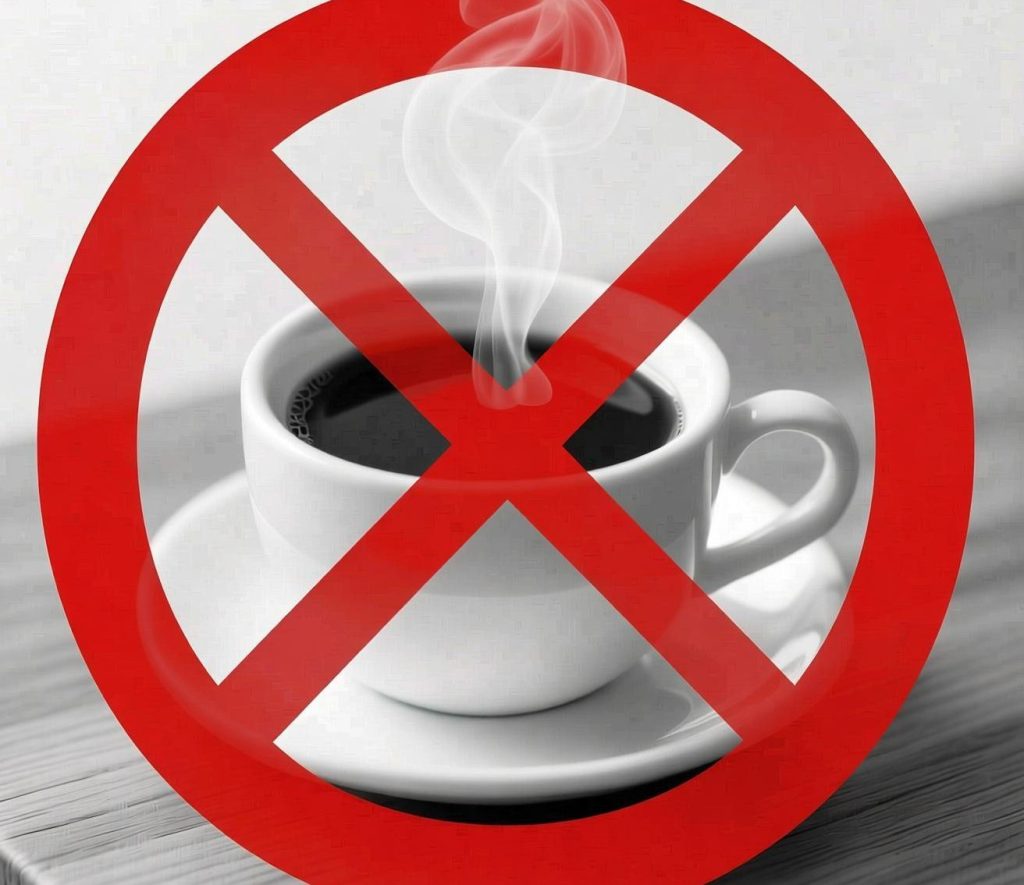
- Over-relying on coffee. Coffee on an empty stomach can amplify the stress hormone cortisol and make glucose swings worse. Eat first, sip second.
- Going too extreme too fast. You don’t need to eliminate all carbs forever. A slice of sourdough or half a banana alongside your protein is completely compatible with stable blood sugar.
Frequently Asked Questions
1. Do I really have to give up bread and oatmeal?
No — and honestly, cutting them entirely usually backfires. The fix is pairing, not banning. Steel-cut oats with Greek yogurt and nuts, or sourdough toast alongside eggs and avocado, both fit the formula. The problem was never the carb itself; it was the carb traveling through your bloodstream with no protein, fat, or fiber to slow it down.
2. I’m not hungry in the morning. Should I force myself to eat?
Not necessarily. If you’re simply not a morning eater, a small protein-forward option — a hard-boiled egg, a cup of Greek yogurt, or a scoop of cottage cheese — is enough to blunt the glucose spike from whatever you eat at lunch.
That said, chronic morning appetite loss often signals late-night eating or very large dinners; shifting calories earlier tends to restore natural morning hunger within a week or two.
3. How much protein should my breakfast actually have?
The research points to roughly 30 grams as a meaningful threshold for improving glucose control and fullness through the morning — especially for women, who typically eat only 10–15 grams at breakfast currently. In practice: three eggs (18g) plus a cup of Greek yogurt (17g) puts you comfortably over the line.
4. Can I still have coffee or tea?
Absolutely — just be strategic about it. Drinking coffee on a completely empty stomach can worsen glucose variability and cortisol spikes for some people. Having it after or alongside your protein-rich breakfast smooths the experience, and skipping the flavored syrups and sweetened creamers keeps the whole setup on track.
5. How quickly will I see results on the scale or in my glucose readings?
If you use a continuous glucose monitor, you’ll often see flatter curves within the first few days — that part is almost immediate.
On the scale, most people notice reduced bloating and fewer cravings in week one, with meaningful weight trends emerging over four to eight weeks as the cumulative calorie reduction from eliminated snacking adds up.
People with type 2 diabetes following higher-protein morning routines have shown measurable improvements in HbA1c over several months.
The Bottom Line
The “swap” isn’t a gimmick, a supplement, or a fad — it’s a return to a breakfast that respects how your metabolism actually works. Anchor your first meal of the day in protein, surround it with fiber and healthy fat, and let the sweet stuff be an occasional guest rather than the main event.
Do that consistently and the two things you’re after — a smaller number on the scale and steadier numbers on your glucose meter — tend to follow on their own, one morning at a time.