What Exactly Is a Berberine Patch?
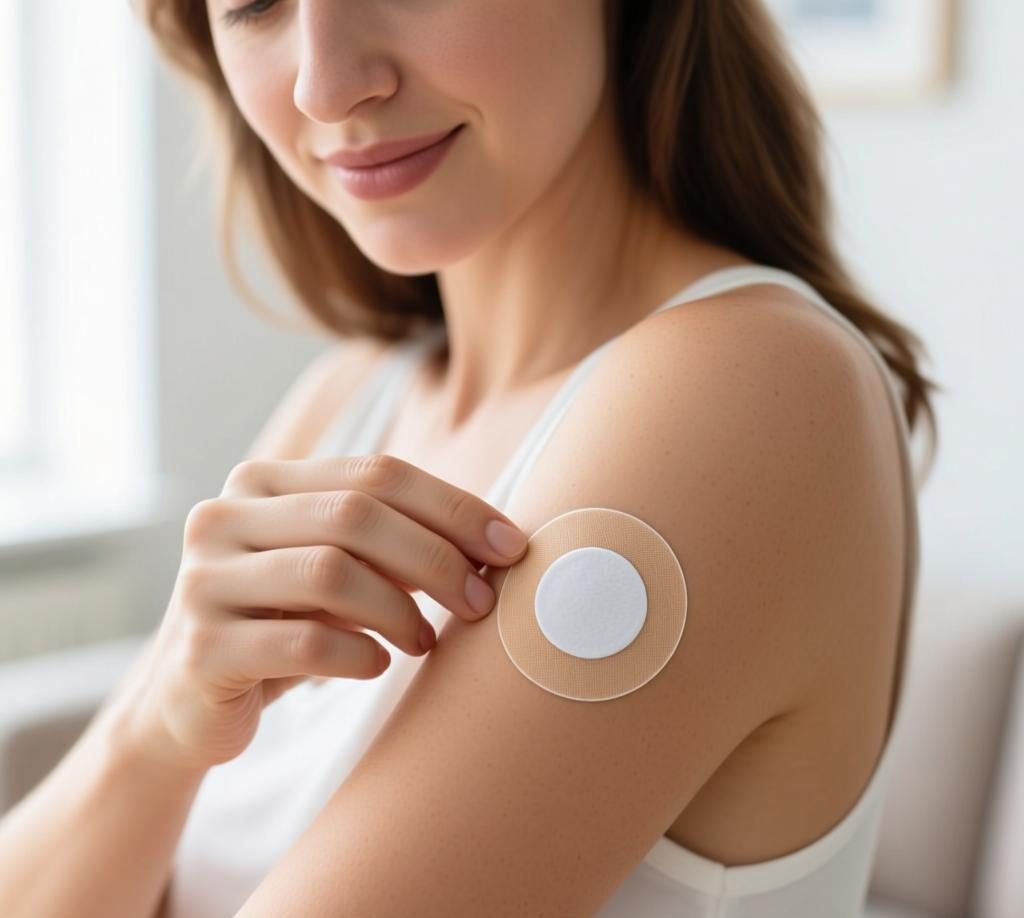
If you’ve scrolled through TikTok or Instagram lately, you’ve probably seen them: little adhesive patches you stick on your belly or arm, promising to help you slim down while you go about your day. The star ingredient? Berberine — a yellow compound found in plants like barberry, goldenseal, and Oregon grape.
It’s been used in traditional Chinese and Ayurvedic medicine for centuries, mostly for digestion and blood sugar issues. Now it’s showing up in patch form, with labels promising “24-hour fat-burning support” without a single pill. Sounds dreamy, right? Before you peel and stick, let’s break down what these patches actually are, what they claim to do, and whether the hype holds up.
Why Everyone Started Calling Berberine “Nature’s Ozempic”
The berberine boom really took off when social media crowned it the “natural Ozempic.” That comparison is doing a lot of heavy lifting. Ozempic and similar drugs work powerfully on appetite hormones, and clinical trials back that up with big numbers.
Berberine’s reputation, on the other hand, comes mostly from studies on oral capsules, where it showed modest effects on blood sugar, insulin, and yes, some weight.
Meta-analyses of those capsule studies found people typically lost around 2–4 pounds over a few months — meaningful, but nowhere near GLP-1 territory. Still, “plant compound helps a little with blood sugar” doesn’t go viral. “Nature’s Ozempic” does. And that framing set sky-high expectations that patches then tried to cash in on.
How These Patches Claim to Work?
According to the marketing, patches beat pills in a few clever ways. Here’s the sales pitch, straight from typical product pages:
- Steady delivery: supposedly releases berberine gradually through your skin over 8–24 hours, avoiding the ups and downs of pills.
- No stomach upset: since it skips your digestive system, makers claim no nausea, bloating, or other tummy trouble.
- Effortless: stick it on, forget it, and let it “work” while you sleep, work, or binge your favorite show.
- Targeted: many claim they burn fat right where you stick them — the belly-patch-to-belly-fat implication is strong.
It’s a compelling story. The only problem? The story is doing a lot more work than the evidence.
Is Berberine Itself Effective? And What About Berberine Patches?
Let’s be fair and separate the two questions: does berberine itself do anything, and do berberine patches do anything? The honest scorecard looks something like this:
| Question | What Evidence Shows |
|---|---|
| Does oral berberine affect blood sugar and weight? | Yes, modestly — studies show small improvements in blood sugar and roughly 2–4 lbs of weight loss over 8–12 weeks, alongside diet changes |
| Does oral berberine compare to Ozempic? | No — effects are far smaller, and head-to-head data shows prescription meds winning clearly |
| Do berberine patches deliver berberine into the body? | No quality human studies demonstrate meaningful absorption through skin |
| Do berberine patches cause weight loss? | No published clinical trials on patches for weight loss exist |
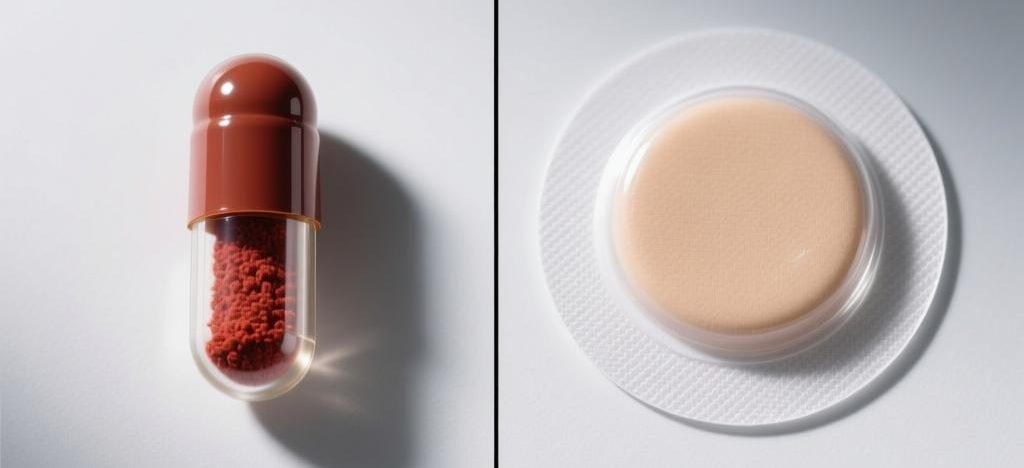
Here’s where the pharmacist’s perspective throws cold water on things. Transdermal patches genuinely work for certain drugs — think nicotine patches, motion sickness patches, or hormone patches. But those drugs share something crucial: they’re small, chemically “greasy” molecules that can slip through the skin’s outer layer.
Berberine is the opposite: a relatively large, electrically charged molecule that clings to water instead of fat, which makes it a genuinely poor candidate for crossing healthy skin. In fact, most berberine research on skin is about using it topically for acne — keeping it on the skin, not pushing it through the skin.
There’s currently no solid human research showing a berberine patch delivers meaningful amounts of the compound into your bloodstream. No meaningful delivery, no meaningful effect. That’s the crux of the whole debate.
Notice the pattern? The evidence that exists is all about capsules. The patch version is essentially riding on borrowed credibility.
Which Form Of Berberine Should You Choose?
If you’re determined to try berberine anyway, the format you choose matters. Here’s a quick side-by-side:
| Factor | Berberine Capsules | Berberine Patches |
|---|---|---|
| Proven dose | Standard 500 mg, studied in trials | Amount absorbed unknown, likely tiny |
| Evidence for weight effect | Modest but real research | Essentially none |
| Common side effects | Stomach upset, constipation | Skin redness, itching, rash |
| Convenience | Pills 2–3 times daily | Stick on once daily |
| Typical monthly cost | $10–$25 | $20–$50 |
Convenience is the patch’s one real win. But you’re paying more for a delivery method that hasn’t proven it can deliver.
What Real Users Are Saying
Spend time in the reviews and you’ll find a mixed bag, which honestly tells its own story. Positive reviewers mention feeling “less bloated,” a “smaller appetite,” or losing a few pounds over a month.
Skeptical reviewers — and plenty of nurses and pharmacists chiming in — point out they felt, saw, and measured absolutely nothing. So what’s going on with the positive reports? A few honest possibilities:
- The placebo effect: real and well-documented — expecting to eat less often leads to eating less.
- Simultaneous changes: people who buy a weight-loss patch usually also start walking more or skipping dessert that same week.
- Water weight: early “losses” often reflect normal fluid fluctuations, not fat.
- Added ingredients: some patches include caffeine or green tea extract alongside berberine, muddying which ingredient — if any — is doing anything.
When every review of a product can be explained without the product working, that’s a red flag, not a testimonial.
Are Berberine Patches Safe, or Just Ineffective?
The good news: a berberine patch probably won’t harm much beyond your wallet. Because little berberine gets through the skin, systemic side effects are unlikely. The main risks are local: redness, itching, or contact dermatitis where the adhesive sits, especially if you have sensitive skin or wear it for long stretches.
That said, “mostly harmless” isn’t the same as “smart purchase.” Also worth knowing: supplements in general aren’t FDA-approved before hitting shelves, so patch quality, actual berberine content, and labeling accuracy vary wildly between brands.
And if you’re pregnant, breastfeeding, or managing a condition like diabetes, you should talk to a doctor before using berberine in any form — even the low-absorption patch kind.
What Actually Moves the Scale?
Step away from the marketing for a second and the fundamentals haven’t changed. Sustainable weight loss still comes down to a calorie deficit you can actually live with — built on satisfying meals, enough protein and fiber, decent sleep, and movement you don’t hate.
Oral berberine might earn a small supporting role for some people, particularly those with blood sugar concerns, but even researchers describe it as a minor helper, not a shortcut.
A patch that can’t demonstrably get berberine into your body is even further down the list. If a $30 sticker feels like motivation to treat yourself better, that’s your call — just know it’s the routine change doing the lifting, not the sticker.
The Bottom Line
So, do berberine patches really work for weight loss? Based on everything we currently know: there’s no reliable evidence they do. Berberine itself has modest, research-backed effects — but only in capsule form, at studied doses.
Patches are a cleverly marketed remix of that credibility, built on a delivery method that struggles to get this particular molecule through your skin. If you’re curious about berberine, capsules plus a conversation with your doctor make far more sense.
If you’re serious about weight loss, the boring stuff — food, movement, sleep, and patience — still outperforms every patch on the shelf.
Frequently Asked Questions
1. Can berberine actually be absorbed through the skin?
Very unlikely in meaningful amounts. Berberine’s size and chemical properties make it poorly suited to crossing the skin barrier, and no quality human studies have shown patches delivering therapeutic doses into the bloodstream.
2. How much weight can you realistically lose with berberine?
With oral capsules, studies show an average of about 2–4 pounds over 8–12 weeks when combined with lifestyle changes. That’s modest compared to prescription weight-loss medications, and patch users shouldn’t expect even that, given absorption concerns.
3. Are berberine patches safer than capsules because they’re weaker?
In a sense, yes — fewer systemic side effects. But the trade-off is near-zero benefit, plus skin irritation risk from the adhesive. Weak and safe isn’t the same as effective.
4. Can I use berberine products if I take diabetes or cholesterol medication?
Check with your doctor first. Oral berberine can interact with medications like metformin and statins, affecting blood sugar and drug levels. Even though patches absorb little, it’s smart to flag any supplement with your healthcare provider.
5. Do berberine patches curb appetite like Ozempic does?
No. Ozempic powerfully affects appetite-regulating hormones, which is why its results are so dramatic. Berberine has weak, indirect effects at best — and a patch delivering minimal berberine won’t reproduce anything close to that experience.